June is the month I quietly tell my friends to come to Hawaii. Whale season ended in mid-April, hurricane season hasn’t really started, summer-break crowds don’t arrive in earnest until the final week, and the trade winds are reliable enough that you almost never need to check a weather app. After living here for years and watching every month closely, I’d put June in the top three for a first-time trip — alongside late September and early November — because the value-to-experience ratio is genuinely excellent in early-to-mid June, and then the calendar flips and prices climb.
This guide breaks down what June actually looks like across each Hawaiian island in 2026: the weather you can plan around, the crowds you can avoid, the events worth flying for, the lodging math, and a sample week that wrings the most out of being here right now.
Hawaii Weather in June 2026: What to Expect
June is one of the two most stable weather months of the year (the other is September). Trade winds blow steadily from the northeast at 10-20 mph, daytime highs land in the low to mid 80s°F across all islands, and rainfall on the leeward (west and south) coasts is minimal — usually less than 0.5 inches across the entire month.
According to the National Weather Service Honolulu Forecast Office, June’s average high in Honolulu is 86°F with overnight lows around 73°F. Water temperature sits at 78-79°F — warm enough to snorkel for an hour without a wetsuit, but cool enough to stay refreshing.
Island-by-Island Weather in June
Each island microclimate plays out a little differently. Here’s the snapshot I’d hand a friend asking which side to base on.
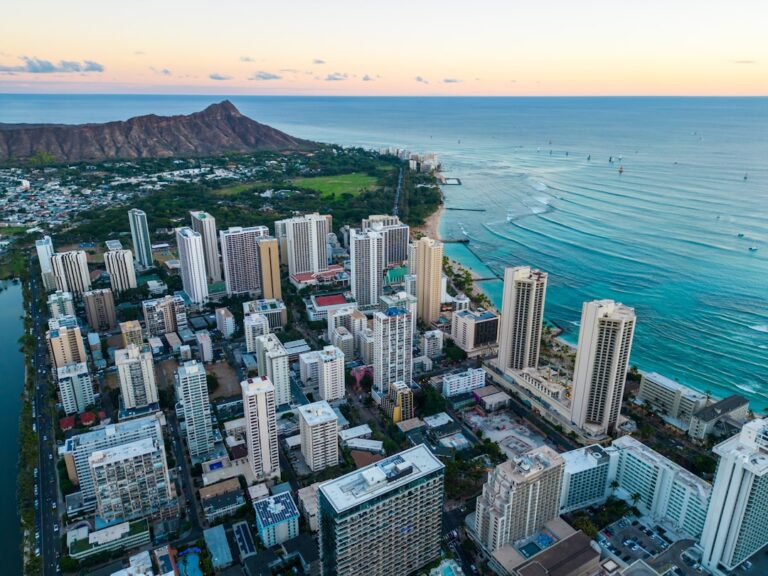
- Oahu: 86°F high / 73°F low. Waikiki gets 0.4″ rain on average. Trade winds make Kailua and Lanikai feel cooler than the south shore.
- Maui: 85°F high / 71°F low in Kahului. West-side resorts (Wailea, Kapalua) average even less rain than Oahu. Upcountry Kula stays in the 70s — bring a light jacket if you’re heading to Haleakalā at sunrise.
The Big Island and Kauai have the most dramatic east-west splits — pick your base wisely or you’ll be staring at clouds.
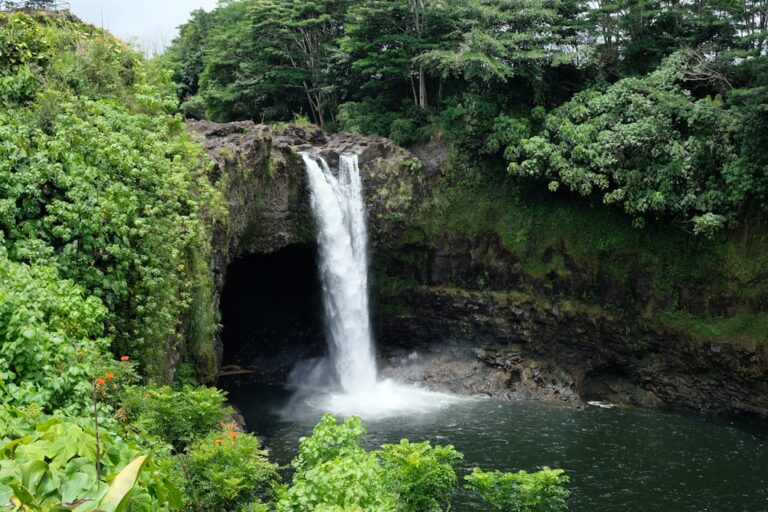
- Big Island: 84°F high / 71°F low in Kona. Hilo, on the windward side, sees 6-7 inches of rain in June (compared to Kona’s 0.2″). If you want sun, stay on the Kona side; if you want waterfalls and rainforest, base in Hilo.
Kauai is the most weather-divided of the four — choose your coast intentionally:
- Kauai: 83°F high / 72°F low in Lihue. The Garden Isle has the widest west-east split — Poipu averages 0.5″ rain, while Princeville/Hanalei gets 3-4″.
Surf Conditions in June
June flips Hawaii’s swell map. The north shores go quiet; the south shores wake up.
The famous winter waves at Pipeline and Sunset Beach (north shore) are gone — those breaks are calm enough to swim and snorkel. The action moves to the south shores: Ala Moana Bowls, Diamond Head, Waikiki for Oahu; the Lahaina town breaks for Maui; Acid Drops and Shipwrecks for Kauai. Wave heights run 2-6 feet — ideal for intermediate surfers, gentle enough for beginner lessons. Per the NOAA National Data Buoy Center, June south swells typically peak around 6-8 feet on the biggest days.
Hawaii Crowds in June: The Pre-Summer Window
Here’s the timing nuance that matters: the first two weeks of June are still shoulder season, while the last two weeks tip into peak summer because mainland public schools let out around June 10-15 and families immediately book the next available flight to Honolulu.
If you can travel June 1-15, you’re getting whale-season-level prices with summer-quality weather. If you can only travel June 16-30, expect Waikiki, Lahaina, Poipu, and Kona to be visibly busier — comparable to July’s peak.
The Hawaii Tourism Authority publishes monthly visitor arrival data; June 2025 saw approximately 855,000 visitors statewide, with the second half outpacing the first half by ~25%.
Where You’ll Feel the Crowds Most
Some spots feel busy regardless of month. Others tip from manageable to brutal right around mid-June. The list below sorts roughly by how acute the June surge feels.
- Waikiki: Always busy; June 15-30 adds 20-30% more density
- Lahaina (Maui): Still rebuilding from the 2023 fire, so the town itself is less crowded than pre-fire, but West Maui resort beaches (Ka’anapali, Napili) fill up
- Hanauma Bay (Oahu): Reservations open 48 hours in advance and sell out in minutes — set an alarm
And the two big day-trip magnets that turn into all-day commitments once you’re stuck in their parking lines:
- Road to Hana (Maui): Park-and-ride at the trailheads is full by 8 AM
- Volcanoes National Park (Big Island): Manageable on weekdays; brutal on weekends
Hawaii Pricing in June: When Costs Climb
Lodging pricing in Hawaii moves on a roughly two-week cycle in June. Tracking three years of Bureau of Labor Statistics Honolulu Area accommodation CPI shows that average daily rates in late June run 35-50% higher than early June for comparable rooms.
Sample 2026 Pricing by Island (Mid-Range Hotel, 4-Night Stay)
- Oahu (Waikiki mid-range): $250-320/night first half of June, $340-420/night second half
- Maui (Wailea/Kapalua mid-range): $420-580/night first half, $560-780/night second half
- Big Island (Kailua-Kona mid-range): $230-310/night first half, $300-410/night second half
- Kauai (Poipu mid-range): $310-410/night first half, $420-560/night second half
Flight pricing follows a similar but more aggressive pattern. A round-trip LAX → HNL ticket that costs $380-450 the first week of June commonly costs $580-720 the last week. The Bureau of Transportation Statistics tracks domestic airfare quarterly; Hawaii routes consistently show the steepest May-to-July step-up in the country.
Rental Car Trap
Hawaii rental cars are the line item where June burns budgets fastest. A standard mid-size at Honolulu Airport runs $55-75/day the first week of June and $110-145/day the last week. Book in March if you can; book as early as possible if you can’t. Discount Hawaii Car Rental and Turo often beat the major brands.
What to Do in Hawaii in June
Snorkeling
June is arguably the best snorkeling month of the year. Water clarity is at its annual peak (visibility 80-100 feet on calm days), water temperature is 78°F, and the famous spots are at their best. Hanauma Bay (Oahu), Molokini Crater (Maui), Two Step at Honaunau (Big Island), and Tunnels Beach (Kauai) all deliver postcard conditions. Our complete snorkeling timing guide goes deeper on which spots peak which months.
Volcano Viewing on the Big Island
The Kīlauea eruption cycle has been highly active through 2025-2026, with episodes occurring on roughly 2-3 week intervals. The USGS Hawaiian Volcano Observatory publishes daily updates and short-term forecasts. June timing favors longer daylight for hiking the rim trails, plus the dry-season visibility makes evening glow viewing exceptional. Full planning details in our Hawaii volcano viewing guide.
Hiking and Waterfalls
June’s stable weather makes it one of the better hiking months — trails on the windward sides aren’t yet baked dry but also aren’t muddy. Top picks: Diamond Head and Manoa Falls on Oahu; the Pipiwai Trail to Waimoku Falls on Maui; Akaka Falls and the Pololu Valley lookout on the Big Island; the Kalalau Trail’s first two miles (Hanakapi’ai Beach) on Kauai. Most are 1-4 hour round trips.
King Kamehameha Day (June 11)
This is the state holiday I tell visitors not to miss. June 11 commemorates the king who unified the Hawaiian Islands; the centerpiece is the gigantic floral lei draping of the Kamehameha statue in downtown Honolulu, followed by a parade through Waikiki on the closest Saturday. Hilo (Big Island) hosts its own parade, often considered the more authentic of the two. The Hawaii State Archives and the Royal Order of Kamehameha I publish each year’s official schedule.
Pan-Pacific Festival (Mid-June, Oahu)
A three-day cultural festival in Waikiki spanning Hawaiian, Japanese, Polynesian, and pan-Asian performances. It’s free, family-friendly, and culminates in a parade down Kalakaua Avenue. Typically the second weekend of June.
Maui Film Festival (Mid-June, Wailea)
Five days of outdoor screenings under the stars at the Celestial Cinema in Wailea. Past years have premiered Oscar contenders; the celebrity presence is real but understated. Tickets and passes from mauifilmfestival.com.
A Sample 7-Day Hawaii Itinerary for June
Built around the early-June sweet spot. Assumes Oahu + Big Island split (the easiest two-island combo for first-timers).
Days 1-3: Oahu
- Day 1: Land midday, check into Waikiki, sunset at Waikiki Beach, dinner at MW Restaurant or Helena’s Hawaiian Food
- Day 2: Sunrise at Lanikai Beach, snorkel at Hanauma Bay (book the reservation 48 hours ahead), afternoon at the Polynesian Cultural Center or Diamond Head hike
- Day 3: Drive the North Shore — Haleiwa for breakfast, Sunset Beach/Pipeline (calm in June), Turtle Bay for lunch, shave ice at Matsumoto’s
The North Shore in June is the quiet flip-side of its winter reputation — those terrifying big-wave breaks turn into the calmest, most family-friendly beaches in the state. Pack a picnic and make a slow day of it.
Day 4: Travel to Big Island
- Morning flight HNL → KOA (45 minutes, around $90-130)
- Pick up rental car, drive to Kailua-Kona accommodation
- Afternoon snorkel at Kahalu’u Beach Park (sea turtle hotspot)
- Sunset and dinner at Huggo’s on the Rocks
Kahalu’u Beach Park is one of those rare spots where the snorkeling is genuinely better with a tour group already there — they bring out the resident green sea turtles for feeding-friendly inspection in the late afternoon.
Days 5-7: Big Island
The Big Island half of this itinerary is about contrast — volcanic moonscape one morning, white-sand beach the next, alpine summit the morning after. Pace yourself; the driving distances are real.
- Day 5: Drive to Hawaii Volcanoes National Park (90 min from Kona). Spend the day exploring Crater Rim Drive, Thurston Lava Tube, and (depending on activity) the latest eruption viewpoints. Return for sunset.
Day 6 swings the trip back to the coast — and Day 7 is the morning I’d genuinely fight you to wake up for.
- Day 6: Snorkel at Two Step (Honaunau Bay) in the morning, visit Pu’uhonua o Honaunau National Historical Park, afternoon at one of the Kohala Coast beaches (Hapuna or Mauna Kea)
And the closer — get up before sunrise one more time. You can sleep on the flight home.
- Day 7: Sunrise at Mauna Kea visitor center (lower-elevation alternative to summit; see our stargazing guide for the full breakdown), morning at Magic Sands Beach, fly home that evening
What to Pack for Hawaii in June
Hawaii in June is forgiving on packing — light layers, fast-drying everything, sun protection. The list below is what I’d build out from scratch for a first-time visitor.
- Reef-safe sunscreen (Hawaii law bans oxybenzone and octinoxate)
- Two swimsuits — one always wet, one always dry
- UV-blocking long-sleeve rash guard (the equator-strength June sun is no joke)
- Light rain jacket for windward-side excursions
- Hiking sandals (Tevas, Chacos) plus closed-toe shoes for lava rock
- Light layer for Haleakalā sunrise or Mauna Kea (it can hit 40°F at altitude)
- Reusable water bottle — tap water is excellent and saves $40-80 over a week
How June Compares to Other Months
Our month-by-month comparison guide ranks every month against the others; the short version is that June and September are the two months that consistently land in our top three for first-time visitors.
The month-vs-month breakdown gets pretty granular, but here are the comparisons people ask me about most:
- vs. May (Maui guide covers this in detail): June is warmer, calmer surf on the north shores, and the south-shore swell brings better surfing conditions. May is cheaper.
- vs. July: June is meaningfully cheaper and less crowded if you can travel early in the month. July’s hotter (by 2-3°F) and busier.
The September and winter comparisons are the ones that actually decide a trip for most travelers:
- vs. September: Similar weather quality. September wins on crowds (kids are back in school) and price (lowest of the year). June wins on event programming.
- vs. December/January (December and January guides): June has zero whale activity but reliable sunshine. Winter has whales but variable weather and crowded holidays.
Frequently Asked Questions
Is June a good time to visit Hawaii?
Yes — especially the first two weeks. Weather is reliable, water is warm, snorkeling visibility is excellent, and prices are still in shoulder-season territory before mainland school summer break begins. The last two weeks of June shift to peak-season pricing and crowding.
How crowded is Hawaii in June?
Early June is moderate; late June approaches July’s peak. Plan reservations and rental cars for early-month dates if possible. Hanauma Bay, Road to Hana, and Volcanoes National Park benefit most from early-week visits within June.
How much does a Hawaii vacation cost in June?
For a couple flying from the West Coast, expect $3,800-5,200 for a 7-day trip in early June (flights + mid-range hotel + rental car + meals + activities), rising to $4,800-7,000 for the same trip in late June. Add 25-35% for East Coast departures.
What should I pack for Hawaii in June?
Light, breathable clothing, two swimsuits, reef-safe sunscreen, UV-blocking rash guard, hiking sandals, a light rain jacket, and one warm layer for high-altitude excursions (Haleakalā, Mauna Kea). No need for heavy jackets or pants beyond one travel pair.
Can you swim at the north shore of Oahu in June?
Yes. The famous winter big-wave breaks (Pipeline, Sunset Beach, Waimea Bay) are calm and swimmable in June. Waimea Bay in particular flips from a 30-foot-wave winter spectacle to a calm summer swimming beach with a popular rock-jump.
Are there whales in Hawaii in June?
No. Humpback whale season runs roughly mid-November through mid-April. By June, the whales have migrated back to Alaskan waters. If you want whales, plan a winter trip; see our whale season guide.
Is June or July better for visiting Hawaii?
June is better for value and slightly milder crowds — especially if you can travel before June 15. July is better if you have school-age kids and need to align with summer break, or if you want to experience Fourth of July fireworks in Waikiki or Lahaina.
What’s the rainiest place in Hawaii in June?
Hilo on the Big Island averages 6-7 inches of rain in June — by far the wettest spot in the state during this month. The Hana side of Maui and Princeville/Hanalei on Kauai are second-tier rainy spots. For maximum sunshine, base on the west or south sides of any island.
Bottom Line: When to Book Hawaii in June 2026
If you have flexibility, book travel for June 1-14, 2026. You’ll get summer-quality weather, exceptional snorkeling, and prices that are still 25-40% below the late-June peak. King Kamehameha Day (June 11) falls inside this window and adds genuine cultural depth to a trip.
If your dates are constrained to late June, book everything as early as possible — particularly rental cars, popular reservations (Hanauma Bay, Haleakalā sunrise, luaus), and inter-island flights. Late June still delivers beautiful weather; you’ll just pay peak-season prices for it.
Either way, June is one of the safest weather bets in the Hawaiian calendar. If you want to go deeper on which island to prioritize, our best-time-to-visit each island guide breaks down the month-by-month tradeoffs for Oahu, Maui, Big Island, and Kauai.