Hanauma Bay Nature Preserve is the most tightly managed snorkel destination in Hawaii, and the rules changed enough during the 2020–2021 shutdown that older guidebooks and blog posts are now unreliable. Daily attendance is capped near 1,400 visitors, the City and County of Honolulu reservation portal releases tickets on a rolling 48-hour cycle, and entry is refused to anyone who has not completed the online booking in advance. Walk-up entry no longer exists.
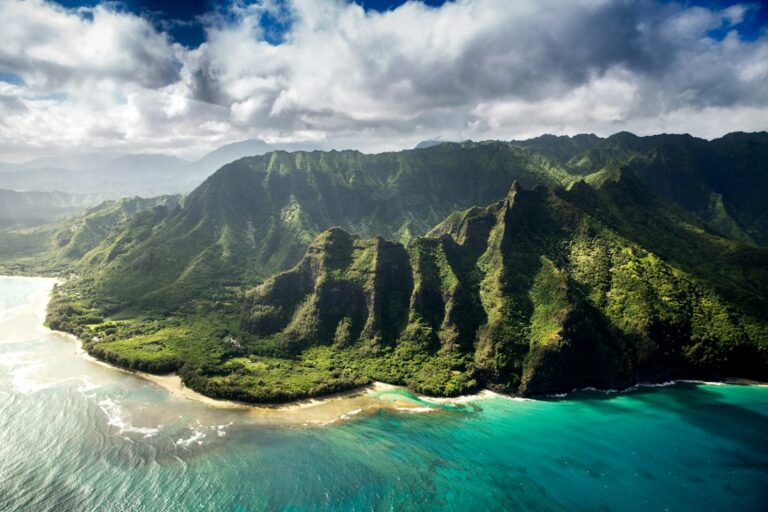
The bay itself is a collapsed volcanic cone flooded by the Pacific, and its horseshoe reef sits about 30 feet from shore in three to eight feet of water. Water clarity peaks in the first ninety minutes after opening, before wind, swimmers, and afternoon tradewinds cloud the fringing reef.
This guide walks relocating households and first-time visitors through the exact 48-hour booking window, the $25 non-resident fee structure, the mandatory 9-minute conservation video, Tuesday closures, $3 parking realities, and the morning windows that produce the clearest water. It also covers reef-safe sunscreen rules under Act 104, transportation options, and the gear checklist that keeps the trip under $60 per person.
How the 48-hour reservation window actually works
The City and County of Honolulu opens the Hanauma Bay reservation portal at exactly 7:00 AM Hawaii Standard Time (HST) each morning. That release covers a single arrival day, exactly 48 hours in the future. A household wanting to visit Saturday morning must book Thursday at 7:00 AM HST — not Friday, not Saturday morning at the gate.
The site releases roughly 1,000 non-resident reservations per day, split across ten arrival slots between 6:45 AM and 1:30 PM. Slots typically sell out within twenty to forty minutes on weekends and holidays, and within one to two hours on weekdays. Repeated refreshing at 6:58 AM HST is standard behavior among visitors who need a specific slot.
What the portal actually asks for
Each reservation covers up to ten people under a single email address, but every guest over age three needs an entry ticket. The system asks for arrival slot, guest count, one government ID name, and a credit card. Payment is charged at booking, not at the gate, and refunds are only granted when the preserve closes for weather.
Cancellation, no-show, and rebooking rules
A missed arrival window is treated as a no-show, and the reservation cannot be rescheduled for a later slot the same day. Late arrivals of more than fifteen minutes past the slot start are turned away. Cancellations must be made through the same portal at least 24 hours in advance to preserve the option of rebooking.
| Booking detail | Rule |
|---|---|
| Portal release time | 7:00 AM HST daily |
| Advance booking window | Exactly 48 hours |
| Slots per day (approx.) | 10 arrival windows |
| Max party size per reservation | 10 guests |
| Grace period for late arrival | 15 minutes |
| Typical weekend sell-out | 20–40 minutes |
| Weather refund policy | Full refund if preserve closes |
Entry fees, parking, and the total cost picture
Non-resident entry is $25 per person for anyone age thirteen and older. Children twelve and under enter free, but they still need a slot on the reservation. Hawaii residents with valid state ID and active-duty military with a Common Access Card enter free of the $25 fee, though the reservation itself is still required for entry through the gate.
Parking is a separate $3 charge collected in cash at the lot at the top of the crater rim, and it is capped at roughly 300 vehicles. Once the lot fills, rideshare drop-off is the only way in. Attendants recommend arrival at least twenty minutes before the reservation slot to secure a stall on peak Saturdays.
Resident verification at the gate
Kama’āina rates require a Hawaii driver’s license, state ID, or utility bill in a Hawaii address paired with a photo ID. Snowbirds who have not completed the Hawaii residency process cannot claim free entry, even with a signed lease. Households mid-relocation should budget the $25-per-adult fee until the state ID is in hand.
Payment methods and receipts
Entry is prepaid online with a credit card; the printed or emailed QR code is what gets scanned at the entry booth. Parking, however, remains a cash-only $3 payment despite ongoing modernization talk. Bringing three one-dollar bills per vehicle avoids the ATM detour at Hawai’i Kai Shopping Center 2.5 miles back down Kalanianaole Highway.
| Cost item | Non-resident | Hawaii resident |
|---|---|---|
| Adult entry (13+) | $25 | $0 with ID |
| Child entry (3–12) | $0 | $0 |
| Under age 3 | $0 (no reservation) | $0 |
| Parking (per vehicle) | $3 cash | $1 cash |
| Snorkel rental (at gift shop) | $20 set | $20 set |
| Locker rental | $10 large, $8 small | Same |
| Tram (optional) | $3 up / $1.50 down | Same |
The mandatory 9-minute conservation video
Every first-time visitor and any returning visitor whose last video certification was more than a year ago must watch a 9-minute orientation film in the theater near the entry booth. The film covers Act 104’s ban on oxybenzone and octinoxate sunscreens, the “look but don’t touch” reef policy, and safe entry points that avoid trampling brain coral colonies inside the horseshoe.
Screenings run continuously in the theater roughly every fifteen minutes. Groups arriving on the same reservation must sit through the same screening — splitting the party sends the second half back to the queue. Certification is valid for 365 days and stored in the household’s booking profile, so return trips within a year skip the theater entirely.
What the film actually teaches
- The four sanctioned entry points that keep swimmers off live coral.
- The 100-foot rule between snorkelers and Hawaiian monk seals.
- Why sea turtles cannot be touched or fed, under state and federal law.
- The banned-sunscreen ingredient list enforced at the gate.
- Rip current warnings for the outer reef beyond the horseshoe.
The state’s reef-safe sunscreen rules under Act 104 are enforced by inspection, not just signage, and gate staff will politely ask visitors to leave banned tubes at the entry desk before entering. Zinc oxide and titanium dioxide mineral formulas remain compliant and are sold at the gift shop for $18–$26 per 3-ounce tube.
Tuesday closure and the weekly rhythm
Hanauma Bay is closed to the public every Tuesday for reef rest, and it is also historically closed Wednesdays — the current schedule should be verified before booking. The rest period lets the reef recover, allows staff to clean the parking lot and beach, and gives fish populations a break from human presence. Attempting to walk in on a closure day results in a locked gate at the top of the rim.
Beyond Tuesday, the preserve typically opens at 6:45 AM and stops admitting new visitors at 1:30 PM, with everyone off the beach by 4:00 PM. The last tram up the crater wall runs around 4:15 PM. Winter closures for high-surf advisories are unpredictable and can happen with less than twelve hours’ notice.
Holiday and event closures
- Christmas Day (December 25) — full closure.
- Thanksgiving Day — full closure.
- High-surf advisories — closed when swells exceed 8 feet.
- Sewage or brown-water advisories from Wailupe or Portlock — closed.
- Coral spawn research windows — occasional partial closure.
Weather closures and refunds
Winter storms out of the northwest can push waves into the outer reef even though the inner horseshoe stays calm. When the state Department of Health issues a brown-water advisory or Ocean Safety closes the beach, the reservation system automatically refunds the $25 tickets within five to seven business days. During named-storm threats, visitors should check the 48-hour hurricane action timeline before driving out.
Best morning windows for water visibility
Underwater visibility at Hanauma Bay ranges from 15 feet on cloudy afternoons to 60+ feet on calm summer mornings. The variable that matters most is time of day: from opening at 6:45 AM through roughly 9:30 AM, the water is glassy, sand has settled overnight, and tradewinds have not yet ruffled the surface. By 11:00 AM, hundreds of fins have kicked up sediment.
The 6:45 AM slot is the single most valuable reservation on the sheet. It clears the parking lot before it fills, catches slack tide most mornings, and rewards early risers with the largest fish schools — parrotfish and manini feed heavily at dawn. The trade-off is a 5:15 AM alarm and a dark drive from Waikiki.
Tide, wind, and month-by-month clarity
| Month | Avg water temp | Typical AM visibility | Notes |
|---|---|---|---|
| January | 74°F | 25–45 ft | North swells; occasional closures |
| March | 75°F | 30–50 ft | Whale watch possible from rim |
| May | 77°F | 40–55 ft | Peak clarity month begins |
| July | 80°F | 45–60 ft | Best overall combination |
| September | 81°F | 40–55 ft | Warmest water; light tradewinds |
| November | 77°F | 25–40 ft | Swell season returns |
How to read the marine forecast
The National Weather Service Honolulu marine forecast lists Hanauma under the Kaiwi Channel outlook. A forecast of “east tradewinds 15–20 knots” typically produces choppy afternoon water but calm mornings. Wave heights above 4 feet on the south shore mean churned-up sand inside the horseshoe, cutting visibility to under 20 feet even before crowds arrive.
Getting there from Waikiki and the North Shore
Hanauma Bay sits at mile marker 10 on Kalanianaole Highway (Route 72), roughly 11 miles east of Waikiki and 45 minutes from Ko Olina resorts. The drive from the H-1 through Kahala takes 25 minutes without traffic and closer to 50 minutes during morning rush. The final climb up the crater rim adds about seven minutes of switchbacks.
Route 72 is maintained by the state and covered under the Hawaii Department of Transportation weekly lane-closure schedule. During resurfacing months, delays of 10–15 minutes are common between Aina Haina and Hawai’i Kai, and morning visitors should build a buffer.
Rental car vs. rideshare vs. TheBus
A rental car is the most flexible option, especially for households planning to combine Hanauma with Sandy Beach, Makapuu Lighthouse, or Waimanalo the same morning. Compact rentals run $55–$95 per day plus $15–$25 daily insurance. Households should factor in the actual cost of Hawaii car insurance when renting for a full month.
Rideshare from Waikiki costs $28–$42 one-way with Uber or Lyft, and drivers do congregate near the entry gate for the return trip, though wait times can hit twenty minutes on the trip back. Round-trip rideshare for a couple usually beats a one-day rental unless additional stops are planned.
Public transit uses TheBus Route 22 (the “Beach Bus”) from Waikiki, which runs roughly every 60 minutes and costs $3 per boarding or $7.50 for a HOLO Card day pass. Travel time is 55–75 minutes each way. Route 22 does not run on Tuesdays anyway, which aligns with the preserve closure.
Where relocating households actually stay
Households scouting east Oahu neighborhoods for a longer-term move often base out of Hawai’i Kai or Portlock, which puts Hanauma about eight minutes away by car. Short-term rentals in the area are legal only when they meet the 30-day minimum stay under Bill 41. Visitors should confirm any listing complies with the Oahu short-term rental crackdown under Bill 41 before booking.
What to pack: gear and reef-safe SPF checklist
Renting snorkel gear at the on-site concession runs about $20 per set (mask, snorkel, fins), while bringing personal gear saves the fee and guarantees a well-fitting mask — a critical detail for anyone new to snorkeling. Gate staff do not allow inflatable rafts, hard-shell coolers over 24 quarts, or glass containers past the entry booth.
The essential gear card
- Mineral SPF 30+ (zinc oxide or titanium dioxide only) — 3 oz tube.
- Well-fitting silicone mask with tempered glass lens.
- Split or paddle fins in fitted size — no strapless flippers.
- Rash guard UPF 50 for shoulder and back sun protection.
- Reef-safe lip balm with SPF and mineral filters.
- Microfiber quick-dry towel — sand releases easily.
- Reusable water bottle, 32 oz minimum for tropical heat.
- Waterproof phone pouch — the reef photos are worth it.
- Three $1 bills for parking and small cash for the tram.
- Copy of the reservation QR code, printed or on device.
What NOT to pack
- Chemical sunscreens containing oxybenzone or octinoxate (banned).
- Fish food, bread, or any bait — feeding fish is illegal.
- Drones — no flights permitted over the preserve.
- Smoking materials — the entire preserve is tobacco-free.
- Coolers over 24 quarts or any glass containers.
- Umbrellas over 4 feet — small pop-up tents only.
Reef-safe sunscreen deserves attention because Act 104 enforcement is real. Non-mineral formulas confiscated at the entry desk are logged and destroyed. Reliable brands sold at Foodland or Longs Drugs include Kōkua Sun Care ($34/3oz), Little Hands Hawaii ($22/3oz), and All Good ($16/3oz). The gift shop marks up mineral SPF roughly 30% over off-site retail.
Snorkeling safety and marine life inside the horseshoe
Inside the fringing reef, water depth ranges from three to eight feet across a sandy bottom broken by coral heads and finger reefs. Beyond the reef line — clearly marked by a break in the wave pattern — depth drops to twenty-plus feet and rip currents pull swimmers toward the channel. First-time snorkelers should stay inside the horseshoe.
What snorkelers actually see
- Yellow tang, moorish idol, and threadfin butterflyfish year-round.
- Green sea turtles (honu) — do not approach within 10 feet.
- Parrotfish grazing algae off coral heads.
- Occasional Hawaiian spinner dolphins in the outer channel.
- Reef octopus tucked into crevices at low tide.
- Humuhumunukunukuapua’a — Hawaii’s state fish, common inside.
Injury risks and medical response
Coral cuts, urchin spines, and reef abrasions are the most common injuries at Hanauma. The lifeguard tower is staffed from 8:00 AM to 4:00 PM and carries basic first aid. Puncture wounds should be seen by urgent care within twelve hours. Newly relocated residents may want to review Kaiser vs HMSA coverage before beach outings — Kaiser Koolau Clinic in Kailua is the closest urgent-care option, roughly twenty minutes away.
Monk seals and honu — legal distances
Hawaiian monk seals occasionally haul out on the beach for naps, and NOAA requires a 50-foot buffer on land and 100 feet in water. Green sea turtles require a 10-foot buffer under state law. Approaching either species carries civil fines up to $5,000 and possible criminal referral. Volunteers with orange vests set up rope perimeters when animals are present.
Hanauma Bay compared to other Oahu snorkel spots
Hanauma is not the only reef snorkel on Oahu, and the reservation friction pushes some visitors toward Electric Beach, Shark’s Cove, or Kuilima Cove instead. Each alternative has real trade-offs on parking, water clarity, and marine life density that a first-time visitor should weigh honestly. Official visitor overviews are compiled on gohawaii.com.
| Location | Entry | Reservation? | Best months | Fish density |
|---|---|---|---|---|
| Hanauma Bay | $25 + $3 parking | Yes, 48-hour | May–September | Very high |
| Shark’s Cove (North Shore) | Free | No | May–August | High |
| Electric Beach (Ko Olina) | Free | No | April–October | Moderate |
| Kuilima Cove (Turtle Bay) | Free | No | Year-round | Moderate |
| Three Tables (North Shore) | Free | No | June–August | Moderate |
| Kahe Point tunnels | Free | No | May–September | High |
When to skip Hanauma
Households on a strict schedule who cannot commit to a 7 AM booking two days out should consider Kuilima Cove at Turtle Bay Resort — protected water, no reservation, and modest crowds. Advanced snorkelers seeking bigger fish should look at Shark’s Cove in summer or a chartered boat tour off West Oahu. Independent kayak-launched snorkeling with a motorized escort triggers the Hawaii boater education card requirement.
Practical booking timeline for a Waikiki-based visit
The window between deciding to go and standing on sand is at least 48 hours. Households arriving Sunday morning who realize on Friday afternoon that they want to snorkel Sunday will need to hit the portal Friday at 7:00 AM sharp — one full day of lead time, no more. A pre-departure checklist keeps the sequence tight.
- Two days out at 7:00 AM HST — book slot on portal, save QR code.
- The day before — buy reef-safe SPF, confirm rental car pickup.
- The night before — set alarm for 90 minutes before slot start.
- Morning of — leave 60 minutes before slot for Waikiki-based visitors.
- Arrival — park, pay $3 cash, walk to entry booth with QR code.
- Enter — watch 9-minute video, descend crater path or take tram.
- Depart — off beach by 4:00 PM, last tram 4:15 PM.
What to do if the slot is sold out
Portal cancellations trickle back into inventory throughout the day, especially 24–36 hours ahead as no-shows and reschedules process. Refreshing between 5:00 PM and 8:00 PM the day before often surfaces returned tickets. If nothing opens, the same-morning walk-in for cancellations rarely works — the gate does not sell tickets at the crater rim.
Frequently asked questions
Can Hawaii residents skip the online reservation?
No. Residents still need to book a slot through the portal at 7:00 AM HST 48 hours ahead, but they check the “Hawaii resident” box and pay $0 instead of $25. A Hawaii driver’s license or state ID must be presented at the gate. Roughly 400 daily slots are held for resident bookings on peak weekends.
How strict is the 48-hour window in practice?
Strict. The system will not display slots earlier than 48 hours out, and same-day walk-ups are refused at the gate. Cancellations do sometimes return to inventory 12–36 hours ahead, so refreshing the portal Saturday evening for a Monday visit occasionally surfaces last-minute openings. Never assume slots will be available same-day.
What happens if visitors arrive late for a slot?
Arrivals more than fifteen minutes past the reservation window are turned away, and the fee is not refunded. Slots are staggered every 45 minutes, so a group missing their 8:30 AM window cannot slide into the 9:15 AM window unless it is not sold out. Building a 30-minute traffic buffer into the morning drive is standard advice.
Are children required to have a reservation?
Yes, every guest over age three needs a slot on the reservation, even though children twelve and under enter free of the $25 fee. Infants and toddlers under three do not need a slot. Booking parties of six or seven should double-check the head count before submitting — adding guests after purchase is not always possible.
What is the actual best month to visit Hanauma Bay?
July offers the best combination of 80°F water, 45–60 foot visibility, minimal north swell interference, and low rain risk. September comes close with 81°F water. Winter months from December through March can bring surf closures with less than twelve hours’ notice, and visibility often drops to 25–40 feet from suspended sediment along the horseshoe.
Is the 9-minute video required every visit?
No. The video certification is stored in the booking profile for 365 days from the last screening. Return visits within a year skip the theater and go straight to the trail down the crater wall. First-time visitors and returning guests whose certification has lapsed must sit through the current version, which is updated annually.
Can visitors rent snorkel gear at Hanauma Bay itself?
Yes, the concession near the beach rents mask, snorkel, and fin sets for about $20, plus $10–$40 refundable deposits depending on the item. Personal gear that fits well is preferable — an ill-fitting mask leaks constantly and turns a two-hour session into a frustrating one. Prescription mask rentals are limited and often reserved by 9:00 AM.
How does Hanauma Bay compare to snorkeling on other Hawaiian islands?
Hanauma is the most managed reef in the state, which produces high fish density but also mandatory paperwork. Molokini Crater off Maui offers deeper water and clearer visibility but requires a $150+ boat charter. Kealakekua Bay on the Big Island rivals fish density but needs a kayak permit. For walk-in reef access with a car, Hanauma remains unmatched.