Waikiki packs more visitor activity into 2 square miles than anywhere else in Hawaii. The neighborhood draws roughly 5 million visitors annually according to Hawaii Tourism Authority data, and most cycle through the same beach, the same trail, and the same handful of restaurants. The list below ranks the activities by what visitors consistently rate highest and what the editorial research team verified is currently operating in 2026 — with prices, times, and booking notes drawn from operator websites and state park records.
The 12 best things to do in Waikiki in 2026
This ranked list pulls from Hawaii State Parks operating data, current admission fees from official sites, and a sweep of visitor sentiment across major review platforms. Each item links to authoritative booking or operator information. Free activities are flagged so budget-conscious visitors can plan a day for under $20.
- Hike Diamond Head Crater (Lēʻahi) — $5 per non-resident, plus $10 per vehicle. The 1.6-mile round-trip trail gains 560 feet over old switchbacks and tunnels. Reservations required.
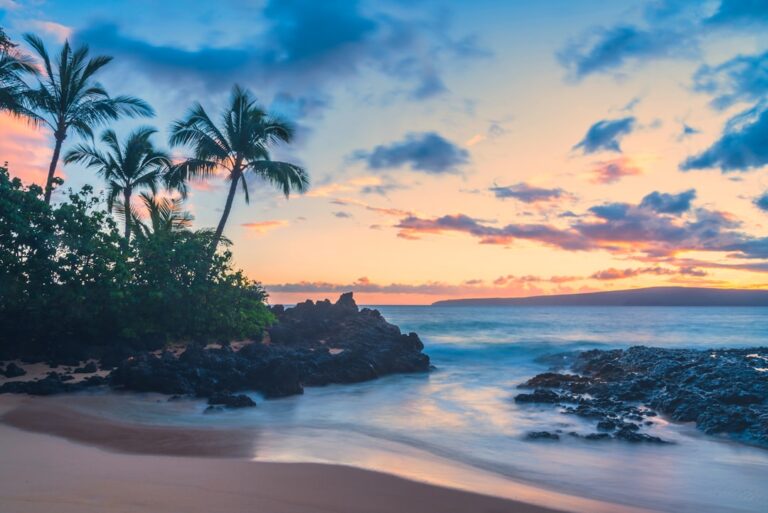
- Sunrise or sunset at Waikiki Beach — Free. The 2-mile crescent from Hilton Hawaiian Village to Kapiolani Park gets calmer water in early morning.
- USS Arizona Memorial — Free, but timed-entry tickets via recreation.gov cost $1 service fee. Reserve 8 weeks ahead in peak months.
- Honolulu Zoo — $21 adult, $13 child. 42 acres at the Diamond Head end of Kapiolani Park.
- Waikiki Aquarium — $12 adult, $5 child. Run by the University of Hawaiʻi; oldest aquarium in the United States.
- Surf lessons on Waikiki’s south shore — $75 to $150 for a 90-minute group session. The break is gentle and the lineup is famously crowded.
- Outrigger canoe ride from Duke Kahanamoku Statue — $30 to $40 for three waves. Operates from beach shacks fronting the Royal Hawaiian.
- Iolani Palace tour — $30 docent-led tour, $15 self-guided. The only royal palace on U.S. soil.
- Friday night fireworks at Hilton Hawaiian Village — Free. 7:45 pm in winter, 8:00 pm in summer. Best view from the beach at Fort DeRussy.
- Bishop Museum — $33 adult. A 20-minute Uber from Waikiki; the most comprehensive Hawaiian and Polynesian artifact collection in the world.
- Sunset catamaran sail off Waikiki Beach — $40 to $90 depending on whether drinks are included.
- Kapiolani Park free Sunday concerts — Free. The Royal Hawaiian Band performs at the bandstand most Sunday afternoons.
Diamond Head: the activity that defines Waikiki
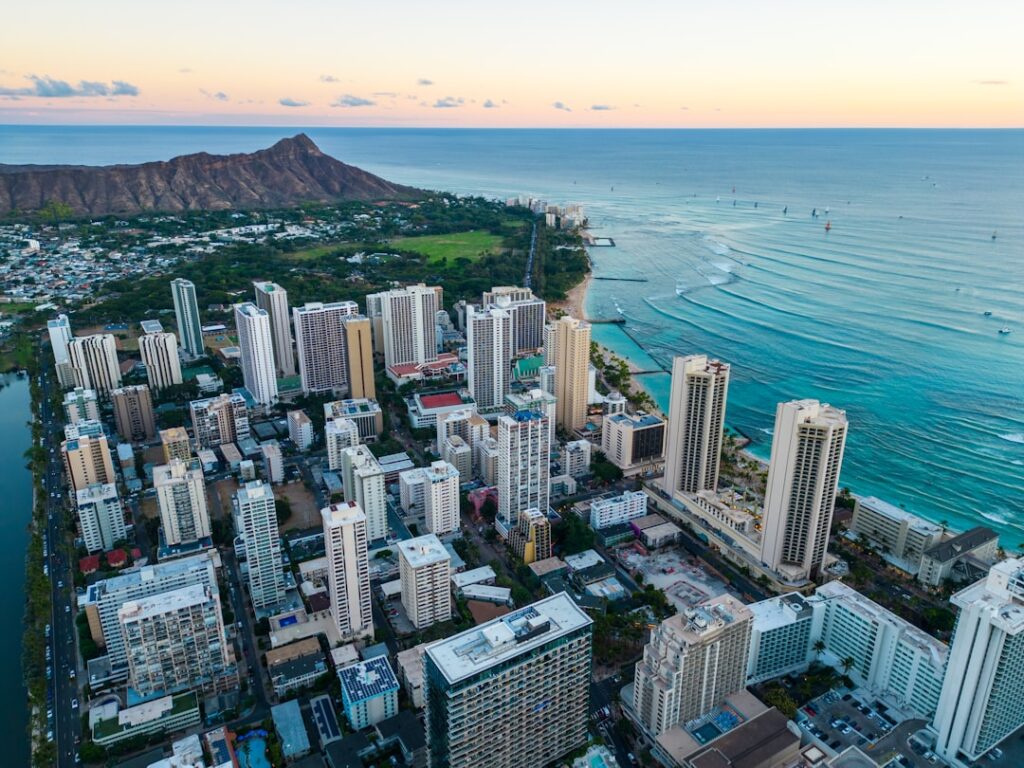
Diamond Head State Monument sits at the eastern edge of Waikiki and dominates every postcard of the neighborhood. The crater itself is a 300,000-year-old tuff cone. The hike to the summit gains 560 feet of elevation in 0.8 miles each way and takes most visitors 90 minutes round-trip. Reservations are mandatory for non-residents.
According to Hawaii State Parks, entry fees are $5 per person plus $10 per vehicle for non-Hawaii residents. Hawaii residents enter free with a state ID. The park opens at 6:00 am, and the last entry is 4:00 pm; gates close at 6:00 pm. Reservations are released 30 days in advance and 80% of summer slots book within 24 hours of release.
The trail itself is paved for the first half, then transitions into 271 concrete steps, a dark tunnel with low overhead, and a final spiral staircase. The summit rewards hikers with a panoramic view across all of Waikiki, Honolulu, and the south shore reef. Sunrise hikes are popular but require headlamps and produce the best photographs only on days with low cloud cover.
What does Waikiki cost on a typical day?
Visitor spending data from the Hawaii Tourism Authority shows average per-person daily spending in Waikiki hit $284 in 2024, with lodging and food accounting for roughly 60% of that figure. A budget-conscious visitor can do Waikiki for under $80 by sticking to free beach activities, walking Kalakaua Avenue, and eating poke from a market rather than a sit-down restaurant.
The most expensive single line items are typically the luau (a quality production runs $185 to $250 per adult), surfboard rental ($25 per hour or $35 per day), and rideshare to attractions outside Waikiki itself, where surge pricing can add 40% during peak hours.
Beach activities ranked by visitor satisfaction
Waikiki Beach is not a single beach. It’s a 2-mile stretch divided into eight distinct sub-beaches, each with different sand quality, wave conditions, and crowd profiles. The most popular section in front of the Moana Surfrider is also the most crowded; the quieter sections require a 5-to-10-minute walk.
- Kuhio Beach — Calm protected swimming area with a concrete breakwater. Best for non-swimmers and small children. Showers and bathrooms on-site.
- Queens Surf Beach — Less crowded; popular with locals and the LGBTQ+ community. Better snorkeling on the reef just offshore.
- Fort DeRussy Beach — Widest sand stretch, fronting a military installation. Free parking is limited.
- Sans Souci Beach — At the far east end near Kapiolani Park; reportedly the quietest section, with clear water and reef snorkeling.
- Halekulani Beach — Small section in front of the Halekulani hotel, with the calmest water for swimming laps.
Surf lessons concentrate at Canoes Surf Break in front of the Royal Hawaiian — the gentle, long rolling waves are why Duke Kahanamoku grew up surfing here. Lessons run $75 to $150 for 90 minutes including board rental, and the success rate for first-timers standing up by the end of one lesson is reported by major schools at over 90%.
Free things to do in Waikiki
Waikiki has more free activity than most visitors realize. Walking the beach, watching the Friday fireworks at the Hilton Hawaiian Village, and the Royal Hawaiian Band’s regular Sunday concerts at Kapiolani Park bandstand all carry no admission. The free walking tour of Iolani Palace grounds (palace interior requires a ticket) covers the only royal palace on U.S. soil.
The Duke Kahanamoku statue, hula performances at the Waikiki Beach Walk and at Kuhio Beach Hula Mound (Tuesday, Thursday, Saturday at 6:30 pm during summer per the Hawaii Tourism Authority), and the lei-making demonstrations at Royal Hawaiian Center are all free. Sunset itself is the most consistently rated free activity in Hawaii, and Waikiki’s west-facing orientation makes it ideal.
Cultural and historic sites worth a half-day
The cultural depth of Honolulu sits 10 minutes from Waikiki by car, and most visitors miss it entirely. Iolani Palace, the only royal residence on U.S. soil, was the seat of the Hawaiian Kingdom from 1882 until the 1893 overthrow. Tours operate Tuesday through Saturday with the last entry at 3:00 pm.
Bishop Museum, founded in 1889, houses the largest collection of Hawaiian cultural artifacts and natural history specimens in the world. The Polynesian Hall alone holds over 24,000 objects. According to Honolulu Star-Advertiser visitor data, Bishop Museum draws 300,000 visitors annually, far below its capacity, meaning the experience is uncrowded compared to North Shore attractions.
The USS Arizona Memorial at Pearl Harbor is the most-visited historical site in Hawaii. According to the National Park Service, the memorial is free but requires a $1 timed-entry reservation booked through recreation.gov. Reservations release 8 weeks in advance at 3:00 pm Hawaii time, and summer dates routinely sell out within 15 minutes.
Food and dining: where to eat without a $300 dinner
Waikiki dining ranges from $10 plate lunches to $300 omakase. The best value is the local plate-lunch chain — Rainbow Drive-In, L&L Hawaiian Barbecue, and Highway Inn all serve traditional plate lunches for $12 to $16. Marukame Udon’s $8 udon bowl regularly draws lines of 100 people on Kuhio Avenue.
For sit-down options under $40 per person, the Pig and the Lady (downtown, requires a short Uber), Roy’s Waikiki, and the Lewers Lounge cocktail bar at Halekulani all receive consistent strong reviews. The luau experience varies wildly — Diamond Head Luau on the Sheraton lawn is the most commonly recommended for visitors who want a polished show, while the Polynesian Cultural Center (90 minutes from Waikiki) is the more authentic option for those willing to commit a full day.
After dark: bars, sunset, and live music
Waikiki nightlife concentrates on Kalakaua Avenue and Lewers Street. The House Without a Key at Halekulani offers live Hawaiian music and hula every evening at sunset with no cover charge — drinks start at $18 but the seating area allows free observation. The Mai Tai Bar at the Royal Hawaiian invented the modern mai tai in 1953 and still serves it for $20, with live music nightly.
Duke’s Waikiki on Kalakaua remains the highest-volume bar in the neighborhood and operates from 7:00 am to midnight. Late-night dancing concentrates at Sky Waikiki (rooftop, 19th floor of the Holiday Inn Express) and at the more local-focused Pearl Hotel.
Family-friendly activities for kids under 12
Waikiki is one of the easier Hawaiian destinations for families with young children because the beach is calm, the sidewalks are stroller-friendly, and most attractions are walkable. The Honolulu Zoo (42 acres) and the Waikiki Aquarium are both inside Kapiolani Park. The aquarium charges $12 adult and $5 child, and is among the smallest aquariums in the U.S. — a 60-to-90-minute visit covers everything.
The Honolulu Zoo holds the only African Savannah exhibit in the Pacific. Admission is $21 adult, $13 child, with reduced rates for Honolulu residents. Sunday concerts at Kapiolani bandstand, the koi pond at the Hilton Hawaiian Village, and the dolphin and turtle viewing area at the Kahala Resort (free for non-guests) all keep kids engaged at low cost.
Frequently asked questions
Is Waikiki worth visiting in 2026?
Yes. Waikiki remains the most-visited destination in Hawaii by a wide margin. Visitor satisfaction data from the Hawaii Tourism Authority continues to rate the neighborhood at 4.6 out of 5 in 2024. The neighborhood offers easy logistics, abundant free activities, and access to Diamond Head, Iolani Palace, and Pearl Harbor within a 20-minute radius.
How many days do you need in Waikiki?
Three to four days covers the highlights for most visitors. One day for Waikiki Beach and Diamond Head, one for Pearl Harbor and downtown Honolulu history, and one for the North Shore or windward circle island drive. Travelers staying longer than four nights typically rent a car for at least part of the stay.
What is the best free thing to do in Waikiki?
The Friday night fireworks at the Hilton Hawaiian Village are the highest-rated free activity. Held at 7:45 pm in winter and 8:00 pm in summer, the show lasts 5 minutes and is visible from any point on the western end of Waikiki Beach. The Kuhio Beach Hula Mound shows on Tuesday, Thursday, and Saturday during summer are a close second.
Can you do Waikiki without a rental car?
Yes. The neighborhood is highly walkable, and TheBus public system reaches Pearl Harbor, Diamond Head, and the North Shore for $3 per single ride or $7.50 for a day pass. Rideshare averages $14 to $20 for trips inside Honolulu. A rental car typically only makes sense for visitors planning a full circle-island drive or multiple North Shore visits.
What is the busiest month in Waikiki?
July is the busiest month for visitor arrivals, followed by December and March. Hawaii Tourism Authority data shows July arrivals routinely exceed 500,000 visitors statewide, and Waikiki absorbs roughly 60% of that flow. The quietest months are September and the first half of December before the holiday surge.
Are there things to do in Waikiki when it rains?
Yes. Bishop Museum, Iolani Palace, the Waikiki Aquarium, the Honolulu Zoo, the International Marketplace, the Royal Hawaiian Center, and dozens of bars and restaurants offer indoor or covered options. Rain on Oahu rarely lasts more than 30 minutes, so a covered lunch usually outlasts the shower.
Putting together a Waikiki itinerary
The strongest 3-day Waikiki itinerary uses a single rental day for Pearl Harbor and downtown, leaving the other two days car-free. Day 1 starts with a Diamond Head sunrise hike, lunch on Kuhio Avenue, an afternoon at Waikiki Beach, and the Friday fireworks if available. Day 2 covers Pearl Harbor in the morning (8:00 am timed entry), Iolani Palace at noon, and Bishop Museum in the afternoon. Day 3 returns to the beach for surf lessons, a sunset catamaran sail, and dinner at a sit-down restaurant.
For a 5-day stay, add a North Shore day (Sunset Beach, Haleiwa town, Waimea Valley) and a windward day (Lanikai Beach, Kailua town, the Pali Lookout). Per the Honolulu Civil Beat visitor flow analysis, weekday North Shore visits avoid the worst congestion that builds on weekends.