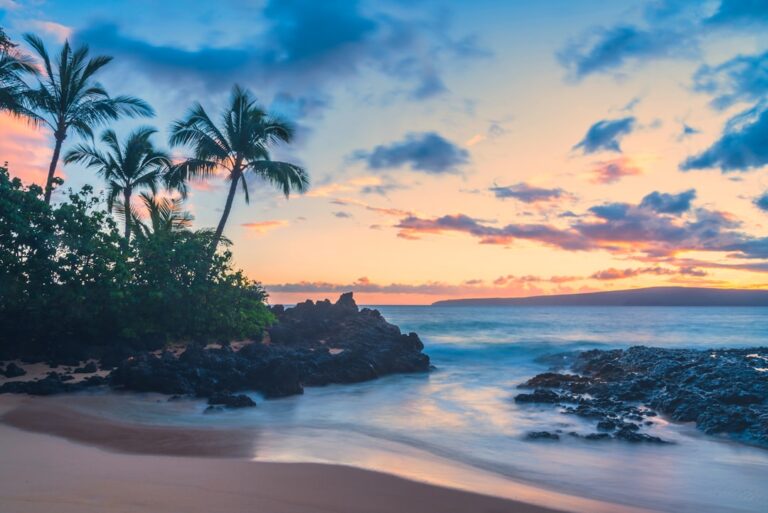
January is the top month for first-time Hawaii visitors whose only goal is whales. Pacific humpback density along Maui’s Au’au Channel and the Kohala Coast peaks this month, and the math is genuinely stunning — recent population estimates from NOAA Fisheries put Hawaiian winter humpback numbers between 10,000 and 12,000 animals, the largest Pacific gathering of the species anywhere. If you’ve never seen a 40-ton mammal breach 20 feet from a small boat, January is the easiest month of the year to make it happen.
But January in Hawaii is not a generic tropical week. It’s wetter, swelly-er, more expensive in the first week, and far cheaper from January 8 onward than most travel guides will admit. This guide breaks down the booking timing, weather patterns, and island-by-island strategy that matter most.
Quick Answer: Should I Visit Hawaii in January?
Yes — if you fly in after January 5, base on a leeward (dry) side of any island, and plan around big winter swells on north-facing coasts. No — if you’re hoping for North Shore Oahu swimming, Tunnels Beach snorkeling on Kauai, or budget-rate hotel pricing in the first week of the month.
- Best for whales: Maui (Au’au Channel), Big Island (Kohala Coast), Kauai (Port Allen)
- Best for dry weather: Big Island Kona side, Maui South (Wailea/Kihei), Oahu Leeward (Ko Olina)
- Best for surfing (advanced only): Oahu North Shore, Maui Honolua Bay
- Best for budget: January 8 – February 5 (post-holiday crash)
- Worst for swimming: Anywhere on a north-facing coast
- Worst for pricing: January 1 – 7 (holiday tail)
If you’re trying to decide between January and another month, the best month to visit Hawaii guide compares the full calendar.
What January Weather Actually Looks Like
January is part of Hawaii’s wet season (November through March). Air temperatures stay mild — daytime highs run 78-82°F on the leeward sides and 75-79°F windward. Ocean temperatures sit around 75°F, which is swimmable but noticeably cooler than the September peak of 80°F. NOAA’s climate normals dataset shows January as one of the cooler and wetter months on every island.
The key differentiator is rainfall by location. Below are January rainfall averages for popular base locations, drawn from NOAA station data.
| Location | Avg January rainfall | Average highs | Best for |
|---|---|---|---|
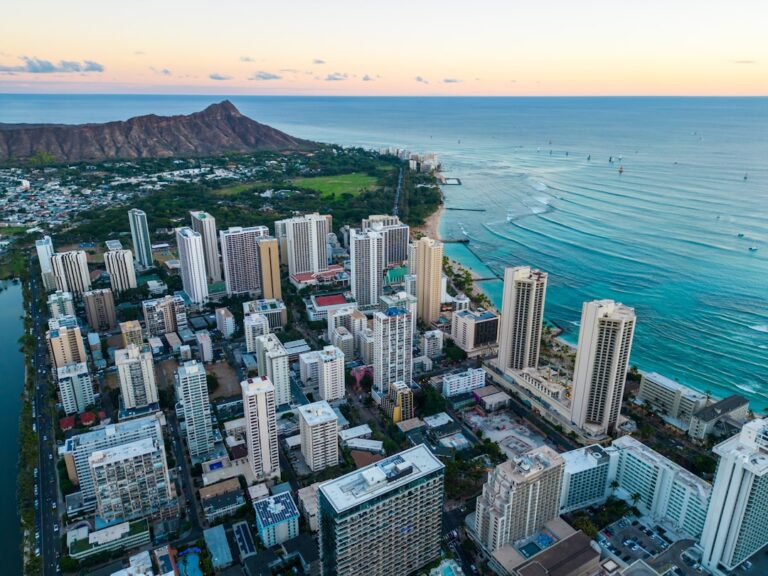
| Waikiki, Oahu | 3.5 inches | 80°F | City + leeward dry |
| Wailea, Maui | 3.0 inches | 81°F | Dry resort weather |
| Hanalei, Kauai | 10.5 inches | 78°F | Whales only — not beach |
| Poipu, Kauai | 2.8 inches | 80°F | South Shore dry-side |
| Kailua-Kona, Big Island | 2.2 inches | 80°F | Driest base on any island |
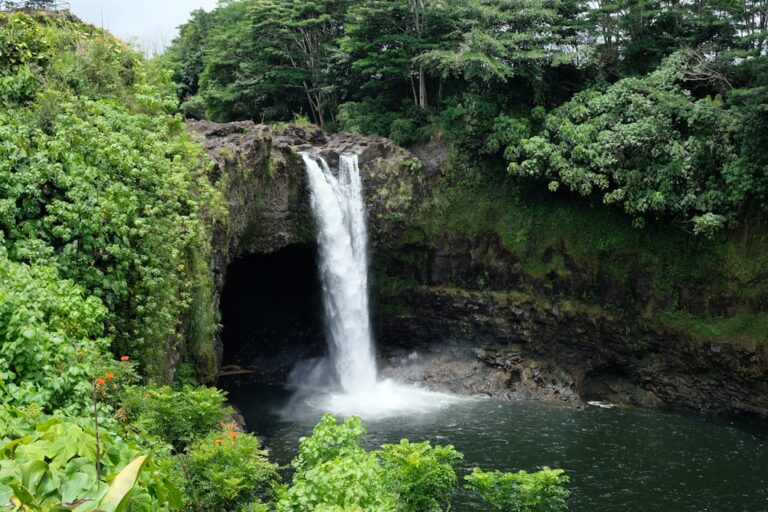
| Hilo, Big Island | 12.5 inches | 79°F | Rainforest, not beach |
| Lahaina, Maui | 3.4 inches | 81°F | Dry, post-fire rebuild |
| Princeville, Kauai | 9.8 inches | 78°F | Whales only |
The consistent pattern: in January, your base location matters more than your island choice. Wailea Maui and Poipu Kauai will give you nearly identical weather. Hanalei Kauai and Hilo Big Island will both rain on you most days.
The Whale Season Reality
Pacific humpbacks migrate from Alaska to Hawaiian waters annually to breed, calve, and nurse. The migration window runs roughly November through May, with peak density mid-January through mid-March. Typical encounter rates reported by charter operators:
- Mid-January Au’au Channel (Maui): Multiple-encounter tours nearly every day
- Kohala Coast (Big Island): Sightings from any beach with a horizon view
- Port Allen (Kauai): Strong activity by mid-month
- Waianae Coast (Oahu): Lower density than the other islands, but still daily sightings
If you have one day to pick: book a Pacific Whale Foundation tour out of Maalaea Harbor on Maui. They publish their conservation methodology and sighting reports through the NOAA whale-watching guidelines they comply with. The Au’au Channel between Maui and Lanai has the highest documented humpback density in Hawaiian waters during peak season.
For background on the broader season window, the Hawaii whale season guide covers months 1-12 in detail.
Crowds and Pricing in January
January splits sharply into two pricing eras:
January 1 – 7: Holiday tail
Hotel rates are still 60-90% above their annual averages. Restaurants on Maui’s Front Street need reservations 3 days out. Sunset cruises sell out. Resort beach chairs at Wailea fill by 8 AM. This week is worth avoiding unless schedules force it.
January 8 – February 5: The post-holiday valley
Rates collapse. Kona-side 4-star properties drop from ~$650 to ~$310 within a single weekend. Wailea drops from $720 to $390. Waikiki drops from $480 to $260. This four-week valley is one of the three cheapest stretches of the year, behind only mid-September and the second week of December. Whale sightings start daily by January 15, peaking near month-end.
For budget-conscious travelers, flying in January 11 and home January 21 captures the lowest rates of the entire whale season.
What to Do in January, by Island
Maui
Wailea-Kihei base. Whale watch out of Maalaea Harbor. Drive the lower Honoapiilani Highway for shore-based whale spotting (Papawai Point lookout is the best free vantage on the island). Snorkel at Molokini early before the trades pick up. Skip Honolua Bay snorkeling — winter swells make it unsafe. Skip Hana road if rain is forecast.
Oahu
Ko Olina or Waikiki base. North Shore is for surf-watching, not swimming — Pipeline, Sunset, and Waimea Bay are routinely 15-30 foot during January per surf forecast reports. Hike Diamond Head before 9 AM to beat trade-wind clouds. Catch Manoa Falls after a rain. Whale watch from Kewalo Basin or Waianae. Skip the Lanikai-to-Pillbox hike if it rained the night before — the trail turns to a mudslide.
Big Island
Kona side base. Manta night dives out of Keauhou are excellent — calm seas and 40+ manta encounters happen. Volcanoes National Park works any season; check eruption status via USGS Hawaiian Volcano Observatory. Stargazing on Mauna Kea is possible but snow can close the summit road. Skip Hilo for beach days — rainforest yes, beach no.
Kauai
Poipu base. South Shore is dry. North Shore (Hanalei, Tunnels, Ke’e) is for driving past, not swimming in. Whale watch from Port Allen. Hike Waimea Canyon early. Snorkel at Lawai Beach (calm South Shore). Skip Polihale unless it hasn’t rained in five days — the dirt road becomes a swamp.
Cross-island day trips in January are genuinely tough because flights sell out and weather flips. If you must island-hop, the inter-island travel guide has the timing tricks.
The Surf Side
January is North-Pacific winter at its full strength. Hawaii’s north and west shores get pounded by surf generated thousands of miles away in the Gulf of Alaska. The Civil Beat winter surf coverage tracks the season annually. Spectator surf is one of January’s defining experiences:
- Pipeline (Oahu North Shore): Pro contests run frequently — check WSL schedule
- Waimea Bay (Oahu): The Eddie Aikau big-wave invitational triggers only when waves exceed 40 feet
- Jaws (Maui Pe’ahi): Tow-in big wave surfing during the largest swells
- Honolua Bay (Maui): Long right-hand point break, expert-only in winter
For the broader picture of which months produce big surf, the Hawaii surf season guide breaks it down month-by-month.
What to Pack for January Hawaii
January is the one Hawaii trip that calls for a light jacket and rain shell. Trade winds plus 75°F at night feels like 65°F to most mainland visitors. A light fleece for evenings, plus a packable rain jacket for windward day trips, is the minimum to pack.
- Light fleece or long-sleeve layer (resort evenings cool off)
- Rain shell or packable poncho (windward sides get afternoon showers)
- Reef-safe sunscreen — required by Hawaii state law per Hawaii.gov Department of Health
- Polarized sunglasses (sun gets low and glare-y in January)
- Long pants for Mauna Kea or Haleakala summit trips (freezing temps possible)
- Closed-toe walking shoes for muddy trails
- Binoculars for shore-based whale watching
If you’re moving rather than visiting in January, the what to bring moving to Hawaii guide covers the longer-term packing list.
How January Compares to Other Months
January is the wettest, swelliest, whaley-est month of the Hawaii calendar. If whales are not a priority and you want safer ocean conditions, May, September, and the first half of October will give you a noticeably better all-purpose trip. If whales are the priority, January through mid-March is your only real window and January’s post-holiday valley is the cheapest entry point in that window.
Adjacent month-specific guides if you’re flexible: Hawaii in December, best time to visit Maui, best time to visit Oahu, best time to visit Kauai, best time to visit the Big Island, and Hawaii hurricane season (yes, even January gets occasional out-of-season storms). Comparing across the year? See best time to visit each Hawaiian island.
Frequently Asked Questions About Visiting Hawaii in January
Is it too cold to swim in Hawaii in January?
Ocean temperatures sit around 75°F in January, which is swimmable but cooler than the 80°F September peak. Most travelers find it comfortable for short snorkel sessions but uncomfortable for multi-hour beach days without warming up between. A rashguard or light wetsuit top extends comfort time significantly.
What is the cheapest week of January?
January 11-18. Mainland flight prices typically bottom out this week as holiday demand finishes draining and Presidents Day weekend hasn’t yet pulled demand forward. West Coast roundtrips to Honolulu have dropped below $380 in this window.
Can I see whales without a boat tour?
Yes, easily. The best free vantage points: Papawai Point lookout on Maui’s Honoapiilani Highway, the Kohala Coast resorts on the Big Island, Makapu’u Point on Oahu, and any North or South Shore lookout on Kauai. Bring binoculars. Sighting probability with binoculars from Papawai during mid-January is essentially 100% in any clear 30-minute window.
Is January a good time to visit Pearl Harbor?
Yes — January 7 onward is one of the best windows because school groups are minimal and tourist crowds have dropped from holiday peak. Reserve free USS Arizona Memorial tickets through NPS Pearl Harbor official site a few days ahead. Aim for the 7:30 AM or 8:00 AM boat to get the morning light.
Will it rain my entire trip?
No, but expect 1-2 days of rain on a 7-day trip in a leeward base, and 4-5 days of rain in a windward base. Trade-wind showers usually last 15-30 minutes. The exception is when a Kona-low weather system parks over the islands — those bring 2-3 days of continuous rain. National Weather Service Honolulu issues alerts for incoming Kona-lows.
Is Volcanoes National Park worth a January trip?
Yes. The park stays open year-round. Cool air at the summit (4,000 feet elevation) makes January hiking comfortable. If Kīlauea is actively erupting, January visibility is often improved because cooler air carries less moisture haze. The NPS Volcanoes page posts daily eruption status. The volcano viewing guide has the hour-by-hour planning playbook.
How does January compare to December for Hawaii?
December has the holiday demand spike and the highest prices of the year in its last two weeks. January 8 onward dumps prices to one-third of late December rates with nearly identical weather and stronger whale activity. The Hawaii in December guide covers the December side; January 8-31 is unambiguously the better month for value.
Are flights cheaper or more expensive in January?
Mainland-to-Hawaii flight prices spike for the first week of January (returning holiday travelers reverse-flow) then drop sharply. The cheapest mainland fares of the entire year often appear during the second and third weeks of January. Roundtrip West Coast fares under $400 are common in this window — by contrast, late December fares routinely cross $1,200.
The Bottom Line
If whales are why you’re flying to Hawaii, book January 11 through January 28 on Maui or the Big Island and you’ll have one of the best wildlife experiences of your life at one-third the cost of a Christmas trip. If whales are not the priority, May or September will give you a better all-around week of weather and lower prices than January. The single biggest mistake January-bound travelers make is basing on a windward coast — fix that one decision and most of January’s downsides disappear.