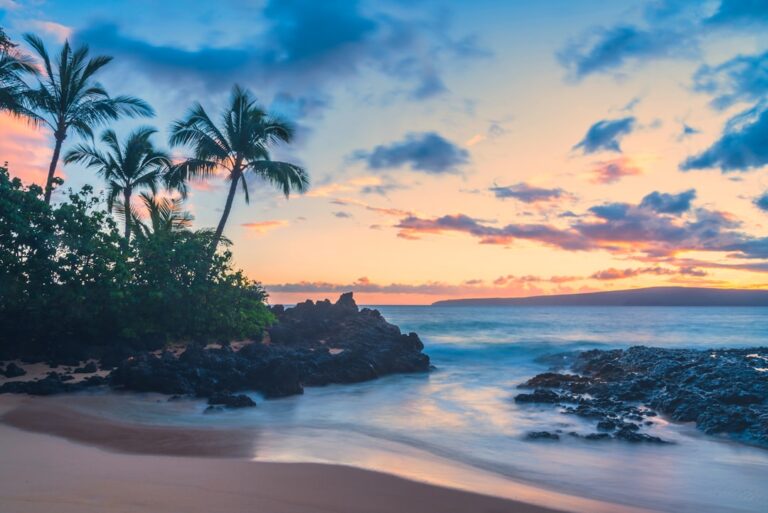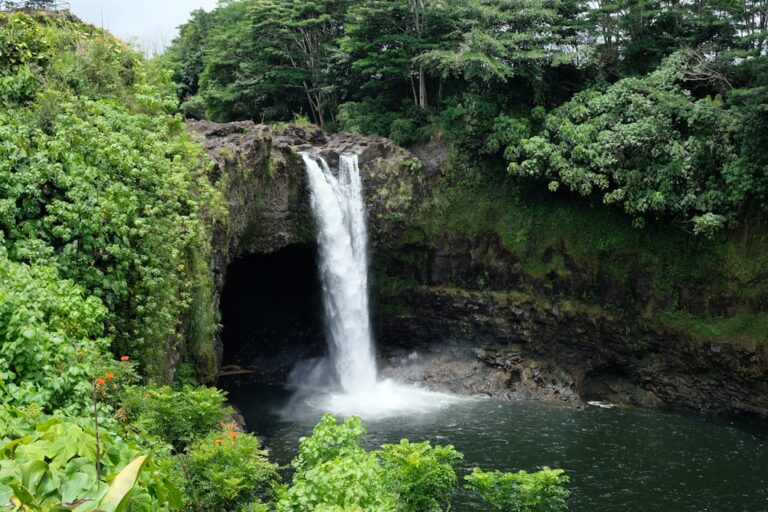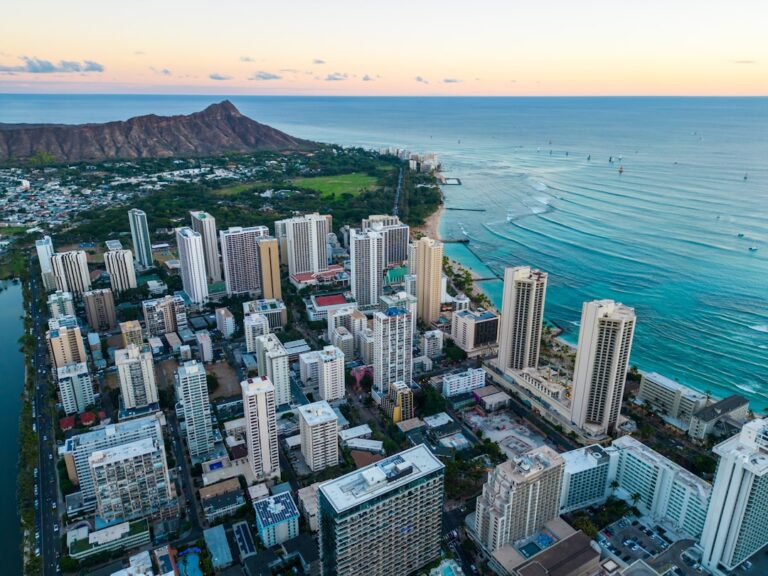
The short answer: April–May and September–October hit the sweet spot of warm-but-not-hot weather, lower prices, and smaller crowds. Skip Christmas through early January if you want any chance of a deal — those two weeks are the most expensive of the year. Whale watchers, of course, should target January through March; surfers, November through February. Everything else is a tradeoff between price, weather, and what you actually want to do.
This guide breaks down the best month to visit Hawaii by goal — cheapest, best weather, fewest crowds, whale season, surf season — plus a month-by-month rundown and notes on how the answer shifts by island — our guide to the best time per island covers it.
Mid-October 2026: What to Expect Right Now
October is Hawaii’s quietest month of the year — summer crowds have cleared, the holiday rush is still 10 weeks away, and leeward beaches are seeing their best conditions. If your dates are flexible, you are in the right window.
- Pricing now: Hotel and car-rental rates sit 25–40% below August peaks — the lowest of any month in 2026. Flights from the US West Coast are holding near their annual floor. Mid-October remains Hawaii’s cheapest booking window — rates stay near their 2026 floor through the end of the month before beginning a slow November climb.
- What to expect on island: No major festivals this month, which means beaches are uncrowded and restaurants take walk-ins. Windward coastlines (Kāneʻohe, Hāna, Hilo) pick up afternoon showers from mid-month onward; leeward sides (Kailua-Kona, Wailea, Ko Olina) stay largely dry.
- November preview: Crowds begin to build slightly in late October as visitors target Veterans Day weekend deals. Hotel rates typically ease another 3–5% through mid-November before Thanksgiving travel demand pushes them back up.
Weather right now: Ocean temperatures of 80–82°F (27–28°C) remain excellent — good snorkeling visibility and warm enough for all-day swimming. Daytime highs of 82–86°F (28–30°C) with steady trade winds keeping humidity comfortable.
Hurricane season update: Risk drops sharply after October 1. The Central Pacific Hurricane Center’s active peak was August–September; a late-season system is possible through November but historically rare. Check the CPHC two-day outlook before you travel.
When Is the Best Month to Visit Hawaii?
If you’re flexible and just want the best overall experience, here’s how the months rank:
- April (after Easter) — warm, dry on most islands, prices drop sharply, crowds thin out. Often the single best month.
- May — similar to April, slightly warmer, still pre-summer-crowds. Late May is the cheapest week before Memorial Day.
- September — post-summer prices, hot but rainy season hasn’t started, kids are back in school.
- October — Hawaii’s quietest month for tourism. Excellent value. Slight uptick in rain on the windward sides.
- Mid-January–early February — peak whale season offsets winter rates. Great if marine wildlife is the goal.
The months to think twice about: December 20–January 5 (Christmas/New Year, double the normal cost), mid-March–mid-April if it overlaps US spring break, and late April–early May if it overlaps Japan’s Golden Week (April 29–May 5) — accommodation in Waikiki and Ka’anapali fills up fast.
Best Month by Travel Goal
Cheapest Time to Visit Hawaii
Late April through mid-June and September through mid-December are the cheapest windows. Hotel rates can drop 30–40% from peak, and flights from the US mainland are often half the December price. The single cheapest week of the year tends to be the second week of September, when summer travel has ended and the fall lull hasn’t lifted yet.
Best Weather
April through October is statistically Hawaii’s dry season — humidity is lower, trade winds are reliable, and the leeward (south and west) sides see very little rain. June through August are hottest (mid-80s°F / 29–31°C in Waikiki), April–May and September–October are warm but more comfortable (high 70s to low 80s).
Best Month for Whale Watching
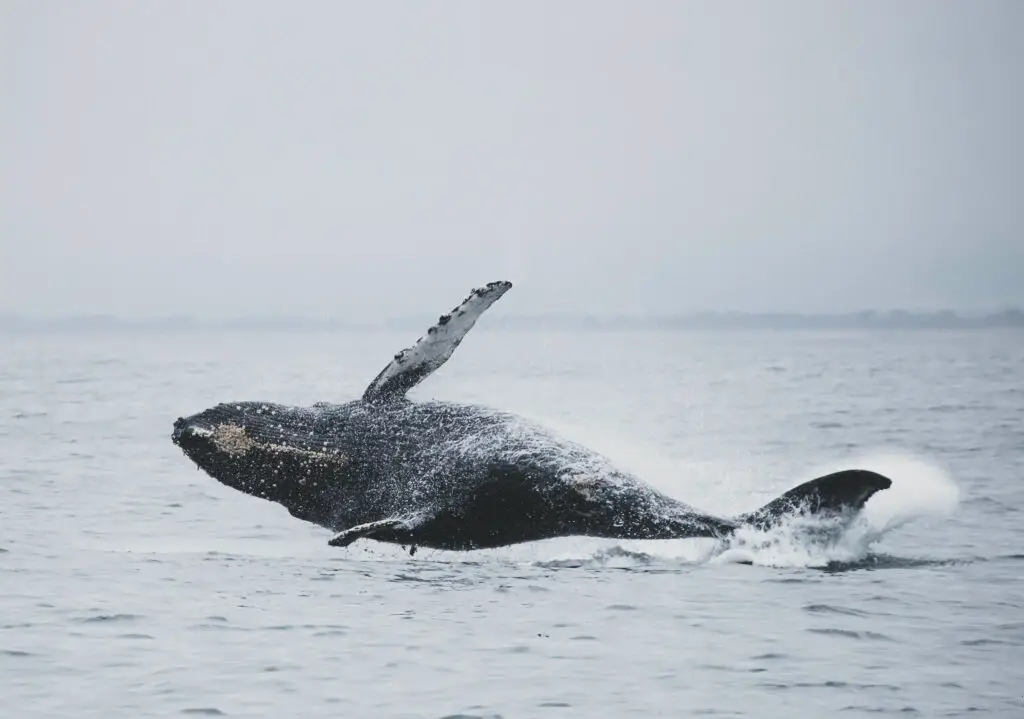
The humpbacks are in Hawaiian waters from mid-November through mid-May, but peak sightings happen mid-January through early March. February is generally the most reliable single month. Full details in our guide to Hawaii whale season.
Best Month for Big Surf
The Pacific’s biggest winter swells hit Hawaii’s north shores from November through February — see our Hawaii surf season guide for the full breakdown. The Eddie Aikau Big Wave Invitational at Waimea Bay only runs when waves exceed 30 feet — typically a January or February event when it runs at all. Summer (May through September) brings the opposite: glass-flat north shores and gentle south swells, good for beginners on Waikiki’s south-facing beaches.
Fewest Crowds
Mid-September through mid-November is the quietest stretch — schools are in session on the mainland, summer travel has wound down, and the holiday rush hasn’t started. The second-quietest window is the first two weeks of December (before Christmas travel kicks in). Avoid all US school-holiday weeks if crowds are your concern.
Best Month for Families
If you’re locked to school holidays, spring break in late March/early April tends to be drier than the summer holidays on most islands. Late June and early July are warm and reliable but you’ll pay summer prices. Thanksgiving week is shorter and substantially cheaper than Christmas if you want a winter trip.
Month-by-Month Breakdown
- January — Cool by Hawaiian standards (mid-70s°F), highest rainfall on windward sides, but whale season is in full swing. Prices high through MLK weekend, then ease.
- February — Peak whale season. Presidents’ Day weekend is busy; the rest of the month is moderate. Good shoulder for mainland US travelers.
- March — Spring break weeks (variable by school) spike prices. Late March is warmer, drier, and excellent value if you can avoid Easter.
- April — Often the best overall month. Post-Easter, pre-summer. Watch out for Japan’s Golden Week at month-end.
- May — Reliable weather, low prices, low crowds. Lei Day (May 1) and Memorial Day weekend are the only busy spots.
- June — Summer kicks in. Hotter, busier, more expensive. Kamehameha Day (June 11) and school holidays drive demand.
- July — Peak summer. Hottest month with mid-80s°F highs and busy beaches. July 4 week is most expensive of summer.
- August — Still summer-priced through mid-month, but late August (post mainland back-to-school) is a sleeper deal. Hurricane season’s most active month.
- September — Best-value month of the year. Warm, dry, quiet. Slight hurricane risk through September.
- October — Lowest tourism numbers of the year. Excellent prices. Windward sides start getting more rain mid-month.
- November — Early humpback arrivals are possible from mid-November (NOAA Hawaiian season runs November–May); reliable daily sightings from catamarans typically begin in December. North Shore surf season opens mid-to-late November — Sunset Beach and Ehukai Beach Park fill with spectators when the first significant swells arrive. Veterans Day (Nov 11) creates a moderate secondary demand spike; the rest of early-to-mid-November is Hawaii’s second-best value window after September. Thanksgiving 2026 falls November 26 — book accommodation well in advance or expect peak-season rates for the full week.
- December — First two weeks: moderate prices, building rain on windward sides. Christmas/New Year: most expensive two weeks of the year. Big-wave surf at peak.
What to Avoid
- December 20–January 5 — Hawaii’s most expensive window. Rates double, flights triple, and Waikiki sidewalks are packed. Worth it only if you’re committed.
- US Spring Break (varies, mid-March to mid-April) — Crowds and prices spike, especially on Maui and Oahu.
- July 4 week — High summer prices plus added demand. Big fireworks shows draw locals to the same beaches.
- Japanese Golden Week (April 29–May 5) — Heavy Japanese tourism into Honolulu and Maui. Book accommodation early or pivot dates.
- Aloha Festivals (mid-September) — Fun if you want the cultural events, but Honolulu hotels and rental cars get tight for the weekend.
Best Month by Island
Oahu
Best months: April–May, September–October. Waikiki is busy nearly year-round, but shoulder seasons see noticeably shorter waits and lower hotel rates. North-shore visitors get the calmer summer ocean (May–September) or the dramatic winter surf (November–February).
Maui
Best months: April, May, September. Maui’s weather is highly side-dependent — Lahaina and Wailea on the west and south are dry nearly always; Hana and Upcountry catch significantly more rain. Whale watching from December through April is a Maui specialty thanks to the Au’au Channel.
Big Island (Hawai’i Island)
Best months: April–May, September–October. The Kona side stays dry most of the year; Hilo is one of the rainiest cities in the US and gets wet in any month, more so November–March. Volcano visits are weather-tolerant — eruptive activity is more weather-dependent than rainfall.
Kauai
Best months: April–May, September–October. Kauai gets the heaviest rain of the major islands, especially north shore (Hanalei). Stick to the south and west (Po’ipū, Waimea) in winter for the driest conditions. Hawaii’s rainy season hits Kauai hardest.
Weather, Seasons, and What Drives the Calendar
Hawaii has only two real seasons: summer (May to October) — warmer, drier, more reliable trade winds — and winter (November to April) — cooler, wetter, more variable, with bigger north-shore surf. Within each, day-to-day weather is mostly dictated by which side of the island you’re on (leeward = dry, windward = wet) rather than the calendar.
Hurricane season runs June 1 to November 30, with August and September being the active peak. Direct hits are rare, but tropical storms can disrupt travel; trip insurance during these months is worth its small premium.
Travelers planning a longer stay should also factor in Hawaii’s natural disaster patterns and seasonal vog (volcanic smog) from the Big Island.
Frequently Asked Questions
What is the cheapest month to visit Hawaii?
September is usually the single cheapest month, followed closely by late April through May and the first two weeks of December. Flights are lowest mid-week (Tuesday–Wednesday).
What is the rainiest month in Hawaii?
December and January are the wettest months, especially on windward (north and east) sides of the islands. Leeward sides — where most resorts are — stay relatively dry even in winter.
When is hurricane season in Hawaii?
June 1 through November 30, with the active peak in August and September. Direct hits are rare; the larger risk is a passing tropical storm causing rain and disrupted flights.
Is it cheaper to visit Hawaii in summer or winter?
Summer (June–August) is more expensive than late spring and fall, but cheaper than the Christmas–New Year window. The cheapest seasons overall are mid-September through mid-December and late April through mid-June.
What’s the best month to visit Hawaii for first-timers?
April or September. Both balance good weather, reasonable prices, manageable crowds, and avoid most US school-holiday spikes. First-timers headed to Oahu in particular will appreciate the lighter Waikiki crowds.
Should I visit Hawaii during whale season?
Yes if marine wildlife is a draw — mid-January through early March delivers nearly guaranteed sightings on boat tours, especially around Maui. The trade-off is winter weather and higher prices than spring or fall. See our Hawaii whale season guide for details.
When should I avoid visiting Hawaii?
Christmas through early January is the most expensive and crowded window. US spring break (typically mid-March to mid-April) spikes prices on Maui and Oahu. Late July through early August is the priciest stretch of summer.
Putting It Together
For most visitors, late April, May, September, or October will deliver the best combination of weather, value, and uncrowded beaches. Build the trip around a specific draw — whales, surf, a wedding, a school break — and the answer shifts accordingly. The one universal rule: if you can avoid Christmas and New Year, do.
If you’re considering a longer move rather than a visit, our guide on moving to Hawaii, cheapest places to live in Hawaii and our island comparison guide are the natural next reads.