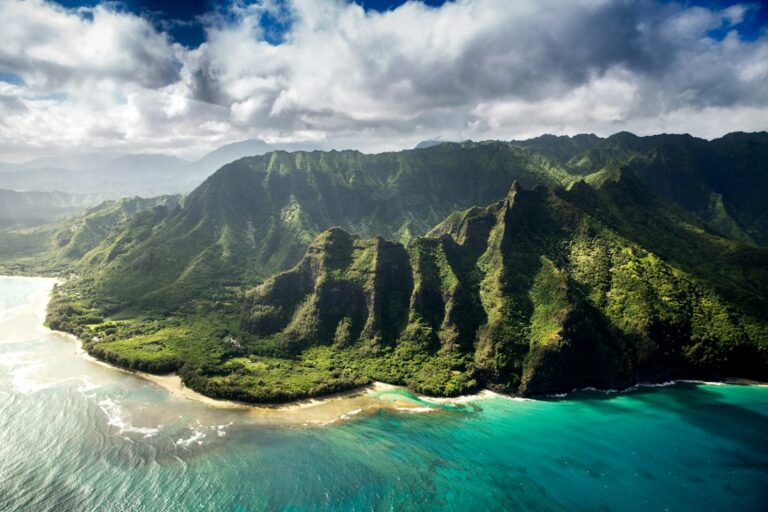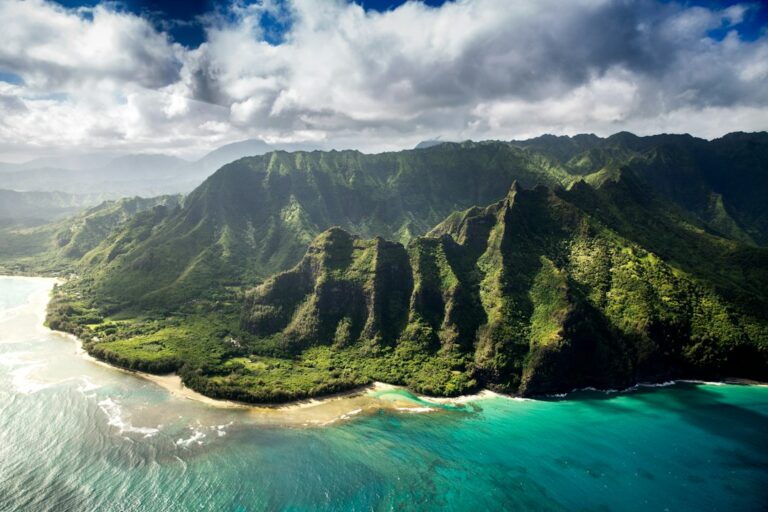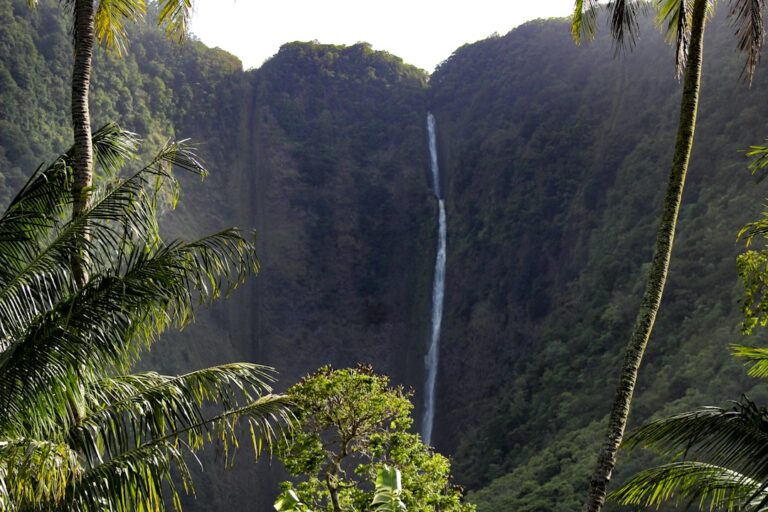
Hawaii Volcanoes National Park (HVNP) sits on the southeast flank of the Big Island, and the single biggest factor in how a visit unfolds is where the day begins. A base in Hilo puts the entrance gate about 45 minutes away on Highway 11; a base in Kona pushes that number to 2 to 2.5 hours through Kaʻū coffee country. That gap changes what a reasonable itinerary can hold.
The park charges $30 per private vehicle for a 7-day pass, opens 24 hours a day, and covers 335,259 acres from summit caldera to sea. Kīlauea’s active summit vents have drawn night-time crowds to Halemaʻumaʻu overlooks whenever eruptive episodes light the crater floor, with recorded activity dating back to observations kept since the park was established in 1916.
This comparison walks through drive routes, the Crater Rim Drive corridor, the 38-mile round-trip on Chain of Craters Road, after-dark viewing at Halemaʻumaʻu, entrance logistics, packing, rental-car choices, and how to think about lodging placement for a first-time volcano day.
Kona vs Hilo at a Glance
The core tradeoff is windward vs leeward positioning. Hilo sits on the wet, eastern side of the Big Island—about 130 inches of rain annually—but is a short 30-mile drive southwest to the park boundary on Highway 11. Kona sits on the dry, sunny leeward coast, roughly 96 miles from the entrance station, with the drive climbing over the Kaʻū volcanic saddle in either direction.
Hilo trades weather (frequent rain, cloud, mist) for proximity and often lower nightly lodging rates. Kona trades a longer drive and higher fuel burn for reliable sunshine, better swimming beaches, and easier access to the west-side attractions many first-timers also want to sample, from Kealakekua Bay snorkeling to the manta ray night dive at Keauhou.
| Factor | Kona Base | Hilo Base |
|---|---|---|
| Drive to park entrance | 96 mi / 2–2.5 hrs | 30 mi / 45 min |
| Round-trip fuel (25 mpg) | ~7.6 gallons | ~2.4 gallons |
| Typical nightly lodging | $220–$450 | $140–$260 |
| Average annual rainfall | ~20 inches | ~130 inches |
| Nearest fuel to park | Nāʻālehu (23 mi) | Volcano Village (1 mi) |
| Total day out of car | 10–12 hours | 7–9 hours |
| After-dusk return time | 11 PM+ | Before 9 PM |
The Big Island holds roughly 200,000 residents according to Census QuickFacts, split unevenly between the two sides. Hilo is the county seat and larger of the two towns; Kona (Kailua-Kona) is the visitor-industry hub with more hotel inventory.
Driving Route From Kona (Highway 11 South)
The Kona route follows Highway 11 south through Kealakekua, Captain Cook, and Nāʻālehu—an old sugar town that hosts the southernmost bakery in the United States. From the Alii Drive area, the drive to the park entrance is roughly 96 miles. Expect 2 hours 15 minutes without stops and closer to 3 hours if the group pauses for coffee, malasadas, or the Punaluʻu black sand beach turnout.
Elevation climbs steadily through Kona coffee country before dropping into the wide, open lava plains of the Kaʻū district. The road is a two-lane highway with intermittent passing lanes; sunrise and late-afternoon glare both hit head-on, and cattle trucks slow the pace during morning hours.
A realistic Kona-based day trip runs roughly like this:
- Depart Kona: 6:30 AM (sunrise light, cooler cabin, faster traffic)
- Arrive Kīlauea Visitor Center: 8:45 AM–9:00 AM
- Peak park time: 9:00 AM to 6:00 PM (9 hours)
- Depart park after dusk viewing: 8:30 PM–9:00 PM
- Arrive back in Kona: 11:00 PM–11:30 PM
That schedule sees the caldera in daylight, catches sunset at Uēkahuna, waits out full darkness for the Halemaʻumaʻu glow, then drives 96 miles back through Kaʻū at night. Wildlife on the highway—especially feral goats and pigs south of Ocean View—is a real risk after 8 PM.
Alternate: Saddle Road (Daniel K. Inouye Highway)
Some drivers try Saddle Road (Route 200) between Kona and Hilo, then run Highway 11 south. It shaves miles but not always time: from Kona, Saddle Road plus Highway 11 south comes in near 2 hours 45 minutes, occasionally with fog above 5,500 feet. Most rental agreements now permit it. The Hawaii DOT maintains it as a fully paved state highway.
Driving Route From Hilo (Highway 11 South, Short Leg)
From downtown Hilo, the entrance station is roughly 30 miles and 45 minutes via Highway 11 south through Keaʻau, Kurtistown, Mountain View, and Glenwood. The route climbs from sea level to about 3,900 feet at the park boundary, with the last 10 miles winding through hāpuʻu ferns and ʻōhiʻa lehua forest.
Volcano Village, immediately outside the park, sits at mile marker 27. A base there cuts the drive to roughly 5 minutes but pushes lodging into a small vacation-rental market that books out during eruptive events. Hilo remains the flexible middle ground: real grocery stores, an international airport, and enough options that last-minute changes are workable.
The Hilo advantage compounds after dark. Once the caldera glow appears, a Kona-based visitor still faces a 2-hour drive home. A Hilo-based visitor is back at the hotel in under an hour, still able to eat dinner, shower, and stage for a second morning inside the park on the same 7-day pass.
Entrance Fees, Hours, and Park Basics
The entrance fee is $30 per private vehicle and covers 7 consecutive days, so a return the following morning costs nothing extra. Motorcycles are $25, and a walk-in or bicycle rate is $15 per person. Federal America the Beautiful annual passes ($80) and senior lifetime passes ($80) are honored at the gate.
The park is open 24 hours a day, every day of the year. The Kīlauea Visitor Center operates from 9 AM to 5 PM; the Volcano House hotel runs its own hours; and the Jaggar Museum overlook was permanently closed after the 2018 summit collapse, replaced by the Uēkahuna vista shortly north.
Cell service inside the park is spotty. AT&T tends to hold a weak signal near the Visitor Center; Verizon drops out along much of Chain of Craters Road. Download the official NPS Hawaii Volcanoes app and offline maps before leaving Kona or Hilo. Paper maps are handed out free at the entrance station.
| Item | Rate / Detail |
|---|---|
| Private vehicle (7-day) | $30 |
| Motorcycle (7-day) | $25 |
| Per person (bike/foot) | $15 |
| HVNP annual pass | $55 |
| America the Beautiful | $80 |
| Senior lifetime | $80 |
| Park hours | 24/7, year-round |
| Visitor Center hours | 9 AM – 5 PM |
| Free entry days (2026) | Jan 20, Apr 19, Aug 4, Sep 27, Nov 11 |
Crater Rim Drive Stops
Crater Rim Drive was once an 11-mile loop around Kīlauea’s summit caldera. The 2018 collapse permanently closed the southwest arc, so the current drivable segment runs from the entrance station west and north to Uēkahuna, then loops back through Volcano Village via Highway 11. The remaining stops still form the spine of any first visit.
Start at the Kīlauea Visitor Center to check the daily bulletin: current alert level, closed trails, and eruption viewing zones. Rangers post the previous night’s glow status by 9:30 AM, which shapes decisions about whether to plan a return after dark.
Key stops on the drivable Crater Rim corridor:
- Sulphur Banks Trail: 1.2-mile loop, 30 minutes, boardwalk over fumaroles
- Steaming Bluff overlook: 5-minute stop, dramatic rim vents
- Kīlauea Overlook: full caldera view, 10 minutes
- Uēkahuna: highest paved viewpoint at 4,090 feet, 20 minutes
- Volcano House lānai: no fee needed to walk through, 15 minutes
- Kīlauea Iki Overlook: staging for the 4-mile loop hike
- Nāhuku (Thurston Lava Tube): 500-foot walk through a lit tube
- Devastation Trail: 1-mile round trip through 1959 pumice fallout
A relaxed Crater Rim circuit—driving between stops and walking Sulphur Banks and Nāhuku—takes about 3.5 to 4 hours. Add the Kīlauea Iki crater floor loop and the total climbs to 6.5 hours, which forces a hard choice between the summit corridor and the Chain of Craters run.
Kīlauea Iki Crater Floor Loop
The Kīlauea Iki loop drops 400 feet from the overlook, crosses the solidified 1959 lava lake floor, and climbs back through rainforest. Total distance is 3.3 miles, moving time is roughly 2.5 hours for average pace, and the exposed floor section runs 5 to 10 degrees hotter than the rim. Sturdy shoes matter—the cindered surface eats trail runners in a single outing.
Chain of Craters Road End-to-End
Chain of Craters Road drops 3,700 feet in 19 miles from the summit region to the coast at Hōlei Sea Arch. The full round-trip is 38 miles of driving plus stops, and honest budgeting is 3 to 4 hours: 45 minutes down, 30 minutes at the arch, 45 minutes back up, and 60 to 90 minutes distributed across the pit crater turnouts and Puʻu Loa petroglyphs.
The Chain of Craters Road descent passes Puhimau, Koʻokoʻolau, and Puʻulena craters, then opens onto vast lava fields from the Maunaulu eruption (1969–1974). There are no services, no water, and no fuel anywhere along its length—the road literally ends where lava buried it in 2003.
The Hōlei Sea Arch, at road’s end, is a 90-foot basalt arch that surf continues to undercut; NPS has stopped allowing visitors right to the edge as slabs periodically calve into the ocean. The turnaround loop, restrooms, and a small ranger contact station sit at mile 19 of the road.
Bring water: 32 ounces per person for the round trip minimum, more if any group member intends to walk out to Puʻu Loa (1.4 miles round trip, exposed, no shade). See the rim-to-sea fuel plan for gas math—a full tank at Volcano Village before the descent is the safe move.
| Segment | Distance | Drive Time | Suggested Stop |
|---|---|---|---|
| Turnoff to Puhimau Crater | 1.5 mi | 4 min | 10 min |
| Puhimau to Maunaulu | 2.6 mi | 6 min | 15 min |
| Maunaulu to Kealakomo | 7.2 mi | 15 min | 10 min |
| Kealakomo to Puʻu Loa | 4.5 mi | 10 min | 45 min |
| Puʻu Loa to Hōlei Sea Arch | 3.2 mi | 7 min | 25 min |
| Sea Arch back to summit | 19 mi | 45 min | — |
Halemaʻumaʻu After Dark and Eruption Viewing
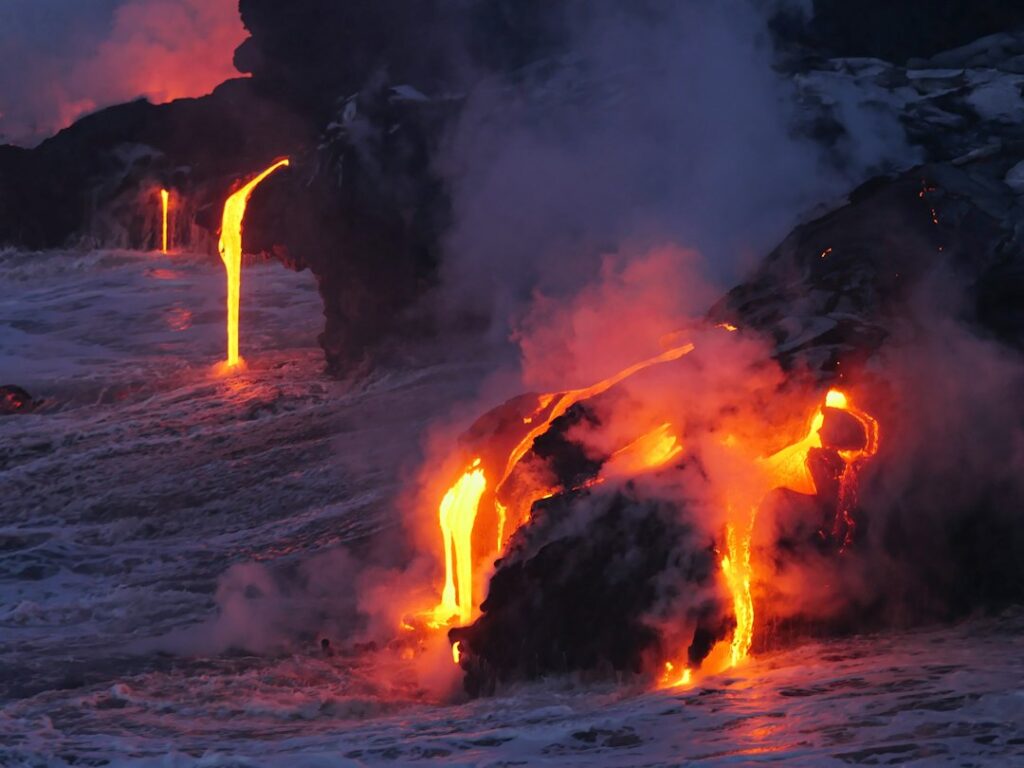
When Kīlauea is erupting inside Halemaʻumaʻu, the caldera glow is the reason most first-time visitors extend their day into the evening. Recent eruptive episodes (December 2020, September 2021, January 2023, and ongoing summit activity documented in the Honolulu Star-Advertiser) have all produced viewable lava lakes or fountaining episodes visible from designated rim overlooks.
Check the USGS HVO alert level page before committing to a night visit. When there is no active surface expression, the caldera is dark and the after-dark payoff is a starfield, not a lava glow. Overlook access shifts with wind direction and vog levels; rangers close viewpoints when SO2 drifts downwind.
Peak viewing windows are the hour before sunset (color contrast still visible) and full darkness roughly 45 minutes after sunset. In August 2026, sunset falls around 6:55 PM; expect full night by 7:40 PM. Arrive by 6:15 PM to secure a parking spot at Uēkahuna or Keanakākoʻi.
Practical logistics for the after-dark visit:
- Bring a red-lens headlamp; white light kills night vision for other viewers
- Temperature at 4,000 feet after sunset drops to 50–58°F, sometimes lower
- Wind at the rim runs 10–25 mph typical, gusting higher
- Rangers stationed at Uēkahuna and Keanakākoʻi during active glow
- No tripods on railings; hand-holding a phone is fine
- Restrooms at Uēkahuna are closed after dusk
The Halemaʻumaʻu caldera glow prospect shifts with each new eruptive phase, so the walking distance from parking to overlook can range from 200 yards to a 1-mile round trip depending on which viewpoint is currently open. Rangers may reroute crowds within a single evening as gas plumes shift.
What to Pack for a Volcano Day
The park spans 13,000 vertical feet from Halemaʻumaʻu rim (4,000 ft) to Mauna Loa summit (13,681 ft), and temperatures swing 25 to 30 degrees across a single visit. Kona-based visitors especially underpack—they leave a beach at 84°F and arrive at a rim at 62°F with sideways rain.
Non-negotiable items:
- Rain shell (waterproof, not water-resistant)
- Warm mid-layer: fleece or light puffy
- Closed-toe shoes with real tread (lava scree destroys sandals)
- Red-lens headlamp plus spare batteries
- 2 liters of water per person
- Snacks and a real meal (no in-park food service after 8 PM)
- Sun protection: SPF 30+, hat, sunglasses (lava reflects UV)
- Cash for park store and any gate fee overflow lane
- Printed map or downloaded NPS app (spotty cell service)
- Long pants for Kīlauea Iki hike (fresh cinder abrades skin)
Optional but recommended: a small daypack, N95 mask if any group member is asthma-prone (vog exposure), binoculars for caldera glow, and a paper towel to wipe rain from phone screens. Park stores at Volcano House and Kīlauea Visitor Center stock rain ponchos ($8 to $12) and headlamps ($22 to $35) but at markup.
Where to Stay Decision Framework
The lodging question comes down to how much of the Big Island a trip is trying to cover and how important the eruption glow is. A single-island trip focused on the volcano, snorkel spots at Kealakekua, and a manta ray night off Keauhou favors a Kona base. A trip that also wants Hilo waterfalls, Mauna Kea stargazing, and multiple park visits favors Hilo.
Three practical approaches:
- Full Kona base, one long HVNP day. Best for 5–7 day Big Island trips already anchored west.
- Split stay: 3 nights Kona, 3 nights Hilo. Best for first-timers wanting both coasts and a low-pressure volcano day.
- Volcano Village overnight: 1 night at a rainforest B&B, back to base the next day. Best when eruption glow is confirmed active.
Volcano Village lodging runs $180 to $340 per night for cabins and small inns, and books out fast when USGS declares active surface flow. A one-night pivot from Kona to Volcano and back is an extra 96 miles of driving but preserves the ability to visit the park at both dusk and dawn without a marathon day.
Statewide accommodation pricing has tracked the Honolulu-area inflation trend published in the BLS Honolulu CPI release, with volcano-adjacent rentals rising fastest during confirmed eruptive periods when demand spikes overnight.
How Split Stays Affect Logistics
A split stay typically involves picking up a rental at Kona International (KOA) and returning it at Hilo International (ITO)—or vice versa. Most major agencies allow inter-island one-ways on the Big Island without a drop fee, but confirm at booking. The two airports are 95 miles and 2 hours apart via Saddle Road.
Rental Car Considerations
A rental car is functionally mandatory for HVNP. There is no scheduled public transit to the park entrance from either Kona or Hilo, and rideshare drivers rarely accept 96-mile one-way trips out of Kaʻū. Standard sedans handle every paved road in the park; a 4WD is not required for Chain of Craters Road or Crater Rim Drive.
Fuel planning matters more than vehicle class. From Kona, the last reliable gas before the park is either Nāʻālehu (23 miles from the entrance) or the tiny Ocean View pumps (33 miles out). From Hilo, top off at Keaʻau or in Volcano Village itself—the Volcano station charges roughly $0.60 to $0.90 more per gallon than Hilo but is the last stop before Chain of Craters Road.
Statewide gasoline pricing runs materially above the mainland average; the EIA weekly retail fuel report tracks Hawaii separately from the West Coast. Budget $4.75 to $5.25 per gallon in Volcano Village during 2026.
| Consideration | Kona Base | Hilo Base |
|---|---|---|
| Airport | Kona Intl (KOA) | Hilo Intl (ITO) |
| Daily rental (economy) | $52–$85 | $45–$72 |
| Round-trip fuel to park | ~$38 | ~$12 |
| Total miles for one park day | ~200 | ~65 |
| 4WD needed? | No | No |
| Saddle Road allowed? | Usually yes | N/A |
Compared to other Hawaii self-drive days, the volcano trip is a beast in raw seat time. The Oahu full-loop drive is 110 miles and takes 5–6 hours, while the Road to Hana self-drive covers 64 miles one way with hundreds of curves. HVNP from Kona sits above both in total time behind the wheel.
Sample Itineraries
Kona Base — Single Long Day
The Kona-base day is a marathon. It requires early departure, sustained caffeine, and a designated driver willing to run Highway 11 south at 10 PM. Groups with two adult drivers should trade the wheel at the park to keep the return leg sharp.
Sample sequence:
- 6:15 AM depart Kona (gas topped in Kailua)
- 7:40 AM Punaluʻu black sand beach stop, 20 minutes
- 9:00 AM Kīlauea Visitor Center, bulletin check
- 9:30 AM–12:30 PM Crater Rim: Sulphur Banks, Uēkahuna, Nāhuku
- 12:45 PM Volcano House lunch (reserve ahead)
- 2:00 PM–5:30 PM Chain of Craters Road round trip
- 6:00 PM–7:00 PM Dinner in Volcano Village
- 7:15 PM Halemaʻumaʻu after-dark overlook
- 8:45 PM depart park for Kona
- 11:00 PM arrive Kona lodging
Hilo Base — Relaxed Two-Half-Day Split
Hilo’s proximity permits splitting the park across two visits without doubling drive time. A first afternoon covers Crater Rim; a second visit runs Chain of Craters and returns for the caldera glow. The 7-day vehicle pass covers both, so there is no repeat entry fee.
Sample sequence:
- Day 1: 1:00 PM depart Hilo, 1:45 PM Visitor Center, Crater Rim Drive, dinner in Volcano Village, 7:15 PM Halemaʻumaʻu glow, 9:00 PM back at Hilo lodging
- Day 2 (optional): 7:30 AM depart Hilo, 8:15 AM Chain of Craters descent, Puʻu Loa petroglyphs, Hōlei Sea Arch, back in Hilo by 2:00 PM
Big Island drivers should also review Hawaii driving conventions before running Kaʻū at night: right-of-way etiquette, the shaka wave, no-honking norms, and the reality that many locals drive well below posted limits on Highway 11.
Timing by Season and Month
The park is a year-round destination, but each month brings different tradeoffs. Summer (June–August) delivers the driest weather but heaviest crowds; winter (December–February) brings shorter days and higher rainfall but thinner traffic and better lodging pricing. Spring shoulder months (March, April, May) balance both.
For May specifically, see the Hawaii in May basing guide. Sunset times shift substantially: December sunset around 5:50 PM means an after-dark visit ends by 7:30 PM; June sunset at 7:10 PM pushes the glow window past 8:30 PM and lengthens the return drive.
Rainfall data puts Volcano Village at roughly 100 inches per year, concentrated in November through March. A rain shell is essential year-round, but October through April especially. Air quality data from the Hawaii Department of Health monitors tracks SO2 and vog levels—useful for asthma-prone travelers checking conditions before departure.
| Month | Avg Rain (Volcano) | Sunset | Lodging Load |
|---|---|---|---|
| January | 10.2 in | 6:00 PM | High |
| March | 9.8 in | 6:35 PM | Medium |
| May | 6.1 in | 6:55 PM | Low |
| July | 7.4 in | 7:15 PM | High |
| September | 5.9 in | 6:35 PM | Medium |
| November | 11.6 in | 5:50 PM | Medium |
Safety, Vog, and Trail Etiquette
Volcanic gases—primarily sulfur dioxide (SO2)—can concentrate downwind of Halemaʻumaʻu vents. NPS closes overlooks when SO2 exceeds safe levels, and travelers with respiratory conditions should check the daily air quality bulletin. Hourly monitor data is publicly posted, and news outlets like Hawaii News Now report significant plume shifts to the general audience within hours.
Trail hazards beyond the obvious lava include earth cracks (some 100+ feet deep and hidden by ferns), fumaroles that dump steam without warning, and cliff edges where the caldera rim continues to slump. Stay on marked trails. Every year, rangers respond to falls at unofficial photo spots along the rim and along Chain of Craters overlooks.
Cultural etiquette matters. Ahu (rock cairns) at Puʻu Loa mark ceremonial sites; do not stack new ones or move existing rocks. Do not take lava or sand—not for legal reasons but for cultural ones. Native Hawaiian cultural practitioners still perform ceremonies at rim overlooks; give them space and quiet.
Frequently asked questions
Can you visit HVNP without a rental car?
Not practically. No scheduled public bus runs from Kona or Hilo to the park entrance, and rideshare pickups from Kaʻū are unreliable. Bus-based day tours from Kona and Hilo do exist and range $180–$260 per person, but they cannot linger for the after-dark caldera glow. A rental car with a full tank remains the standard approach.
Is one day enough at Hawaii Volcanoes National Park?
One day covers Crater Rim highlights, Chain of Craters end-to-end, and one after-dark viewing—about 10 hours inside the park. Two days permits adding the Kīlauea Iki floor hike, the Puʻu Loa petroglyph walk, and a second glow visit. The $30 vehicle pass covers seven days, so a return morning is essentially free after the first entry.
What is the best time to see the Kilauea glow?
Full darkness 45 to 60 minutes after sunset delivers the strongest contrast. Arrival at Uēkahuna or Keanakākoʻi overlooks by 15 minutes before sunset secures a parking spot. Cloud cover matters as much as darkness—clear or partly cloudy nights show the reflection best. Check the USGS HVO daily report to confirm active surface expression before committing.
Are there guided tours from Kona?
Yes. Multiple operators run 10–13 hour bus and small-van tours from Kona for $180–$270 per person, typically covering Punaluʻu beach, Volcano Village lunch, Crater Rim highlights, and a stop at Nāhuku. Most turn back before dusk, so eruption viewing is not usually included. Self-drive remains the only option for a full after-dark experience.
Can I sleep inside the park?
Volcano House hotel operates 33 rooms on the caldera rim at $340–$480 per night, and the Namakanipaio and Kulanaokuaiki campgrounds offer $15–$40 tent sites. All book out during active eruptive phases. Volcano Village vacation rentals, one mile outside the boundary, provide the largest inventory at $180–$340 nightly and are the more realistic fallback for most travelers.
Is Chain of Craters Road safe in a small sedan?
Yes. The road is fully paved, well-graded, and drops 3,700 feet over 19 miles with no unpaved sections. Rental compacts and midsize sedans handle it without difficulty. The real hazards are running low on fuel (no services), missing the last restroom (Kīlauea Visitor Center), and getting caught after dark on the ascent when the road is unlit.
How do I know if Kilauea is currently erupting?
Check the USGS Hawaiian Volcano Observatory alert level page each morning. It publishes a current activity summary, alert level (Normal, Advisory, Watch, Warning), and specifies where surface expression is visible. Local news outlets report significant eruptive changes within hours. Park rangers post the previous night’s viewing status at the Visitor Center by 9:30 AM each day.
What if it is pouring rain the day I visit?
Rain is common—Volcano Village averages 100 inches annually. A waterproof shell and a plan to shift indoor stops (Volcano House lānai, Visitor Center exhibits, Nāhuku lava tube) forward keeps the day workable. Chain of Craters Road runs below cloud level and is often dry when the summit is soaked. Caldera glow visibility drops sharply in heavy rain but returns once the front passes.