The August 2023 Lahaina wildfire was the deadliest U.S. wildfire in over a century. According to the Honolulu Civil Beat ongoing investigation, the fire killed 102 people and destroyed roughly 2,200 structures, including the entire historic Front Street commercial district. Lahaina in 2026 is a town in active recovery. Visitors planning a trip should understand what is open, what is closed, what is sacred, and how respectful visitor spending supports the community. The list below covers Lahaina-area activities verified as currently operating, with a clear note on each about what changed after the fire.
What is open and what is closed in Lahaina in 2026
The Lahaina historic district remains largely closed to non-residents. According to Hawaii Tourism Authority guidance, the residential and historical core of Lahaina town is still off-limits for visitor access through ongoing recovery work. The areas immediately north of Lahaina — Kaanapali, Honokowai, Napili, and Kapalua — were unaffected by the fire and are fully operational. Activities below are concentrated in those nearby zones, plus the limited reopened areas of Lahaina itself.
The 10 best things to do in the Lahaina area in 2026
This list reflects current operating status as of mid-2026 based on Hawaii Tourism Authority guidance, county announcements, and operator websites. Visitors are asked to avoid the burn zone, stay out of closed neighborhoods, and treat the area with the respect due a recovery zone.
- Snorkel at Black Rock (Pu’u Keka’a), Kaanapali — Free public beach access. The state’s most-photographed snorkel spot, 3 miles north of Lahaina.
- Kaanapali Beach — Free. 3-mile crescent of soft sand running the resort coast; consistently rated among the top beaches in the United States.
- Maui Ocean Center, Maalaea — $42 adult, $32 child. The largest tropical reef aquarium in the Western Hemisphere, 25 minutes south of Lahaina.
- Honolua Bay snorkel — Free. A marine life conservation district 8 miles north of Lahaina. Best in summer when surf is small.
- Whale watching from Lahaina Harbor — $50 to $90 per adult during the December through April humpback whale season.
- Iao Valley State Monument — $5 per non-resident, plus $10 per vehicle. Located in Wailuku, 30 minutes inland from Lahaina. Home to the Iao Needle.
- Old Lahaina Luau — $185 to $215 adult. The luau reopened in 2024 with proceeds supporting fire recovery; widely considered the most authentic Hawaiian luau on Maui.
- Kapalua Coastal Trail — Free. A 1.76-mile cliffside walk between Kapalua Bay and DT Fleming Beach, 10 miles north of Lahaina.
- Lahaina Banyan Tree visit — Free. The 152-year-old tree at the courthouse square survived the fire and continues to leaf out. Public viewing access has been restored.
- The Road to Hana day trip — Free if self-driving. A full-day commitment; most visitors leave from Lahaina by 7:00 am to reach Hana by noon.
The Lahaina Banyan Tree: a recovery symbol
The Lahaina Banyan Tree, planted on April 24, 1873 to mark the 50th anniversary of the first Christian mission, is the largest banyan in the United States and one of the largest in the world. The tree covers 1.94 acres with a canopy of 16 major trunks. According to Hawaii News Now reporting on the recovery, the tree was severely burned in the August 2023 fire — arborists feared total loss.
By spring 2024, new shoots appeared. By 2025, full canopy had returned on multiple branches. As of 2026, the tree is the most-visited surviving landmark in the historic district. Public visitor access to the courthouse square has been restored under restricted hours. Visitors are asked to view the tree from designated perimeter paths and avoid touching the bark, which remains fragile.
The tree is the practical reason most visitors include Lahaina on a Maui itinerary in 2026: it is a living symbol of survival and active recovery, and the funds spent at vendors near the perimeter directly support local livelihoods. The Honolulu Star-Advertiser reports that visitor traffic to the Banyan Tree alone generates roughly $4 million per month for surrounding businesses.
What does a respectful Lahaina-area day cost?
A budget day in the Lahaina area runs $40 to $80 per person. The mix is free beach access at Kaanapali or Black Rock, a plate-lunch meal at one of the reopened cafes ($15 to $20), and an afternoon at Honolua Bay. The Old Lahaina Luau ($185 to $215) is the largest single line item; the operator donates a portion of every ticket to fire recovery.
Whale watching from Lahaina Harbor runs $50 to $90 per adult during the December through April season, with discounts for morning departures. Most operators continue to depart from the harbor — the dock itself was largely undamaged in the fire. Per NOAA Marine Sanctuary guidance, vessels must remain 100 yards from humpback whales; sightings are typically guaranteed by operators between mid-December and late March.
Beach activities in the Lahaina area
The west Maui coastline north of Lahaina remains among the best in Hawaii for beach activities, and most beaches sit within 3 to 10 miles of the historic district. None of these beaches were damaged in the 2023 fire; they were closed briefly after the disaster and have been fully operational since late 2023.
- Kaanapali Beach — 3 miles long. Calmest water in the morning; afternoon trade winds pick up.
- Black Rock (Pu’u Keka’a) — North end of Kaanapali. The single best shore-access snorkel on Maui; tropical fish and occasional sea turtles within 20 feet of the rock.
- Napili Bay — 7 miles north of Lahaina. Crescent-shaped, calmer than Kaanapali, smaller crowds.
- Kapalua Bay — 10 miles north. Once voted the #1 beach in America by Dr. Beach. Excellent snorkel reef on the south side.
- DT Fleming Beach Park — Boogie boarding when surf permits; lifeguarded on weekends.
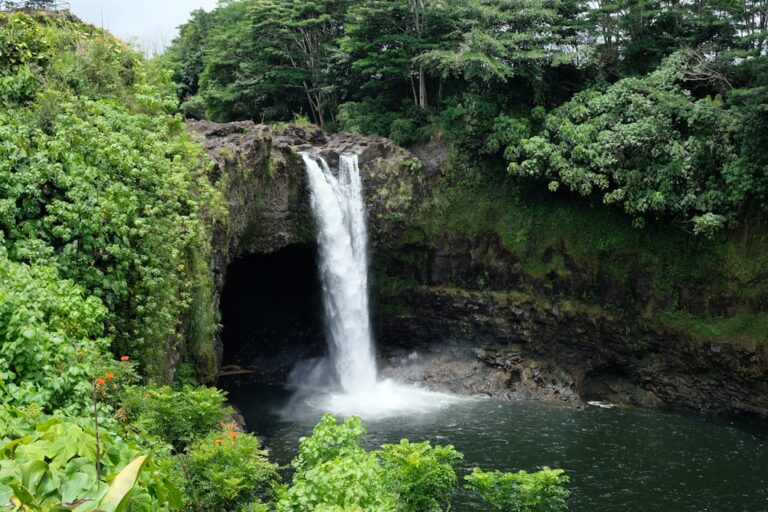
- Honolua Bay — Marine life conservation district. Summer-best snorkel; winter brings world-class surf and the bay closes to swimmers.
The reef condition at all west Maui beaches has improved since 2023 as the state expanded the marine life conservation district enforcement. According to Hawaii Division of Aquatic Resources survey data, coral cover at Honolua Bay rose from 28% in 2019 to 36% in 2025.
Whale watching from Lahaina Harbor
The waters between Maui, Lanai, and Molokai constitute the Au’au Channel — the most concentrated humpback whale habitat in the U.S. Pacific. According to NOAA’s Hawaiian Islands Humpback Whale National Marine Sanctuary, an estimated 10,000 humpbacks migrate to Hawaiian waters between December and April, with peak density in February.
Whale-watching boats depart Lahaina Harbor on 2-hour and half-day trips. Costs run $50 to $90 per adult depending on operator, time of day, and whether food is included. Sightings during peak season (January through March) are reported by operators at 95% or higher. Operators include Pacific Whale Foundation, which contributes ticket revenue to whale research; this is the operator most commonly recommended by Maui environmental nonprofits.
Free things to do near Lahaina
The most rewarding free activities in the Lahaina area are beach-based and trail-based. Black Rock at the north end of Kaanapali Beach offers the best snorkel-from-shore experience on the island at no cost. Sunset from Kaanapali — particularly the nightly cliff-diving ceremony at Black Rock, performed at sunset by Sheraton staff and rooted in 1500s Hawaiian history — is free to watch from the public beach.
The Kapalua Coastal Trail (1.76 miles, mostly flat) runs between Kapalua Bay and DT Fleming Beach with consistent ocean views. The Lahaina Pali Trail, an old historic 5-mile route from Maalaea to Lahaina, remains open but is exposed and hot — early morning is the standard recommendation. Per the Hawaii Tourism Authority trail data, the coastal trail draws around 200,000 walkers annually.
How to support Lahaina’s recovery as a visitor
Hawaii Tourism Authority, the Maui County government, and local nonprofits have published consistent guidance on respectful visitor behavior. Spending money at locally owned west Maui businesses — restaurants, shops, tour operators in Honokowai, Napili, and Kapalua — directly supports residents who lost homes or jobs in the fire. Avoiding the burn zone, observing all closure signs, and refraining from photographs of damaged sites is the consistent ask from the community.
The Maui Strong Fund, administered by the Hawaii Community Foundation, has distributed over $200 million in recovery aid since August 2023, per Hawaii News Now reporting. Direct donations remain the highest-leverage support, but respectful tourism is the next most-cited form of contribution.
Food and dining: reopened west Maui spots
The Lahaina restaurant scene is partially rebuilt. Honu, Mala Ocean Tavern, and Star Noodle (which reopened in a temporary location after the fire destroyed the original) are operating north of the burn zone. Plate-lunch options at Aloha Mixed Plate (reopened 2024) and the food trucks on the bypass road serve traditional Hawaiian and local food for $14 to $20 per person.
For sit-down dining under $50 per person, Leoda’s Kitchen and Pie Shop (on the south end of Lahaina, undamaged) and the Plantation House at Kapalua are widely recommended. Old Lahaina Luau, the most authentic luau on Maui according to the Hawaii Tourism Authority, returned in 2024 with a portion of every ticket going to fire recovery.
Family-friendly activities
The Maui Ocean Center in Maalaea (25 minutes south of Lahaina) is the most family-rated west Maui activity. The 5-acre facility includes a 750,000-gallon open ocean exhibit with reef sharks and rays. Admission runs $42 adult, $32 child, and most visits last 2 to 3 hours.
Kaanapali Beach in front of the Sheraton offers the calmest swimming for young children. The Whaler’s Village shopping center on Kaanapali has a free 1-acre cultural area with weekly hula performances. The Kaanapali Beach Hotel runs a free daily Hawaiian cultural program covering lei-making, ukulele lessons, and storytelling — open to non-guests.
Frequently asked questions
Can you visit Lahaina in 2026?
Yes, but with restrictions. The historic Front Street district remains closed to non-residents, while the surrounding areas — Kaanapali, Honokowai, Napili, Kapalua — are fully open and operating normally. The Banyan Tree at the courthouse square has been reopened to limited visitor access. Visitors are asked to respect closure signs and avoid the burn zone.
Is it disrespectful to visit Maui after the fire?
No. Hawaii Tourism Authority, the Maui Mayor’s office, and local business owners have repeatedly asked visitors to return. The west Maui economy lost an estimated $4 billion in tourism revenue between August 2023 and the end of 2024. Respectful spending at locally owned businesses is among the most direct forms of recovery support.
What is open at the Lahaina Banyan Tree?
The Banyan Tree, the historic courthouse square, and a small perimeter walking area are accessible during daylight hours. The tree survived the August 2023 fire and has regrown extensive canopy. Visitors are asked to remain on designated paths, avoid touching the bark, and refrain from photographing the surrounding damage.
Is Kaanapali Beach open in 2026?
Yes. Kaanapali Beach was not affected by the fire and has been fully operational since late 2023. The 3-mile beach, the Kaanapali Beach Walk, and all major resorts (Sheraton, Hyatt Regency, Marriott, Westin) operate normally. Black Rock at the north end remains the most-visited snorkel site on Maui.
How many days do you need in west Maui?
Three to four days covers the core experience. One day for Kaanapali Beach and Black Rock snorkel, one for Honolua Bay or a whale-watching tour (in season), and one for either the Road to Hana or Haleakala. Visitors staying longer typically add a Lanai ferry day trip from Lahaina Harbor.
When is the best month to visit Lahaina?
February delivers the strongest mix of calm water, peak humpback whale activity, and lower hotel rates than the December and March holiday peaks. April through September offers the best Honolua Bay snorkel conditions. November and early December provide the cheapest hotel rates outside the holiday surge.
Putting together a west Maui itinerary
A respectful 4-day west Maui itinerary opens with a Kaanapali Beach day including Black Rock snorkel and the sunset cliff-diving ceremony. Day 2 covers a whale watching tour from Lahaina Harbor (winter) or a Honolua Bay snorkel trip (summer), followed by a visit to the Banyan Tree and dinner at Old Lahaina Luau. Day 3 is the Road to Hana — leaving from Lahaina by 7:00 am. Day 4 covers Kapalua Coastal Trail and the Maui Ocean Center.
For 5+ days, add a Lanai day trip via the Expeditions Lahaina-Lanai ferry (45-minute crossing, $30 each way per the operator) and a Haleakala sunrise (requires National Park Service reservation 60 days in advance, $1 reservation fee). Per Civil Beat reporting on west Maui visitor flows, weekday Honolua Bay visits avoid the worst congestion that builds on weekends.