Hilo is the rainiest city in the United States. Its 126 inches of average annual rainfall, per NOAA’s National Weather Service Honolulu, has shaped the town into a lush, low-traffic, locally-owned alternative to the resort coast 90 minutes west. For visitors willing to pack a rain shell, Hilo offers cheaper food, larger waterfalls, easier volcano access, and a working farmer’s market that puts Waikiki’s tourist version to shame. The list below ranks Hilo’s activities by visitor demand and editorial verification of current operating status in 2026.
The 10 best things to do in Hilo in 2026
This ranked list is built from current Hawaii State Parks and National Park Service data, operator websites, and a sweep of 2025 visitor reviews. Hilo’s activity mix tilts toward outdoors and culture rather than beach lounging — the Hilo coastline is largely cliff or rocky shore, with the main swimming beach (Richardson) on the outskirts.
- Hawaii Volcanoes National Park (Kīlauea) — $30 per vehicle for 7 days. Entrance is 45 minutes south of Hilo. The most-visited site on the Big Island.
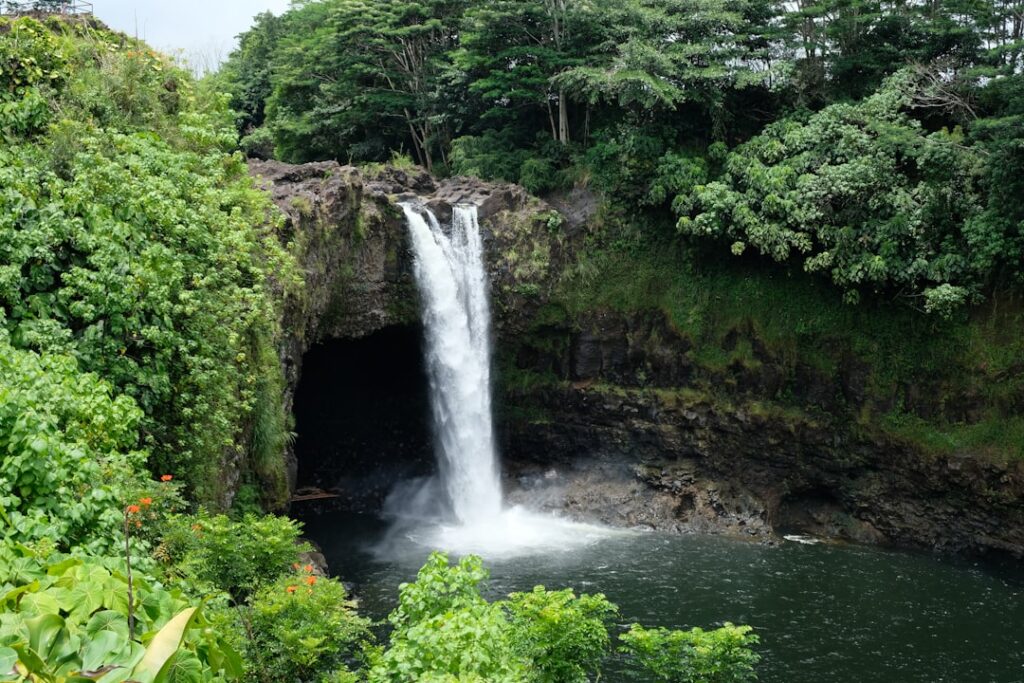
- Rainbow Falls (Waiānuenue State Park) — Free. An 80-foot waterfall a 5-minute drive from downtown Hilo. Best viewed before 10:00 am for the rainbow effect.
- Akaka Falls State Park — $5 per non-resident, plus $10 per vehicle. A 442-foot waterfall on a 0.4-mile loop trail north of Hilo.
- Hilo Farmers Market — Free entry. Wednesday and Saturday at Kamehameha and Mamo Streets. Over 200 vendors during peak season.
- ʻImiloa Astronomy Center — $19 adult, $12 child. Connects Mauna Kea astronomy with Hawaiian wayfinding tradition.
- Pana’ewa Rainforest Zoo and Gardens — Free. The only natural tropical rainforest zoo in the United States.
- Liliuokalani Park and Gardens — Free. A 30-acre Japanese-style park dating to 1917, the largest authentic Japanese garden outside Japan.
- Banyan Drive — Free. A 0.7-mile road lined with 50 banyan trees, each planted by a famous American visitor including Babe Ruth and Amelia Earhart.
- Pacific Tsunami Museum — $15 adult. Tells the history of the 1946 and 1960 tsunamis that destroyed downtown Hilo.
- Mauna Kea summit and stargazing — Free at the Visitor Information Station (9,200 feet). 4WD required for summit. Closed to all but Native Hawaiian cultural practitioners as of certain 2026 management changes — verify current access before driving up.
Volcanoes National Park: why Hilo beats Kona as a base
Hawaii Volcanoes National Park draws 1.3 million visitors annually, per the National Park Service, and Hilo is the obvious base for visiting. The park entrance is 45 minutes from downtown Hilo on Highway 11, compared to 2.5 hours from Kona. Hilo-based visitors can be at the Kilauea caldera by 8:00 am and back home for lunch.
The park admission fee is $30 per vehicle, valid for 7 days, with Hawaii residents entering free on the second Saturday of each month. The headline experience is the Kilauea caldera rim drive, the Thurston Lava Tube, and — when activity permits — the glow of active eruption from the Jaggar Museum overlook. Eruption status is published in real-time on the USGS Hawaiian Volcano Observatory page; visitors should check before planning a sunset visit.
Chain of Craters Road runs 19 miles from the caldera to where the road meets the lava-buried coast. The drive takes 90 minutes round-trip and passes the Holei Sea Arch and several pullouts for petroglyphs and lava tubes.
What does a day in Hilo cost?
A budget day in Hilo runs $40 to $60 per person, including breakfast at a local cafe ($12), a free waterfall hike at Rainbow Falls, lunch at Suisan Fish Market ($16 for a poke bowl), and an Akaka Falls afternoon ($5 admission plus $10 parking). The Hilo Farmers Market on Wednesday and Saturday provides fruit, baked goods, and prepared food for under $20 per person.
A mid-range day with the National Park included runs $80 to $120 per person plus the $30-per-vehicle Volcanoes fee. Hotel rates in Hilo average $180 to $250 per night for a basic ocean-facing room — about 40% cheaper than equivalent Kona-side properties, per Honolulu Star-Advertiser visitor market reports.
Waterfalls within 30 minutes of downtown
Hilo’s high rainfall produces more waterfalls than any other Hawaiian town. The top three are walkable or driveable from downtown in under 30 minutes.
- Rainbow Falls — 80 feet tall, accessible by a 5-minute paved walk from the parking area. Best light is between 8:00 am and 10:00 am when the sun creates the rainbow.
- Boiling Pots — Free. A short walk upstream from Rainbow Falls; a series of cascading pools that boil during heavy rain.
- Akaka Falls — 442 feet, the tallest accessible waterfall in Hawaii. 0.4-mile loop with steady stairs; 11 miles north of Hilo on Highway 19.
- Wailuku River State Park — Free, includes Rainbow Falls and Pe’epe’e Falls. The closest to downtown.
- Umauma Falls — Private property, $15 admission. 25 minutes north; a 3-tier waterfall on a 4-mile zipline course.
Heavy rain swells the falls dramatically; NOAA flash flood warnings are common between November and April, and the state parks close access during high-water events. Checking the NWS forecast 24 hours before a waterfall trip is the standard local practice.
Free things to do in Hilo
Hilo runs more free attractions than any other Hawaii town. The Pana’ewa Rainforest Zoo (the only natural rainforest zoo in the United States) charges no admission and houses 80 species across 12 acres. The Liliuokalani Gardens at Banyan Drive cover 30 acres of Japanese-style ponds, bridges, and pagodas. Walking Banyan Drive itself is free; each tree carries a small plaque with the name and date of the person who planted it.
The Hilo Farmers Market entry is free, and visitors can graze samples and small portions across 200+ vendors. The downtown Hilo art walk on the first Friday of each month is free, with galleries open until 9:00 pm. Coconut Island, accessible by a footbridge from Liliuokalani Park, is a free swimming and picnic spot favored by locals.
Cultural and historic sites
Hilo’s modern history is largely defined by two tsunamis: the 1946 Aleutian event that killed 159 people and the 1960 Chilean event that killed 61. The Pacific Tsunami Museum on Kamehameha Avenue tells both stories with survivor testimony and original photos. Admission is $15 adult, $8 child, and the museum is open Tuesday through Saturday.
The Lyman Museum (founded 1931) houses the largest mineral collection in the state outside Honolulu, plus an extensive Pacific cultural collection. The adjacent Lyman Mission House is the oldest wooden building on the Big Island, built in 1839. According to Hawaii News Now visitor surveys, the Lyman Mission House regularly ranks as the most informative single-room exhibit in East Hawaii.
The ʻImiloa Astronomy Center, on the University of Hawaii Hilo campus, runs a planetarium plus exhibits connecting Mauna Kea’s 13 observatories to traditional Hawaiian wayfinding. Admission is $19 adult, with discounts for residents.
Food and dining: where Hilo beats Kona on value
Hilo’s food scene tilts toward local rather than tourist. The most reliable plate-lunch options are Cafe 100 (home of the loco moco, $11), Two Ladies Kitchen (mochi, $1.25 to $3 per piece), and Ken’s House of Pancakes (open 24 hours, $14 to $20 entrees). Fish-market poke bowls at Suisan run $14 to $18 and are considered by locals to outperform anything on the Kona side.
For sit-down dining under $40 per person, Pineapples Restaurant on Keawe Street and Hilo Bay Cafe both receive consistent strong reviews. The Hilo Bay Cafe in particular pulls fresh fish daily from boats arriving at Suisan dock.
Family-friendly activities for kids under 12
The Pana’ewa Rainforest Zoo is free, covers 12 acres in 60 to 90 minutes, and holds white Bengal tigers, a Sumatran tiger, and a large rainforest plant collection. Coconut Island has calm protected swimming, picnic tables, and an easy walk for small kids. The ʻImiloa Astronomy Center planetarium runs a kid-targeted show daily.
Richardson Black Sand Beach Park, 4 miles east of downtown, has the safest swimming on the Hilo side — protected by a reef and lifeguarded on weekends. The park has restrooms, picnic tables, and snorkeling rentals. Honoli’i Beach Park, 3 miles north, is a popular surf spot for older kids and teens.
Frequently asked questions
Is Hilo worth visiting in 2026?
Yes. Hilo is the closest base to Hawaii Volcanoes National Park, costs roughly 40% less than equivalent Kona-side stays, and offers more waterfalls, free attractions, and authentic local food than the resort coast. Visitors who don’t need beach lounging — or who can accept rain — get the most value here.
How many days do you need in Hilo?
Three days covers the highlights: one for Volcanoes National Park, one for waterfalls and downtown, and one for Mauna Kea or a longer Volcanoes return. Add a fourth day if including the Hamakua Coast scenic drive north toward Waipio Valley. Most visitors who base in Hilo also drive over to Kona for one half-day.
What is the best free thing to do in Hilo?
Rainbow Falls is the highest-rated free activity. The 80-foot waterfall sits 5 minutes from downtown and is accessible by paved walkway. Visiting between 8:00 am and 10:00 am produces the rainbow effect for which the falls are named. The Hilo Farmers Market on Wednesday and Saturday is a close second.
Can you do Hilo without a rental car?
Walking downtown is fine, but reaching the waterfalls, Volcanoes National Park, or even Richardson Beach requires a car or shuttle. Hele-On Bus, the county system, runs limited routes for $2 per ride. Most visitors rent a car for at least the Volcanoes day. Hilo Airport (ITO) has all major rental companies on-site.
When is the rainy season in Hilo?
Hilo’s rainy season runs November through April, but the city receives measurable rain in every month. According to NOAA’s National Weather Service, average rainfall peaks at 14 inches in November. Showers are typically short-duration, but flash-flood warnings during heavy events can close trails and roads with little notice.
Is Hilo or Kona better for first-time Big Island visitors?
For first-time visitors with 4 nights or fewer, Kona is the safer base for sun, snorkeling, and easy beach access. Hilo wins for 5+ night stays, visitors who want Volcanoes, value seekers, and travelers who prefer a working town over a resort coast. A 50/50 split between the two — 2 nights Kona, 2 nights Hilo — is also popular.
Putting together a Hilo itinerary
The strongest 3-day Hilo itinerary opens with a Volcanoes National Park full day — arrive by 9:00 am, drive Chain of Craters, and stay through sunset for the glow at the Jaggar Museum overlook. Day 2 covers Rainbow Falls, Akaka Falls, the Hilo Farmers Market (if Wednesday or Saturday), and the Pacific Tsunami Museum. Day 3 splits between the Lyman Museum, Liliuokalani Gardens, and either Richardson Beach or a Mauna Kea visitor center sunset.
For 5+ nights, add a Hamakua Coast scenic drive (Waipio Valley overlook, Onomea Bay, the Hawaii Tropical Bioreserve and Garden) and a second Volcanoes return for whatever was missed. Visitors with a 4WD vehicle can attempt the Mauna Kea summit during open windows; most rental contracts forbid the summit road, so checking the rental agreement is the standard precaution per the Honolulu Civil Beat reporting on rental policy.