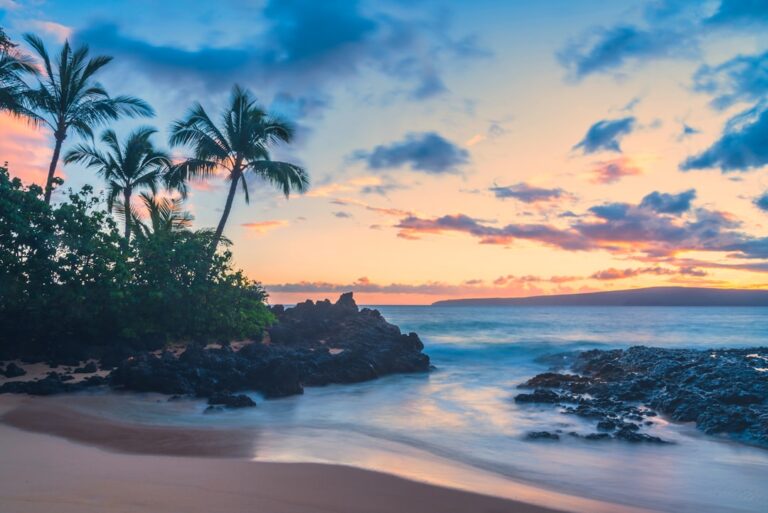
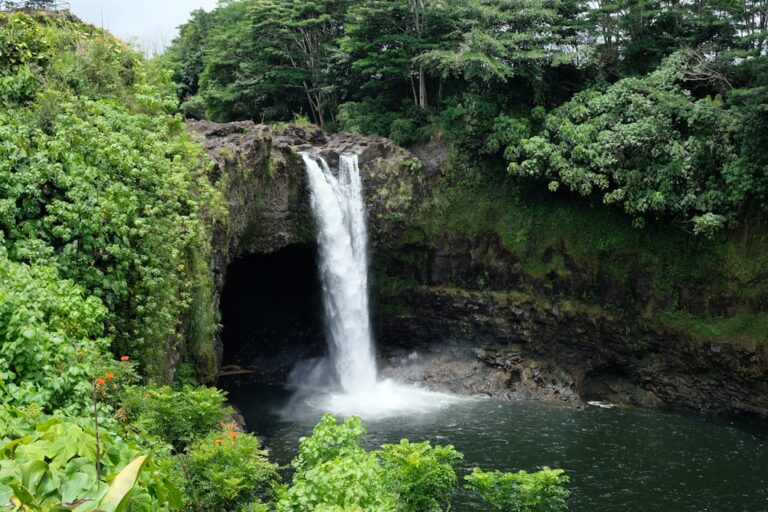
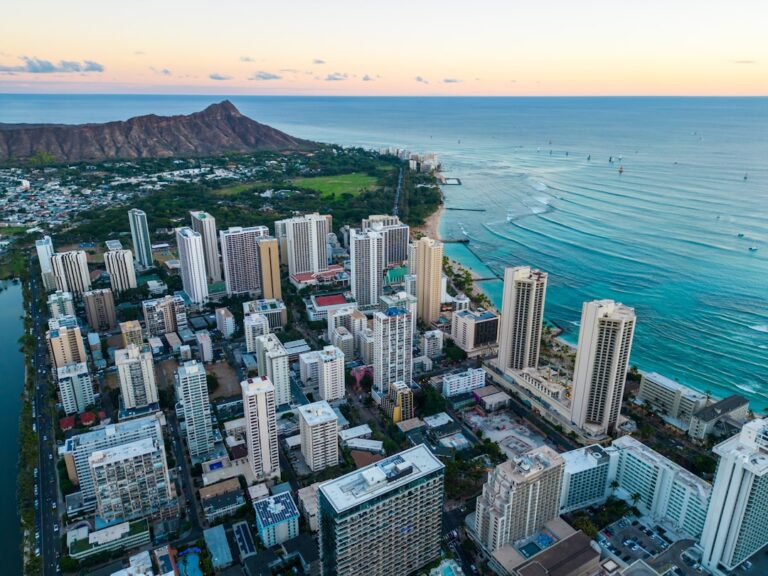
The short answer: late April through May, and the second half of September through October. Both windows hit Maui’s shoulder season — drier weather, calmer ocean, lighter crowds, and accommodation rates running 20–40% below peak. If you only have one week and you want everything (snorkeling, sunrise on Haleakalā, maybe a whale tail or two), aim for the first week of May or the first week of October.
The longer answer depends on what you came for. Maui is two different islands depending on the month: a placid summer playground from April to October, and a winter postcard — humpback whales offshore, north-shore surf breaks rolling, occasional storm bands — from November to March. This guide breaks down the best time to visit Maui by activity, by region, and by what you should budget to spend.
Planning a Maui trip in October 2026? October sits at the shoulder-season sweet spot this guide identifies as the best remaining value window of the year. Expect settled trade winds, 80°F water temperatures, some of the clearest Molokini Crater visibility of the year, and accommodation rates running 15–25% below the June–August peak. One booking action to take now: Haleākalā Sunrise reservations (required between 3 a.m. and 7 a.m.) sell out 60 days ahead — the window for late November and December slots is open now.
The Quick Verdict
- Best overall: Late April–May, second half of September through October.
- Best for beaches and snorkeling: May, June, September.
- Best for whale watching: January through early March.
- Best for surfers (advanced): November through February (north and west shore).
- Best for budget travelers: September, early October, and the first three weeks of December.
- Worst time: Christmas/New Year week and President’s Day weekend in February — prices spike 50–80% over shoulder season and traffic on the Honoapi’ilani Highway crawls.
Maui’s Two Seasons
Hawaii’s two-season climate is more pronounced on Maui than on Oahu because of the island’s volcanic geography. The 10,000-foot bulk of Haleakalā traps trade-wind clouds on the windward (north and east) sides and leaves the leeward (south and west) sides dry. That single fact drives almost every “when should I visit” decision.
- Summer (May–October): Trade winds steady, almost no rain on the resort coasts of Wailea/Kihei (south) and Lahaina/Kā’anapali (west), water temperatures climb into the low 80s, ocean glassy on most leeward mornings.
- Winter (November–April): Storm fronts roll through every 7–10 days bringing 1–3 day rain spells; north and west shore surf builds; humpbacks arrive en masse; trade winds occasionally drop, leaving humid still days called “Kona weather.”
For a deeper look at the rainfall pattern across all islands, see our breakdown of Hawaii’s rainy season — most of the wet weather hits between November and March, and Hana on Maui’s east side gets the lion’s share.
Best Time to Visit Maui by Activity
Snorkeling and Diving
Maui has the most consistent snorkeling water in the Hawaiian chain because the south and west shores are sheltered from the dominant north swells. April through October is ideal, with Molokini Crater visibility regularly hitting 100 feet on May and September mornings. Honolua Bay on the northwest coast is winter-only-when-flat — usually too rough November through March, then opens up in April. For a full month-by-month conditions chart across every island, see our best time to snorkel in Hawaii guide; for site-specific recommendations on Maui itself, see the 10 best snorkeling spots in Maui.
Whale Watching
Maui is the single best whale-watching destination in the United States. The Au’au Channel between Maui, Lana’i, and Moloka’i shelters thousands of humpbacks that migrate down from Alaska to give birth. Peak is mid-January through early March, with the largest whale counts in the first two weeks of February. The full migration window — first arrivals to last departures — runs from late October through early May. See our Hawaii whale season guide for the science behind the cycle and where to catch sightings from land at no cost.
Surfing
Maui’s north shore (Pa’ia, Ho’okipa) gets serious winter swell from November through February, peaking around the Pe’ahi “Jaws” big-wave window in January. South-shore breaks (Lahaina Reefs, Olowalu) work in the opposite season — small fun summer-swell waves from May through September. For beginners, the south side year-round and the west-side reefs in summer are the safest learning environment. See our broader breakdown of Hawaii’s surf season for the rest of the chain.
Haleakalā Sunrise
Year-round, but the trade-off is fog and clouds. The clearest summit mornings are April through October, when the trade-wind inversion sits well below the 10,000-foot crater rim. December and January are the riskiest — the inversion sometimes climbs above the summit and you’ll watch sunrise from inside a cloud. Reservations through the National Park Service are required for any sunrise visit between 3 a.m. and 7 a.m., and they sell out 60 days in advance.
Hiking and Waterfalls
The Road to Hana and the bamboo forests of Pīpīwai Trail are at their best in the two to three weeks after a major winter rain — peak waterfall flow. That means late January through April for serious waterfall photography, and May–June for the still-flowing-but-much-drier-trails compromise. The crater hikes on Haleakalā (Sliding Sands, Halemau’u) are best from April to October.
Best Time to Visit Maui by Region
West Maui (Lahaina, Kā’anapali, Kapalua)
Driest, warmest, and most expensive. Best visited April–May and September–October for the rate/weather sweet spot. Winter is still pleasant but expect heavier crowds during Christmas–New Year and President’s Day weekends. Note that downtown Lahaina is still rebuilding after the August 2023 fire. As of late August 2026—three years after the fire—the historic Front Street commercial core between Papelekane Street and Lahainaluna Road remains under active reconstruction. The rebuild is well underway: the official Maui Recovers dashboard (updated August 13, 2026) shows 562 building permits issued, 580 homes and units completed, and another 680 with permits in process. The Lahaina Small Boat Harbor is open for commercial ocean operations (since December 2025), and a number of restaurants—including Mala Ocean Tavern, Honu Oceanside, Aloha Mixed Plate, the Old Lahaina Lū’au, and several spots at the Lahaina Cannery Mall—have reopened. Most visitors based in West Maui in 2026 stay in Kā’anapali or Kapalua and drive south for activities. For a full rundown of what’s open, which areas remain restricted, and how to support local recovery, see our guide to visiting Maui after the Lahaina fire.
South Maui (Kihei, Wailea, Mākena)
The driest coast of the entire island and the safest weather bet year-round. Peak snorkeling May–October, peak whale-watching from shore January–March (you can watch humpbacks breach from your hotel lanai in Wailea without leaving the deck chair). For a sense of where locals live versus where the visitor industry concentrates, our best neighborhoods in Kihei guide breaks it down street by street.
Upcountry (Kula, Makawao, Pukalani)
The slopes of Haleakalā between 1,500 and 4,000 feet — cooler, greener, with lavender farms and ranch country. Best from May through October, when the morning fog burns off by 10 a.m. and afternoon highs stay in the 70s. Mornings in the 50s and 60s feel like a different state from the beach coasts 30 minutes downhill.
Hana and the East Coast
The Road to Hana is best in February through May, when waterfalls run hard but the road itself hasn’t been closed by storm damage. Skip Hana during major storm warnings — flash flooding and rockfall close the road for days at a time. The east side gets 4× the rainfall of the south and west coasts, so even “best months” mean expecting some rain.
Central Maui (Kahului, Wailuku)
Where most residents actually live. Less of a tourist destination and more of a logistics base — the airport is here, the Costco is here, the hospital is here. Year-round neutral weather. If you’re staying multiple weeks and renting a house, this is where you’ll find the value. See our broader best places to live on Maui overview if you’re considering more than a vacation.
Weather Month by Month
| Month | Avg High °F | Avg Low °F | Rainy Days | Water °F | Notes |
|---|---|---|---|---|---|
| January | 80 | 64 | 10 | 75 | Peak whales; crowded |
| February | 80 | 64 | 10 | 74 | Peak whales; President’s Day crowds |
| March | 81 | 65 | 9 | 74 | Spring break crowds; whales taper |
| April | 82 | 66 | 7 | 75 | Shoulder; great value mid-month |
| May | 84 | 68 | 5 | 77 | Best month overall |
| June | 86 | 69 | 3 | 78 | Summer crowds begin late June |
| July | 87 | 70 | 3 | 79 | Peak summer rates |
| August | 88 | 71 | 3 | 80 | Peak summer; hurricane risk |
| September | 88 | 70 | 4 | 80 | Best value; warmest water |
| October | 86 | 69 | 6 | 79 | Second-best month overall |
| November | 83 | 67 | 9 | 77 | Thanksgiving spike late month |
| December | 81 | 65 | 10 | 76 | Cheapest 1st–20th, most expensive 21st–31st |
Hurricane and Storm Risk
Maui sits in the Central Pacific hurricane basin, which runs June 1 through November 30. Actual landfalls are rare — the deep cold water surrounding the islands tends to weaken systems before they arrive — but tropical storm bands routinely brush the chain and can shut down inter-island travel for a day or two. Storm season peaks in late August and September. See our Hawaii hurricane season guide for the historical frequency and how to think about trip insurance.
Crowds, Prices, and the Calendar
Maui has four hard demand spikes that triple resort rates and clog every restaurant on the island:
- Christmas through New Year’s Day (Dec 21–Jan 2): The most expensive 12 days of the year. Plan 9–12 months out or skip.
- President’s Day weekend (mid-February): Three-day spike, anchored by mainland school holidays.
- Spring break (mid-March through mid-April): Rolling three-week wave as different states release.
- Mid-June through early August: Family summer travel — high but more gradual than the winter spikes.
Conversely, the absolute lowest rates of the year hit in early-to-mid December (1st through 19th), the first two weeks of September after Labor Day, and the third and fourth weeks of January. The September dip is the deal of the year: warmest water, fewest people, no school groups, sub-$300 ocean-view hotels on Kihei.
One-Week Itineraries by Travel Style
- First-time visitor, May or October: Two nights West Maui (Kā’anapali snorkel beaches), three nights South Maui (Wailea + Molokini), two nights Upcountry/Hana day trip.
- Budget traveler, September: Seven nights South Maui condo rental (Kihei), one Molokini tour, beach days, one upcountry day with Haleakalā summit at sunset (no reservation required for sunset).
- Whale-focused, February: Seven nights Wailea oceanfront, two boat-based whale tours, one shore-based session at McGregor Point.
- Surf-focused, December: Seven nights Pa’ia/Ho’okipa area, daily north-shore sessions, day trip to Lahaina for warmer water if north shore closes out.
If You Need to Compare Islands
Maui is the right choice if you want a balance of beach and adventure but not the urban density of Oahu or the off-grid feel of the Big Island and Kauai. For a side-by-side seasonal comparison of all four major islands, see our best time to visit each Hawaiian island guide; for the broader question of which month is best for Hawaii as a whole, the best month to visit Hawaii deep-dive has the cross-island answer.
Most visitors who fall in love with Maui end up asking the next question: is it a place to live, not just visit? Our living in Maui overview and retiring to Maui guide are the starting points.
Common Mistakes First-Time Visitors Make
The two biggest planning errors are (1) booking the wrong week — usually December 22–28, the most expensive and most-crowded week of the year — and (2) under-estimating how much time it takes to drive between regions. Kahului to Hana is 64 miles and takes 2.5 hours; Wailea to Kā’anapali is 30 miles and takes an hour in good traffic, 90 minutes in afternoon resort-shift traffic. Don’t try to base in one region and day-trip the others; pick two regions and split your nights. For more pitfalls, see our what not to do in Maui guide.
Frequently Asked Questions
When is the cheapest time to visit Maui?
September has the lowest combined airfare + accommodation rates of any month, followed by early December (1st–19th) and the third and fourth weeks of January. Avoid the December 20–January 2 window and President’s Day weekend if budget matters.
When is Maui the least crowded?
The first two weeks of September and the first two weeks of December. Even peak attractions like Molokini and the Road to Hana feel manageable.
Is rainy season bad for visiting Maui?
Not on the south and west coasts, where most resorts are. The “rainy season” reputation comes from windward and upcountry locations. A January week in Wailea typically delivers six dry days and one rain shower; the same week in Hana might give you three rainy days out of seven.
Can I see whales in November or April?
Yes — first arrivals appear in November and the last lingering mothers and calves are still around in early May. Peak density is January through March, but boat captains report sightings on roughly 50% of November and 70% of April trips.
When does hurricane season start and end?
Central Pacific hurricane season runs June 1 through November 30. Direct hits on Maui are historically rare (Hurricane Iniki in 1992 struck Kauai; no major hurricane has hit Maui since Hurricane Iwa in 1982), but storm bands and tropical moisture can disrupt trips.
Is February a good time to visit Maui?
For whale watching: yes, peak. For everything else: a mixed bag — President’s Day weekend is a major crowd spike, weather is cooler than the shoulder months, and ocean conditions are less reliable than in May or September. See our specific Maui in February guide.
The Bottom Line
If your dates are flexible, book May or September. If you must travel in summer, target early June or the week immediately after Labor Day. If you’re chasing whales, lock mid-February 9–12 months out for the best rates and condo selection. Whatever you do, skip the Christmas-to-New-Year window unless somebody else is paying — every other week of the year delivers more Maui for less money.