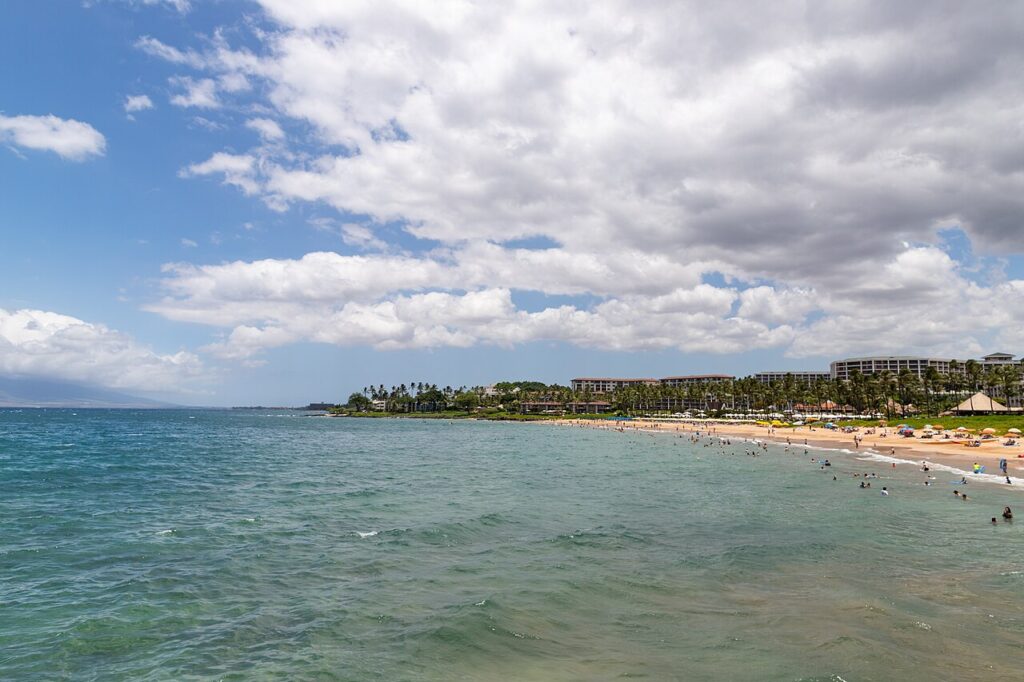
If you’ve ever daydreamed about spending your retirement years watching the sun dip below the Pacific from a lanai in Kihei, you’re not alone. Maui draws thousands of retirees every year with its near-perfect weather, world-class beaches, and a pace of life that practically forces you to slow down.
But retiring to Maui isn’t just about booking a one-way ticket and finding a condo. The cost of living is real, healthcare logistics matter, and island life comes with tradeoffs most people don’t think about until they’ve already committed. This guide covers everything you need to know — the honest version, from someone who actually lives here.
Why Retirees Choose Maui Over Other Hawaiian Islands
Maui hits a sweet spot that the other islands don’t quite match. Oahu has Honolulu’s urban buzz, which many retirees are trying to escape. The Big Island is more affordable but spread out with fewer amenities. Kauai is gorgeous but can feel isolated.
Maui offers that Goldilocks combination: enough infrastructure and dining options to keep life comfortable, but small enough that you’re never more than 20 minutes from a stunning beach. The island has about 164,000 full-time residents, so you get a genuine community feel without the anonymity of a big city.
The weather seals the deal. West and South Maui (think Kihei, Wailea, Lahaina, and Ka’anapali) average 276 sunny days per year. If you’re coming from somewhere that gets gray and cold six months of the year, that alone is life-changing.
Cost of Living: What Retirement in Maui Actually Costs in 2026
Let’s get the uncomfortable part out of the way first: Maui is expensive. It’s roughly 60-70% above the national average for overall cost of living, and housing is the biggest factor.
Housing Costs
The median home price on Maui hovers around $1.1 million as of early 2026. Yes, that’s for a regular home — not a beachfront estate. Condos are more accessible, with options in Kihei starting around $500,000-$650,000 for a one or two-bedroom unit. Wailea and Ka’anapali push significantly higher.
If you’re renting, expect to pay $2,350-$4,000 per month depending on location and size. A one-bedroom in Kihei averages around $2,350 monthly, while a two-bedroom in a nicer area can hit $3,500-$4,000. Check out our guide to the best neighborhoods in Kihei for more specific pricing.
Monthly Budget Breakdown for a Retired Couple
Here’s a realistic monthly budget for a retired couple living on Maui in 2026:
- Housing (mortgage or rent): $2,500-$4,000
- Utilities (electric, water, internet): $350-$500
- Groceries: $800-$1,200
- Healthcare (Medicare supplement + out-of-pocket): $400-$800
- Car payment/insurance/gas: $400-$600
- Dining and entertainment: $500-$800
- Miscellaneous: $300-$500
Total: roughly $5,250-$8,400 per month, or $63,000-$100,000 per year.
That might sound steep, but many retirees find they spend less on heating, winter clothing, and seasonal maintenance than they did on the mainland. You also tend to eat out less when your home is this pleasant to be in.
Best Places to Retire on Maui
Where you settle on Maui dramatically changes your daily experience. Here are the top areas retirees gravitate toward, and we’ve got a deeper dive in our best places to live on Maui guide.
Kihei
The most popular choice for retirees, and for good reason. Kihei runs along Maui’s sunny south shore with six miles of beaches, plenty of shopping at places like Azeka Shopping Center and The Shops at Wailea nearby, and a relaxed vibe. Condos here offer the best value for beachside retirement living. The area has good medical access with clinics and urgent care facilities, plus it’s a 20-minute drive to Maui Memorial Medical Center in Wailuku.
Wailea and Makena
If your budget allows, Wailea is Maui’s upscale retirement destination. Manicured golf courses (Wailea Blue, Gold, and Emerald courses), high-end restaurants, and some of the island’s best beaches — including Big Beach at Makena State Park. Expect to pay a premium, but the trade-off is a resort-quality lifestyle every single day.
Wailuku
For retirees who want to stretch their dollars, Wailuku is one of Maui’s most affordable towns. It’s the county seat with a charming historic downtown, great local restaurants like Sam Sato’s (famous for dry mein), and the closest proximity to Maui Memorial Medical Center. The trade-off is that it’s inland — about a 15-minute drive to the nearest beach.
Upcountry (Kula, Pukalani, Makawao)
Upcountry Maui sits on the slopes of Haleakalā at 1,500-4,000 feet elevation. It’s cooler, greener, and feels more like rural countryside than tropical beach town. Retirees who love gardening, farmers markets, and quiet mornings with mountain views gravitate here. The Kula Lodge area offers stunning panoramic views, and Makawao town has an artsy, cowboy-town charm.
Healthcare on Maui: What Retirees Need to Know
Healthcare is probably the most important practical consideration for retirees, and Maui’s situation is manageable but requires planning.
Hospitals and Medical Facilities
Maui Memorial Medical Center (MMMC) in Wailuku is the island’s primary hospital. It’s a 213-bed acute care facility managed by Kaiser Permanente since 2017. It handles most general medical needs, emergency services, and has specialist departments including cardiology, orthopedics, and oncology.
For specialized procedures or complex cases, you may need to fly to Honolulu (a 35-minute flight) or occasionally to the mainland. This is one of the realities of island living that surprises some retirees.
Medicare on Maui
Medicare works on Maui just like it does on the mainland, which is great news. The most popular Medicare Advantage plans in Maui County include:
- Kaiser Permanente Senior Advantage Maui (HMO) — the largest plan with over 4,000 enrollees
- HumanaChoice (PPO) — offers more flexibility with provider choices
- AARP Medicare Advantage from UnitedHealthcare (PPO)
Kaiser is particularly strong on Maui since they manage the hospital. If you’re comfortable with an HMO model, Kaiser Senior Advantage is hard to beat for coverage and convenience. For more details on health coverage options, read our Hawaii health insurance guide.
Taxes and Financial Considerations for Maui Retirees
Hawaii’s tax situation has some genuine perks for retirees — and a few catches.
The Good News
- No sales tax: Hawaii has a General Excise Tax (GET) instead, which is technically paid by businesses (though it’s often passed to consumers). The effective rate is about 4.17% on Maui.
- Social Security is not taxed: Hawaii doesn’t tax Social Security benefits at the state level.
- Pension exclusions: Some pension and retirement income may qualify for partial state tax exclusions.
- Property taxes are low: Maui County’s homeowner rate for primary residents is one of the lowest in the nation — around $3.50 per $1,000 of assessed value for properties under $800,000 with a homeowner exemption.
The Less Good News
- State income tax: Hawaii has a progressive income tax with rates from 1.4% to 11% — one of the highest top rates in the country.
- Distributions from 401(k)s and IRAs are fully taxable at state income tax rates.
For a detailed breakdown, check our Hawaii state taxes explained guide.
Daily Life as a Retiree on Maui
Forget what you’ve seen in the brochures for a second. Here’s what daily retired life on Maui actually looks like.
Morning Routines
Most retirees on Maui become early risers — partly because the sun comes up around 6 AM year-round, and partly because mornings are the best time for everything. Beach walks along Kamaole I, II, or III in Kihei before the crowds. Coffee at a local spot like Akamai Coffee in Kihei or Grandma’s Coffee House upcountry. Farmers market runs on Wednesday or Saturday mornings.
Staying Active
This is where Maui really shines for retirement. You’ll never run out of ways to stay active:
- Snorkeling: Molokini Crater, Turtle Town, and dozens of shore entry spots
- Golf: Wailea’s three courses, Kapalua’s Plantation and Bay courses, and the affordable Maui Nui Golf Club
- Hiking: Pipiwai Trail in Haleakalā National Park, Waihe’e Ridge Trail, and countless coastal paths
- Water activities: Paddleboarding, kayaking, whale watching (December-April is peak season)
- Yoga and wellness: Maui has a massive wellness community with studios island-wide
Social Life and Community
One concern retirees have is finding community on an island. The reality is surprisingly good on Maui. The Kihei Community Center runs programs specifically for seniors. The Maui County Office on Aging offers resources, activities, and meal programs. There are active hiking groups, garden clubs, canoe clubs, and volunteer organizations like the Maui Surfrider Foundation.
Many retirees also find community through part-time work or volunteering. Working a few shifts at a local shop or volunteering at the Maui Humane Society keeps you connected and gives your week structure.
Potential Downsides of Retiring to Maui
Every honest guide has to cover the hard parts. Here’s what might give you pause:
Island Fever Is Real
Maui is 727 square miles. That’s it. After a year or two, you’ll have explored most of the island. Some people thrive in that contained world; others start feeling claustrophobic. The antidote is periodic trips to the mainland or other islands, but flights aren’t cheap ($300-$600 round trip to the West Coast).
Distance from Family
If your kids and grandkids are on the mainland, the distance is real. A visit means a 5-10 hour flight depending on where they are, and the time zone difference (Hawaii doesn’t observe daylight saving time) means you’re 2-3 hours behind the West Coast and 5-6 behind the East Coast.
Limited Shopping and Services
There’s no Costco-sized selection of everything. Maui has a Costco in Kahului (and it’s the social hub of the island — everyone goes there), but specialty items often need to be ordered online. Amazon delivers but slower, and shipping costs on bulky items add up.
Natural Disaster Risk
The 2023 Lahaina wildfire was a devastating reminder that paradise isn’t immune to disaster. Hurricanes, tsunamis, and volcanic activity (though Maui’s volcano is dormant) are all risks. Having solid insurance and an emergency plan matters here.
How to Make the Transition
If you’re serious about retiring to Maui, here’s the approach that works best:
- Visit for 30+ days first. Not as a tourist — rent a condo in a residential area, shop at Safeway and Foodland, drive in traffic. See if the daily reality matches your fantasy.
- Run the numbers honestly. Take your current monthly expenses and add 40-60%. If the math works, great. If not, consider whether downsizing your home or adjusting your lifestyle bridges the gap.
- Establish healthcare before you move. Get on a Medicare Advantage plan with strong Maui coverage. Transfer your medical records and find a primary care physician before you arrive — good doctors book out weeks in advance.
- Ship smart. Only bring what you truly need. Furniture is often cheaper to buy locally (or from the constant supply of people selling everything on Maui’s Facebook marketplace groups) than to ship across the Pacific.
- Build community immediately. Join a club, volunteer, take a class at UH Maui College, or become a regular at a local coffee shop. Social isolation is the number one reason retirees leave the islands.
Frequently Asked Questions
How much money do you need to retire comfortably on Maui?
Most financial advisors recommend a minimum of $70,000-$100,000 per year in retirement income for a couple to live comfortably on Maui. This covers housing, healthcare, groceries, transportation, and modest entertainment. If your home is paid off, you can get by on less — around $50,000-$65,000 — but it’s tight.
Is Maui a good place to retire on Social Security alone?
Retiring on Social Security alone on Maui is extremely challenging. The average Social Security benefit in 2026 is about $1,900 per month per person, or $3,800 for a couple. With rents starting around $2,350 for a one-bedroom, there’s very little left for everything else. You’d need additional income, significant savings, or a fully paid-off home to make it work.
What is the best town on Maui for retirees?
Kihei is widely considered the best town for retirees on Maui. It offers the best balance of affordability (by Maui standards), beach access, sunny weather, shopping convenience, and proximity to healthcare. Wailuku is a strong runner-up for retirees on a tighter budget who prioritize being close to the hospital and don’t mind being a short drive from the beach.
Do I need a car to retire on Maui?
Yes, a car is essentially mandatory on Maui. Public transit (the Maui Bus) exists but runs limited routes and schedules. It’s fine for occasional trips to Kahului but not practical for daily life. Most retirees keep at least one vehicle — a reliable used car runs $15,000-$25,000 on the island, though prices are higher than the mainland.