The Big Island of Hawaii — officially called Hawai’i Island — is the largest island in the chain and arguably the most diverse. You’ll find active volcanoes, snow-capped mountains, black sand beaches, coffee farms, and some of the best stargazing on the planet, all on one island. Whether you’re visiting for a week or thinking about making the move, here are 25 things you absolutely need to do.
Planning a Big Island visit in October or November 2026? Kīlauea remains in an active episodic eruption — Episode 55 began October 10 with continuous lava activity from the north vent in Halema’uma’u. As of October 14, 2026 the eruption is ongoing (orange Watch alert). Note: a shallow magma intrusion on September 30 has made high-fountain timing unpredictable, so daily USGS HVO updates (hvo.wr.usgs.gov) are essential before booking park time. October offers some of the calmest snorkeling on the Kona coast; humpback whale season officially opens November 15.
Nature & Volcanoes
1. Explore Hawai’i Volcanoes National Park
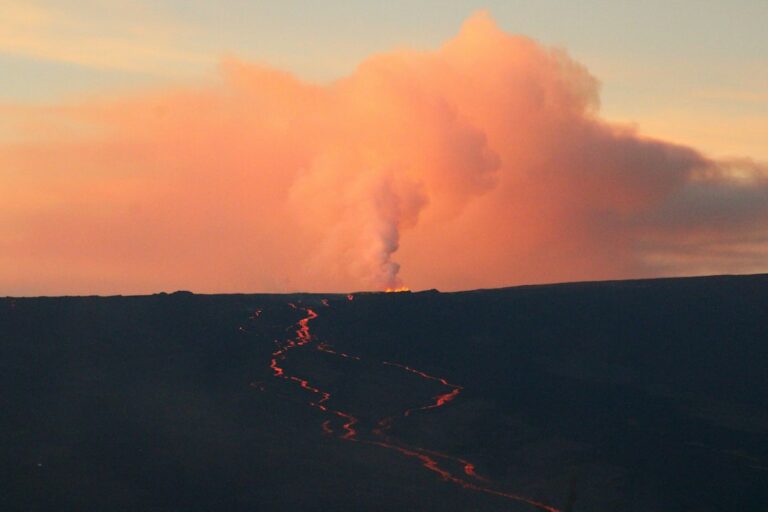
This is the Big Island’s crown jewel. Kīlauea has been erupting in a spectacular episodic pattern since December 23, 2024, producing 54 confirmed high-fountain episodes through early October 2026. Episode 55 began October 10 with continuous lava activity at the north vent — after a shallow magma intrusion on September 30, the high-fountain timing can no longer be predicted in advance, making real-time USGS updates more important than ever. As of October 14, 2026, HVO maintains an orange Watch alert. During episodes, lava fountaining and overnight glow are visible from the Halema’uma’u crater overlook; between episodes the glow typically persists. Check the USGS Hawaiian Volcano Observatory (hvo.wr.usgs.gov) before your visit; they publish daily updates. The park entrance fee is $30 per vehicle (covers 7 days; cash not accepted). Don’t miss the Thurston Lava Tube (Nāhuku) — a 500-year-old tunnel you can walk right through. The Chain of Craters Road is a 19-mile drive through sweeping lava fields to the coast.
2. Hike to the Green Sand Beach (Papakōlea)
One of only four green sand beaches in the world, Papakōlea sits at the southern tip of the island near South Point. The 2.5-mile hike each way is exposed and windy, but the payoff — a crescent of olivine-crystal sand glowing green against turquoise water — is unforgettable. Bring plenty of water and sun protection. Some locals offer rides in 4WD trucks for around $10-15 per person.
3. Visit Akaka Falls State Park
Just north of Hilo, Akaka Falls drops 442 feet through a lush tropical gorge. The paved 0.4-mile loop trail takes about 30 minutes and also passes the smaller Kahuna Falls. Non-resident visitors pay $10 to park plus $5 per person; Hawaii residents enter free with a valid ID. Come early morning to beat the tour buses and catch rainbows in the mist.
4. Stargaze on Mauna Kea
At 13,796 feet, Mauna Kea’s summit sits above 40% of Earth’s atmosphere, making it one of the best stargazing spots anywhere. The free Visitor Information Station at 9,200 feet hosts nightly stargazing programs with telescopes (weather permitting). If you drive to the summit, you’ll need a 4WD vehicle. The sunset from up there — above the clouds — is absolutely surreal. Dress warm; temperatures drop below freezing.
5. Snorkel at Kealakekua Bay
This marine sanctuary near Captain Cook has some of the clearest water and healthiest coral reefs in Hawaii. Spinner dolphins are regular visitors. You can kayak across the bay with a licensed operator (guided tours run $80–165 per person; solo kayak rentals to the bay are no longer permitted), take a snorkel boat, or hike the steep 1.8-mile trail down to the Captain Cook Monument. The water visibility here regularly exceeds 100 feet.
6. See the Black Sand Beach at Punalu’u
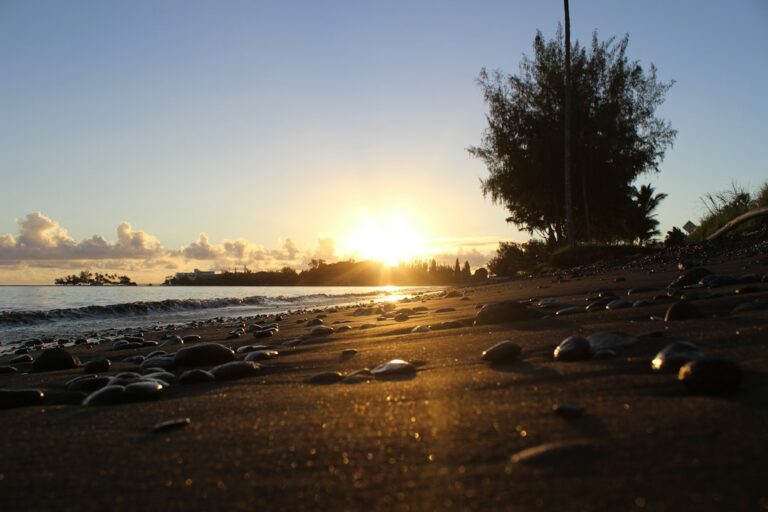
Punalu’u Beach Park on the Ka’u coast features jet-black volcanic sand lined with coconut palms. Hawaiian green sea turtles (honu) frequently haul out on the sand to bask. Keep the required 10-foot distance and never touch them — it’s a federal offense. The beach has restrooms and picnic pavilions, making it an easy stop between Volcano and Kona.
7. Drive the Hamakua Coast
Highway 19 between Hilo and Waimea hugs dramatic sea cliffs, passes through former sugar plantation towns, and offers pulloffs at botanical gardens and hidden waterfalls. Stop at the Hawaii Tropical Bioreservoir & Garden ($20 admission) or the tiny town of Honoka’a for vintage shops and malasadas at Tex Drive-In.
Ocean Adventures
8. Manta Ray Night Dive or Snorkel
Off the Kona coast, giant manta rays with wingspans up to 15 feet glide through illuminated waters to feed on plankton. Night snorkel tours ($99–140 per adult, depending on operator and group size) take you to Keauhou Bay or Manta Village where these gentle giants perform underwater ballet just inches from you. This is genuinely a once-in-a-lifetime experience. Book ahead — tours sell out.
9. Go Deep Sea Fishing
Kona is the sport fishing capital of the Pacific. The deep waters offshore hold blue marlin (over 1,000 lbs), yellowfin tuna, mahi-mahi, and wahoo. Half-day charters start around $600-800 for a private boat out of Honokohau Harbor. The annual Hawaiian International Billfish Tournament has run here since 1959.
10. Surf or Bodyboard at Hapuna Beach
Consistently ranked among the top beaches in the world, Hapuna Beach State Recreation Area on the Kohala Coast has half a mile of white sand and reliable shore break perfect for bodyboarding. In summer, the water is calm enough for swimming with kids. Winter brings bigger swells. Non-resident visitors pay $10 to park plus $5 per person; Hawaii residents enter free with a valid ID.
11. Snorkel at Two Step (Pae’a)
Just south of Kealakekua, Two Step (named for the natural lava rock steps into the water) is a local favorite for shore snorkeling. The reef here is teeming with tropical fish, eels, and the occasional octopus. Free parking, no crowds on weekday mornings. Bring your own gear — there are no rental shops right there.
12. Take a Sunset Sail Along the Kona Coast
Several operators run catamaran cruises from Kailua Pier. You’ll spot dolphins, maybe humpback whales (December through April), and watch the sun sink behind the Pacific with the volcanic coastline as your backdrop. Expect to pay $80-120 per person. Some include drinks and pupus (appetizers).
Culture & History
13. Visit Pu’uhonua o Hōnaunau National Historical Park
Known as the Place of Refuge, this sacred site on the Kona coast was where ancient Hawaiians who broke kapu (sacred laws) could seek absolution. The reconstructed temple platforms, carved ki’i akua (wooden god images), and royal fishponds give you a real sense of pre-contact Hawaiian civilization. Entry is $20 per vehicle. The adjacent “1871 Trail” snorkeling area is excellent and free.
14. Explore the Hilo Farmers Market
Open daily but biggest on Wednesdays and Saturdays, the Hilo Farmers Market is a riot of tropical fruits, fresh lei, local honey, and prepared foods. Grab a $5 acai bowl, sample lilikoi (passion fruit) butter, and pick up a hand-strung plumeria lei for a few bucks. It’s the real deal — not a tourist market.
15. Tour Hulihe’e Palace in Kailua-Kona
This oceanfront palace on Ali’i Drive was the vacation home of Hawaiian royalty. Now a museum run by the Daughters of Hawai’i, it showcases koa wood furniture, feather capes, and royal artifacts. Admission is $10 for adults. It’s small but beautifully preserved, and the oceanfront lawn hosts free Hawaiian music concerts on the fourth Sunday of each month.
16. Attend a Traditional Luau
Skip the mega-resort productions and look for something more authentic. The Gathering of the Kings at the Sheraton Kona or the Island Breeze Luau at the Courtyard Marriott offer solid food, real hula, and fire knife dancing. Prices range from $100-150 per adult with dinner included. Book at least a week ahead during peak season.
Food & Drink
17. Tour a Kona Coffee Farm
The slopes of Hualalai and Mauna Loa between 800-2,500 feet elevation produce world-famous 100% Kona coffee. Dozens of small farms in Holualoa and Captain Cook offer free tours and tastings. Greenwell Farms and Hula Daddy are two popular picks. A pound of genuine 100% Kona coffee runs $30-50 — worth every cent compared to the “Kona blend” stuff (which is only 10% Kona beans).
18. Eat Poke at Suisan Fish Market in Hilo
Forget fancy restaurant poke bowls. Suisan Fish Market on Lihiwai Street in Hilo serves fresh-off-the-boat poke in a dozen varieties for about $14-18 per pound. Get the shoyu ahi or spicy mayo, grab a bowl of rice, and eat at the picnic tables overlooking the harbor. This is where locals go.
19. Try Malasadas at Tex Drive-In
In the small town of Honoka’a on the Hamakua Coast, Tex Drive-In serves piping-hot Portuguese-style malasadas (fried dough rolled in sugar) with tropical fillings like haupia (coconut), guava, and mango. They’re about $1.50 each and dangerously addictive. Perfect road trip fuel.
20. Sample Chocolate at Original Hawaiian Chocolate Factory
Hawaii is the only U.S. state that grows cacao commercially. The Original Hawaiian Chocolate Factory in Kona offers tours of their orchard and chocolate-making process. You’ll taste single-origin dark chocolate made entirely on-site. Tours run $15-25 and need reservations.
Unique Experiences
21. Visit Waipi’o Valley
The Valley of the Kings is a mile-wide, 2,000-foot-deep valley on the Hamakua Coast that was once home to thousands of Hawaiians and several ali’i (chiefs). The lookout is free and offers jaw-dropping views. Driving into the valley requires 4WD and serious nerve (the road is a 25% grade and one lane). Guided tours are available if you don’t want to risk your rental car — and most rental agreements prohibit it anyway.
22. Swim in Boiling Pots (Pe’epe’e Falls)
Just above Hilo, the Wailuku River cascades through a series of bubbling, pool-like rock formations that look like boiling water. While officially swimming isn’t recommended due to flash flood risk, the viewing area at Boiling Pots Lookout is free and spectacular, especially after rain when the river rages. Pe’epe’e Falls above the pots adds to the drama.
23. Visit the Painted Church
St. Benedict’s Catholic Church near Captain Cook is a tiny wooden church whose interior was completely painted with biblical scenes by a Belgian priest in the early 1900s. The tropical-Gothic murals depicting heaven and hell are charmingly naive and absolutely unique. It’s free to visit and takes about 15 minutes — an easy stop on the way to Pu’uhonua o Hōnaunau.
24. Explore Lava Tubes at Kaumana Caves
Just a few miles from downtown Hilo, Kaumana Caves County Park offers free access to a lava tube system created by an 1881 Mauna Loa eruption. Bring a flashlight and sturdy shoes — the tube extends in both directions from the entrance stairs, and you can explore for hundreds of yards into the darkness. It’s a raw, unimproved experience compared to the more polished Thurston Lava Tube.
25. Watch the Sunset at South Point (Ka Lae)
The southernmost point in the United States, Ka Lae sits at the end of a narrow road through windswept grasslands. The cliffs here drop straight into deep blue water, and local kids jump off a platform into the ocean below (don’t try it unless you’re a strong swimmer and know the conditions). The sunset views are extraordinary and rarely crowded. You’ll also see the ruins of an ancient Hawaiian fishing heiau nearby.
Practical Tips for Visiting the Big Island
The Big Island is roughly the size of Connecticut, so you’ll need a car. Distances are deceptive — Kona to Hilo is about 2.5 hours. Car insurance rates in Hawaii are worth understanding if you’re staying long-term.
Base yourself in Kona for sunny beach days and ocean activities, or Hilo for rainforests, waterfalls, and volcano access. Ideally, spend time on both sides.
If you’re considering making the Big Island home, the cost of moving to Hawaii is something to plan carefully. The Big Island is generally more affordable than Oahu or Maui, especially in Hilo and Puna.
For families, check out the best family beaches across the islands — several Big Island spots make the list. And if you’re wondering what everyday life actually looks like here, read up on the things people wish they knew before moving.
Frequently Asked Questions
How many days do you need on the Big Island?
Plan for at least 5-7 days to see the highlights without rushing. The island is huge — about 4,000 square miles — and driving between the Kona and Hilo sides takes 2-3 hours. A week lets you explore volcanoes, beaches, coffee country, and the Hamakua Coast at a comfortable pace.
Is the Big Island good for families with kids?
Absolutely. Hapuna Beach and Punalu’u are great for kids, Volcanoes National Park is endlessly fascinating for all ages, and activities like coffee farm tours and the Hilo Farmers Market are kid-friendly. Just be cautious with ocean conditions — some beaches have strong currents.
What’s the best time of year to visit the Big Island?
The Big Island is great year-round. December through February brings humpback whale season and slightly cooler temps (still mid-70s). Summer (June-August) has calmer ocean conditions and drier weather on the Kona side. Shoulder months (April-May, September-October) offer lower prices and fewer crowds.
Is it expensive to visit the Big Island?
It’s Hawaii, so yes — but the Big Island is more affordable than Oahu or Maui. Budget travelers can find vacation rentals from $100-150/night, eat plate lunches for $10-15, and enjoy many free activities (beaches, hiking, farmers markets). Splurge items like manta ray tours, luaus, and resort dining add up quickly.