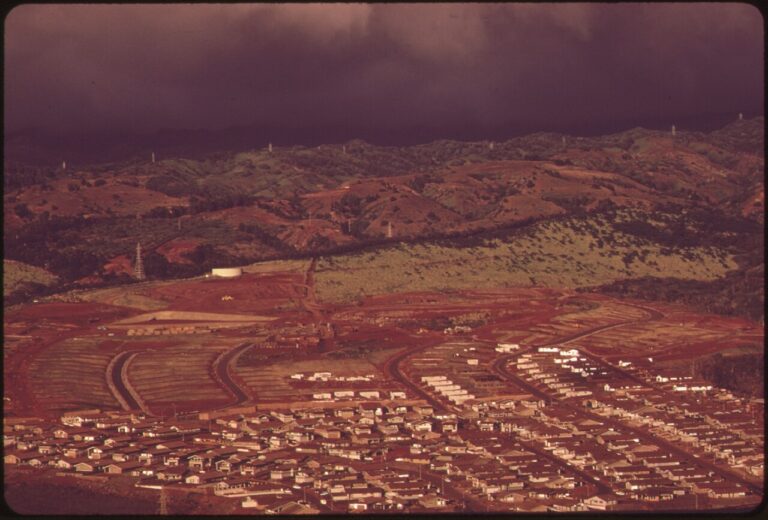
Buying a house in Hawaii is a dream for many people, but it comes with unique challenges that you won’t find in mainland real estate markets. From understanding leasehold vs. fee simple ownership to navigating sky-high prices and limited inventory, Hawaii’s housing market requires careful planning and research.
This comprehensive guide covers everything you need to know about buying property in the Aloha State in 2026—from current market conditions and median home prices to Hawaii-specific real estate laws, financing options, and hidden costs that catch many first-time buyers off guard.
Hawaii Real Estate Market Overview (2026)
The Hawaii housing market remains one of the most expensive in the United States, with median home prices consistently ranking among the nation’s highest. In 2026, the market continues to be characterized by limited inventory, high demand from both local residents and mainland buyers, and fierce competition for available properties.
Several factors make Hawaii’s real estate market unique:
- Limited land availability: As an island state, Hawaii has strict geographical constraints on new development. This scarcity drives prices up and makes finding available properties challenging.
- Strong demand: Hawaii attracts buyers from around the world who want to live in paradise, invest in vacation rentals, or purchase second homes.
- Leasehold properties: Unlike most of the mainland, Hawaii has a significant number of leasehold properties where you own the structure but lease the land—a critical distinction that affects pricing and financing.
- Foreign investment: International buyers, particularly from Asia, continue to influence the market, especially in luxury segments.
- Military presence: Hawaii’s large military population creates steady demand for rentals and mid-range housing.
The market saw some cooling in 2024-2025 as higher mortgage rates slowed buyer activity, but inventory remains tight and prices have stabilized rather than dropped significantly. Multiple-offer situations are still common for desirable properties, particularly in move-in-ready condition.
Median Home Prices by Island (2026)
The median sale prices below reflect Honolulu Board of REALTORS® and county market reports from mid-2026 (June). Home prices vary dramatically between islands and even between neighborhoods on the same island. Here’s what you can expect to pay across Hawaii’s main islands:
| Island | Median Single-Family Home Price | Median Condo Price | Market Characteristics |
|---|---|---|---|
| Oahu | $1,242,500 | $528,000 | Highest inventory, most competitive, urban living options |
| Maui | $1,356,975 | $625,000 | Premium prices, resort areas, limited inventory |
| Kauai | $1,523,250 | $989,500 | Small market, rural character, strict development rules |
| Big Island (Hawaii) | $599,800 | $535,000 | Most affordable, diverse options, lava zones affect pricing |
| Molokai | $550,000 | N/A | Very limited inventory, rural lifestyle, few amenities |
| Lanai | $850,000 | N/A | Extremely limited market, mostly owned by Larry Ellison |
Note: Prices shown are approximate medians as of mid-2026 (June) and vary significantly by location, condition, and property type. Luxury markets in areas like Kahala, Wailea, and Princeville command prices well into the multi-million dollar range.
Leasehold vs. Fee Simple: A Critical Hawaii Distinction
One of the most important—and often confusing—aspects of buying property in Hawaii is understanding the difference between leasehold and fee simple ownership. Hawaii has more leasehold properties than almost any other U.S. state, and this distinction can dramatically affect your purchase price, financing options, and long-term costs.
What is Fee Simple?
Fee simple is the traditional form of property ownership where you own both the physical structure AND the land underneath it outright. This is what most people think of when they buy a house. With fee simple ownership:
- You own the property indefinitely (or until you sell it)
- You can pass it to heirs
- You pay property taxes to the county
- You have complete control over the land (within zoning laws)
- Financing is straightforward with conventional mortgages
What is Leasehold?
Leasehold means you own the building or condo unit, but you’re leasing the land from the actual landowner (often large estates, trusts, or the state). Your ownership comes with a lease that has an expiration date—typically 30, 55, or 99 years from the original lease date.
Key characteristics of leasehold properties:
- You pay monthly or annual lease rent to the landowner
- The lease has a specific expiration date
- When the lease expires, ownership of the building may revert to the landowner (unless you renegotiate)
- Lease rents can increase over time, sometimes dramatically
- Properties are typically 30-50% cheaper than comparable fee simple properties
- Financing can be more difficult, especially with less than 30 years remaining on the lease
Leasehold vs. Fee Simple Comparison
| Factor | Fee Simple | Leasehold |
|---|---|---|
| Purchase Price | Higher (market rate) | 30-50% lower than fee simple |
| Land Ownership | You own the land | You lease the land from owner |
| Monthly Costs | Mortgage, property tax, HOA | Mortgage, lease rent, HOA (no property tax on land) |
| Financing | Standard mortgage options | Limited options, especially under 30 years remaining |
| Resale Value | Appreciates with market | Declines as lease expiration approaches |
| Long-term Security | Indefinite ownership | Expires unless renewed |
| Best For | Long-term ownership, families, investment | Short-term living, lower entry cost, flexible plans |
Common Questions About Leasehold
Can I convert leasehold to fee simple?
Sometimes. Some landowners offer fee simple conversion opportunities, but the cost can be substantial—essentially paying for the land value you don’t own. Check if your building has a conversion option before purchasing.
What happens when my lease expires?
This depends on your lease terms. Some allow you to negotiate a renewal, others revert all improvements to the landowner. This is a critical detail to understand before buying.
Where are leasehold properties most common?
Honolulu has the highest concentration of leasehold condos, particularly in urban areas. Many are on land owned by large estates like the Kamehameha Schools or Castle & Cooke.
The Hawaii Home Buying Process: Step-by-Step
Buying a house in Hawaii follows similar steps to mainland purchases, but with some unique twists:
Step 1: Get Pre-Approved for Financing
Before you start house hunting, get a mortgage pre-approval letter. Hawaii’s competitive market means sellers often won’t even consider offers without one. Given the high price points, expect to need:
- Excellent credit (680+ for best rates, 700+ preferred)
- Substantial down payment (20% is common; expect $150,000-$250,000 down on median-priced homes)
- Low debt-to-income ratio
- Verified employment and income documentation
For more information on Hawaii’s cost of living and how it affects affordability, check out our guide on grocery prices in Hawaii.
Step 2: Find a Hawaii Real Estate Agent
Working with an experienced local agent is crucial in Hawaii. They understand island-specific issues like leasehold properties, lava zones, tsunami zones, flood plains, and neighborhood characteristics. More on this in the “Working with a Hawaii Realtor” section below.
Step 3: Start Your Property Search
Be prepared for sticker shock and limited inventory. Hawaii has far fewer homes for sale than comparable markets. Popular listings may receive offers within days or even hours. Consider:
- Which island best fits your lifestyle and budget—learn more in our best Hawaiian island to live on guide
- Commute times (traffic in Honolulu can be brutal)
- School districts if you have children—see our schools in Hawaii guide
- Proximity to amenities
- Natural hazard zones (lava, tsunami, flood)
- HOA rules and fees (often $400-$800/month for condos)
Step 4: Make an Offer
In Hawaii’s competitive market, expect:
- Multiple offers on desirable properties
- Quick decisions required (sellers may set offer deadlines)
- Strong offers that are close to or at asking price
- Minimal contingencies (though inspection contingencies are still standard)
- Potential escalation clauses
Step 5: Complete Inspections and Due Diligence
Hawaii-specific inspections are critical:
- Termite inspection: Mandatory for financing; termites are a major issue in Hawaii’s humid climate
- General home inspection: Look for moisture damage, mold, structural issues
- Roof inspection: Hawaii’s weather is hard on roofs; replacement costs are high
- For leasehold: Review lease documents carefully, understand remaining term and renewal options
- For condos: Review association financials, meeting minutes, reserve studies
- Lava zone certification: If on Big Island, confirm zone and insurance availability
Step 6: Secure Final Financing
Your lender will order an appraisal. In Hawaii’s market, appraisals sometimes come in low, which can kill deals or require renegotiation. Have a plan for this scenario.
Step 7: Title and Escrow
Hawaii uses escrow companies to handle closings (not attorneys like some mainland states). Title insurance is standard and protects against ownership disputes—particularly important in Hawaii where land ownership can be complex.
Step 8: Final Walkthrough and Closing
Complete a final walkthrough to ensure the property is in agreed-upon condition. At closing, you’ll sign documents and pay closing costs (typically 2-5% of purchase price for buyers).
Step 9: Post-Closing Tasks
- Transfer utilities to your name
- Get a Hawaii driver’s license if you’re a new resident
- Register with the county for property tax
- Update your address and start enjoying island life!
Financing and Mortgages in Hawaii
Financing a Hawaii home purchase comes with unique considerations:
Mortgage Rates in 2026
As of mid-2026, 30-year fixed mortgage rates have settled to around 6.5% (generally in the 6.25%–6.75% range), though rates fluctuate based on economic conditions and individual borrower qualifications. Hawaii rates are typically similar to national rates, though some lenders charge slightly higher rates for investment properties or condos in certain buildings.
Down Payment Requirements
While conventional loans allow as little as 3-5% down, Hawaii’s high prices mean:
- 3% down on a $1 million home = $30,000 (plus you’ll pay PMI)
- 20% down avoids PMI = $200,000
- Many sellers prefer buyers with substantial down payments as a sign of financial strength
Jumbo Loans
Conforming loan limits in Hawaii are higher than the mainland ($1,149,825 for single-family homes in 2026 on Oahu, Maui, and Kauai), but many purchases still require jumbo loans. These typically require:
- Higher credit scores (700+)
- Larger down payments (15-20%)
- More extensive documentation
- Slightly higher interest rates
VA Loans
Military members and veterans can use VA loans with major advantages:
- 0% down payment option
- No PMI requirement
- Competitive rates
- Higher Hawaii loan limits ($1,149,825)
Given Hawaii’s large military presence, VA loans are common and well-understood by local lenders and sellers. If you’re eligible, this is often your best financing option.
Leasehold Financing Challenges
Financing leasehold properties is more difficult:
- Many lenders won’t finance leasehold at all
- Those that do typically require at least 30-35 years remaining on the lease
- Down payment requirements are often higher (25-30%)
- Interest rates may be 0.25-0.5% higher
- Some properties with very short remaining leases require cash purchases
First-Time Home Buyer Programs (HHFDC)
The Hawaii Housing Finance and Development Corporation (HHFDC) offers programs to help first-time buyers and those with moderate incomes:
Hula Mae Mortgage Program
HHFDC’s flagship program offers:
- Down payment assistance (up to 3% of purchase price)
- Competitive interest rates
- Available through participating lenders
- Income and purchase price limits apply
Income limits (2026, approximate):
- 1-2 person household: $141,150 (Oahu), varies by island
- 3+ person household: $162,322 (Oahu), varies by island
Purchase price limits: Typically $750,000-$850,000 depending on island and property type.
Down Payment Assistance Loan (DPAL)
Provides up to 3% of the purchase price as a second mortgage for down payment and closing costs. This loan is forgiven after 10 years if you remain in the home.
Mortgage Credit Certificate (MCC)
Not a loan, but a federal tax credit that allows you to claim up to $2,000 annually in mortgage interest as a tax credit (rather than just a deduction). This effectively reduces your mortgage payment.
How to Apply
Work with HHFDC-approved lenders who can help you determine eligibility and apply for these programs. Given Hawaii’s high prices, these programs provide meaningful help for moderate-income buyers, though you’ll still need significant savings.
For more information on Hawaii’s income potential, see our guide to highest-earning companies in Hawaii.
Working with a Hawaii Real Estate Agent
A skilled local realtor is invaluable when buying in Hawaii. Here’s what to look for:
Why You Need a Local Expert
- Island-specific knowledge: Understanding of neighborhoods, schools, traffic patterns, and local amenities
- Leasehold expertise: Ability to explain lease terms and help you avoid problematic properties
- Hazard awareness: Knowledge of lava zones, tsunami evacuation zones, flood plains, and hurricane risks
- Market expertise: Understanding of what properties actually sell for vs. list price
- Network: Connections to inspectors, contractors, lenders who understand Hawaii’s unique market
Questions to Ask Potential Agents
- How long have you worked in Hawaii real estate?
- How many homes have you helped buyers purchase in the last year?
- Are you familiar with [specific neighborhood or area]?
- Do you have experience with leasehold properties? (if relevant)
- What percentage of your offers get accepted in multiple-offer situations?
- Can you provide references from recent buyers?
- How will you help me compete in this market?
Buyer’s Agent Commission
In Hawaii, as elsewhere, seller typically pays both agents’ commissions (total 5-6% of sale price, split between listing and buyer’s agents). However, some commission structures are changing industry-wide, so confirm arrangements upfront.
Red Flags
Avoid agents who:
- Are new to Hawaii and don’t understand local market nuances
- Pressure you to waive inspection contingencies
- Can’t explain leasehold vs. fee simple clearly
- Don’t disclose property issues or hazard zones
- Aren’t responsive to your questions and concerns
Condo Buying Guide: Hawaii’s Most Common Housing Type
Condos represent a huge portion of Hawaii’s housing stock, especially in Honolulu where high-rises dominate. Here’s what you need to know:
Why Condos Are Popular in Hawaii
- Lower entry price: Median condo prices are 40-50% less than single-family homes
- Less maintenance: No yard work, exterior maintenance handled by association
- Amenities: Many include pools, gyms, security, concierge
- Location: Often in walkable urban areas or beachfront locations
- Lock-and-leave: Easier to secure if you’re splitting time between Hawaii and elsewhere
Condo Due Diligence Essentials
Before buying a condo in Hawaii, thoroughly review:
1. HOA Financial Health
- Review the last 2-3 years of financials
- Check reserve fund balance (should be 70%+ funded)
- Look for special assessments (past or planned)
- Understand monthly fee breakdown
- Check for pending litigation against the association
2. Monthly Fees
Hawaii condo fees are often $400-$800/month, sometimes higher for luxury buildings. These cover:
- Building insurance (your HO-6 policy covers interior/belongings)
- Maintenance (exterior, common areas, roofs)
- Amenities (pool, gym, landscaping)
- Staff and management
- Reserve fund contributions
3. Association Documents
- CC&Rs (Covenants, Conditions & Restrictions): Rules governing the property
- Bylaws: How the association operates
- Meeting minutes: Last 12 months reveal upcoming issues, special assessments, neighbor disputes
- Reserve study: Projects future major repairs and costs
4. Building Condition
Hawaii’s salt air and humidity are brutal on buildings. Look for:
- Recent or upcoming major repairs (roof, facade, elevators)
- Evidence of concrete spalling or rebar corrosion
- Water intrusion issues
- Age of mechanical systems
Leasehold Condos: Extra Caution Required
Many Honolulu condos are leasehold. Beyond standard condo due diligence, also verify:
- Years remaining on land lease
- Current lease rent (paid by HOA and included in your monthly fee)
- Lease escalation terms (how much can rent increase?)
- What happens at lease expiration
- Fee simple conversion possibility
Popular Honolulu Condo Areas
- Waikiki: Tourist area, resort-style living, often leasehold, high density
- Kakaako/Ward: New development area, modern towers, urban lifestyle, mostly fee simple
- Ala Moana: Central location, luxury buildings, mix of leasehold and fee simple
- Downtown: Urban professionals, older buildings with character
- Hawaii Kai: East Oahu, suburban feel, family-friendly
New Construction Options in Hawaii
New construction is limited in Hawaii due to land scarcity and strict development regulations, but opportunities exist:
Current Development Areas
- Oahu – Kakaako: Urban high-rises, mostly sold out but some resales
- Oahu – Ewa Beach/Hoopili: Master-planned communities, single-family homes and townhomes
- Maui – Wailea/Kihei: Limited luxury condo developments
- Big Island – Kona/Waikoloa: Resort communities and subdivisions
Pros of New Construction
- Modern floor plans and finishes
- Energy-efficient systems (important given Hawaii’s electricity costs)
- Warranties on construction and systems
- No immediate major repairs needed
- Often fee simple (most new developments)
Cons of New Construction
- Premium pricing (often 10-20% above comparable resales)
- Construction delays are common
- Limited inventory and long waitlists
- New neighborhoods lack established character
- HOA fees may increase after developer turnover
The Pre-Construction Process
- Reservation: Pay a deposit (often $5,000-$10,000) to reserve a unit
- Contract signing: Review purchase agreement carefully; deposits become non-refundable
- Additional deposits: Often 10-20% total due during construction
- Selections: Choose finishes, upgrades (these add up quickly!)
- Construction period: 18-36 months typical
- Closing: Final walkthrough and close when building is complete
Hidden Costs of Buying a House in Hawaii
Hawaii home ownership includes costs that surprise many new buyers. Budget for these beyond your mortgage payment:
General Excise Tax (GET) on Construction/Improvements
Hawaii’s 4-4.5% GET applies to services, including construction work. A $50,000 renovation will cost you an additional $2,000-$2,250 in GET. This catches many new homeowners off guard.
Hurricane Insurance
Standard homeowners insurance excludes hurricane damage, and Hawaii sits in hurricane territory. Expect to pay:
- $1,500-$4,000+ annually for hurricane coverage
- Higher costs for oceanfront properties
- High deductibles (often 2-5% of dwelling value)
- Some properties in high-risk areas may struggle to get coverage
Termite Protection and Treatment
Termites are a constant issue in Hawaii’s climate:
- Annual inspection/treatment: $300-$600
- Active infestation treatment: $1,500-$5,000+
- Many buyers purchase termite warranties ($400-$700/year)
High Utility Costs
Hawaii has the nation’s highest electricity rates (about $0.34-$0.40 per kWh):
- Monthly electric bills of $200-$400+ are common
- Air conditioning dramatically increases costs
- Solar panels are popular but require significant upfront investment ($15,000-$30,000)
- Water bills are also higher than mainland averages
Property Taxes
While Hawaii’s property tax rates are among the lowest in the nation, high home values mean substantial bills:
- Oahu: $3.50 per $1,000 of assessed value (owner-occupied residential)
- On a $1 million home: approximately $3,500/year
- Rates vary by island and property classification
- Investment properties and vacant land taxed at higher rates
Maintenance and Repairs
Hawaii’s environment is tough on homes:
- Salt air corrodes metal and damages finishes
- Humidity promotes mold and rot
- UV radiation breaks down roofing and paint faster
- Labor costs are 20-40% higher than mainland
- Materials must be shipped in, adding cost and delays
Budget 1.5-2% of home value annually for maintenance—more for oceanfront properties.
Shipping Costs for Furniture and Belongings
If you’re moving to Hawaii, shipping household goods costs $5,000-$15,000+ depending on volume. Learn more in our guide on how to ship to Hawaii.
Sample Monthly Cost Breakdown
For a $1 million fee simple single-family home with 20% down:
| Expense | Monthly Cost |
|---|---|
| Mortgage (7% interest, 30 years on $800,000) | $5,322 |
| Property Tax | $291 |
| Homeowners Insurance | $200 |
| Hurricane Insurance | $250 |
| HOA (if applicable) | $0-$600 |
| Utilities (electric, water, gas/propane) | $350 |
| Maintenance Reserve | $400 |
| Termite Prevention | $50 |
| TOTAL | $6,863-$7,463/month |
This doesn’t include internet, trash service, landscaping, or pool maintenance if applicable.
Neighborhoods Guide by Budget
Where you can afford to buy depends heavily on your budget. Here’s a general guide by island:
Oahu
Under $600,000 (Condos Only):
- Aiea, Pearl City, Waipahu (Central Oahu)
- Older buildings in Makiki, McCully
- Leasehold condos in various areas
$600,000-$900,000:
- Condos in Kakaako, Downtown, Ala Moana (newer buildings)
- Townhomes in Ewa, Mililani, Kapolei
- Older single-family homes in Aiea, Pearl City
$900,000-$1.3 million:
- Single-family homes in Mililani, Ewa Beach, Kapolei
- Hawaii Kai condos and townhomes
- Kailua condos
- Older homes in Kaimuki, Manoa
$1.3-$2 million:
- Nice single-family in Kailua, Kaneohe (windward side)
- Newer homes in Ewa, Kapolei
- Smaller homes in Hawaii Kai
- Entry-level in desirable neighborhoods (Manoa, Kaimuki, Kahala area)
$2 million+:
- Kahala, Diamond Head, Portlock luxury homes
- Oceanfront or ocean-view properties
- Large homes in Kailua, Lanikai
- Luxury condos (penthouse units, Diamond Head towers)
Maui
Under $700,000:
- Older condos in Kihei, Lahaina
- Upcountry fixer-uppers
$700,000-$1.5 million:
- Nice condos in Kihei, Wailea, Kaanapali
- Single-family homes in Wailuku, Kahului
- Upcountry homes (Kula, Makawao)
$1.5 million+:
- Wailea luxury condos and homes
- Kaanapali beachfront
- Kapalua resort properties
- Large upcountry estates
Big Island
Under $500,000:
- Hilo area homes and condos
- Puna district (lava zone 2-3, insurance challenges)
- Older condos in Kona area
$500,000-$900,000:
- Kona area homes
- Waimea/Kamuela
- Nice condos in resort areas
$900,000+:
- Waikoloa, Mauna Kea Resort, Hualalai luxury homes
- Oceanfront properties
- Large Waimea ranches
Kauai
Under $700,000:
- Condos in Kapaa, Lihue
- Limited options
$700,000-$1.5 million:
- Single-family homes in Kapaa, Lihue, Kalaheo
- Condos in Poipu, Princeville
$1.5 million+:
- Princeville luxury homes and condos
- Poipu oceanfront
- North Shore estates (Hanalei, Kilauea)
For more budget-conscious options across all islands, see our guide to the cheapest places to live in Hawaii.
Investment Property Considerations
Many buyers purchase Hawaii real estate as investment properties or vacation rentals. Key considerations:
Vacation Rental Regulations
Hawaii has cracked down significantly on short-term vacation rentals:
- Oahu: Very limited legal vacation rental areas; most require grandfathered permits (pre-1989)
- Maui: Restricted to resort areas; new limits on permits
- Big Island: More permissive but varies by district
- Kauai: Cap on number of permits; no new permits issued in some areas
Critical: Don’t assume you can operate a vacation rental. Verify legal status before purchasing for this purpose. Illegal vacation rentals face steep fines.
Long-Term Rental Market
Long-term rentals remain legal statewide and can provide steady income:
- Strong demand from local residents
- Military renters (especially Oahu) are reliable
- Gross yields typically 3-5% (lower than mainland due to high purchase prices)
- Property management fees: 8-10% of rent
Tax Implications
- Rental income is taxable (state and federal)
- Non-owner-occupied properties have higher property tax rates
- GET (4-4.5%) applies to rental income
- Transient Accommodations Tax (TAT) 10.25% applies to vacation rentals under 180 days
- 1031 exchanges can defer capital gains when selling investment property
Appreciation Potential
Historically, Hawaii real estate appreciates steadily long-term due to limited supply, though the market does experience periods of stagnation. Don’t count on rapid appreciation—buy for the long haul.
Frequently Asked Questions
1. Can anyone buy property in Hawaii?
Yes, there are no citizenship or residency requirements to buy property in Hawaii. U.S. citizens, permanent residents, and foreign nationals can all purchase real estate. However, financing may be more difficult for non-U.S. citizens.
2. Should I buy leasehold or fee simple?
Unless you have a specific short-term reason or very limited budget, buy fee simple. Leasehold properties appear cheaper initially but come with significant long-term risks including lease rent increases, difficulty financing, declining value as lease expiration approaches, and potential loss of the property when the lease expires. Fee simple gives you true ownership and control.
3. How much do I need to earn to afford a house in Hawaii?
Using the general rule that housing costs shouldn’t exceed 28% of gross income, you’d need approximately $300,000+ annual household income to comfortably afford a median-priced $1 million home with 20% down. With lower down payments or creative financing, the threshold drops to around $200,000-$250,000, but you’ll be cost-burdened. Many Hawaii residents are house-poor or rely on multi-generational living arrangements to afford housing.
4. Are there any programs to help first-time buyers in Hawaii?
Yes, the Hawaii Housing Finance and Development Corporation (HHFDC) offers several programs including the Hula Mae mortgage program with down payment assistance, the Down Payment Assistance Loan (DPAL) that provides up to 3% of purchase price as a forgivable second mortgage, and Mortgage Credit Certificates that provide tax credits. These programs have income and purchase price limits but can provide meaningful help for qualified buyers.
5. What are the biggest mistakes Hawaii home buyers make?
The most common mistakes include: (1) Not understanding leasehold vs. fee simple before making an offer, (2) Underestimating total monthly costs including insurance, utilities, and maintenance, (3) Buying in lava zone 1-2 on Big Island without understanding insurance limitations, (4) Failing to review condo association financials and discovering special assessments after purchase, (5) Buying an illegal vacation rental thinking they can operate it as a short-term rental, and (6) Not accounting for Hawaii’s high cost of living when determining affordability.
More Hawaii Guides
Moving to or living in Hawaii involves many considerations beyond just buying a house. Check out these related guides:
- Cheapest Places to Live in Hawaii – Find the most affordable areas across the islands
- Best Hawaiian Island to Live On – Compare islands for lifestyle and budget
- Grocery Prices in Hawaii – Understand food costs for budgeting
- How to Ship to Hawaii – Moving your belongings to the islands
- Getting a Hawaii Driver License or State ID – Essential for new residents
- Schools in Hawaii – Public and private school options for families
- Senior Citizen Benefits in Hawaii – Programs and perks for retirees
- Highest Earning Companies in Hawaii – Top employers and job opportunities
Final Thoughts
Buying a house in Hawaii is a significant financial commitment that requires careful planning, substantial savings, and realistic expectations. The market is expensive, competitive, and comes with unique challenges like leasehold properties, natural hazard zones, and high ongoing costs.
However, for those who can afford it, owning a home in paradise offers an unmatched lifestyle. The key is to go into the process educated, work with experienced local professionals, and make sure your budget accounts for the total cost of ownership—not just the mortgage payment.
Take your time, do your homework on leasehold vs. fee simple, understand the neighborhood and island that fits your lifestyle, and don’t skip important inspections and due diligence steps. With proper preparation, you can successfully navigate Hawaii’s real estate market and find your piece of paradise.
This guide was last updated June 2026. Real estate market conditions, prices, programs, and regulations change frequently. Always verify current information with local real estate professionals, lenders, and government agencies before making decisions.