Hawaii takes its status as the only rabies-free U.S. state extremely seriously — and that means pet owners face a set of rules and requirements that simply don’t exist anywhere else in the country. Before you move to Hawaii with your dog or cat (or start thinking about bringing other animals), you need to understand exactly what the state requires. Get it wrong, and your pet could be quarantined for up to 120 days at your expense.
This guide covers Hawaii’s pet import laws, the quarantine system, prohibited animals, and everything else pet owners need to know about living with animals in the Aloha State.
Why Hawaii Has Such Strict Pet Laws
Hawaii’s strict animal import requirements exist because the islands have been rabies-free throughout their recorded history. The geographic isolation of the Hawaiian Islands means rabies — a fatal disease transmitted through animal bites — never arrived here. The state intends to keep it that way.
Rabies is carried primarily by bats and carnivorous mammals. Introducing an infected animal to Hawaii could be catastrophic for human health and the island’s native wildlife ecosystem. The quarantine and testing requirements are the price of maintaining that protection.
Beyond rabies, Hawaii restricts many animals entirely to protect its unique and fragile native environment. The state has experienced devastating damage from introduced species over the centuries, and the prohibition list reflects hard lessons from those ecological disasters.
The 5-Day-or-Less Program: How to Qualify
The good news is that if you prepare properly well in advance, your dog or cat can qualify for Hawaii’s 5-Day-or-Less (5DOL) quarantine program, which allows release in as few as five days rather than 120. The program carries a $244 facility fee, paid in advance when making your reservation. Here’s exactly what’s required — and the order matters:
Step 1: Microchip
Your pet must have an ISO-compliant microchip (15-digit, 134.2 kHz frequency). Many standard U.S. microchips use a different frequency (125 kHz) that may not be reliably scanned by Hawaii’s equipment. Confirm compatibility or implant a second compliant chip to be safe. The microchip must be in place before any of the subsequent steps — vaccinations given before the microchip was implanted don’t count.
Step 2: Two Rabies Vaccinations
Your pet needs two rabies vaccinations, both administered after the qualifying microchip was implanted:
- The primary vaccination — given after microchip implantation
- The booster vaccination — given at least 90 days before arrival and not more than 12 months before arrival (for 1-year vaccines) or 36 months (for 3-year vaccines)
Step 3: FAVN Blood Test
This is the most critical and time-sensitive step. The Fluorescent Antibody Virus Neutralization (FAVN) test measures your pet’s antibody response to the rabies vaccine to confirm sufficient immunity. Hawaii requires a result of 0.5 IU/ml or higher.
The FAVN test must be performed at least 90 days before your pet’s arrival in Hawaii — this waiting period is non-negotiable regardless of how high the titer is. The test must be conducted at a USDA-approved laboratory. Our detailed guide to the FAVN test for Hawaii walks through exactly how to get this done correctly, including approved labs and what to do if your pet doesn’t pass.
Step 4: Health Certificate and Approved Arrival
Pets must arrive with a USDA-endorsed health certificate dated no more than 14 days before arrival. They must fly on direct flights into Honolulu — routing through mainland airports does not satisfy Hawaii’s import requirements. Pets must also arrive on an approved airline (most major carriers qualify, but verify in advance).
For the complete step-by-step process including documentation checklists, see our guide to moving to Hawaii with pets.
The 120-Day Quarantine
Pets that don’t meet all the 5-Day-or-Less requirements go into the full 120-day quarantine at the Hawaii Animal Quarantine Station in Halawa, Oahu. This is a real facility where your pet lives in a kennel for up to four months.
The current rate is $14.30 per day for food and kenneling, plus a $45 administrative fee — totaling approximately $1,760 for a full 120-day stay. Pets that are not collected on their scheduled release date are billed at $17.80 per day going forward. These figures do not include airline cargo fees, health certificates, or veterinary costs before travel. Missing even one step in the 5-Day program can trigger the full quarantine — this is why careful preparation months in advance is so important.
Prohibited Animals in Hawaii
Hawaii maintains an extensive list of animals that are completely banned from importation or ownership. These aren’t just exotic pets — several animals common on the mainland are illegal in Hawaii. The list includes:
- Snakes of any kind — Hawaii has no native land snakes, and introduced pythons or boas could decimate native bird populations. All snakes are banned with no exceptions for private ownership.
- Ferrets — Completely prohibited
- Gerbils — Not allowed due to agricultural pest risk
- Hamsters — Banned for similar reasons
- Most lizards — Iguanas, chameleons, and many other species are prohibited
- Certain birds — Particularly wild-caught birds and species that could establish feral populations threatening native wildlife
- Certain freshwater fish — Several species banned due to risk to aquatic ecosystems
The penalties for bringing prohibited animals into Hawaii are serious — up to $200,000 in fines and/or imprisonment. This is not a gray area. See our complete guide to prohibited animals in Hawaii for the full list and details on permit requirements for certain regulated species.
Dogs and Cats: What’s Permitted
Dogs and cats are fully allowed, subject to the import requirements outlined above. There are no breed bans at the state level in Hawaii, though some counties and many individual landlords restrict certain breeds. If you have a breed commonly flagged by insurance policies — pit bulls, Rottweilers, and similar — finding a pet-friendly rental will require extra searching.
Dog licensing rules vary by county. Honolulu (Oahu) eliminated its traditional dog license in 2020 — all dogs must instead be microchipped and registered, but there is no annual license purchase. Maui County requires an annual license: $11 for spayed/neutered dogs, $76 for intact dogs (plus a $10 processing fee). Hawaii County (Big Island) fees run $2.10–$6.10 per year depending on neuter status. All licensed dogs must have proof of current rabies vaccination. Check your specific county’s animal services department for Kauai County requirements and for any fee updates after establishing Hawaii residency.
Living with Pets in Hawaii
Once you’re through the import process, Hawaii is genuinely a wonderful place for pets — with a few important considerations.
Outdoor Hazards to Know About
- Leptospirosis — A bacterial infection spread through water and soil, particularly in areas with wildlife. Dogs should be vaccinated annually. Keep dogs out of standing water, especially after heavy rains.
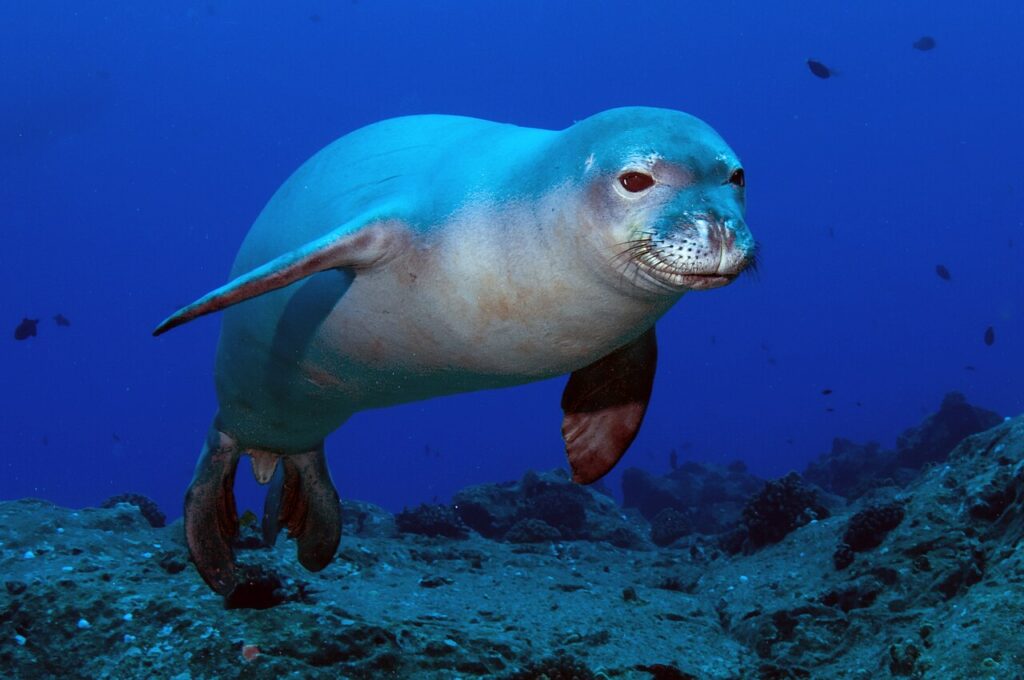
- Hawaiian monk seals — If your dog encounters one on the beach, federal law requires maintaining a safe distance. Harassing monk seals — even accidentally — can result in significant fines.
- Green sea turtles (honu) — Also federally protected. Keep pets away from turtles resting on beaches.
- Heat and sun — The tropical UV intensity is extreme. Never leave pets in parked cars (temperatures can reach 130°F+ in minutes), and watch for overheating during outdoor activity.
- Coqui frogs — Invasive but harmless to pets; extremely loud at night on the Big Island and parts of Maui.
Pet-Friendly Beaches and Parks
Hawaii does have designated dog-friendly beach areas, though they vary by county and rules change periodically. On Oahu, dog-friendly areas include sections of Maunalua Bay and Kaimana Beach area. Always check current county rules before bringing dogs to beaches — enforcement varies but fines for violations are real.
Veterinary Care
Hawaii has competent veterinary care, but costs are high — comparable to or above mainland urban prices. Specialists may require referral or travel to Oahu from neighbor islands. Pet health insurance is worth considering before you move, not after a health incident occurs.
Frequently Asked Questions
Can I bring my snake to Hawaii?
No. All snakes are prohibited in Hawaii — this is an absolute ban with no permit exceptions for private ownership. Penalties include up to $200,000 in fines and/or imprisonment. There are no legal pathways for bringing any snake species to Hawaii as a private pet.
How far in advance should I start the FAVN test process?
Start at least 4–6 months before your planned move date, and earlier is better. The FAVN test requires a 90-day waiting period after the blood draw before your pet can arrive in Hawaii, plus lab processing time, plus scheduling the veterinary appointments themselves. Starting late is the most common mistake pet owners make.
Do indoor-only cats still need to go through the quarantine process?
Yes. All cats and dogs entering Hawaii are subject to the state’s import requirements regardless of indoor/outdoor status, age, or breed. There are no exemptions based on lifestyle. The only variable is which program — 5-Day or 120-Day — your pet qualifies for based on their vaccination and test records.
What happens if my pet fails the FAVN test?
If your pet’s titer is below the 0.5 IU/ml threshold, they’ll need a booster vaccination and a new FAVN test — and the 90-day waiting period restarts from the new blood draw. This is exactly why starting the process early, with plenty of buffer time, is so important. A failed titer can push your timeline back by 3–4 months.