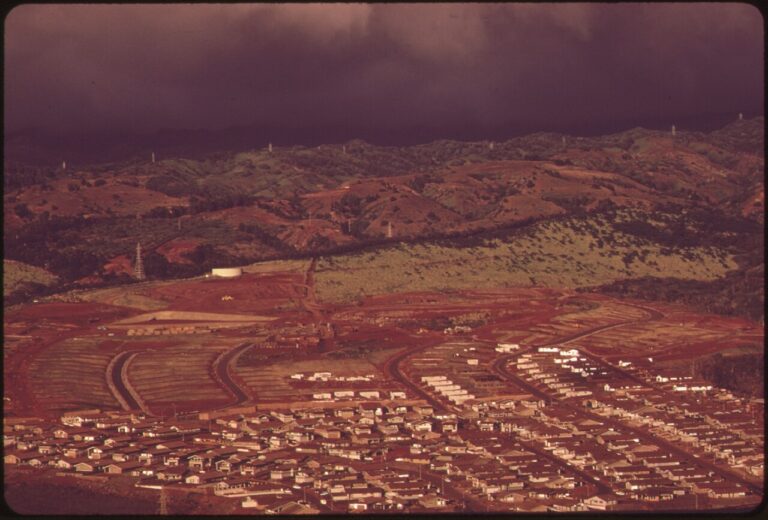
Ewa Beach used to be a sugar plantation town most Oahu visitors drove past on their way to somewhere else. Now it’s one of the fastest-growing parts of the island — the place where military families, first-time buyers, and people priced out of Honolulu end up when they actually want a newer house, a two-car garage, and a yard their kids can run around in.
I’m going to walk you through what it’s really like to live here in 2026 — the good parts (yes, there are a lot), the frustrations (traffic, mostly), and the stuff nobody puts in the glossy realtor brochures. If you’re considering a move to Ewa, this is the honest version.
Where Ewa Beach Actually Is
Ewa Beach sits on the south shore of Oahu, about 17 miles west of downtown Honolulu. It’s part of the Ewa District on the “Ewa Plain” — the flat, former sugarcane land between the Waianae Range and Pearl Harbor. On a map, you’ll see it tucked just south of Kapolei, Oahu’s self-styled “Second City.”
A few geographic anchors that’ll help you get your bearings:
- Joint Base Pearl Harbor-Hickam (JBPHH): 15–25 minutes away, depending on gate and time of day
- Daniel K. Inouye International Airport (HNL): About 20 minutes
- Downtown Honolulu / Waikiki: 30–50 minutes (more on traffic below)
- Ko Olina / Disney Aulani: 15 minutes west
Ewa Beach has a handful of distinct sub-neighborhoods that locals treat as different places, even though Zillow lumps them all under one ZIP code:
- Old Ewa Beach: The original beachfront strip along Papipi and Pohakupuna Roads. Older homes, a genuine small-town feel, and the closest you’ll get to the actual ocean.
- Ewa by Gentry: The big master-planned community inland. Newer single-family homes, HOA rules, good schools, lots of kids on bikes.
- Ocean Pointe: Newer gated-style communities closer to the shoreline, many with community pools.
- Ho’opili: The newest development, still being built out. Townhomes and walkable “village centers” — different vibe from old-school Ewa.
- Ewa Villages: The restored historic plantation neighborhood. Older character homes on the more affordable end.
The Real Cost of Living in Ewa Beach
Housing Prices
Ewa Beach is cheaper than Honolulu, Kailua, or Hawaii Kai — but let’s be clear, nothing in Hawaii is actually cheap. Here’s what the market looks like in 2026:
- Single-family homes: Roughly $700,000 for a smaller older home up to $2.5M+ for newer large homes in Ho’opili or Ocean Pointe. The sweet spot for a 3-bed/2-bath in Ewa by Gentry is around $950,000–$1.2M.
- Townhomes: $550,000–$850,000, depending on age, size, and HOA.
- Condos: $300,000–$600,000 for smaller units, up to around $950,000 for larger ones.
- Rentals: A 3-bedroom single-family home typically rents for $3,200–$4,500/month. Townhomes run $2,800–$3,800. Expect a $200–$500 HOA on top in most newer communities.
Everything Else (The Island Tax)
According to BestPlaces, Ewa Beach’s cost of living index sits around 171.5 — meaning daily costs are roughly 71.5% higher than the U.S. average. That tracks with lived experience. Ground you’ll want to brace for:
- Groceries: Expect to spend 40–60% more than mainland prices. A gallon of milk is $7–$8. Foodland and Safeway are your main options; Costco Kapolei is the weekly mission for most Ewa families.
- Electricity: HECO rates are among the highest in the country. A typical Ewa Beach home with central AC runs $300–$500/month. Rooftop solar is common here for a reason — if you’re buying, check whether the system is owned or leased.
- Gas: Usually 50–70 cents higher per gallon than the mainland. The Costco in Kapolei has the best prices on the west side.
- Car insurance: Hawaii rates are actually middle-of-the-pack compared to other states, but you’ll want to shop around.
If cost is your biggest concern, we have a full breakdown of the cost of living in Hawaii vs the mainland and a more detailed piece on how to save money while living in Hawaii. Both are worth reading before you make the jump.
Traffic, Traffic, Traffic
Let’s not pretend otherwise: the commute is the single biggest complaint you’ll hear from Ewa residents. The Ewa Plain has exactly one real highway out — the H-1 — and it gets slammed during rush hours. A few realities:
- Morning rush (town-bound): Leave after 6:30 AM and your 17-mile drive to downtown Honolulu can take 60–75 minutes. Leave at 5:45 AM and you’ll do it in 35.
- Afternoon rush (Ewa-bound): 3:30–6:30 PM is painful. H-1 westbound can stretch a 30-minute drive into 90.
- The Skyline rail: The Honolulu rail is open from East Kapolei through Aloha Stadium as of 2024–25, with the extension to downtown and the airport still in progress. A lot of Ewa commuters drive to the East Kapolei or Hoopili station, park, and hop on the train. It’s genuinely faster than sitting in H-1.
- Zipper lane: The H-1 contraflow lane between Waipahu and town is a lifesaver if you qualify (carpool/express).
If you work on JBPHH, downtown Honolulu, or around Pearl Harbor, Ewa is workable. If you work in Waikiki or further east toward Kailua or Hawaii Kai, I’d think twice — your commute will dominate your life. Check out our dedicated guide to Hawaii traffic and commute times for a full breakdown of rush-hour math.
Schools in Ewa Beach
Ewa’s school situation is one of the reasons young families move here. The Department of Education operates a cluster of relatively new schools on the Ewa Plain, and many get decent grades for public Hawaii schools:
- Keoneula Elementary — consistently one of the higher-rated elementary schools in the area; serves much of Ocean Pointe/Ewa by Gentry.
- Holomua Elementary — large campus, strong community involvement.
- Pohakea Elementary — well-regarded, especially by Niche grades.
- Iroquois Point Elementary — near the military housing, mixed reviews.
- Ewa Makai Middle School — the newest middle school in the district.
- Ilima Intermediate School — the long-established middle school option.
- James Campbell High School — the big public high school for most of Ewa. Solid athletics, huge student body.
If public school isn’t your speed, families in Ewa also commute to private schools in Kapolei (Island Pacific Academy is popular) or further east to Honolulu-area privates. We covered the fuller picture in our guide to the best public schools in Hawaii.
What There Is to Actually Do
Beaches & Outdoors
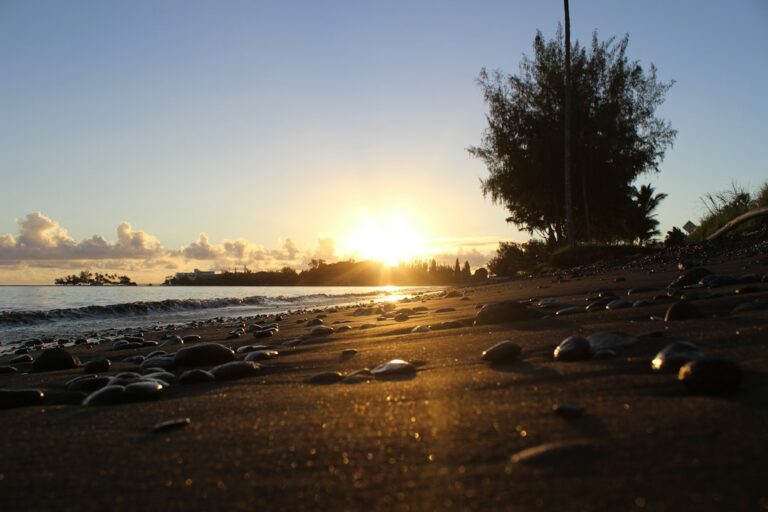
Ewa Beach itself isn’t the glossy Waikiki postcard — the sand is flatter, the water calmer, and it’s more of a locals-and-families beach than a tourist one. That’s the charm.
- Ewa Beach Park: The main public beach. Calm water, good for kids, covered picnic tables. Great for weekend gatherings.
- Oneula Beach Park: Lesser known, quieter, with good surf spots for intermediate surfers.
- Hau Bush (White Plains Beach): Right next door in Kalaeloa. One of the best longboard beaches on the south shore.
- Ko Olina Lagoons: 15 minutes west. Four man-made calm lagoons — this is where Ewa parents take the stroller crew.
Shopping & Daily Life
The good news: you don’t need to drive to Honolulu for groceries. The daily-life infrastructure on the Ewa Plain is solid.
- Ka Makana Ali’i: The big regional mall in Kapolei — Macy’s, Consolidated Theatres, tons of restaurants. 10 minutes from most of Ewa.
- Costco Kapolei: The weekly ritual. Costco gas is often 30–50 cents cheaper than anywhere else on the west side.
- Target Kapolei: Much beloved. One of the most-visited Targets on Oahu.
- Laulani Village: The newer Ewa-side shopping center with a Safeway, restaurants, and the kind of quick-trip errands spot Ewa desperately needed.
- Foodland Ewa Beach: The long-standing local grocery, still where you go for poke on the weekend.
Golf
Ewa is weirdly stacked with golf courses. West Loch, Hawaii Prince, Coral Creek, Ewa Beach Golf Club, and Kapolei Golf Course are all within 15 minutes. If you golf, this is one of the best-value areas on Oahu to live.
Who Ewa Beach Is Actually Good For
Here’s an honest read on who actually thrives in Ewa Beach:
- Military families (especially Navy/Air Force): JBPHH is close, BAH stretches further than in town, and there are whole streets of fellow military neighbors.
- Young families wanting a house: If you’ve been priced out of Kailua or Hawaii Kai but don’t want a 60-year-old fixer-upper, Ewa’s newer inventory is the obvious landing spot.
- Commuters who work on the west side or Pearl Harbor: Short drives, good home value.
- Remote workers: If you’re not going into an office, Ewa gives you a lot of square footage per dollar and quick beach access.
Who it’s probably not for:
- People who want walkable-urban life (you’ll need a car for everything).
- People commuting to east Oahu (Kailua, Hawaii Kai, Waimanalo) — you’ll hate the drive.
- Surfers chasing the North Shore — you’re looking at 90-minute round trips.
- People who want old-Hawaii character above all — the new developments feel very much like California suburbs with palm trees.
Nearby Alternatives Worth Considering
If Ewa Beach sounds close but not quite right, it’s worth comparing with a couple of other Oahu options in the same price range:
- Kapolei: Same area, more walkable to shopping, slightly more urban.
- Mililani: Central Oahu, cooler weather, more established. We have a full guide to living in Mililani if you want to compare.
- Waipahu/Waikele: Cheaper, older, better access to H-1 and the rail.
- Royal Kunia: Quieter, more inland, family-heavy.
If you’re relocating from the continental U.S. — especially as a military family — our PCS to Hawaii military relocation guide covers a lot of the logistics that aren’t Ewa-specific but you’ll need to work out anyway.
The Honest Bottom Line
Ewa Beach is the unglamorous, practical Oahu. It’s where you go when you want a Hawaii life that actually functions — newer house, reasonable-ish housing costs (for Hawaii), good schools, short drive to work if you’re on the west side. You trade sunset-over-the-water Waikiki romance for backyards, garages, and not sharing a wall with anyone.
For a lot of families — especially military, first-time buyers, and people with kids — that trade is a no-brainer. For others, the traffic and the suburban feel will feel like the worst of both worlds. Spend a couple of weekends here before you commit. Drive it at 5 PM on a Wednesday. Go to Ka Makana Ali’i on a Saturday. Have poke at Foodland. That’ll tell you more than any blog post — including this one.
Frequently Asked Questions
Is Ewa Beach a safe place to live?
Generally yes. Ewa Beach’s crime rates are lower than Honolulu’s urban neighborhoods, and the newer master-planned communities (Ewa by Gentry, Ocean Pointe, Ho’opili) are especially quiet. Like anywhere on Oahu, car break-ins happen — don’t leave valuables visible.
How bad is the commute from Ewa Beach to Honolulu?
Honest answer: bad during rush hour, fine otherwise. Off-peak, downtown Honolulu is 30 minutes. At 7 AM, the same drive can be 75+ minutes. Many residents now drive to the East Kapolei or Hoopili Skyline rail station and take the train, which bypasses most of the H-1 mess.
Is Ewa Beach good for military families?
Very much yes. It’s one of the most popular off-base choices for Navy and Air Force families stationed at Joint Base Pearl Harbor-Hickam, thanks to the 15–25 minute drive, newer housing stock, and BAH that actually stretches here. You’ll have plenty of fellow military neighbors.
What’s the weather like in Ewa Beach?
Hot and dry compared to windward Oahu. The Ewa Plain is on the leeward (dry) side of the island, so you’ll see more sun and significantly less rain than places like Kaneohe or Kailua. Expect daytime highs in the 80s year-round, with summers occasionally pushing into the low 90s. AC bills are real.