Living in Hawaii is incredible — but let’s be real, it’s expensive. Groceries cost more, rent is sky-high, and your electricity bill can make you question every light switch flip. But here’s the thing: plenty of people live comfortably in Hawaii without burning through their savings. They just know where to look.
After years of living in the islands, I’ve picked up dozens of ways to keep costs down without sacrificing the lifestyle that makes Hawaii worth it. Whether you’re planning a move or already here and feeling the pinch, this guide covers the real strategies that actually work in 2026.
Groceries: The Biggest Money Drain (and How to Fix It)
Food is where most people hemorrhage money in Hawaii. The average family spends roughly 30-40% more on groceries here compared to the mainland. But you don’t have to accept that as your reality.
Shop at Costco (Seriously, It’s Essential)
A Costco membership isn’t optional in Hawaii — it’s a survival tool. The $65 annual Gold Star membership pays for itself within a month. Gas alone saves you 40-50 cents per gallon compared to most stations. Rice, canned goods, toiletries, and frozen items are dramatically cheaper in bulk.
Costco locations on Oahu (Iwilei, Hawaii Kai, Kapolei, Waipio), Maui (Kahului), and the Big Island (Kona) all tend to be packed on weekends, so go on weekday mornings if you can swing it.
Hit the Farmers Markets
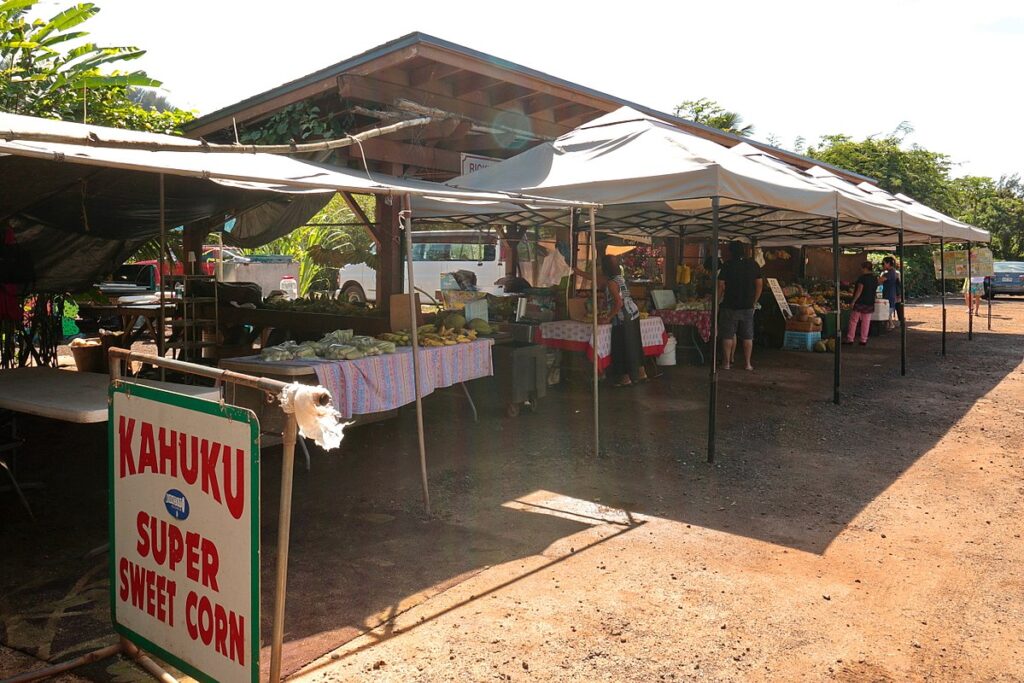
Local produce at farmers markets across Oahu is often cheaper than grocery store prices — and it’s fresher. The KCC Farmers Market (Saturday mornings at Kapiolani Community College) is the most well-known, but smaller markets like the Kailua Farmers Market and Waialua Farmers Market offer better deals with fewer crowds.
Pro tip: show up in the last 30 minutes before closing. Vendors often slash prices rather than haul produce back home. I’ve gotten bags of avocados for $2 and papayas for a dollar each this way.
Buy Local, Skip Imported
Anything shipped to Hawaii carries a markup — sometimes 50% or more. The workaround is simple: eat what grows here. Bananas, papayas, mangoes (in season), taro, sweet potatoes, and local fish are all affordable compared to mainland imports like apples, berries, and beef.
Local brands like Meadow Gold dairy, Big Island Candies, and Hawaiian Sun are priced competitively because they don’t carry shipping costs. When you build your meals around local ingredients, your grocery bill drops significantly.
Housing: Finding Affordable Rent in Paradise
Housing is the single biggest expense in Hawaii. The median rent for a one-bedroom apartment in Honolulu hovers around $1,800-$2,200 in 2026. But there are ways to bring that number down.
Look Beyond Waikiki and Honolulu
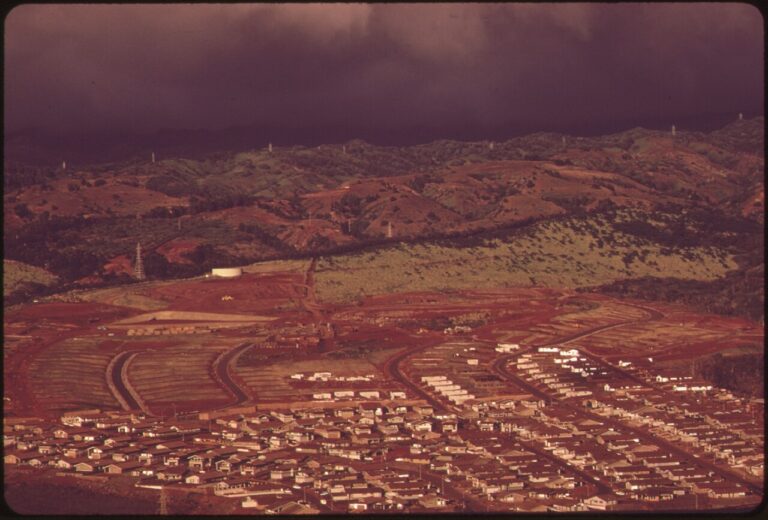
Everyone wants to live in Honolulu or on the North Shore, and that demand drives prices up. Areas like Ewa Beach, Waipahu, Mililani, and Pearl City on Oahu offer significantly lower rents — sometimes $400-600 less per month for comparable units. For more detailed strategies, check out our guide on renting in Hawaii.
On Maui, Kahului and Wailuku are more affordable than Kihei or Lahaina. On the Big Island, Hilo remains one of the most affordable places to live in the entire state, with one-bedroom apartments starting around $1,200.
Consider a Roommate Situation
This isn’t just for college kids. In Hawaii, many working professionals share housing to split costs. A two-bedroom apartment split between two people often works out to $900-$1,100 each — a massive savings over living solo. Facebook groups like “Hawaii Roommates” and Craigslist are the most common ways locals find shared housing.
House-Sitting and Caretaking
Hawaii has a surprising number of house-sitting and caretaking opportunities, especially on the Big Island and Maui. Property owners who travel frequently or own vacation homes sometimes offer free or reduced-rent housing in exchange for property maintenance. Check TrustedHousesitters, HouseSitMatch, and local community boards.
Utilities: Taming Hawaii’s Electric Bills
Hawaii has the highest electricity rates in the nation — around 38-43 cents per kWh in 2026, compared to the national average of roughly 17 cents. That means a mainland electric bill of $120 could easily be $280+ here. Our detailed breakdown of Hawaii electricity costs covers the full picture.
Go Solar If You Can
Solar panels are everywhere in Hawaii for good reason. With 270+ sunny days per year on most islands, solar is one of the best investments you can make. The federal tax credit still covers 30% of installation costs in 2026, and Hawaii’s net metering program lets you sell excess power back to the grid.
If you’re renting, ask your landlord about solar. Many rental properties already have panels installed, and some landlords pass the savings on to tenants through lower utility costs.
Use Time-of-Use Rates
Hawaiian Electric (HECO) offers time-of-use rate plans where electricity is cheaper during off-peak hours (typically 9 AM to 5 PM when solar generation is highest). Running your dishwasher, washing machine, and dryer during midday hours can cut your bill by 15-20%.
Simple Habits That Add Up
Hawaii’s year-round warm weather means you rarely need heating and can often skip AC. Ceiling fans, cross-ventilation (opening windows on opposite sides of your home), and window tinting are common strategies locals use. Line-drying clothes instead of using a dryer is standard practice here and saves $30-50/month.
Transportation: Getting Around Without Going Broke
TheBus Is Your Best Friend
Oahu’s public bus system (TheBus) is genuinely excellent. A monthly pass costs $70 in 2026 and covers unlimited rides across the entire island. Compare that to car ownership: gas ($4.50-5.50/gallon), insurance ($150-250/month), parking in Honolulu ($150-300/month), and registration fees. Going car-free on Oahu can save you $500-800 per month.
The new Skyline rail system connecting West Oahu to Ala Moana is another option that’s making car-free living more viable for commuters in Kapolei, Ewa Beach, and Pearl City.
If You Need a Car, Buy Used
New cars in Hawaii carry higher prices due to shipping costs. Used vehicles are the way to go — and Toyota Tacomas, Honda Civics, and Subaru Outbacks hold their value extremely well here, so buy one early and it’ll last. Costco gas, as mentioned, saves you 40-50 cents per gallon. Some people drive to Costco just for gas and save $20+ per fill-up.
Bike and Walk Where Possible
Hawaii’s flat coastal areas and year-round good weather make biking practical. Kailua, Haleiwa, and parts of Honolulu are very bikeable. Biki bike-share on Oahu costs $25/month for unlimited 30-minute rides — perfect for short commutes.
Food and Dining: Eating Well for Less
Plate Lunch Culture Saves Money
Hawaii’s plate lunch tradition is a budget-friendly goldmine. Spots like Rainbow Drive-In, Ono Seafood, and countless local plate lunch trucks serve massive portions for $10-14. A plate lunch with two scoops rice, mac salad, and a protein like chicken katsu or kalua pig easily covers lunch and sometimes dinner too.
Cook at Home With Local Recipes
Learning to cook local staples stretches your dollar incredibly far. A 25-pound bag of Calrose rice from Costco ($18-22) lasts a family of four about a month. Spam musubi (under $2 per serving to make at home), loco moco, and rice-based stir fries with local vegetables are all cheap, filling meals.
Grow Your Own Food
Hawaii’s climate means you can grow food year-round. Even a small lanai garden can produce herbs, cherry tomatoes, peppers, and green onions. If you have yard space, banana trees, papaya trees, and avocado trees thrive with minimal effort. Many neighborhoods have community gardens with plots available for $25-50 per year.
Entertainment: Free and Cheap Things to Do
One of the biggest advantages of living in Hawaii is that the best entertainment is free. You don’t need to spend money to have an incredible life here.
Free Activities That Never Get Old
- Beaches: Every beach in Hawaii is public. No entry fees, no reservations needed.
- Hiking: Trails like Diamond Head ($5 parking, free entry for residents), Makapuu Lighthouse, Manoa Falls, and dozens more are free or nearly free.
- Snorkeling: Hanauma Bay is $25 for non-residents but free for Hawaii residents. Shark’s Cove, Electric Beach, and Three Tables are always free.
- Cultural events: First Friday art walks in Chinatown, free hula shows at Kuhio Beach, and community festivals throughout the year cost nothing.
Budget-Friendly Entertainment
The Hawaii State Library system offers free access to books, movies, and digital resources. Museums like the Bishop Museum offer kamaʻāina (local resident) discounts — usually 30-50% off. Movie theaters have discount days, and many restaurants run happy hour specials from 3-6 PM with significantly reduced prices.
Financial Strategies for Long-Term Savings
Take Advantage of Hawaii’s Tax Benefits
Hawaii doesn’t tax Social Security benefits, and pension income receives favorable treatment. If you’re planning your move to Hawaii, factor in that while the general excise tax (GET) of 4-4.5% applies to most goods and services, there’s no sales tax on groceries at farmers markets and many local food products.
Build an Emergency Fund First
Financial advisors on the mainland suggest 3-6 months of expenses as an emergency fund. In Hawaii, aim for 6-9 months. The higher cost of living means unexpected expenses hit harder, and the job market is smaller, so finding new employment can take longer.
Use Military Resources If Eligible
Hawaii has a massive military presence — Joint Base Pearl Harbor-Hickam, Schofield Barracks, Marine Corps Base Hawaii. If you’re active duty, a veteran, or a dependent, the commissary and exchange offer mainland-level prices on groceries and goods. This alone can save a military family $300-500/month compared to shopping at civilian stores.
Quick-Win Savings Tips
- Get a kamaʻāina ID: Hawaii resident discounts are everywhere — hotels, restaurants, attractions, car rentals. Always ask.
- Shop at Don Quijote: Open 24 hours in Honolulu and Waipahu, Don Quijote (formerly Daiei) has surprisingly good prices on Japanese groceries, produce, and household items.
- Use the Flipp app: Compare weekly grocery ads from Safeway, Foodland, Times, and other Hawaii stores to find the best deals.
- Freeze and batch cook: Buy protein in bulk at Costco, portion it out, and freeze. Cook large batches of rice, curry, or stew on Sundays to last the week.
- Cancel unnecessary subscriptions: With Hawaii’s outdoor lifestyle, you’ll use streaming services and gym memberships far less than you did on the mainland.
- Collect rainwater: Legal in Hawaii and great for gardening. A simple barrel setup costs $50-75 and saves on water bills.
Frequently Asked Questions
Can you live in Hawaii on $50,000 a year?
Yes, but it requires discipline. On $50,000/year, you’d need to share housing, stick to a strict grocery budget, and minimize dining out. It’s most feasible on the Big Island (especially Hilo) or in shared housing situations on Oahu. Many single residents make it work by keeping housing costs under $1,200/month and cooking most meals at home.
What is the cheapest Hawaiian island to live on?
The Big Island (Hawaii Island) is generally the most affordable, particularly in Hilo and the Puna district. Rent, groceries, and gas are all lower than Oahu and Maui. The trade-off is fewer job opportunities and less nightlife, but many remote workers find it the best balance of affordability and quality of life.
How much does the average person spend on groceries in Hawaii per month?
The average individual in Hawaii spends roughly $450-600 per month on groceries in 2026. A family of four typically spends $1,200-1,600. However, by shopping at Costco, hitting farmers markets, buying local produce, and cooking at home, you can realistically cut those numbers by 25-35%.
Is it worth moving to Hawaii if you’re on a tight budget?
It depends on your priorities and income source. If you have a remote job paying mainland wages, Hawaii becomes much more manageable. If you’re relying on local employment, research salaries in your field first — they don’t always match the higher cost of living. Many people find that the lifestyle benefits (weather, nature, community) make the financial trade-offs worthwhile, but going in without a financial plan is a recipe for stress.