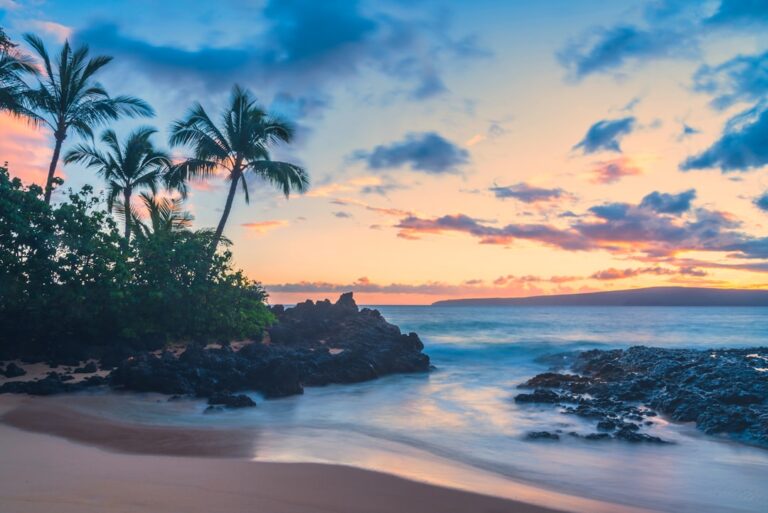
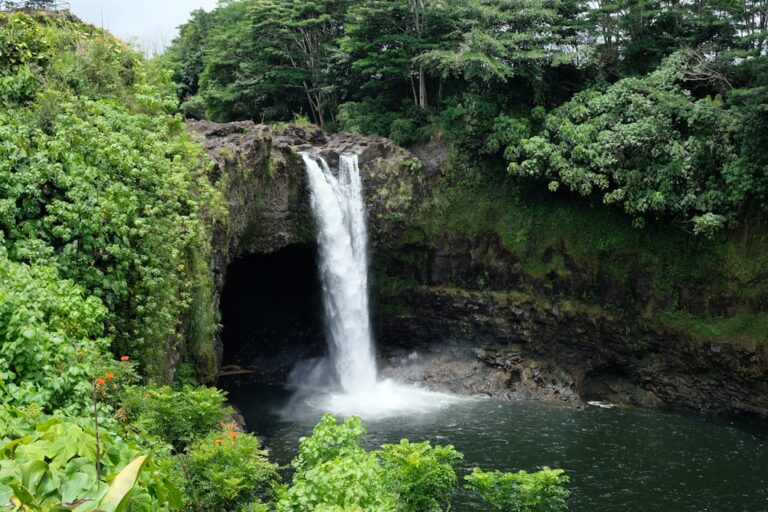
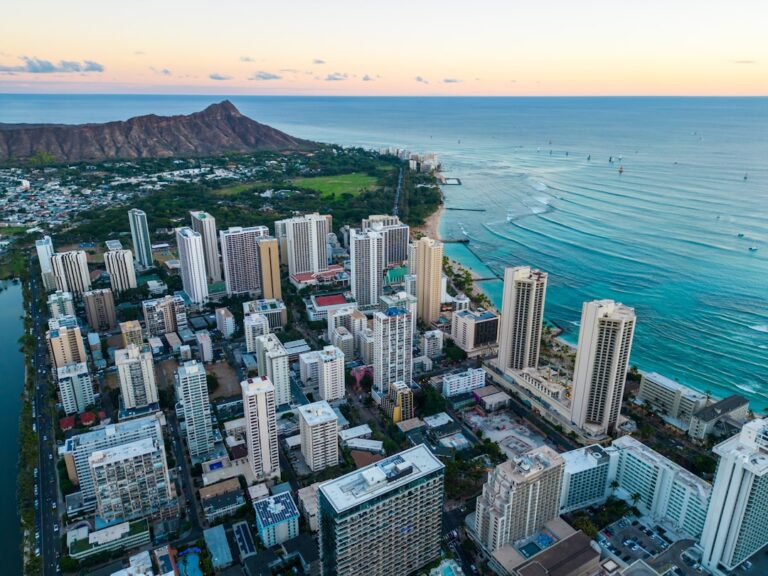
July is Hawaii at peak everything — peak crowds, peak prices, peak Fourth-of-July fireworks over Waikiki, peak south-shore surf, peak family-vacation energy. It’s also one of the most electric months on the islands, because the energy is high and the trade winds finally settle into their steadiest pattern of the year. But if you’re planning a trip, the pricing math and the crowd density both demand more strategy than any other month.
This guide walks through what July actually feels like across each Hawaiian island in 2026: the weather you can count on, the events worth flying for, the pricing reality of booking peak season, and the moves that separate a great July trip from an overpriced disappointment.
Hawaii Weather in July 2026: What to Expect
July is the hottest month in Hawaii, but “hottest” needs context. We’re talking about coastal highs in the upper 80s°F, not the triple-digit summers of Phoenix or Atlanta. Trade winds blow consistently from the northeast at 10-20 mph through most of the month, knocking 5-8°F off the perceived temperature.
According to the National Weather Service Honolulu Forecast Office, July’s average high in Honolulu is 88°F with overnight lows around 74°F. Water temperature climbs to 80-81°F — the warmest of the year, perfect for long snorkeling sessions and family swimming.
Island-by-Island Weather in July
Each island microclimate behaves a little differently in peak summer. Here’s the snapshot I’d hand a friend picking a base.
- Oahu: 88°F high / 74°F low in Honolulu. Waikiki gets 0.3″ rain on average — the driest month of the year. Trade winds keep windward Kailua and Lanikai feeling 4-6°F cooler than the south shore.
- Maui: 87°F high / 73°F low in Kahului. The Wailea and Kapalua resort coasts average less than 0.2″ rain. Upcountry Kula stays in the high 70s — bring a light layer for Haleakalā sunrise (it can hit 40°F at the summit).
The Big Island and Kauai run cooler than Oahu and Maui — about 2-3°F lower across the board, with windward sides still seeing real rainfall:
- Big Island: 85°F high / 72°F low in Kona. Hilo, on the windward side, sees 4-5 inches of rain in July (compared to Kona’s 0.1″). The Kohala Coast is reliably sunny — if you want to maximize beach time, base there over Hilo.
Kauai is the most weather-divided of the four — choose your coast intentionally:
- Kauai: 85°F high / 73°F low in Lihue. Poipu (south shore) averages 0.3″ rain in July, while Princeville and Hanalei (north shore) still see 2-3″.
Heat Advisory Reality
The National Weather Service issues occasional heat advisories in Hawaii during July, typically when humidity pushes the heat index into the mid-90s°F. These usually hit during periods when the trade winds temporarily stop blowing — sometimes called “Kona conditions.” Plan strenuous hikes for early morning if a heat advisory is active.
Surf Conditions in July
July is south-shore swell season at its peak.
Pipeline, Sunset Beach, and Waimea Bay on the north shore are summer-flat and ideal for swimming. The south shores deliver real surf — Ala Moana Bowls, Waikiki, and Diamond Head on Oahu; the Lahaina town breaks on Maui; Shipwrecks and PK’s on Kauai. Wave heights commonly run 4-8 feet, occasionally bigger. Per the NOAA National Data Buoy Center, the largest south swells of the year typically arrive in July, generated by storms in the Southern Hemisphere winter.
Hawaii Crowds in July: Peak of Peak
July is the busiest month for Hawaii tourism, period. Mainland school summer break is fully underway, family vacations are at their annual peak, and the Fourth of July week alone pulls more arrivals than any other single week of the calendar year.
The Hawaii Tourism Authority‘s monthly arrival statistics consistently show July 2025 around 945,000 visitors statewide — about 10-12% higher than June and the highest single-month total of the year. Translation: everywhere you want to go, there’s a line.
Where You’ll Feel the Crowds Most
Some Hawaii spots are always packed; others tip from “manageable” to “frustrating” specifically because of the July surge.
- Waikiki: 30-40% higher density than June; restaurant waits commonly 90 minutes
- Hanauma Bay (Oahu): Reservation drops sell out within 30 seconds of release — set a 7 AM HST alarm
- Lanikai and Kailua Beach Park: Parking is full by 8:30 AM most weekdays, 7:30 AM on weekends
The neighbor-island day-trip magnets also hit their annual peak:
- Road to Hana (Maui): Park-and-rides at Twin Falls and Wai’anapanapa State Park are at capacity by 8 AM
- Volcanoes National Park (Big Island): Parking at Kīlauea Visitor Center fills by 10 AM on weekends
- Na Pali Coast (Kauai): Catamaran and Zodiac tours regularly sell out 2 weeks in advance
Hawaii Pricing in July: The Peak-Season Math
July is the most expensive month to visit Hawaii, edging out December’s holiday peak by 3-7% on most lodging categories. Tracking the Bureau of Labor Statistics Honolulu Area accommodation CPI confirms July as the seasonal peak.
Sample 2026 Pricing by Island (Mid-Range Hotel, 4-Night Stay)
The price ladder from shoulder season to July is steep — these are the kinds of numbers that catch first-time visitors off guard:
- Oahu (Waikiki mid-range): $350-470/night
- Maui (Wailea/Kapalua mid-range): $580-820/night
- Big Island (Kailua-Kona mid-range): $310-440/night
- Kauai (Poipu mid-range): $440-600/night
Flight pricing follows the same curve. A round-trip LAX → HNL ticket that costs $380-450 in early May commonly costs $620-780 in July. The Bureau of Transportation Statistics consistently shows Hawaii routes as the steepest May-to-July markups in domestic aviation.
Rental Car Reality
This is the line item that destroys July budgets faster than any other. A standard mid-size at Honolulu Airport that costs $55/day in May runs $120-160/day in July. Maui rates run 20-30% higher than Oahu. Book in February for July travel; book yesterday if you’re flexible on dates. Discount Hawaii Car Rental, Turo, and Avis Preferred (free upgrade tier) consistently beat the major brand sticker prices.
What to Do in Hawaii in July
Fourth of July in Hawaii
Hawaii does the Fourth of July differently than the mainland. Waikiki hosts the state’s largest fireworks display, launched from a barge offshore between Hilton Hawaiian Village and the Waikiki Beach Marriott. Magic Island and the Ala Moana Beach Park lawns are the prime viewing spots — arrive by 6 PM for sunset and the 8:30 PM show. Maui’s Lahaina fireworks have returned in scaled form post-2023 fire. Kailua-Kona on the Big Island holds a popular bay-front display; Kauai’s Poipu fireworks happen at Kukui’ula Harbor.
Plan your hotel rooftop, beach mat, or restaurant reservation by mid-June at the latest if you want a good Fourth of July vantage point. Restaurants with ocean-facing windows book out weeks in advance.
Prince Lot Hula Festival (Mid-July, Honolulu)
The oldest non-competitive hula festival in Hawaii, held at Moanalua Gardens on the third Saturday of July. Free entry, all-day performances by halau from across the islands, food vendors, lei-making demonstrations. This is the cultural event worth scheduling around if you want a non-touristy Hawaiian experience. Bring a beach mat and sunscreen.
Koloa Plantation Days (Late July, Kauai)
A nine-day festival commemorating Kauai’s plantation-era heritage, with parades, rodeo, slack-key concerts, and traditional Hawaiian games. The Saturday parade through Koloa town draws thousands. If you’re on Kauai in late July, this is the local-scene event.
Snorkeling and Beach Days
July water clarity rivals June’s — 80-100 feet visibility on calm days, water at 80-81°F. The classic snorkel spots are at their best: Hanauma Bay (Oahu), Molokini Crater (Maui), Two Step at Honaunau (Big Island), Tunnels Beach (Kauai). Our snorkeling timing guide details which spots peak in which months.
Stargazing on Mauna Kea
July nights at altitude are some of the year’s clearest. The Mauna Kea visitor information center at 9,200 feet runs free nightly programs in summer. Our Mauna Kea stargazing guide covers the full planning rhythm.
Volcano Viewing on the Big Island
The Kīlauea eruption cycle has been highly active through 2025-2026, with new episodes typically occurring every 2-3 weeks. The USGS Hawaiian Volcano Observatory publishes daily activity updates and short-term forecasts. July’s long daylight makes daytime crater-rim hiking comfortable; the nighttime glow viewing is exceptional in the dry season. Full planning details in our Hawaii volcano viewing guide.
Jellyfish Warning: The July Calendar Gotcha
Box jellyfish arrive on Oahu’s south-shore beaches (Waikiki, Ala Moana, Hanauma Bay) on a predictable lunar cycle: roughly 8-10 days after every full moon. Hawaii Ocean Safety publishes the official jellyfish calendar; July 2026’s risk windows fall around the 8-10th and the 31st (give or take a day). Avoid those south-shore swims unless you want a painful sting. Maui and Kauai aren’t immune but see far fewer reported stings than Oahu.
A Sample 7-Day Hawaii Itinerary for July
Built around an Oahu + Maui split, which is the two-island combo that delivers the best Fourth-of-July experience plus the iconic Maui beach time.
Days 1-4: Oahu (Through Fourth of July)
The Oahu half is timed to put you at Waikiki for the fireworks night. Lock the hotel reservation in March for best pricing.
- Day 1: Land midday, check into Waikiki, sunset at Waikiki Beach, dinner at Duke’s or Marukame Udon
- Day 2: Sunrise at Lanikai Beach, snorkel at Hanauma Bay (reservation booked 48 hours ahead), afternoon at the Polynesian Cultural Center
The back half of the Oahu segment ramps toward the Fourth of July centerpiece:
- Day 3: Drive the North Shore — Haleiwa for breakfast, Sunset Beach and Pipeline (summer-flat), Turtle Bay for lunch, Matsumoto’s shave ice
- Day 4 (July 4): Morning at Diamond Head Crater hike, afternoon at Ala Moana Beach Park, fireworks viewing from Magic Island at 8:30 PM
Day 5: Travel to Maui
Inter-island flights on July 5 are usually less impacted than July 3 or July 6 — book early either way.
- Morning flight HNL → OGG (40 minutes, $80-120 in July)
- Pick up rental car, drive to Wailea or Kihei accommodation
- Afternoon snorkel at Wailea Beach or Kamaole III Park
- Sunset dinner at Mama’s Fish House (book in March) or Monkeypod Kitchen
Days 6-7: Maui Highlights
The Maui half centers on the two experiences first-time Maui visitors most want — Haleakalā sunrise and the Road to Hana — packed into a tight two-day window.
- Day 6: Pre-dawn drive to Haleakalā summit for sunrise (reservation required from Haleakalā National Park), return to coast by 10 AM, snorkel Molokini crater (book a morning tour), afternoon at Wailea Beach
- Day 7: Road to Hana day trip (leave by 7 AM), stops at Twin Falls, Wai’anapanapa Black Sand Beach, Pipiwai Trail to Waimoku Falls; return for sunset; fly home the next morning
What to Pack for Hawaii in July
Hawaii in July is forgiving on packing — light layers, fast-drying everything, sun protection. The list below is what I’d build out from scratch.
- Reef-safe sunscreen (Hawaii law bans oxybenzone and octinoxate)
- Two swimsuits — one always wet, one always dry
- UV-blocking long-sleeve rash guard (July sun is unforgiving)
- Wide-brim hat and polarized sunglasses
- Light rain jacket for windward-side excursions
- Hiking sandals (Tevas, Chacos) plus closed-toe shoes for lava rock
- Warm layer for Haleakalā sunrise or Mauna Kea (it can hit 40°F at altitude)
- Reusable water bottle — tap water is excellent and saves $40-80 over a week
How July Compares to Other Months
Our month-by-month comparison guide ranks every month against the others. The short version is that July maximizes “everything is open and happening” but minimizes “value and elbow room.”
The most useful comparisons for a July trip planner:
- vs. June: July is 2-3°F hotter, more crowded, and 25-40% more expensive. June (especially first half) is a meaningful value upgrade.
- vs. August: Near-identical weather. August is slightly cheaper and slightly less crowded once mainland schools start phased reopens. Hurricane season risk ticks up.
And the comparisons against the genuinely lower-traffic months:
- vs. September: September is the cheapest weather-comparable month of the year — 40-50% less than peak July. If your travel dates are flexible, September wins almost every value comparison.
- vs. December/January (December and January guides): Winter has whales, surf, and holiday energy. July has stable weather and big-event programming but no whales.
Frequently Asked Questions
Is July a good time to visit Hawaii?
July is a great time to be in Hawaii if you want maximum sunshine, family-friendly conditions, and big-event programming like Fourth of July fireworks. It’s the most expensive and most crowded month — so if budget or elbow room matter more than peak energy, consider June or September instead.
How crowded is Hawaii in July?
July is the busiest month of the year for Hawaii tourism. Waikiki, the Road to Hana, Hanauma Bay, and the Na Pali Coast tours all hit annual-peak demand. Book accommodations 4-6 months ahead, reservation-required attractions 48 hours to 2 weeks ahead, and inter-island flights as early as possible.
How much does a Hawaii vacation cost in July?
For a couple flying from the West Coast, expect $5,500-7,800 for a 7-day trip in peak July (flights + mid-range hotel + rental car + meals + activities). Add 25-35% for East Coast departures. Families of four typically spend $9,000-13,500 for the same trip.
Can I see whales in Hawaii in July?
No. Humpback whale season runs roughly mid-November through mid-April. By July, the entire North Pacific humpback population has migrated back to Alaskan waters. If whales are essential to your trip, plan for January through March; see our whale season guide.
Is the water warm enough to swim in Hawaii in July?
Yes — July water temperature averages 80-81°F, the warmest of the year. You can snorkel for hours without a wetsuit. The biggest swim-related concern in July is south-shore box jellyfish during their post-full-moon arrival windows, not water temperature.
What’s the best Fourth of July fireworks viewing spot in Hawaii?
Magic Island and the lawns at Ala Moana Beach Park are the prime viewing for Waikiki’s fireworks barge. Arrive by 6 PM for sunset and the 8:30 PM show, bring a beach mat, and budget extra rideshare time after — Kalakaua Avenue closes for hours post-show. Restaurants with ocean-facing windows (Hula Grill Waikiki, Duke’s Waikiki) take reservations months out for July 4.
Is there a hurricane risk in Hawaii in July?
Low but not zero. Per the National Hurricane Center, Hawaii’s central Pacific hurricane season officially runs June 1 through November 30, but the peak threat window is August-September. July sees occasional named storm activity but rarely a direct Hawaii impact. Our hurricane season guide details the full timeline.
Should I visit Oahu or Maui in July?
If it’s your first Hawaii trip and you can only pick one, Oahu wins for July because of the Fourth of July energy, the cultural festivals (Prince Lot Hula Festival, Pan-Pacific events), and the easier inter-island add-on. Maui is the better single-island pick if you want beach-focused luxury with day-trip variety (Hana, Haleakalā, snorkeling). Two-island trips combining both are the most popular July itinerary.
Bottom Line: When to Book Hawaii in July 2026
July is peak season — there’s no shoulder-season pricing to chase. If your dates are locked to July, book everything by mid-March 2026 at the latest: flights, lodging, rental cars, popular reservations (Hanauma Bay, Haleakalā sunrise, snorkel tours), and Fourth of July dinner reservations.
If your dates are flexible by even a few weeks, late June or late August deliver near-identical weather at 20-35% lower total cost. September is the value champion of the year. But if you specifically want the Fourth of July fireworks, the Prince Lot Hula Festival, or peak-of-peak summer energy, July is the month to commit to — just commit early.
For deeper island-by-island planning, our best-time-to-visit each island guide ranks all four major islands month by month against the same criteria.