Why Camping in Hawaii Is Different From Anywhere Else
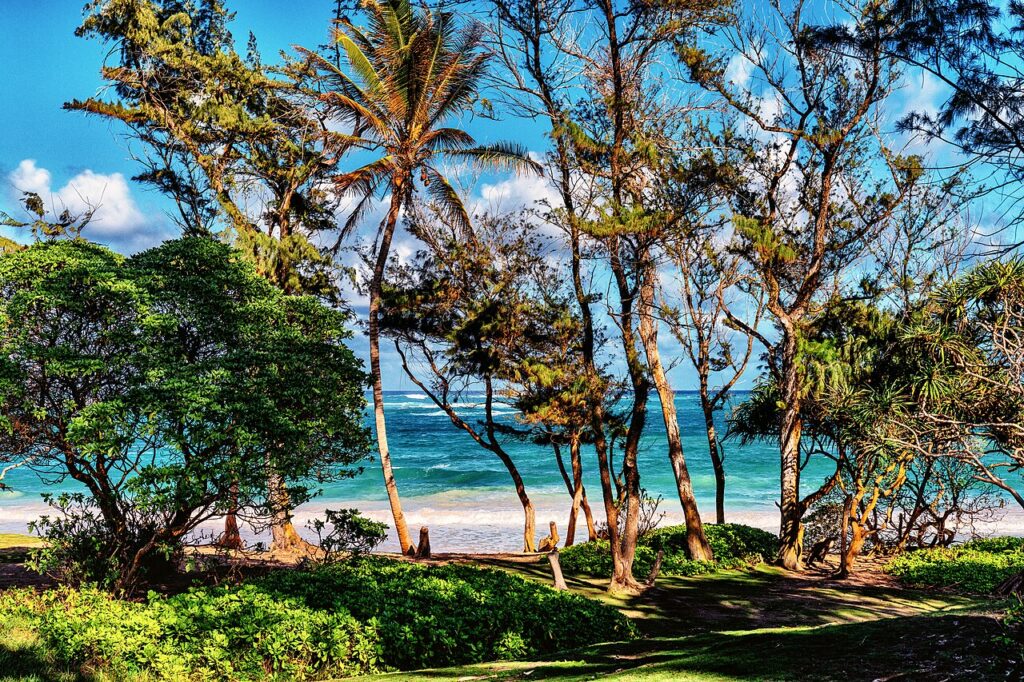
Forget everything you know about camping on the mainland. In Hawaii, you can fall asleep to the sound of waves crashing 20 feet from your tent, wake up to a sunrise over the Pacific, and spot sea turtles before you’ve even had your morning coffee. But Hawaii camping also comes with its own set of rules, permits, and quirks that trip up first-timers and longtime residents alike.
Whether you’re a local looking for a weekend escape or planning a budget-friendly island adventure, this guide covers every permit system, the best campsites on each island, and the practical tips you actually need to know before pitching your tent in paradise.
Understanding Hawaii’s Camping Permit System in 2026
Here’s the thing that catches most people off guard: you can’t just show up and camp in Hawaii. Every single legal campsite — state parks, county parks, national parks — requires a permit or reservation. No exceptions.
Hawaii has three separate permit systems, and they don’t talk to each other:
State Park Permits (DLNR)
The Department of Land and Natural Resources manages campgrounds across all islands through their online reservation system at camping.ehawaii.gov. Here’s what you need to know:
- Cost: $20/night per campsite for Hawaii residents, $30/night for non-residents (up to 10 people per site)
- Advance booking: Up to one year ahead for most parks, but only 30 days ahead for all O’ahu parks and Kīholo State Park Reserve on the Big Island
- Age requirement: You must be 18+ to obtain a permit
- Refund policy: No refunds within 15 days of check-in — no exceptions. There’s also a $5 per permit cancellation fee
- Payment: Credit card online, or credit card/cash/money order in person at district offices (open Mon-Fri, 8am-3:30pm)
The notable exception is Nāpali Coast State Wilderness Park on Kaua’i, which charges per person — $25/night for residents, $30/night for non-residents. Given the Kalalau Trail’s popularity, these permits sell out fast.
County Park Permits
Each county runs its own camping system with different rules:
- City & County of Honolulu (O’ahu): Manages 218 campsites across 17 campgrounds at 14 parks. Permits are available online or at satellite city halls. Campgrounds typically close one or two days per week for maintenance.
- County of Hawai’i (Big Island): Permits through portal.ehawaii.gov or by calling (808) 961-8311
- County of Maui: Permits through the Department of Parks and Recreation
- County of Kaua’i: Online permits for county beach parks like Anini, Haʻena, and others
National Park Permits
Hawai’i Volcanoes National Park on the Big Island and Haleakalā National Park on Maui have their own systems through Recreation.gov. Campsite fees at Hawai’i Volcanoes run $15/night at Nāmakanipaio and $10/night at Kulanaokuaiki (2026 prices), plus the $30 park entrance fee (or use your America the Beautiful pass).
Best Camping Sites by Island
O’ahu: Beach Camping Close to Town
O’ahu might be the most urban Hawaiian island, but it has surprisingly great camping — if you can snag a permit (remember, only 30 days in advance).
- Mālaekahana State Recreation Area — The crown jewel of O’ahu camping. Located on the windward coast between Lā’ie and Kahuku, this beach campground sits on a gorgeous stretch of white sand with views of Goat Island (Moku’auia). Swimming, kayaking, and paddleboarding are all fantastic here. It fills up fast on weekends.
- Bellows Field Beach Park — A military beach park open to the public for camping on weekends (Friday noon to Sunday/Monday). The beach is stunning, the water is calm, and it’s one of the most family-friendly spots on the island.
- Kahana Bay Beach Park — Ahupua’a ‘O Kahana State Park offers camping backed by a lush valley on the windward side. Less crowded than Mālaekahana, with decent snorkeling when conditions are calm.
Big Island: Volcanoes to White Sand
The Big Island has the most diverse camping options in the state, from volcanic landscapes to secluded beaches. If you’re exploring which island fits your lifestyle best, the Big Island’s outdoor access is hard to beat.
- Hapuna Beach State Recreation Area — One of Hawaii’s best white sand beaches with A-frame shelters ($40-$70/night) and tent sites. The beach consistently ranks among the top in the nation. Morning sessions here before other visitors arrive are magical.
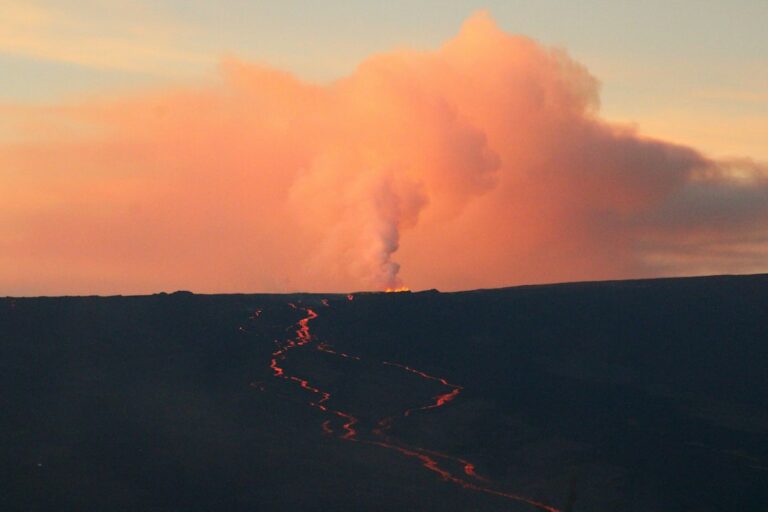
- Hawai’i Volcanoes National Park — Camp at Nāmakanipaio (drive-in, near Kīlauea) or Kulanaokuaiki (more remote, requires a short drive on a rugged road). Sleeping next to an active volcano is a bucket-list experience. Bring warm layers — it’s at 4,000 feet elevation and nights get into the 50s°F.
- Kalōpa State Recreation Area — A hidden gem in the Hāmākua Coast rainforest. Cabins ($70-$100/night) and tent camping surrounded by native ‘ōhi’a lehua forest. Perfect for hikers and birdwatchers.
Maui: Crater Camping and Black Sand
- Haleakalā National Park — Camp at Hosmer Grove near the summit for stargazing that will ruin every other night sky for you. Backcountry camping inside the crater (at Hōlua or Palikū) requires a wilderness permit and is a truly otherworldly experience.
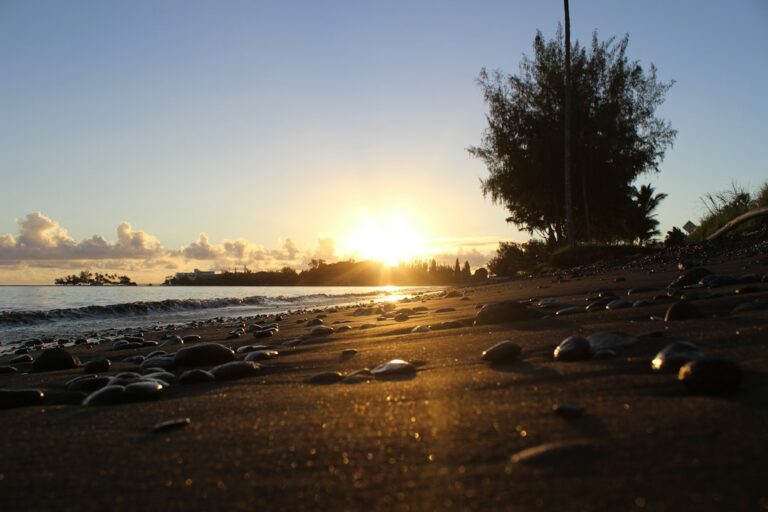
- Wai’ānapanapa State Park — Right on Maui’s famous black sand beach along the Road to Hāna. Tent camping and cabins are available, but competition for permits is fierce. Book the moment they become available.
- Polipoli Spring State Recreation Area — Up at 6,200 feet on the slopes of Haleakalā, this forested campground feels more like the Pacific Northwest than Hawaii. Cool temperatures, eucalyptus and redwood groves, and very few people.
Kaua’i: The Adventurer’s Paradise
Kaua’i offers what many consider Hawaii’s ultimate camping experiences. The cost of living on Kaua’i is high, but its campgrounds are some of the most affordable ways to experience the Garden Isle.
- Polihale State Park — At the end of a rugged dirt road on Kaua’i’s west side, Polihale is 17 miles of pristine, remote beach backed by towering sea cliffs. Sunsets here are legendary. You’ll need a vehicle with decent clearance (4WD recommended, especially after rain), and you should pack in everything including water.
- Kalalau Beach (Nāpali Coast) — The reward at the end of the 11-mile Kalalau Trail. This is world-class backpacking — dramatic sea cliffs, waterfalls, and a beach that feels like the edge of the earth. Permits are required and limited; plan months ahead.
- Anini Beach Park — County-managed beach camping on the north shore with calm water protected by one of Hawaii’s longest fringing reefs. Great for families with young kids.
What to Bring: Hawaii Camping Gear Essentials
Hawaii camping requires a different gear list than mainland trips. Here’s what actually matters:
Shelter and Sleep
- Rain-ready tent: Even “dry side” campgrounds can get surprise showers. A tent with a full rain fly and good ventilation is essential — you’ll want airflow in the humidity but protection from tropical downpours
- Lightweight sleeping bag or liner: Coastal campgrounds rarely dip below 65°F at night, so a sheet liner or ultra-light bag works. Exception: high-elevation camps like Haleakalā or Volcanoes, where you’ll want a bag rated to 40°F
- Ground tarp: Protects your tent floor from coral, lava rock, and red dirt that stains everything it touches
Protection Essentials
- Reef-safe sunscreen: Hawaii law bans sunscreens containing oxybenzone and octinoxate. Use mineral-based (zinc oxide) sunscreen — it’s the law and it protects the reefs you’ll be snorkeling over
- Mosquito repellent: Especially for windward and valley campgrounds. Mosquitoes in Hawaii can carry dengue fever — this isn’t mainland camping where bites are just annoying
- Water shoes or tabis: Rocky shorelines and reef make water shoes essential. Locals often use “tabis” (Japanese-style reef boots)
Food and Water
- Cooler with ice: You can grab ice at most gas stations and convenience stores. ABC Stores on O’ahu are your best friend
- Camp stove: Open fires are prohibited at most campgrounds. Where fires are allowed, they must be in a container, and you need water on hand to extinguish
- Water containers: Some remote campgrounds (like Polihale) have no potable water. Always check before you go
Important Rules and Safety Tips
Camping in Hawaii isn’t just about comfort — there are real safety considerations and cultural responsibilities to keep in mind.
Leave No Trace (and Then Some)
Hawaii’s ecosystems are incredibly fragile. Pack out everything. Don’t disturb native plants, nesting seabirds (like shearwaters that nest in burrows — watch where you step at night), or any wildlife. If you see a Hawaiian monk seal on the beach, keep at least 50 feet away — they’re critically endangered, and approaching them is a federal offense.
Respect the ‘Āina
Many camping areas are on or near sacred Hawaiian sites. Stay on established paths, don’t stack rocks into cairns (this can disturb cultural sites), and understand the local culture before your trip. If you encounter offerings (wrapped in ti leaves, for example), don’t touch them.
Weather and Ocean Safety
- Flash floods: Valley and stream-side campgrounds can flood rapidly during heavy rain. Check weather forecasts and never camp in a dry streambed
- High surf: Winter swells (October through March) on north-facing shores can produce massive waves. What looks like a calm beach can have powerful shore break
- Box jellyfish: On O’ahu’s south-facing beaches, box jellyfish arrive roughly 8-10 days after a full moon. Check the jellyfish calendar before planning beach camping
Security
Let’s be real: theft at campgrounds happens, particularly at popular O’ahu spots. Never leave valuables in your tent or visible in your car. Use a steering wheel lock if you’re concerned. Camp with others when possible, and trust your instincts about a site’s vibe when you arrive.
Budget Tips: Camping as Affordable Hawaii
At $20-$30 per night for a campsite that fits up to 10 people, camping is hands-down the cheapest way to experience Hawaii. Compare that to even the most basic hotel room at $200+/night, and the math speaks for itself.
- Split costs: A $30 campsite divided among friends brings costs to just a few dollars per person per night
- Cook your own meals: Hit up farmers’ markets for fresh local produce. The KCC Farmers’ Market on O’ahu (Saturday mornings) and the Hilo Farmers Market on the Big Island are legendary
- Rent gear locally: If you’re flying in, several shops on each island rent camping gear so you don’t have to haul it. On O’ahu, check out rental shops in Hale’iwa
- Island hop by camping: String together campgrounds across multiple islands for an adventure trip that costs a fraction of a resort vacation
Frequently Asked Questions
Do you need a permit to camp in Hawaii?
Yes, every legal campground in Hawaii requires a permit or reservation — no exceptions. State parks are booked through camping.ehawaii.gov, county parks through each county’s parks department, and national parks through Recreation.gov. Camping without a permit can result in fines and having your gear confiscated.
How much does it cost to camp in Hawaii in 2026?
State park campsites cost $20/night for Hawaii residents and $30/night for non-residents (per campsite for up to 10 people). County parks vary by island but are generally similar or slightly cheaper. National park campgrounds at Hawai’i Volcanoes run $10-$15/night plus the $30 park entrance fee. Cabins range from $40-$100/night depending on the facility.
What is the best island for camping in Hawaii?
It depends on what you’re after. Kaua’i offers the most dramatic scenery (Nāpali Coast, Polihale), the Big Island has the most variety (volcanoes to beaches), Maui has unique high-elevation camping at Haleakalā, and O’ahu has the most accessible beach camping. For first-timers, the Big Island offers the best combination of options and availability.
Can you camp on the beach in Hawaii?
Yes, but only at designated beach campgrounds with a valid permit. Popular beach camping spots include Mālaekahana and Bellows on O’ahu, Hapuna Beach on the Big Island, Polihale on Kaua’i, and Wai’ānapanapa on Maui. You cannot simply set up a tent on any beach — this is illegal and enforced.