Moving to Hawaii with Kids: Complete Family Guide (2026)
You’re considering one of the biggest adventures your family will ever experience: moving to Hawaii. As a parent who’s helped countless families make this transition, I understand the mix of excitement and anxiety you’re feeling right now. Will your kids adjust? Can you afford it? Which island is best for families?
I’ve seen families thrive in Hawaii—watching their children grow up surfing, exploring volcanic landscapes, and embracing the rich cultural diversity of the islands. I’ve also witnessed the challenges: culture shock, budget strain, and the reality that paradise comes with its own set of trade-offs.
This guide will give you the honest, parent-to-parent advice you need to make this move successfully. Let’s dive in.
Is Hawaii Good for Families? The Honest Truth
Let me be direct: Hawaii can be absolutely wonderful for families, but it’s not for everyone. The islands offer unique opportunities for childhood that you simply can’t replicate on the mainland. But they also present real challenges that you need to understand before making the leap.
The Pros: Why Families Love Hawaii
Year-Round Outdoor Lifestyle: Your kids will spend more time outside than they ever did on the mainland. Beach days, hiking, snorkeling, surfing—these become normal weekend activities, not special vacations. The temperate climate means outdoor play every single day.
Cultural Diversity and Aloha Spirit: Hawaii’s melting pot of cultures—Native Hawaiian, Japanese, Filipino, Chinese, Portuguese, and more—gives children an incredible appreciation for diversity from an early age. The concept of “aloha spirit” emphasizes kindness, respect, and community connection.
Safety and Community: Most Hawaiian neighborhoods have a strong sense of community. Children often play together across yards, neighbors look out for each other, and there’s generally less stranger danger than in many mainland cities. Hawaii has no natural predators like bears or venomous snakes.
Unique Educational Opportunities: Children in Hawaii learn about volcanos, ocean ecosystems, sustainability, and Hawaiian culture firsthand—not from textbooks. The islands themselves are living classrooms.
Slower Pace of Life: “Island time” is real. Life moves at a gentler pace, which many families find reduces stress and allows more quality time together.
The Cons: Real Challenges Families Face
Extremely High Cost of Living: This is the biggest obstacle. Housing, groceries, childcare, and virtually everything costs significantly more than most mainland locations. Grocery prices in Hawaii alone can shock newcomers—expect to pay 50-100% more than you’re used to.
Geographic Isolation: You’re 2,500 miles from the mainland. Visiting grandparents means expensive flights. Your kids will miss out on spontaneous visits with extended family. If there’s a family emergency, getting to the mainland quickly is costly and stressful.
School System Challenges: Hawaii’s public school system ranks among the lowest in the nation by many metrics. While there are excellent schools, you may need to be strategic about location or consider private education, which adds significant expense.
“Mainland” Status: Your children will be “the new kids from the mainland,” and integration into local communities varies by island and neighborhood. Some areas are more welcoming to newcomers than others. Cultural sensitivity and humility go a long way.
Limited Activities Compared to Major Cities: There are no major theme parks, limited shopping, fewer organized sports leagues in some areas, and less variety in children’s classes and programs than you might find in a large mainland city.
Island Fever: The flip side of paradise is that you’re on an island. Some families (and especially teens) eventually feel constrained by the limited geography and crave the variety and opportunities of the mainland.
Best Hawaiian Islands for Families: Comparison Guide
Each island offers a different family experience. Here’s how they compare:
| Island | Best For | Family Pros | Family Cons | Relative Cost |
|---|---|---|---|---|
| Oahu | Families wanting amenities, job opportunities, and variety | Best schools, most activities, excellent healthcare, diverse neighborhoods, military community support | Most crowded, traffic congestion, highest competition for resources | High |
| Maui | Families seeking balance of amenities and small-town feel | Beautiful beaches, good schools in certain areas, family-friendly communities, less crowded than Oahu | Very expensive housing, limited job market, tourist-heavy areas | Highest |
| Big Island (Hawaii) | Adventurous families, remote workers, nature lovers | Most affordable housing, diverse climates, space and privacy, incredible nature experiences | Limited activities, schools vary greatly by area, long drives, fewer pediatric specialists | Moderate |
| Kauai | Families wanting small-town, tight-knit community | Safest feel, strong community, spectacular nature, slower pace | Very limited activities and shopping, small school system, isolation, limited healthcare | High |
For most families, especially those relocating for the first time, Oahu offers the best combination of job opportunities, school options, healthcare, and family amenities. It’s the most “mainland-like” in terms of services while still offering authentic Hawaiian experiences.
For more detailed island comparisons, check out our best Hawaiian island to live on guide.
Schools in Hawaii: What Parents Need to Know
Education is often the biggest concern for parents considering Hawaii. Let me give you the unvarnished truth and the strategies that work.
Public Schools: The Reality
Hawaii has a single statewide school district—the only state structured this way. While this creates consistency in some ways, the public school system faces challenges: aging facilities, teacher shortages, and lower test scores compared to national averages.
However—and this is important—there are excellent public schools in Hawaii. The key is location. Schools in certain neighborhoods (particularly in central and windward Oahu) perform much better and have active parent communities. Do your research on specific schools, not just the system as a whole.
Read our comprehensive guide to schools in Hawaii for detailed information on the public system, including how to navigate the lottery for highly-ranked schools.
Private Schools: A Popular Option
About 20% of Hawaii students attend private schools—one of the highest rates in the nation. Tuition ranges from $8,000 to over $30,000 per year. Top-tier schools like Punahou, Iolani (Oahu), and Seabury Hall (Maui) have excellent reputations but also competitive admissions and waitlists.
Many families find that mid-tier private schools offer a good balance of quality and affordability. Our private schools in Hawaii guide provides detailed comparisons.
Special Education Services
If your child has special needs, research this carefully before moving. Hawaii provides special education services, but availability and quality vary by island and district. Specialized therapies may have waiting lists. Read our special education in Hawaii guide for specific resources.
Childcare and Preschool Costs
Prepare yourself: childcare in Hawaii is expensive and often has waiting lists.
Cost Ranges (2026)
| Type of Care | Monthly Cost Range | Notes |
|---|---|---|
| Infant care (0-12 months) | $1,200 – $2,000 | Highest cost; longest waiting lists |
| Toddler care (1-3 years) | $1,000 – $1,800 | Still very competitive |
| Preschool (3-5 years) | $800 – $1,500 | Half-day programs available for less |
| Before/After school care | $300 – $600 | For school-age children |
| In-home nanny/babysitter | $15 – $25/hour | Depends on experience and number of children |
Pro tip: Start your childcare search immediately—ideally before you even move. Many quality programs have waiting lists of 6-12 months. Our preschools in Hawaii guide includes specific recommendations and application timelines.
Some military families have access to subsidized childcare through base programs, which can significantly reduce costs.
Compare quotes for shipping to Hawaiʻi.
Ocean freight to the islands is priced by the cubic foot and varies wildly by route. Tell us about your move and we’ll come back with the shipping options and quotes that apply to yours. Free, and no obligation.
Best Neighborhoods for Families by Island
Choosing the right neighborhood is crucial for your family’s happiness. Here are family-friendly areas on each major island:
Oahu
- Kailua: The quintessential family neighborhood. Excellent schools, beautiful beach, active parent community, farmers markets, and a walkable town center. Expensive but highly desired.
- Kaneohe: More affordable than Kailua, good schools, family-oriented, close to nature (hiking trails, botanical gardens). Slightly wetter climate.
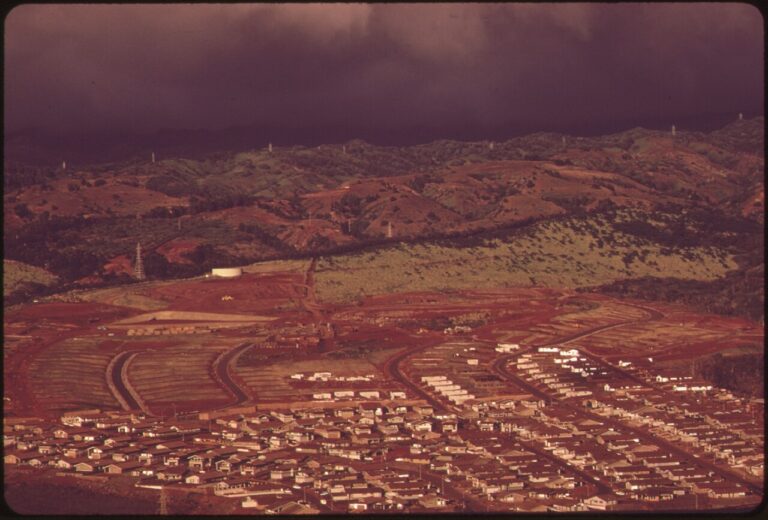
- Mililani: Master-planned community in central Oahu. Good schools, suburban feel, community pools and parks, more affordable housing. Further from the beach but family-centric.
- Aiea/Pearl City: Central location, decent schools, more affordable, family neighborhoods. Close to military bases.
- Hawaii Kai: Beautiful location on the eastern end of Oahu, family-friendly, good schools, marina and ocean activities. Pricey and distant from Honolulu jobs.
Maui
- Kihei: Sunny, family beaches, good mix of locals and transplants, more affordable than Wailea. Active family community.
- Wailuku/Kahului: Central Maui, most affordable, close to schools and services, less touristy, authentic local feel.
- Paia: Small town vibe, artsy community, families who love surf culture. Limited schools nearby.
Big Island
- Kailua-Kona (westside): Sunny, good schools, family amenities, growing community. Tourist areas but also residential neighborhoods.
- Waikoloa Village: Family-oriented community, good schools, recreation center, more affordable than coastal areas.
- Hilo (eastside): Small-town feel, more affordable, diverse community, rainier climate. University town atmosphere.
Kauai
- Kapaa: East side town, family-friendly, coastal bike path, local schools, community feel.
- Kalaheo: Quieter, affordable, families seeking space and slower pace.
- Princeville/Kilauea (North Shore): Stunning but expensive, smaller family community, more isolated.
For affordability comparisons across neighborhoods, see our cheapest places to live in Hawaii guide.
Outdoor Activities for Kids in Hawaii
This is where Hawaii truly shines for families. Your children will have opportunities that mainland kids only dream about.
Beach and Ocean Activities
- Swimming and Snorkeling: Kids can learn to snorkel in calm bays, spotting sea turtles, tropical fish, and even dolphins. Beaches like Hanauma Bay (Oahu) are perfect for beginners.
- Surfing and Bodyboarding: Many kids start surfing as young as 5-6 years old. Surf schools offer lessons, and local beaches have gentle waves for learning.
- Stand-Up Paddleboarding: Calm bays make this accessible even for younger children with parental guidance.
- Tide Pooling: Exploring tide pools teaches marine biology hands-on.
Hiking and Nature
- Waterfalls: Easy hikes to waterfalls like Manoa Falls (Oahu) or Waimea Falls are family favorites.
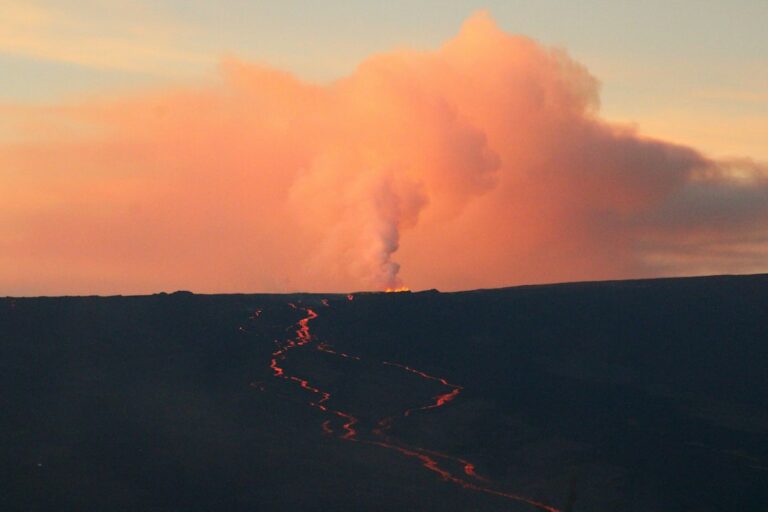
- Volcano Exploration: On the Big Island, kids can see active lava flows (safely), explore lava tubes, and visit Volcanoes National Park.
- Rainforest Trails: Many islands offer easy rainforest walks where kids can see unique plants and birds.
- Botanical Gardens: Free or low-cost gardens on every island provide educational outdoor experiences.
Unique Hawaiian Experiences
- Cultural Activities: Hula lessons, lei-making, ukulele classes, and learning basic Hawaiian language.
- Farm Tours: Visit coffee, pineapple, or macadamia nut farms. Many offer hands-on activities for kids.
- Whale Watching: December through April, humpback whales migrate to Hawaiian waters. Boat tours or even beach viewing can spot them.
- Stargazing: On the Big Island’s Mauna Kea, families can experience world-class stargazing.
Sports and Recreation
- Youth soccer, baseball, basketball leagues (availability varies by island)
- Outrigger canoe paddling clubs (deeply cultural and community-building)
- Tennis and swimming clubs
- Martial arts programs (many emphasizing discipline and respect)
Healthcare and Pediatricians
Healthcare access varies significantly by island, and this is a crucial consideration for families.
Oahu
Oahu has the best healthcare infrastructure in Hawaii. Multiple excellent hospitals including Kapiolani Medical Center for Women & Children, which specializes in pediatrics. Many pediatricians, specialists, and urgent cares. Generally, you can get appointments within a reasonable timeframe.
Neighbor Islands
Maui, Big Island, and Kauai have hospitals and pediatricians, but fewer specialists. For serious medical issues, families sometimes need to fly to Oahu. Wait times for pediatricians can be longer, and some specialties may not be available locally.
Before moving:
- Research pediatricians in your intended area and confirm they’re accepting new patients
- If your child has special healthcare needs, verify specialist availability
- Understand your health insurance coverage—some mainland plans have limited Hawaii networks
- Know the nearest emergency room and urgent care locations
The Real Cost of Raising Kids in Hawaii
Let’s talk numbers. Here’s what a family of four typically spends monthly (2026 estimates):
| Expense Category | Oahu | Maui | Big Island/Kauai |
|---|---|---|---|
| Housing (3BR rental) | $3,000 – $4,500 | $3,200 – $5,000 | $2,200 – $3,500 |
| Groceries | $1,200 – $1,500 | $1,200 – $1,500 | $1,100 – $1,400 |
| Childcare (one child) | $1,000 – $1,800 | $1,000 – $1,600 | $800 – $1,400 |
| Utilities | $300 – $500 | $300 – $500 | $250 – $450 |
| Transportation | $400 – $600 | $400 – $600 | $400 – $600 |
| Activities/Entertainment | $300 – $500 | $300 – $500 | $200 – $400 |
| Monthly Total | $6,200 – $9,400 | $6,400 – $10,100 | $4,950 – $7,750 |
Additional costs to consider:
- Private school tuition: $700 – $2,500+ monthly per child
- Mainland travel to visit family: $400 – $800 per ticket, 2-4 times per year
- Summer camps: Often more expensive or less available than mainland
- Extracurricular activities: Sports, music lessons, etc.
For more budgeting help, see our grocery prices guide for specific cost comparisons.
Making Friends and Finding Community
This is one of the biggest challenges for families moving to Hawaii, but it’s absolutely achievable with the right approach.
Best Ways to Build Community
Through Your Children’s Activities: Sports teams, surf lessons, hula classes, and school events are natural community builders. Other parents become your social circle.
School Involvement: Volunteer in the classroom, join the PTA, attend school events. This helps both you and your children integrate.
Neighborhood Connections: Be the friendly neighbor. Wave, chat, bring cookies. Hawaiian culture values connection and generosity.
Faith Communities: Churches and religious organizations often have active family groups and are welcoming to newcomers.
Outdoor Groups: Join family hiking groups, beach cleanup volunteers, or paddling clubs. Shared activities build bonds.
Online Communities: Facebook groups for parents in your specific town or island can help you find playdates, swap advice, and ask questions.
Cultural Sensitivity Matters
Approach Hawaii with humility and respect. Learn about Hawaiian history, including the overthrow of the Hawaiian Kingdom and its lasting impact. Teach your children to respect the land (aina) and culture. Don’t move to Hawaii expecting to change it—move to learn from it.
Simple things matter:
- Remove shoes before entering homes
- Bring a small gift when invited to someone’s home
- Learn a few Hawaiian words and their proper meanings
- Respect cultural sites and sacred places
- Don’t act entitled or like a tourist in your own community
Military Families Moving to Hawaii with Kids
Hawaii hosts a significant military presence, particularly on Oahu. If you’re military, you have some unique advantages and considerations.
Advantages for Military Families
- Built-in Community: Military bases have established family support networks, making the transition easier.
- Housing Allowance: BAH helps offset Hawaii’s high housing costs.
- On-Base Amenities: Access to commissaries (significant grocery savings), exchanges, childcare, schools, and recreation facilities.
- Medical Care: Military healthcare facilities on-island.
- Schools: DoD schools on or near bases, which some families prefer over local public schools.
Challenges for Military Families
- Base Housing Waitlists: On-base family housing often has long waitlists. You may need to rent off-base initially at much higher costs even with BAH.
- Traffic Near Bases: Areas around military installations (especially Pearl Harbor) experience heavy traffic during rush hours.
- Frequent Relocations: If this is a short PCS (Permanent Change of Station), your children may struggle with another transition just as they’ve adjusted.
- Community Integration: Some military families stay mostly within military communities and miss out on broader Hawaiian culture. Make an effort to explore beyond base.
Military Family Tips
- Connect with your Family Readiness Group before arrival
- Apply for base housing immediately even if you plan to rent off-base initially
- Consider sending kids to local schools rather than DoDEA schools if integration into Hawaii is a priority
- Take advantage of military family services for PCS transition support
- Explore the island beyond the tourist spots and base areas
Helping Kids Adjust: The Transition Process
Moving to Hawaii is exciting, but it’s also disorienting for children. Here’s how to help them adjust successfully.
Before the Move
Involve Them in the Process: Let children research Hawaii, pick out things they want to see, and help with move planning appropriate to their age. This gives them a sense of control.
Maintain Connections: Set up video chat schedules with mainland friends and family before you leave. Knowing they won’t lose these relationships helps.
Read Books and Watch Videos: Age-appropriate books about Hawaii, Hawaiian culture, and moving help prepare them mentally.
Be Honest: Don’t oversell it as “perfect paradise.” Acknowledge it will be different and sometimes challenging, but also exciting and beautiful.
First Few Months
Stick to Routines: As much as possible, maintain familiar routines (bedtime, meals, family time) to provide stability amid change.
Explore Together: Make the island your family adventure. Go to different beaches, try local foods, attend cultural events. Create new family traditions.
Watch for Adjustment Issues: Some regression, clinginess, or acting out is normal. Persistent sadness, anxiety, or behavior problems warrant professional support.
Give It Time: The common wisdom is that adjustment takes about 6 months to a year. Don’t panic if kids are unhappy initially.
Ongoing Support
Maintain Mainland Ties: Regular video calls with grandparents, friends, and extended family. Plan visits when feasible.
Create New Traditions: First Day of School beach breakfast, weekly shave ice outings, sunset walks—rituals that are uniquely “Hawaii family.”
Celebrate Milestones: First time surfing, learning to identify fish while snorkeling, making a new friend—acknowledge growth and adaptation.
Allow Homesickness: It’s okay to miss the mainland. Validate those feelings while also highlighting positive Hawaii experiences.
Age-Specific Considerations
Preschool (3-5 years): Transition is usually easiest. Focus on finding playmates and establishing routine.
Elementary (6-11 years): Help facilitate friendships through activities and playdates. They may struggle with leaving friends behind.
Middle School (12-14 years): Often the hardest age for relocation. Social groups are established, and “new kid” status is difficult. Consider timing the move at a natural break point. Extra support and patience needed.
High School (15-18 years): Very challenging unless the teen is enthusiastic. Consider whether moving mid-high-school is worth the social disruption. Some families wait until after graduation.
Timeline for Moving to Hawaii with Kids
A successful move requires planning. Here’s an ideal timeline:
6-12 Months Before
- Research islands and neighborhoods
- Visit if possible (ideally for at least a week)
- Investigate schools and apply to private schools if desired
- Research job market and secure employment if possible
- Begin budgeting and financial planning
- Start childcare waitlists
3-6 Months Before
- Finalize housing (rent or buy)
- Research and book moving services
- Begin decluttering and selling items you won’t bring
- Notify current schools and request records
- Research pediatricians and schedule appointments post-move
- Plan for moving to Hawaii with pets if applicable
- Understand shipping to Hawaii logistics
1-3 Months Before
- Finalize moving dates and book flights
- Complete school enrollment for children
- Pack and ship belongings
- Arrange temporary housing if permanent housing isn’t ready
- Say goodbyes and have farewell gatherings
- Prepare kids emotionally for the transition
First Month in Hawaii
- Get Hawaii driver’s license
- Register vehicles
- Set up utilities and services
- Complete school enrollment if not done remotely
- Find pediatrician and schedule initial visit
- Explore neighborhood and locate essentials (grocery stores, pharmacy, parks)
- Begin community involvement activities
Frequently Asked Questions
What is the best age to move to Hawaii with kids?
Younger children (preschool through early elementary) typically adjust most easily. They’re more adaptable, make friends readily, and will grow up considering Hawaii home. Moving teenagers can be very challenging due to established friendships and social dynamics. If your children are in middle or high school, carefully consider timing—ideally at a natural transition point like before starting a new school level, or wait until after graduation if they’re older teens.
Can we afford to raise kids in Hawaii on a normal income?
It depends on your definition of “normal” and your lifestyle expectations. Many local families do raise children in Hawaii on modest incomes, but they often have advantages newcomers don’t: family support (free childcare from grandparents), inherited or long-owned homes, and established community networks. As a newcomer, you’ll likely need a household income of at least $100,000-$120,000 to live comfortably with children on Oahu or Maui, less on the Big Island or Kauai. Dual incomes help significantly. Be prepared to make trade-offs—smaller living space, fewer material goods, limited mainland travel—in exchange for the lifestyle benefits.
Will my kids be accepted as “locals” or always seen as mainlanders?
Honestly, it varies. Children who move young and grow up in Hawaii often integrate well and identify as local, though they may never be considered “native Hawaiian” (which refers to indigenous ancestry). Acceptance depends heavily on attitude, respect for culture, which neighborhood you choose, and how long you stay. Children who attend local schools, participate in community activities, learn Hawaiian culture, and show genuine respect tend to be embraced over time. Those who attend private schools primarily with other transplant families may remain more on the periphery. Humility, cultural sensitivity, and long-term commitment help tremendously.
What if my child has special needs or requires specialized care?
This requires careful research before moving. Oahu has the most comprehensive special education services, therapies (occupational, speech, physical), and specialists. Neighbor islands have more limited resources. Contact schools directly about their special education programs and ask specific questions about your child’s needs. Research the availability of any therapists or specialists your child sees regularly. Some families find that services in Hawaii are adequate, while others struggle with limited options or long waitlists. If your child has significant needs, a preliminary visit to meet with school staff and healthcare providers before committing to the move is wise.
How do we maintain family connections with grandparents and relatives on the mainland?
This is genuinely difficult and something to consider seriously. Regular video calls (weekly or more frequent) help children maintain relationships. Plan for 1-2 trips to the mainland per year if budget allows, typically around holidays or summer. Invite grandparents to visit Hawaii when possible. Some families create shared photo albums or send regular care packages to maintain connection. Be realistic: your children will miss spontaneous visits, grandparents won’t be at every birthday party, and you won’t have built-in babysitting support. For some families, this distance is a dealbreaker; for others, the trade-off is worth it. Only you can decide for your family.
More Hawaii Guides for Families
Planning your move? These comprehensive guides will help:
- Complete Guide to Schools in Hawaii
- Preschools in Hawaii: What to Know
- Private Schools in Hawaii (PreK-12)
- Special Education Services in Hawaii
- Best Hawaiian Island to Live On
- Cheapest Places to Live in Hawaii
- Hawaii Grocery Prices Guide
- Moving to Hawaii with Pets
- How to Ship to Hawaii
- Getting a Hawaii Driver’s License
Final Thoughts: Is It Worth It?
I won’t tell you whether moving to Hawaii with kids is the right decision for your family—only you can make that call. But I can tell you this: the families who thrive here are those who come with open hearts, realistic expectations, cultural humility, and financial preparation.
Your children will have experiences they couldn’t have anywhere else: learning to read the ocean, growing up in a multicultural community, understanding island ecosystems firsthand, and developing a deep respect for nature and culture. They’ll also face challenges: missing extended family, potential school limitations, and the realities of island living.
Is it worth it? For many families, absolutely. The key is going in with your eyes open, your finances solid, and your hearts ready for both the magic and the challenges of raising children in one of the most beautiful and unique places on Earth.
Aloha, and best wishes on your family’s journey.