Finding a rental in Hawaii is, to put it bluntly, one of the most competitive and expensive housing hunts in the United States. The median rent for a one-bedroom apartment in Honolulu consistently ranks among the top five in the nation. On Maui, rental prices have surged even higher in recent years. Even the so-called affordable neighbor islands aren’t cheap by any mainland standard.
That said, people do find places — and with the right strategy, you can find a rental that works for your situation and budget. This guide shares practical, realistic tips for navigating the Hawaii rental market, whether you’re searching from the mainland or already on-island.
The Hawaii Rental Market: What You’re Walking Into
Hawaii’s rental market is tight because of a fundamental supply problem: there simply isn’t enough housing for everyone who wants to live here. The state has restrictive zoning laws, slow permitting processes, and geographic constraints that limit new construction. When you combine limited supply with surging demand — remote workers, retirees, military families, and short-term vacation rentals all competing for the same stock — prices rise and vacancy rates stay low.
Here are baseline numbers you should be prepared for:
- Honolulu studio/1BR: $1,750–$2,500/month
- Honolulu 2BR: $2,600–$3,500/month
- Maui 1BR: $1,950–$2,800/month
- Big Island 1BR: $1,350–$2,200/month depending on area
- Kauai 1BR: $1,800–$2,700/month
These figures vary widely by neighborhood, condition, and amenities. Knowing the full cost of living in Hawaii before committing to a rental budget is essential — rent is just one piece of a much larger financial picture that includes electricity, groceries, and transportation.
Where to Find the Most Affordable Rentals
Within Oahu
Within Honolulu, neighborhoods like Kalihi, Palama, and parts of Waipahu have lower rents than popular areas like Waikiki, Kaimuki, or Kailua. The tradeoff is convenience — you’ll be farther from popular beaches and potentially dealing with longer commutes or less walkable surroundings.
Central Oahu communities — Mililani, Pearl City, and Aiea — offer better value than the city core and generally have good schools and services. The west side (Ewa Beach and Kapolei) has newer construction and relatively more affordable options, but the commute east to Honolulu can be brutal during rush hour.
Neighbor Islands
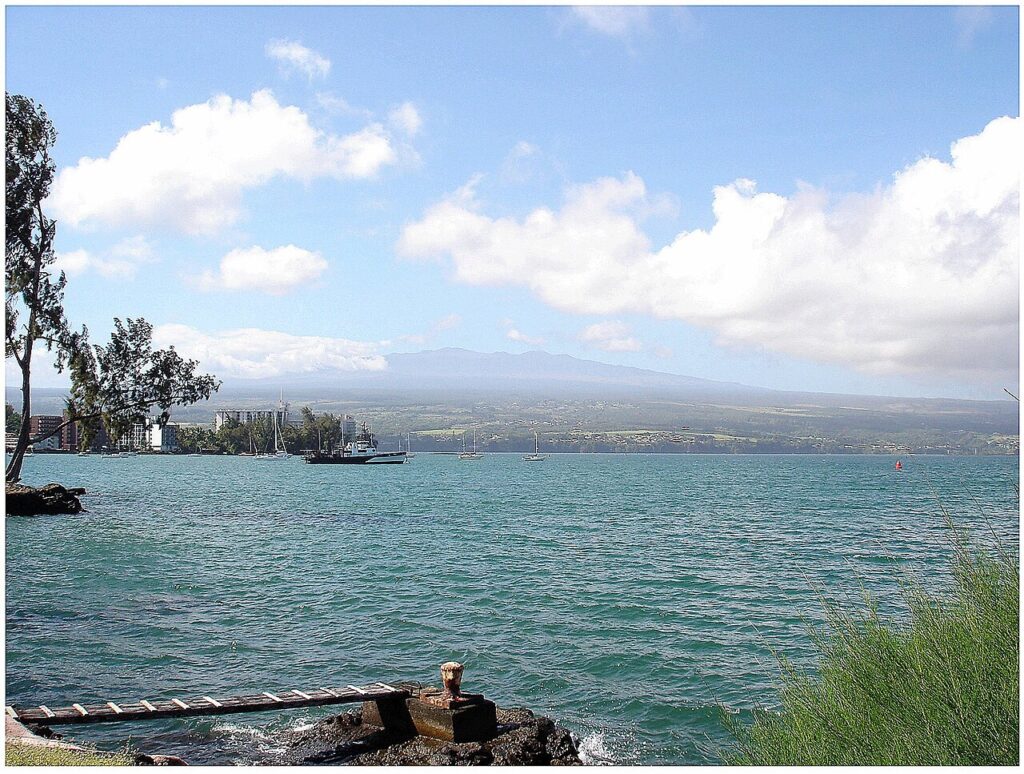
If you have flexibility on which island to call home, look hard at the Big Island of Hawaii. Areas like Hilo and the Hamakua Coast have significantly lower rents than Oahu or Maui — you can find a solid 2BR for $1,200–$1,600/month in some neighborhoods. The tradeoff: fewer job opportunities (it’s best for remote workers or retirees) and rainier weather on the windward side.
See our full breakdown of the cheapest places to live in Hawaii and our analysis of the best island for your situation for deeper guidance — costs, job markets, and lifestyle factors differ significantly between islands.
Where to Search for Rentals
Hawaii’s rental search has its own quirks. Here’s where to look:
- Craigslist Hawaii — Still one of the most active rental listing platforms for local landlords in Hawaii. Surprising but true. Use it alongside national platforms, not instead of them.
- Zillow and Apartments.com — Standard national platforms with decent Hawaii coverage, especially for professionally managed properties and larger complexes.
- Facebook Marketplace and neighborhood groups — Increasingly common for individual landlords posting informally. Join Facebook groups specific to your target neighborhood or island.
- Hawaii Life and local real estate sites — For higher-end or rural rentals, local real estate agencies often handle property management and post listings here.
- Word of mouth — Genuinely one of the most effective methods. Many rentals in Hawaii never hit public listings. If you know anyone on-island, ask around.
How to Compete in a Tight Market
When a good rental becomes available in Hawaii, it can receive multiple applicants within hours. Here’s how to improve your odds:
Have Your Documents Ready to Go
Landlords move fast and choose tenants who are prepared. Have these ready at a moment’s notice:
- Last 2–3 months of pay stubs or bank statements
- Letter of employment or income verification
- References from previous landlords
- Your own copy of your credit report (pull it free at AnnualCreditReport.com)
- Photo ID
Show Financial Strength
Hawaii landlords generally want to see tenants earning at least 2.5–3x the monthly rent. With rents as high as they are, this means demonstrating solid, documented income. If you’re a remote worker with verifiable income, highlight that clearly. If you’re relocating for a new job, include the offer letter.
Don’t Apply Blind from the Mainland
Applying for a rental without viewing it in person — or at least via video walkthrough — is risky. Rental scams in Hawaii specifically target mainlanders searching remotely. Always verify the landlord’s identity and ownership before providing personal documents, and never wire money without seeing the property.
Be Flexible on Move-In Date
Aligning your move-in timeline with what the landlord needs can be the deciding factor when multiple applications are competitive. Flexibility here costs you nothing and can make the difference.
Understanding Hawaii Lease Terms
Hawaii landlord-tenant law has some specifics that differ from mainland norms:
- Security deposit — Hawaii limits security deposits to one month’s rent for unfurnished units
- Notice to vacate — Month-to-month tenants must give 28 days’ notice; landlords must give 45 days
- Maintenance obligations — Landlords are required to maintain habitable conditions; major repairs must be addressed within a reasonable timeframe
- Pets — Many Hawaii landlords explicitly restrict pets. If you have animals, make pet-friendliness a priority search filter from the start
Alternatives to Traditional Renting
Given the difficulty of the market, many transplants explore creative alternatives:
- Short-term rental while you search — Book a furnished apartment or vacation rental for your first 1–2 months while searching for a long-term place. Yes, it’s expensive, but it removes the pressure of finding the perfect place before you know the islands well.
- Ohana units — Many single-family homes in Hawaii have attached ohana (in-law) units. These are often rented informally and can offer better value than apartment complexes.
- Roommates — Sharing a 3BR with one or two roommates dramatically reduces housing costs. Roomies.com and local Facebook groups connect people looking for shared arrangements.
- Military housing — If you or your spouse is active duty, military base housing eliminates the competitive civilian rental market entirely.
Frequently Asked Questions
Is it cheaper to rent on the Big Island than Oahu?
Yes, significantly. The Big Island — particularly the Hilo side — has lower rental costs than Oahu or Maui. However, job availability is also more limited, so it works best for remote workers, retirees, or those in fields with local demand like healthcare.
Can I find a rental in Hawaii for under $1,500/month?
It’s difficult but not impossible, especially for studios in Oahu’s less trendy areas or certain neighborhoods on the Big Island. Shared housing arrangements or ohana units are your best bet for getting below that threshold.
How much should I budget for utilities on top of rent?
Budget at least $200–$400/month for electricity, internet, and water combined. Hawaii’s electricity rates are the highest in the nation — this is a major factor in true monthly housing costs that many newcomers underestimate.
Should I visit Hawaii before signing a lease?
Ideally, yes. Getting a feel for neighborhoods and doing in-person viewings helps you avoid costly mistakes. If an in-person trip isn’t possible, insist on a live video walkthrough and verify the landlord’s ownership independently before committing.