Kona isn’t just a vacation destination — it’s a real place where real people live, work, and figure out how to afford $7 gallons of milk. If you’re seriously considering making the move to Hawaii’s Big Island west coast, this guide covers everything from neighborhoods and cost of living to the stuff nobody tells you until you’re already unpacking boxes.
I’ve lived on the islands long enough to know that the glossy brochure version of Kona and the actual day-to-day experience are two very different things. Both are good — but you need to know what you’re signing up for.
Where Exactly Is Kona?
When people say “Kona,” they usually mean Kailua-Kona, the main town on the west (leeward) coast of Hawaiʻi Island — the Big Island. It sits on the slopes of Hualālai volcano, facing the ocean, and stretches along Aliʻi Drive, the main coastal road that’s equal parts charming and congested.
The broader Kona district actually runs from Kohala down to Captain Cook and beyond, covering a huge range of elevations, microclimates, and price points. The town itself has a population of about 19,700, but the greater Kona area is home to roughly 40,000+ people.
Compared to Hilo on the east side, Kona is drier, sunnier, and significantly more expensive. It’s also where most of the Big Island’s tourism infrastructure lives — which means more jobs but also more traffic on Queen Kaʻahumanu Highway.
Cost of Living in Kona (2026 Numbers)
Let’s get the big one out of the way: Kona is expensive. Not Honolulu-expensive, but still about 50% above the national average. Here’s what you’re looking at in 2026:
Housing
- 1-bedroom apartment: $1,800–$2,500/month
- 2-bedroom apartment: $2,200–$3,200/month
- 3-bedroom house: $2,800–$4,500/month (depending on area)
- Median home price: ~$650,000–$750,000
Property taxes, surprisingly, are among the lowest in the nation — Hawaii County’s rate for owner-occupied homes is about $6.15 per $1,000 of assessed value. That’s one of the few financial bright spots.
Groceries and Essentials
- Gallon of milk: $6.50–$7.50
- Dozen eggs: $5–$7
- Loaf of bread: $5–$6
- Rice (20 lb bag): $15–$20
Shopping at KTA Super Stores or Costco in Kona helps. The farmers markets — especially the one at the Old Kona Airport on Wednesdays and Saturdays — can save you serious money on produce while supporting local growers.
Utilities
- Electricity: $250–$450/month (Hawaii has the highest electricity rates in the US at ~$0.40/kWh)
- Water: $50–$80/month
- Internet: $60–$90/month (Spectrum or Hawaiian Telcom)
Solar panels are extremely popular on the Kona side for good reason — 300+ sunny days a year means you can slash your electric bill dramatically. Many homes already have systems installed.
For a single person, expect to spend around $3,500–$4,500/month for a modest lifestyle. A family of four? Budget $7,500–$9,000/month. Wondering if your savings can handle the leap? Check out our breakdown on how much money you need to move to Hawaii.
Best Neighborhoods in Kona
Kona isn’t one-size-fits-all. The neighborhood you pick will dramatically affect your daily life, commute, and budget.
Kailua-Kona Town
The heart of the action. Walking distance to shops, restaurants, Kona Brewing Company, and the ocean. Aliʻi Drive is the main drag — lively, touristy in spots, but convenient. Condos here range from $350K to $700K. Rentals are pricier but you save on gas and commute time.
Best for: Singles, couples, people who want walkability
Keauhou
Just south of town, Keauhou is more upscale and residential. It’s centered around the Keauhou Shopping Center and Keauhou Bay, which has fantastic snorkeling. The area is quieter, with nice ocean breezes and easy access to everything without being in the middle of it.
Best for: Retirees, families who want nice but not flashy
Holualoa
Head about 1,400 feet up the mountain from Kailua-Kona and you’ll find Holualoa — a small artist community surrounded by coffee farms. It’s cooler (literally — about 10°F less than the coast), greener, and significantly more peaceful. This is Kona coffee country, and you can often hear the roasters running in the morning.
Best for: People who want space, cooler temps, and don’t mind a 15-minute drive to town
Waikoloa Village
About 25 minutes north of Kailua-Kona, Waikoloa Village is the more affordable option. It’s dry, a bit warmer, and feels more suburban. The Queens’ MarketPlace and Kings’ Shops at Waikoloa Beach Resort are nearby for shopping and dining. Homes here start around $450K–$550K.
Best for: Families on a tighter budget, people who work at the Kohala Coast resorts
Captain Cook / South Kona
Farther south and higher elevation, Captain Cook offers the most affordable housing in the Kona district. It’s rural, lush, and close to Kealakekua Bay (one of the best snorkeling spots in all of Hawaii). The trade-off is a 30–40 minute commute to Kailua-Kona for most services.
Best for: Budget-conscious families, people who want rural living with ocean access
Jobs and Working in Kona
The Kona economy revolves around three pillars: tourism, agriculture (mainly coffee and macadamia nuts), and construction. Here’s what the job market actually looks like:
- Hospitality/Tourism: Hotels, restaurants, tour companies along the Kohala Coast and in town. Steady work but wages often don’t match cost of living.
- Healthcare: Kona Community Hospital is the main employer. North Hawaii Community Hospital in Waimea also serves the area.
- Retail: Target, Costco, and various shops at Lanihau Center and Crossroads.
- Remote work: Increasingly popular. Kona’s reliable internet (Spectrum offers up to 1 Gbps in most areas) and lifestyle make it attractive for remote workers. Read our guide to remote work from Hawaii if that’s your plan.
The median household income in Kona is roughly $72,000 — which sounds decent until you factor in the cost of living. Dual-income households or remote mainland salaries go much further here.
Weather and Climate
This is Kona’s biggest selling point. The west coast of the Big Island is in a rain shadow created by Mauna Kea and Mauna Loa, which means:
- Average daily temperature: 75–85°F year-round
- Annual rainfall (at sea level): 15–25 inches — that’s desert-dry by Hawaii standards
- Sunny days: 300+ per year
- Ocean temperature: 74–80°F
The higher you go, the cooler and wetter it gets. Holualoa at 1,400 feet gets noticeably more rain than the coast. Captain Cook at 1,500+ feet can be downright cool at night.
The Vog Factor
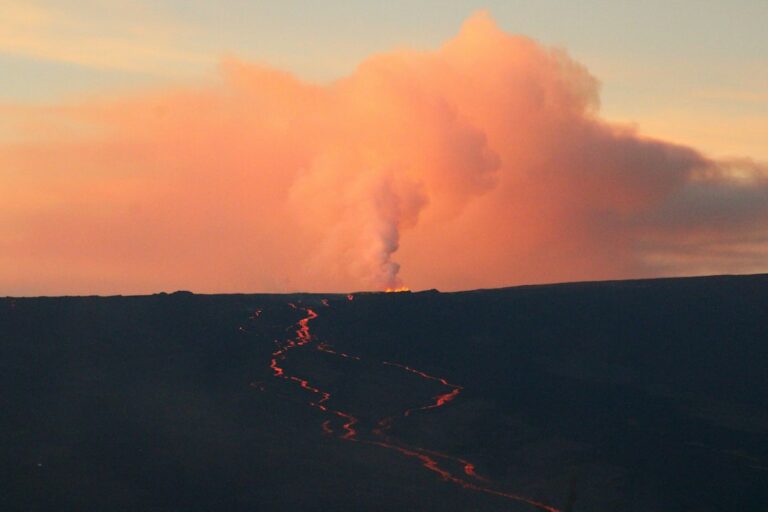
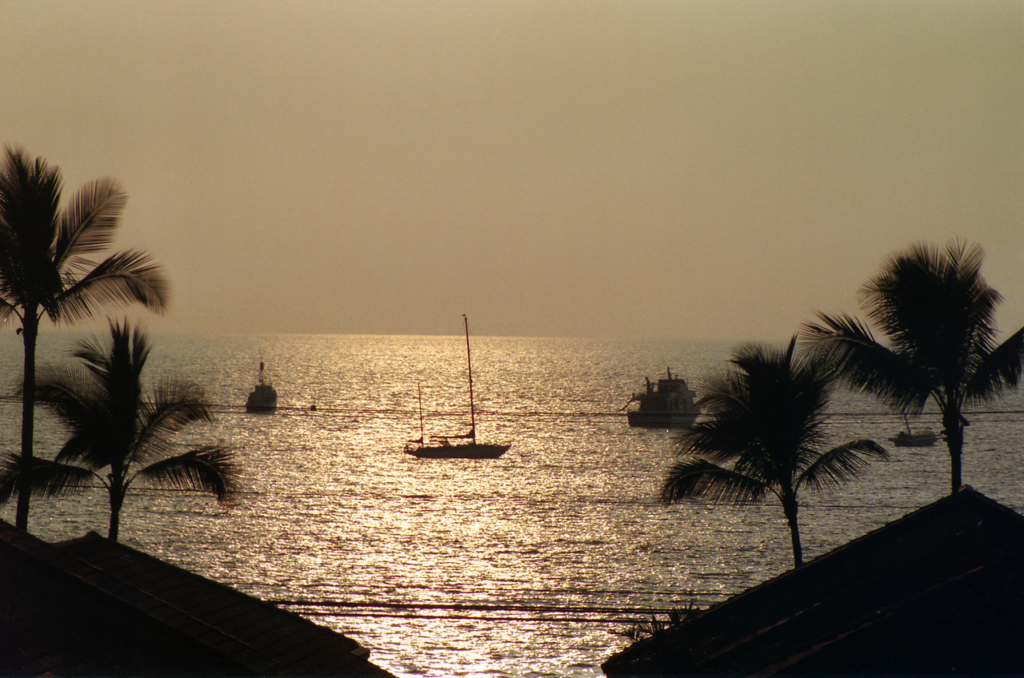
One thing nobody mentions in the vacation brochures: vog. Volcanic fog drifts over from Kīlauea when the wind shifts, creating hazy, sulfur-scented air that can trigger asthma and allergies. Some days are fine, others are thick enough to obscure the sunset. It’s part of Kona life. For a deep dive on dealing with it, check out our article on vog in Hawaii and how to protect yourself.
Getting Around Kona
You need a car. Full stop. There’s no way around it.
The Hele-On Bus exists and connects major towns on the Big Island, but routes are limited and schedules are infrequent. Most people drive everywhere. Queen Kaʻahumanu Highway (Highway 19) is the main north-south artery, and it gets congested during morning and afternoon rush hours — especially near the Palani Road junction.
Gas prices on the Big Island run about $4.80–$5.50 per gallon in 2026 — higher than the mainland but slightly less than Oahu. See our updated Hawaii gas prices guide for current numbers.
One silver lining: most errands in Kona are within a 10–15 minute drive. The commute from Waikoloa to Kailua-Kona is about 25 minutes without traffic. From Captain Cook, budget 35–40 minutes.
Things to Do (When You Actually Live There)
Tourism-style activities are always available, but here’s what locals actually do:
- Ocean sports: Paddleboarding at Kamakahonu Beach, snorkeling at Kahalu’u Beach Park, surfing at Banyans or Pine Trees
- Hiking: Kaloko-Honokōhau trails, the Pu’u Wa’awa’a cinder cone, Captain Cook Monument trail
- Coffee farm tours: Greenwell Farms, Kona Joe Coffee, Mountain Thunder — many are free
- Farmers markets: Kona farmers market (Wed/Sat), Waikoloa Village market
- Fitness: Outrigger canoe paddling clubs, running groups along Ali’i Drive, CrossFit Kona
- Community events: Ironman World Championship (October), Kona Coffee Cultural Festival (November), weekly community events
The lifestyle here is genuinely outdoor-oriented. People wake up early, hit the water or trail before work, and slow down in the evenings. Friday nights might mean fish tacos at a food truck, not a club scene.
Healthcare and Schools
Healthcare
Kona Community Hospital is the primary facility, with emergency services and basic specialties. For anything complex — cardiology, neurology, oncology — you’ll likely need to fly to Honolulu. Kaiser Permanente has a clinic in Kona, and there are several urgent care options.
Expect to establish a relationship with a primary care doctor quickly — they book up fast with limited providers on the island.
Schools
Hawaii’s public schools are run by a single statewide district. In Kona, the main options include:
- Kealakehe Elementary and High School — serves the north Kona area
- Konawaena Elementary, Middle, and High School — serves the south Kona/Captain Cook area
- Hawaii Academy of Arts and Sciences (HAAS) — charter school with good reputation
- Parker School — private, in nearby Waimea
School quality varies. Many families supplement with tutoring or after-school programs. The small class sizes can be a plus compared to mainland schools.
Pros and Cons of Living in Kona
Pros
- Year-round sunshine and warm weather — no winter gear needed
- World-class ocean access right outside your door
- Strong sense of community — people actually know their neighbors
- Low property taxes compared to most of the US
- No state income tax on Social Security benefits (great for retirees)
- Slower pace of life that’s genuinely good for mental health
Cons
- High cost of living — everything costs more when it’s shipped 2,500 miles
- Limited job market outside tourism and healthcare
- Vog days can be uncomfortable, especially for those with respiratory issues
- Island fever is real — the Big Island is big for Hawaii but still an island
- Limited shopping and dining compared to the mainland
- Healthcare requires travel to Honolulu for specialized care
Tips for Making the Move
- Visit for at least 2–3 weeks first. A vacation and real life in Kona are very different experiences. Rent a place away from the resorts and do normal stuff — grocery shop, commute, pay attention to how it feels on a Tuesday afternoon.
- Have 6–12 months of savings. Finding a job and housing takes longer than you expect. The “island time” cliché exists for a reason — processes move slowly here.
- Ship your car. You need one, and buying on-island means paying island markup. Shipping from the West Coast costs $1,000–$1,500.
- Downsize before you move. Shipping household goods to Hawaii is expensive — about $5,000–$10,000 for a full container. Many people sell everything and start fresh.
- Respect the culture. Learn some Hawaiian words (mahalo, aloha, ohana aren’t just tourist phrases). Participate in community events. Be humble — you’re the newcomer here.
Frequently Asked Questions
Is Kona a good place to live full-time?
Yes, if you can handle the cost of living and don’t mind a smaller community. The weather, outdoor lifestyle, and tight-knit community make it genuinely enjoyable for people who embrace the slower pace. It’s not for everyone — if you need big-city amenities, nightlife, or easy access to mainland services, you’ll feel the limitations quickly.
How much money do you need to live comfortably in Kona?
For a single person, plan on $55,000–$65,000 per year minimum for a modest but comfortable life. A family of four should aim for $100,000–$120,000 annually. These numbers assume reasonable housing (not luxury), cooking at home most nights, and moderate entertainment spending.
Is Kona or Hilo better to live in?
It depends on priorities. Kona has better weather, more tourism jobs, and a drier climate. Hilo is significantly cheaper (rents can be 30–40% less), has a more local feel, and gets far more rain — about 130 inches per year versus Kona’s 20. Kona attracts more transplants; Hilo feels more traditionally Hawaiian.
What is the biggest challenge of living in Kona?
The cost of living, hands down. Even with a decent income, the combination of high rent, expensive groceries, and elevated utility costs puts pressure on most budgets. The second biggest challenge is isolation — being on an island means everything from Amazon deliveries to emergency medical care involves extra time and logistics.