One of the most common misconceptions about Hawaii is that it has one weather pattern: warm and sunny, all the time. In reality, Hawaii has some of the most complex and varied microclimates on Earth — from arid desert coastlines to cloud forests that receive more than 400 inches of rain per year, sometimes just a few miles apart. Understanding Hawaii’s weather before you move will save you from choosing the wrong neighborhood, packing the wrong wardrobe, and being caught off guard by the state’s one seasonal reality: the rainy season.
Hawaii Has Two Seasons — Not Four
Rather than the four seasons of most of the continental US, Hawaii operates on two primary seasons:
- Summer (Kau — May through October): Hotter, drier, longer days, calmer ocean on the south and east shores, more UV intensity. Average highs in the low-to-mid 80s°F at sea level.
- Winter (Ho’oilo — November through April): Slightly cooler, wetter, more rainfall particularly on windward coasts, larger north swells. Average highs in the mid-70s°F at sea level. This is also when Humpback whales migrate to Hawaii to calve.
Neither season is “bad” in the way mainland winters or summers can be. But the winter rainy season does bring more overcast skies and tropical downpours, especially on the windward (northeastern) sides of islands.
Understanding Hawaii’s Microclimates
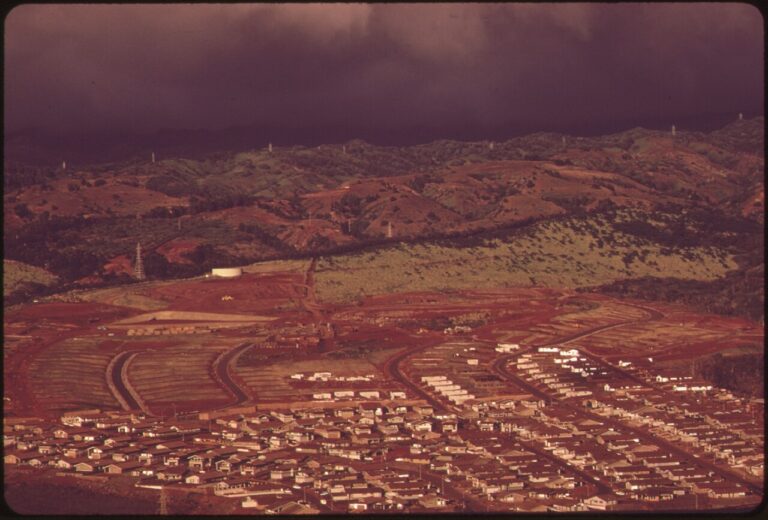
This is the key concept that transforms how you understand Hawaii weather. The Hawaiian Islands are volcanic mountains rising steeply from the sea. Trade winds blow consistently from the northeast, carrying moisture. When that moisture hits the mountains, it rises, cools, and releases as rain — on the windward side. The leeward side (west and south) remains in a rain shadow: sunny, dry, and often desert-like.
What This Means Practically
On Oahu, the difference between Kailua on the windward coast and Ko Olina on the leeward coast is like the difference between a rainy day and a sunny vacation photo — and they’re 45 minutes apart by car. If you hate rain, choose leeward. If you love lush green landscapes and don’t mind afternoon showers, windward is magical.
Island-by-Island Weather Guide
Oahu
Honolulu sits on the leeward side and gets roughly 17 inches of rain per year — drier than most people expect. The North Shore is wetter and famous for its massive winter surf. Kailua and Kaneohe on the windward side get far more rainfall and are noticeably greener. For most newcomers considering Honolulu, the weather is reliably pleasant year-round.
Maui
West Maui (Lahaina, Ka’anapali) is consistently sunny and dry — it sits in the rain shadow of the West Maui Mountains. Central Maui (Kahului) gets moderate rainfall. Upcountry Maui (Kula, Makawao) is cooler, cloudier, and at higher elevation — locals call it sweater weather in winter. Hana on the east coast receives extraordinary rainfall: 80+ inches per year, which is why it’s so stunningly lush.
Big Island (Hawaii Island)
The Big Island contains 8 of the world’s 14 climate zones. The Kona Coast (west) is sunny, dry, and world-famous for its coffee-growing conditions. Hilo on the east coast is one of the wettest cities in the United States, averaging 130+ inches of rain per year. The Kohala Coast (northwest) is resort-dry and reliably sunny. At elevation, Mauna Kea and Mauna Loa actually see snow in winter.
Kauai
Kauai’s South Shore (Poipu) is sunny and popular with tourists seeking guaranteed good weather. The North Shore (Hanalei, Na Pali) is dramatically beautiful and significantly wetter. The interior, including Mount Wai’ale’ale, receives approximately 460 inches of rain per year — among the highest in the world. Kauai’s famous green landscape comes directly from that rain.
What to Wear in Hawaii as a Resident (Not a Tourist)
The way residents dress in Hawaii is different from how tourists dress — and it’s worth understanding before you move, especially for work situations. Hawaii has its own clothing culture that blends practicality with genuine local style.
For women, our guide to women’s outfits for Hawaii covers what locals actually wear day-to-day across different occasions — from beach days to office settings to evening out.
For workplace and formal occasions, Hawaii has its own business dress code built around the aloha shirt. The guide to aloha attire explains what qualifies as business appropriate, when it’s worn, and how to wear it correctly.
Practical Wardrobe Tips for New Residents
- Bring a light layer. Air conditioning in offices, restaurants, and movie theaters is often aggressive. A light cardigan or long-sleeve shirt for AC environments is genuinely useful.
- Invest in reef-safe sunscreen. UV intensity at Hawaii’s latitude is significant. Daily SPF 30+ is not optional; it’s maintenance.
- Skip the heavy coats. Unless you’re in upcountry Maui or at elevation on the Big Island, you will not need a winter coat. A fleece or light jacket for rainy evenings is enough.
- Get water shoes. Rocky shorelines and lava coastlines are common. Water shoes or reef shoes are used constantly by residents.
- Rain gear matters on windward sides. If you’re living in Kailua, Hilo, Hana, or any windward neighborhood, a quality compact rain jacket is a daily-use item, not an emergency item.
Natural Weather Events to Know About
Hurricane Season
Hawaii lies in the Central Pacific Hurricane Belt, and hurricane season runs June through November. Actual direct hits on Hawaii are rare but not unheard of — Hurricane Iniki devastated Kauai in 1992. Most systems weaken or veer away before reaching the islands, but it’s worth having an emergency plan and supplies.
Vog
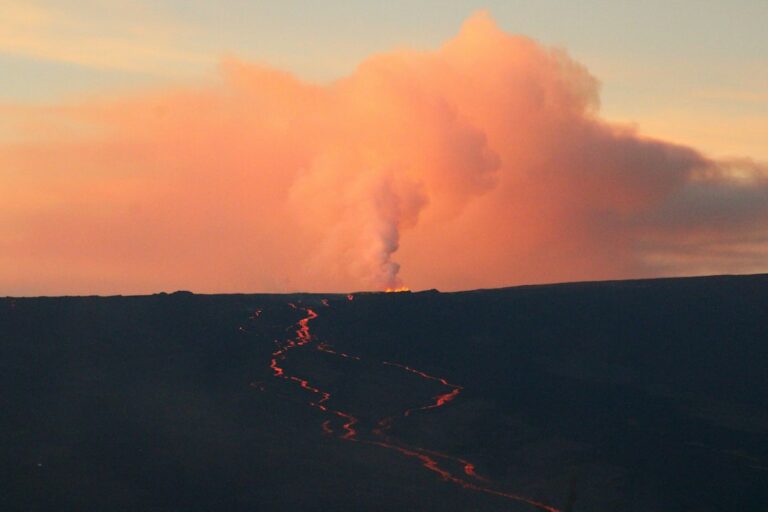
Volcanic smog, or “vog,” is an ongoing consideration on the Big Island — especially during periods of volcanic activity on Kilauea. Vog is volcanic sulfur dioxide mixing with moisture in the air. It can cause respiratory irritation, especially for people with asthma. Trade winds typically push vog to the southwest (Kona side). During lull periods, vog can settle over larger areas.
Flash Flooding
Hawaii’s steep terrain and intense rainfall events can produce extremely rapid flash floods, particularly in valley and stream areas. These can happen with little warning. Never park in stream beds or hike in valleys during heavy rain, even if it’s sunny in your immediate location.
How Weather Should Influence Which Island You Choose
Weather preferences are one of the top reasons people end up unhappy on a particular island. If you love sunshine and hate rain, you’ll struggle on Kauai’s North Shore or in Hilo — both stunning but genuinely wet. If you find dry heat uncomfortable, the Kona Coast or South Maui’s resort areas might not be ideal for everyday living.
Our guide to the best Hawaiian island to live on discusses climate as one of the key factors in choosing where to settle. Don’t skip this research step — visiting an island as a tourist in summer tells you very little about what it feels like to live there in February.
Frequently Asked Questions
Does Hawaii ever get cold?
At sea level, Hawaii rarely drops below 65°F even in winter. However, upcountry areas (Kula on Maui, Waimea on the Big Island, Kokee on Kauai) regularly see 50s°F in winter evenings. Summit areas of Mauna Kea and Haleakala freeze and receive snow.
Which island has the best weather?
“Best” depends on your preference. The Kona Coast on the Big Island and West Maui have the most reliably sunny, dry weather. Oahu’s Honolulu offers a good balance. If you love green and don’t mind rain, Kauai’s windward side is arguably the most beautiful.
Is there a “best time” to move to Hawaii?
Logistically, moving in the fall (September–November) tends to offer lower shipping rates and less competition for rentals than the summer peak. Weather-wise, any time is reasonable — but arriving in summer gives you more time to adjust before the wetter winter months begin.
Do I need to worry about tsunamis in Hawaii?
Hawaii is in one of the most tsunami-prone areas on Earth. Evacuation zones are clearly mapped and marked, and the state has an excellent early warning system. Learning the evacuation maps for your neighborhood and registering for county emergency alerts is an important step when you move in — just like knowing your fire escape plan.