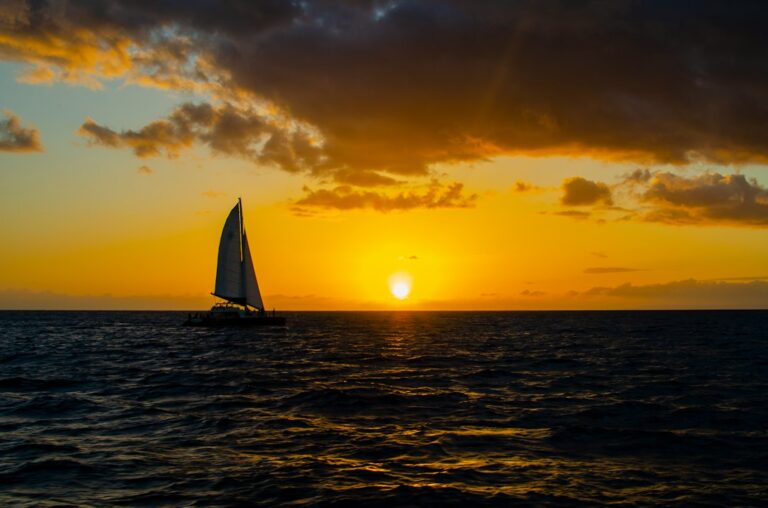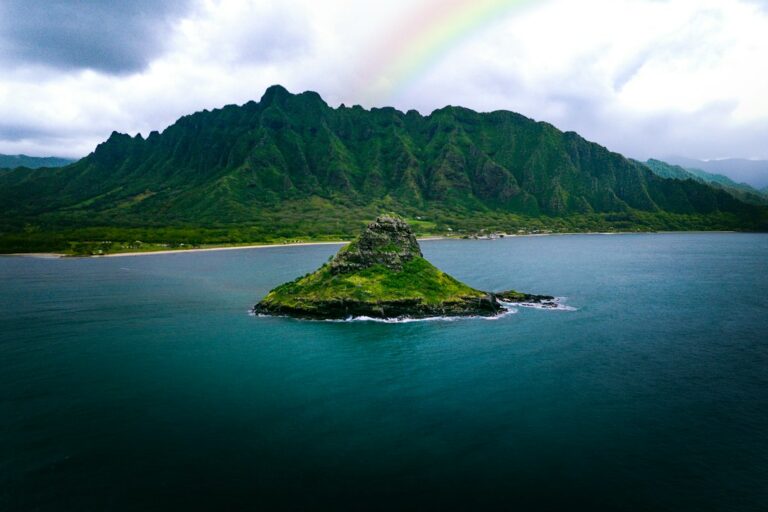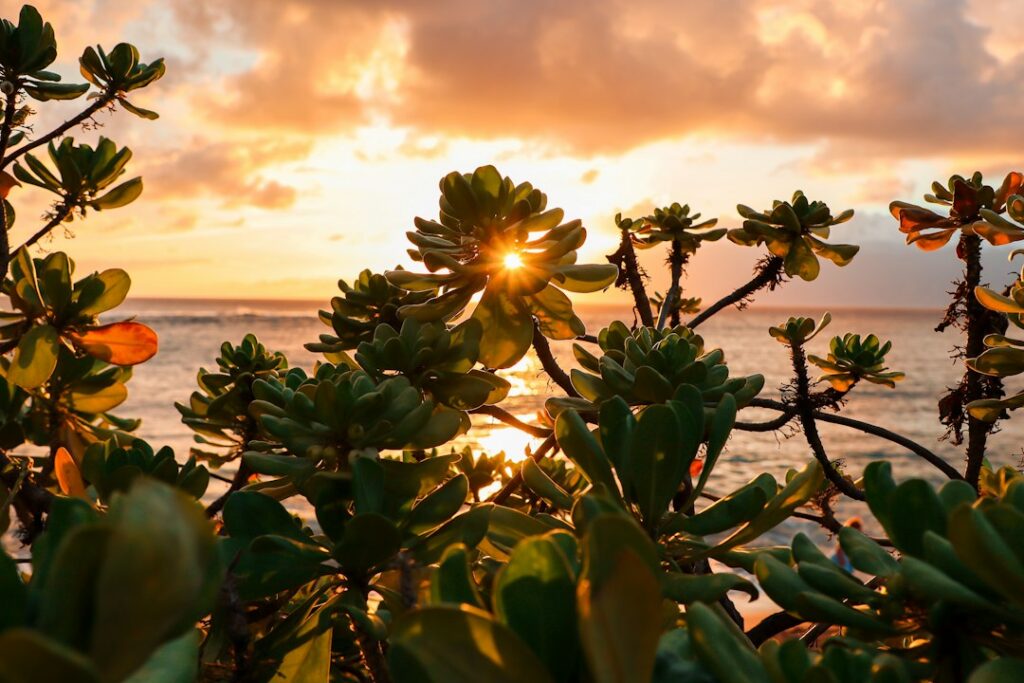
Maui has more than 30 miles of swimmable beach, but the best beaches in Maui are not the same in January as they are in July. The island’s west and south shores sit in the lee of the West Maui Mountains and Haleakala. They stay calm through most of the winter. The north shore takes the full force of North Pacific swells from roughly October to April.
That split decides where relocating households, new residents and visiting family end up swimming. This roundup groups Maui’s main beaches by coast and by season. For each one it covers lifeguard coverage, parking and fees, snorkel quality and facilities. It also covers the afternoon trade-wind pattern, Maui County’s sunscreen rules and what a typical beach day costs in car rental and gear.
The research draws on county and state agency data, tourism authority guidance and local news reporting. Conditions change daily, so posted warning signs and lifeguard advice always override any general guide, including this one.
How Maui’s coastline splits by season
Maui’s beaches fall into four practical zones: West Maui (Lahaina to Kapalua), South Maui (Kihei, Wailea and Makena), the North Shore (Kahului to Paia and Hookipa) and East Maui (Hana). Each zone faces a different swell window, which is why a calm beach in one zone can be dangerous in another on the same day.
Winter swells from Alaskan storms hit north- and northwest-facing coasts hardest between November and March. Summer south swells, generated by Southern Hemisphere storms, reach Kihei and Makena from May through September. The site’s guide to Hawaii’s surf seasons explains the swell mechanics in more detail.
| Coast | Calmest months | Roughest months | Typical winter surf | Typical summer surf |
|---|---|---|---|---|
| West Maui (Kaanapali, Napili) | April–October | December–February (northwest swells) | 2–6 ft, occasionally 8+ ft at Kapalua end | 1–3 ft |
| South Maui (Kihei, Wailea, Makena) | November–April | June–August (south swells) | 1–2 ft | 2–5 ft, shorebreak at Big Beach |
| North Shore (Hookipa, Baldwin) | May–September | October–April | 8–20 ft, larger on big days | 1–4 ft wind chop |
| East Maui (Hana) | May–September | October–March, plus trade-wind chop | 4–10 ft | 2–5 ft |
Water temperature changes less than surf. Nearshore readings run about 75°F in February and March and climb to roughly 80–81°F in September. Air temperatures on the leeward coasts sit between 80°F and 88°F most of the year. Timing by island is covered in the site’s best time to visit each Hawaiian island breakdown.
West Maui beaches: Kaanapali, Napili and Kapalua
West Maui holds the island’s classic resort beaches. Most face west or northwest, so they are sheltered from summer south swells and mostly protected in winter. The exceptions are the northernmost bays, which catch the edges of large northwest swells between December and February.
The area is about 26 to 35 miles from Kahului Airport, a drive of roughly 45 to 60 minutes via the Honoapiilani Highway. Lahaina town is still rebuilding after the August 2023 wildfire, and traffic patterns around it have shifted. Current road status is published by the Hawaii Department of Transportation.
Kaanapali Beach
Kaanapali is a three-mile stretch of golden sand fronting the resort hotels. The water is generally calm from spring through fall. The main snorkel draw is Puu Kekaa, or Black Rock, at the north end, where turtles and reef fish gather along the lava point.
There are no county lifeguard towers on Kaanapali. The beach drops off steeply in places, and winter shorebreak can knock swimmers down. Public parking is scarce: a handful of free shoreline-access stalls fill by about 8:30 a.m., and resort and Whalers Village garages charge hourly rates that can reach $30 or more for a full day.
Facilities are good. Restrooms and showers sit near the public access points and inside Whalers Village. Beach gear rental stands line the walkway. Families comparing bases should read the site’s Kaanapali vs. Wailea vs. Kihei breakdown for families.
Napili Bay
Napili Bay is a small, crescent-shaped cove about 10 minutes north of Kaanapali. Its two rocky points break incoming swell, which makes it one of the gentlest swims on the west side from April through November. Turtles often feed on the reef edges on both sides of the bay.
Napili has no lifeguard. Its biggest challenge is parking: only a few dozen roadside and small-lot stalls serve the public access paths off Lower Honoapiilani Road. Arriving before 8 a.m. is the most reliable approach. Showers are available at the access point, but restrooms are limited.
Kapalua Bay
Kapalua Bay is another protected crescent, framed by lava points and a fringing reef. Snorkel quality is high on calm mornings, especially along the right side. The site’s Kapalua Bay reef swim guide covers entry points and timing.
A public lot with about 30 to 40 stalls sits off Lower Honoapiilani Road, with a tunnel path to the sand. Restrooms and showers are on site. There is no lifeguard. Large northwest swells between December and February can make the bay surgy, so winter visitors should check conditions before entering.
DT Fleming Beach Park and Honolua Bay
DT Fleming Beach Park, just north of Kapalua, is the only West Maui beach in this group with a county lifeguard tower. That coverage matters, because Fleming is exposed and can produce strong shorebreak and rip currents in winter. It has a paved lot, restrooms, showers and picnic tables.
Honolua Bay, a marine life conservation district, is a top summer snorkel site from May to September. In winter it becomes a well-known surf break, and snorkeling is usually unsafe. There are no restrooms, no lifeguard and only roadside parking along a narrow highway shoulder.
South Maui beaches: Kihei, Wailea and Makena
South Maui is the most reliable swimming coast between November and April. It is also the driest part of the island, averaging well under 15 inches of rain a year in Kihei. The drive from Kahului to Wailea is about 17 miles, or 30 minutes outside rush hour.
The catch is wind. South Maui is famous for calm mornings and choppy afternoons. Trade winds funnel through the isthmus between the West Maui Mountains and Haleakala, often hitting Kihei hardest after 11 a.m.
Kamaole Beach Parks 1, 2 and 3
Kihei’s three Kamaole beach parks are the most practical choice for families. Each has a county lifeguard tower, typically staffed from about 8 a.m. to 4:30 p.m. Each also has restrooms, showers and free parking lots, though the lots at parks 1 and 2 are small.
Kamaole Beach Park 3 has the largest grassy area, a playground and picnic pavilions, making it popular for local birthday parties on weekends. Snorkeling is modest: rocky points between the parks hold reef fish, but the sand bottom in the middle is mostly bare. Water entry is gradual.
Keawakapu Beach
Keawakapu sits at the boundary between Kihei and Wailea. It is a long, wide beach with softer sand than the Kamaole parks and noticeably fewer people. There is no lifeguard. Free parking is available at three access points, including a lot at the south end off Kilohana Drive.
Snorkeling is decent off the rocky south point. An artificial reef, made from sunken vehicles in the 1960s, lies offshore at roughly 80 feet and draws scuba divers rather than snorkelers. Showers are available at the access points; restrooms are not.
Wailea Beach and Ulua Beach
Wailea Beach fronts the Grand Wailea and Four Seasons resorts. It has a free public lot, restrooms and showers, but the stalls usually fill by 9 a.m. There is no lifeguard. Snorkeling is best around the rocky point shared with Ulua, just to the north.
Ulua Beach is one of South Maui’s best shore snorkels, with a reef that begins in waist-deep water. The site’s Ulua Reef guide covers the turtle cleaning cove and entry points. The Ulua lot is small, with roughly 40 stalls, restrooms and showers.
Maluaka Beach
Maluaka Beach, in front of the Makena Beach and Golf Resort area, is known for the offshore reef called Turtle Town. Green sea turtles gather at cleaning stations where reef fish pick algae off their shells. The site’s Turtle Town Maluaka guide explains the best entry and turtle-viewing etiquette.
A free public lot at the south end holds roughly 30 cars, with restrooms and showers nearby. There is no lifeguard. Mornings before 10 a.m. offer the clearest visibility before trade winds and summer south swells stir up sediment.
Makena State Park: Big Beach and Little Beach
Makena State Park contains Oneloa, better known as Big Beach, a two-thirds-of-a-mile stretch of golden sand. It is one of the most photographed beaches in Hawaii. It is also one of the most dangerous, because of a steep drop-off and powerful shorebreak that causes neck and back injuries every year.
Big Beach has state lifeguard towers, generally staffed during park hours. Little Beach, over the rocky point to the north, is smaller and more sheltered but has no lifeguard. Snorkeling at either is limited; the attraction is sand and scenery rather than reef.
Makena State Park is also the South Maui beach with a formal fee for non-residents. That fee structure is covered in the parking section below.
North Shore beaches and winter surf: Hookipa, Baldwin and Kanaha
The North Shore is Maui’s windward coast. It faces the trade winds and the winter swell directly. From October through April, waves at Hookipa regularly reach 10 to 20 feet on the face, and bigger swells shut down most swimming entirely. Summer months bring smaller surf but steady wind.
These beaches are close to the airport. Kanaha is about 2 miles from Kahului Airport, Baldwin about 7 miles and Hookipa about 10 miles, a 20-minute drive. The Hawaii Tourism Authority’s visitor site lists North Shore ocean safety advisories alongside beach listings.
Hookipa Beach Park
Hookipa is a spectator beach first. Surfers ride the morning waves, and windsurfers and kitesurfers take over after about 11 a.m. Green sea turtles haul out on the sand at the east end most afternoons. Volunteers typically rope off a buffer zone.
A lifeguard tower is staffed daily. There are restrooms, showers, a pavilion and a free parking lot, plus a scenic lookout on the highway above. Swimming is only realistic in a small, reef-protected pool near the east end on calm days, mostly between May and September.
Baldwin Beach Park
Baldwin Beach Park, just west of Paia, is a long, wide beach with lifeguard coverage, restrooms, showers and a large free lot. Its main hazard is shorebreak, which can be heavy in winter. The west end, known as Baby Beach, is sheltered by a reef and suits small children on calm days.
Snorkeling is poor at Baldwin because of wave action and sandy bottoms. It is mainly a sunbathing, walking and bodyboarding beach, with conditions best between May and September.
Kanaha Beach Park
Kanaha is the island’s main kitesurfing and windsurfing beach, with designated zones for each sport. It has lifeguards, restrooms, showers, grassy picnic areas and free parking. Its location beside the airport makes it a practical stop on arrival or departure days.
East Maui and the Hana coast
East Maui beaches are dramatic but exposed. The drive from Kahului to Hana is about 52 miles and takes 2.5 to 3 hours each way along the Hana Highway. Most households treat the Hana beaches as a scenic day rather than a swimming destination.
Waianapanapa State Park, with its black sand beach, requires advance reservations for non-residents. The fee is $5 per person entry plus $10 per vehicle for parking. Swimming is often unsafe due to strong currents, and there is no lifeguard. Hamoa Beach, south of Hana town, offers bodyboarding and limited facilities.
Comparable exposed-coast beaches elsewhere in the state follow similar seasonal rules. The site’s Big Island beach rankings cover black and green sand beaches with the same winter caveats.
Beach-by-beach comparison: lifeguards, parking, snorkel and facilities
The table below collects the key variables for 14 beaches. Snorkel ratings reflect calm-condition quality on a 1 to 5 scale. Parking notes describe typical public access on a weekday; weekends and holidays fill earlier.
| Beach | Coast | Lifeguard | Parking | Snorkel (1–5) | Restrooms/showers | Best months |
|---|---|---|---|---|---|---|
| Kaanapali | West | No | Few free stalls; garages $30+/day | 4 (Black Rock) | Yes/Yes | April–November |
| Napili Bay | West | No | About 20–30 free stalls, full by 8 a.m. | 4 | Limited/Yes | April–November |
| Kapalua Bay | West | No | About 30–40 free stalls | 4 | Yes/Yes | March–November |
| DT Fleming | West | Yes | Free lot, about 70 stalls | 2 | Yes/Yes | May–September |
| Honolua Bay | West | No | Roadside shoulder only | 5 (summer) | No/No | May–September |
| Kamaole Beach Park 3 | South | Yes | Free lot, about 50 stalls | 2 | Yes/Yes | November–April |
| Keawakapu | South | No | Free, three access lots | 3 | No/Yes | November–April |
| Wailea Beach | South | No | Free lot, full by 9 a.m. | 3 | Yes/Yes | November–May |
| Ulua Beach | South | No | Free lot, about 40 stalls | 4 | Yes/Yes | November–May |
| Maluaka | South | No | Free lot, about 30 stalls | 4 | Yes/Yes | November–April |
| Big Beach (Makena) | South | Yes | $10/vehicle non-resident | 1 | Portable/No | November–April |
| Hookipa | North | Yes | Free lot, about 60 stalls | 1 | Yes/Yes | May–September |
| Baldwin | North | Yes | Free lot, about 100 stalls | 1 | Yes/Yes | May–September |
| Kanaha | North | Yes | Free lots, several hundred stalls | 1 | Yes/Yes | May–September |
Stall counts are approximate and can shift with construction or county restriping. The pattern holds, though: the lifeguarded beaches tend to have the most parking, while the best snorkel coves have the least.
Trade winds and the best time of day to swim
Maui’s northeast trade winds blow 10 to 25 mph on most days between April and October, and on many winter days as well. They typically start light at dawn, build through late morning and peak between about 1 p.m. and 4 p.m. Afternoon chop reduces snorkel visibility and makes swimming more tiring.
Kihei and Maalaea feel the wind first, because the isthmus funnels air between the two volcanoes. Wailea and Makena usually stay calm slightly longer. West Maui is more sheltered but still turns choppy by mid-afternoon at Kaanapali.
| Area | Calm window (typical) | Wind usually builds by | Typical afternoon speed | Best use of afternoon |
|---|---|---|---|---|
| Kihei (Kamaole parks) | 6:30–10:30 a.m. | 11 a.m. | 15–25 mph | Sunbathing, walking |
| Wailea / Makena | 6:30–11:30 a.m. | Noon | 12–20 mph | Pool or shade |
| Kaanapali / Napili | 7–11:30 a.m. | 12:30 p.m. | 10–18 mph | Sunset swims after 5 p.m. |
| Kapalua | 7 a.m.–noon | 1 p.m. | 10–20 mph | Coastal trail walk |
| Hookipa / Kanaha | Dawn–9 a.m. | 10–11 a.m. | 18–30 mph | Watching windsurfing |
The practical rule for residents and visitors is simple: snorkel early, relax later. Sunset falls around 5:45 p.m. in December and about 7:15 p.m. in June, and winds often ease an hour before dark on the west side.
Kona wind days are the exception. When trades stall and southerly winds arrive, usually a few days a month in winter, the leeward coasts can turn choppy while the North Shore goes glassy.
Parking and fees: Makena State Park and other paid access
Most Maui beach parks are free to park at and free to enter, a point Maui County has protected through shoreline access requirements. Fees mainly apply at state parks, which charge non-residents while exempting Hawaii residents with a valid state ID or driver’s license.
At Makena State Park, non-residents pay $10 per vehicle to park. Walk-in or drop-off visitors at state parks with entry fees pay $5 per person. Commercial vehicles pay higher rates. Hawaii residents park free, which is one of the small cost advantages for households that complete a move and switch licenses.
| Location | Non-resident parking | Non-resident entry | Resident cost | Reservation needed | Hours (typical) |
|---|---|---|---|---|---|
| Makena State Park (Big Beach) | $10 per vehicle | $5 per person if walk-in | Free | No | 7 a.m.–6 p.m. |
| Waianapanapa State Park | $10 per vehicle | $5 per person | Free | Yes, up to 30 days ahead | 7 a.m.–6 p.m. |
| Iao Valley State Monument (non-beach) | $10 per vehicle | $5 per person | Free | Yes | 7 a.m.–6 p.m. |
| Kaanapali resort garages | $5–$8 per hour; $30+ per day | None | Same | No | 24 hours |
| County beach parks (Kamaole, Baldwin, Hookipa) | Free | None | Free | No | Varies; many close 11 p.m. |
Fee schedules change. The state raised non-resident park fees in October 2023, and further adjustments have been debated in the Legislature, as reported by Civil Beat. Checking the current rate before a trip avoids surprises at the gate.
Break-ins are the other parking cost. Car break-ins at beach lots are a recurring problem across Maui, according to reporting by Hawaii News Now. Leaving the car empty, with the trunk visible and nothing inside, is the standard local practice.
Reef-safe sunscreen under Act 104 and Maui County rules
Hawaii’s Act 104, which took effect January 1, 2021, bans the sale and distribution of sunscreens containing oxybenzone and octinoxate without a prescription. Both chemicals have been linked in laboratory studies to coral bleaching and larval coral damage.
Maui County went further. A county ordinance effective October 1, 2022 limits sunscreen sales on the island to mineral-based products using non-nano zinc oxide or titanium dioxide. That means many popular chemical sunscreens legal elsewhere in Hawaii cannot be sold on Maui.
The rules govern sales, not personal possession. Enforcement falls on retailers rather than beachgoers. Even so, Maui’s reefs at Honolua, Molokini and Makena are under measurable stress, and most households choose mineral products regardless. The site’s explainer on Act 104 lists compliant ingredients.
- Choose non-nano zinc oxide or titanium dioxide as the only active ingredients.
- Expect to pay $12–$20 for a 3-ounce tube at Kahului or Kihei stores.
- Apply 15–20 minutes before entering the water so it binds to skin.
- Use a rash guard to cut sunscreen use by 50% or more.
- Reapply every 80 minutes of swimming, per water-resistance labels.
Rental cars and beach gear: what a beach day costs
Maui’s beaches are spread out, and bus service on the Maui Bus network is limited, with routes running roughly hourly on many lines. Nearly every relocating household or visitor ends up relying on a car, at least during the first months on island.
Rental rates at Kahului Airport swing with season. Economy cars have ranged from about $55 per day in slower months like September to $120 or more over the Christmas holidays. The site’s Hawaii rental car price breakdown tracks rates by island and season.
State taxes add to the total. Hawaii charges a rental motor vehicle surcharge of $7.50 per day plus general excise tax, details of which are published by the Hawaii Department of Taxation. Gas also costs more: Hawaii consistently posts among the highest pump prices in the country, according to EIA fuel price data.
Beach gear: rent or buy
For stays longer than a week, buying gear usually beats renting. New residents typically buy within the first month. The site’s snorkeling gear checklist covers fit and mask choices.
| Item | Rental per day | Rental per week | Purchase price (Kahului big-box) | Break-even point |
|---|---|---|---|---|
| Snorkel set (mask, snorkel, fins) | $10–$15 | $30–$50 | $40–$80 | About 1–2 weeks |
| Boogie board | $6–$10 | $25–$35 | $25–$60 | About 1 week |
| Beach chair | $5–$10 | $20–$30 | $20–$40 | About 1 week |
| Beach umbrella | $8–$12 | $30–$40 | $30–$50 | About 1 week |
| Cooler (medium) | $5–$8 | $20–$25 | $25–$60 | About 2 weeks |
Food and drink for a beach day also cost more on Maui. The Honolulu consumer price index from the Bureau of Labor Statistics shows food costs well above the national average, and Maui prices typically run higher still. The site’s grocery price comparison by island puts numbers on the gap.
Ocean safety: currents, shorebreak and water quality
Drowning is a leading cause of injury death for visitors to Hawaii, and snorkeling accounts for a large share of cases. The pattern points to a few repeatable risk factors rather than random bad luck.
- Swim at lifeguarded beaches when possible, and ask the guard about current conditions.
- Never turn your back on the ocean at shorebreak beaches like Big Beach.
- Swim parallel to shore to escape a rip current, then angle back in.
- Avoid snorkeling alone; use a brightly colored snorkel or float.
- Stay out of the water for 24–72 hours after heavy rain near stream mouths.
Brown-water advisories follow heavy rainfall, when runoff carries bacteria and debris into nearshore water. The Hawaii Department of Health Clean Water Branch posts advisories and bacterial monitoring results for Maui beaches.
Wildlife rules also apply. Federal and state law require keeping at least 10 feet from sea turtles and 50 feet from Hawaiian monk seals. Humpback whales, present from December through April, require a 100-yard distance.
Choosing a base by beach preference
For households deciding where to rent or buy, beach access is often the tiebreaker. Kihei offers the most lifeguarded, free-parking beaches within walking distance of mid-priced condos. Wailea offers better snorkeling and quieter sand, at resort-level prices.
West Maui suits those who value calm summer water and sunset swims, though housing supply there remains tight after the 2023 fire. The North Shore suits surfers, windsurfers and those who prefer Paia’s small-town pace to resort areas. Population and housing figures for Maui County are available from the Census Bureau’s QuickFacts.
Those comparing Maui with other islands can use the site’s roundups for Kauai’s best beaches as a side-by-side reference, since Kauai’s north shore follows the same winter surf pattern.
Frequently asked questions
What are the best beaches in Maui for families with young children?
Kamaole Beach Park 3 in Kihei, Baby Beach at Baldwin and Napili Bay are the most common family picks. Kamaole 3 offers lifeguards, a playground, restrooms and free parking. Baby Beach has reef protection on calm days. Napili Bay is gentle from April through November but has no lifeguard, so adult supervision matters there.
Which Maui beaches have lifeguards?
County or state lifeguard towers cover the three Kamaole beach parks, Big Beach at Makena State Park, DT Fleming, Hookipa, Baldwin and Kanaha, among others. Kaanapali, Napili, Kapalua, Wailea, Ulua, Maluaka and Keawakapu have no lifeguards. Guards typically work from about 8 a.m. to 4:30 p.m., so early and late swims are unsupervised.
How much does it cost to park at Big Beach in Makena?
Non-residents pay $10 per vehicle to park at Makena State Park, which includes Big Beach and Little Beach. Walk-in visitors pay $5 per person where entry fees apply. Hawaii residents with a valid state ID or driver’s license park free. Hours generally run from 7 a.m. to 6 p.m., and rates should be confirmed before visiting.
Is it safe to swim on Maui’s north shore in winter?
Generally not. From October through April, swells at Hookipa and nearby beaches regularly reach 10 to 20 feet, creating dangerous shorebreak and rip currents. Swimming is realistic only in small protected areas on calm days. Most households shift to the south and west shores in winter and treat the north shore as a place to watch surfers.
What time of day is best for snorkeling on Maui?
Early morning, usually between 6:30 a.m. and 10:30 a.m., offers the calmest water and clearest visibility. Trade winds typically build by 11 a.m. in Kihei and by noon or 1 p.m. in Wailea and West Maui. Afternoon chop stirs up sand, reduces visibility and makes the swim back to shore more tiring.
Can visitors bring regular sunscreen to Maui?
Maui County’s rules restrict the sale of non-mineral sunscreen, not personal possession, so visitors are not fined for packing a chemical product. However, oxybenzone and octinoxate are banned statewide under Act 104, and Maui limits sales to zinc oxide or titanium dioxide formulas. Most beachgoers switch to mineral sunscreen to protect the reefs they came to see.
Do you need a rental car to reach Maui’s best beaches?
In practice, yes. Maui Bus routes run roughly hourly on many lines and skip several popular beaches. Kaanapali is about 45 minutes from Kahului Airport and Wailea about 30 minutes. A rental car, or a household vehicle for new residents, is the only realistic way to visit multiple coasts, particularly for early-morning snorkel sessions.
When is the best month to visit Maui’s beaches?
April, May, September and October offer the most balanced conditions across coasts. Winter swells have eased or not yet arrived, summer south swells are moderate and crowds are thinner. Water temperatures range from about 76°F in April to 81°F in September. December through March favors the south shore; June through August favors the west.