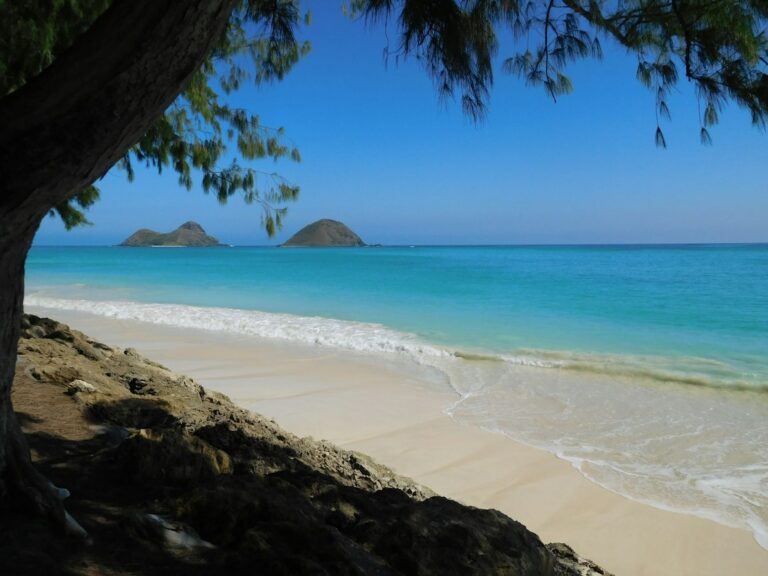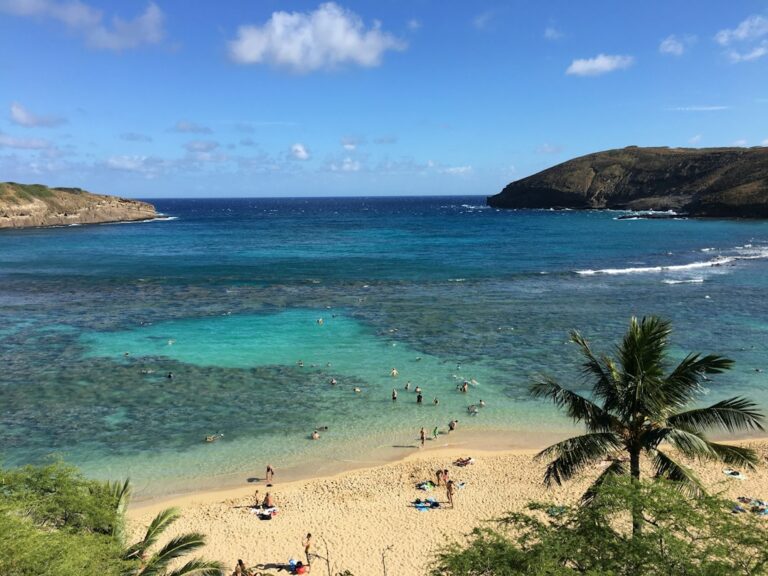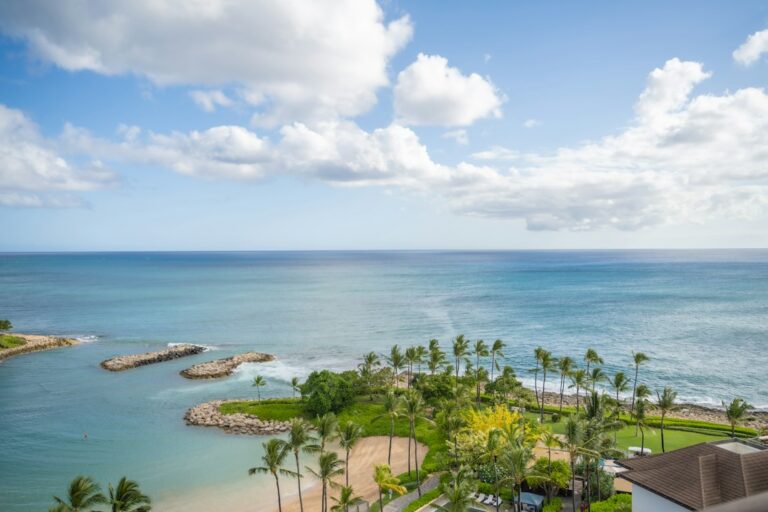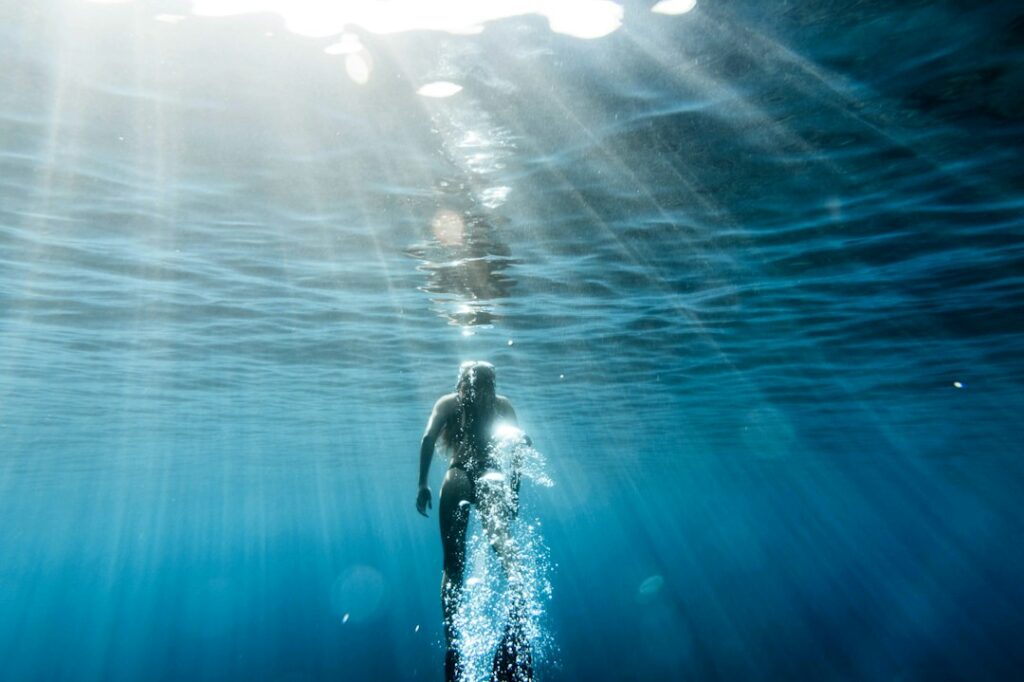
Maluaka Beach anchors the southern end of Maui’s resort coast, a quarter-mile crescent of tan sand bounded by dark lava headlands and shallow fringing reef. Local dive shops branded the offshore reef “Turtle Town” decades ago, and the nickname stuck because Hawaiian green sea turtles — honu — reliably queue at coral outcrops here to be cleaned by reef fish.
The site sits directly in front of the former Maui Prince property (now the Makena Beach & Golf Resort footprint), roughly two miles south of the last Wailea hotel. Access is public under Hawaii’s shoreline access statute, but parking is tight, and the reef itself is fragile — a mix of lobe coral, cauliflower coral, and lava-tube crevices in 8 to 25 feet of water.
This research brief covers where to enter, when to arrive, how to spot cleaning behavior without violating federal viewing rules, what reef-safe sunscreen to pack under Act 104, and how Maluaka stacks up against other Maui cleaning sites. Every number below comes from published NOAA guidance, state law, and DLNR advisories.
Where Maluaka Sits on the South Maui Coast
Maluaka is the last sand beach along the paved coastal grid before Makena Alanui Road curves inland toward Makena State Park’s Big Beach. From Kihei’s Piilani Highway exit, the drive south covers about 6.5 miles and takes 15 to 20 minutes without traffic. From Kahului Airport, budget 40 to 55 minutes, or up to 70 minutes if arrival lands during weekday afternoon congestion on Mokulele Highway.
The beach itself runs roughly 1,500 feet north to south. Turtle Town’s most productive cleaning stations sit at the southern lava point, where the reef meets deeper water and current-swept ledges. A separate northern reef section offers easier snorkeling for beginners but fewer resident honu.
Depths inside the fringing reef stay under 15 feet; outside the reef line, the bottom drops to 30 to 40 feet within a short swim. State transportation records tracked by the Hawaii Department of Transportation show Makena Alanui as a two-lane county road with no shoulder widening planned through 2028, so traffic pinch points persist.
Comparing South Maui reef entries
Snorkelers weighing options along South Maui often choose between three shore entries. Each has different reef structure, parking pressure, and turtle-encounter odds. The table below sets baseline numbers for planning purposes.
| Site | Reef distance from shore | Average depth | Parking spots | Turtle likelihood |
|---|---|---|---|---|
| Maluaka (Turtle Town) | 75–150 feet | 10–20 feet | ~40 public | High |
| Ulua Beach, Wailea | 50–100 feet | 8–18 feet | ~35 public | Moderate–high |
| Makena Landing | 100–200 feet | 15–25 feet | ~25 public | High (kayak) |
| Chang’s Beach | 60–120 feet | 10–15 feet | ~10 public | Moderate |
Households scouting daily snorkel spots during a Wailea vacation often rotate between these entries. Coverage of the neighboring cove appears in a dedicated write-up on the Ulua Reef Wailea cleaning cove and ladder descent, which frames the tradeoffs on the resort-fronted end of the coast.
Why Honu Congregate at Turtle Town’s Cleaning Stations
Hawaiian green sea turtles range across the entire archipelago, but they return to specific reef outcrops for the same daily ritual: floating still while small reef fish pick algae, parasites, and dead skin from their shells, flippers, and necks. These outcrops are called cleaning stations, and Turtle Town has at least four active ones in the southern reef zone.
The primary cleaners at Maluaka are yellowtail coris wrasses, saddle wrasses, and gold-ring surgeonfish. Juvenile wrasses handle the smallest parasites; larger fish work algae mats. A single cleaning session can last 8 to 20 minutes, during which the honu often lists sideways or hovers vertically above the coral head.
Adult greens here typically weigh 200 to 350 pounds; the largest individuals in NOAA’s Hawaii population studies exceed 500 pounds. Turtles cycle to the surface roughly every 4 to 7 minutes to breathe during active swimming, but a resting or cleaning honu can hold breath for up to two hours in cold water and 30 to 60 minutes in typical South Maui temperatures.
Federal protection status
Hawaiian green sea turtles are listed as threatened under the U.S. Endangered Species Act and additionally protected under state law. NOAA Fisheries manages the population under the National Oceanic and Atmospheric Administration’s marine species framework. Violations of the take, harass, or pursue provisions can trigger civil penalties up to $50,000 per incident under 16 U.S.C. §1540, plus potential criminal charges for willful conduct.
State regulators track compliance jointly with federal officers. Enforcement guidance is published through the Hawaii Department of Health and DLNR channels, and the official state tourism site at GoHawaii publishes marine wildlife viewing etiquette in the pre-trip planning section.
Individual honu identification
Trained volunteers with Hawaii Wildlife Fund and the Marine Turtle Research Program at NOAA document individual honu by their unique facial scute patterns — the pattern of scales on each turtle’s face is as distinctive as a fingerprint. Snorkelers who photograph both sides of a honu’s face from the compliant 10-foot distance can submit images to volunteer tracking projects for population studies.
The Morning Glass-Off Window Before Trades Kick In
South Maui’s dominant wind pattern brings northeast trade winds that wrap around Haleakala and hit the Wailea-Makena coast from the north-northeast. In summer, trades typically build from 8 to 12 mph at 9 a.m. to 18 to 25 mph by mid-afternoon. Winter patterns are more variable, with occasional kona (south-southwest) winds that flatten the north sections but chop up the southern points.
“Glass-off” describes the pre-trade window when the ocean surface stays smooth as a mirror. On the Maluaka side, this window usually runs from first light (roughly 5:45 a.m. in June, 6:45 a.m. in December) to somewhere between 9:30 and 10:30 a.m. Underwater visibility during glass-off routinely exceeds 60 feet; by afternoon, wind chop and stirred sediment can cut it below 25 feet.
Seasonal timing table
| Month | Sunrise (approx.) | Glass-off ends | Water temp | Wave energy |
|---|---|---|---|---|
| January | 7:05 a.m. | 10:00 a.m. | 74°F | Moderate south swells possible |
| April | 6:20 a.m. | 9:45 a.m. | 75°F | Low |
| July | 5:50 a.m. | 9:30 a.m. | 79°F | Low to moderate |
| October | 6:35 a.m. | 10:15 a.m. | 80°F | Low |
Households planning a Maui trip often build the itinerary around this window. A 6:30 a.m. departure from a Wailea hotel puts snorkelers in the water by 7:00 a.m., with two full hours of glass conditions before trades erode visibility. For a comparable timing model on the west side, see the analysis of Kapalua Bay reef entry timing.
Shore Entry Logistics from Makena Beach South
Public parking splits into two lots. The northern lot, marked simply “Makena Beach — public access,” holds roughly 25 to 30 cars and lies at the end of a short paved spur off Makena Alanui. The southern lot, closer to the Turtle Town reef, holds another 15 or so vehicles along an unpaved shoulder.
Both lots fill by 8:00 a.m. on weekends and holiday weekdays. Overflow parkers sometimes attempt to line the shoulder of Makena Alanui itself. This is technically permitted where no signs prohibit it, but Maui County towing enforcement has increased since 2023, and vehicles blocking driveways or fire lanes are ticketed.
Rental car windows should stay empty at any South Maui beach lot. Break-in reports for the Makena and Wailea corridor run into the hundreds annually per Maui Police Department blotters, and reporting through Honolulu Civil Beat tracks the same pattern across other tourist-heavy islands.
Access path to the water
From the northern lot, a shaded footpath crosses about 200 feet of grass and kiawe (mesquite) to reach the beach. From the southern lot, the path is shorter — under 80 feet — but rockier. Restroom facilities are limited to a single portable at the northern lot; there is no fresh-water shower. Snorkel rinse should happen back at accommodations.
Fins-on versus fins-in-hand
The sand bottom slopes gently for the first 30 feet, then transitions to scattered coral heads. Most snorkelers walk in to knee depth, put fins on while standing, then swim out. Carrying fins in hand across the beach reduces sand ingress into the foot pocket. Full-face snorkel masks are discouraged by lifeguards here because of documented CO₂ retention risks.
The NOAA 10-Foot Federal Viewing Distance
NOAA Fisheries publishes marine wildlife viewing guidance that recommends staying at least 10 feet (approximately 3 meters) from Hawaiian green sea turtles in the water, on the sand, or on rocks. The 10-foot standard is guidance for greens; separate rules apply to Hawaiian monk seals (50 feet) and spinner dolphins (50 yards under the 2021 approach rule).
The federal Endangered Species Act prohibits “take” of listed species, which includes harass — defined as any act that creates the likelihood of injury by disrupting normal behavior patterns such as breeding, feeding, or sheltering. Cleaning is a feeding behavior. A snorkeler who kicks close enough to make a honu abort a cleaning session has technically caused a take.
What 10 feet looks like underwater
Ten feet is roughly the length of two adults floating head-to-toe or one adult with fins extended. In practice, snorkelers should hover in place rather than swim toward a turtle; if a honu approaches on its own path, holding position or backing away is compliant. Touching, chasing, feeding, blocking a surfacing route, or using flash photography all violate the guidance.
The parallel guidance for basking honu on sand appears in a companion write-up on Punaluu black sand turtle basking etiquette, and the Hookipa haul-out rules on Maui’s north shore are covered in a piece on Hookipa Point turtle haul-out etiquette.
Fine structure
| Violation type | Statute | Civil penalty range | Criminal exposure |
|---|---|---|---|
| Harassing green sea turtle | ESA §9 | Up to $50,000 | Up to $50,000 + 1 year |
| State violation | HRS §195D | Up to $5,000 + $500/day | Misdemeanor |
| Approach under 10 ft (NOAA guidance) | Warning to citation | Case-dependent | None if no take |
| Touching a honu | ESA §9 take | Up to $50,000 | Yes |
Reef-Safe SPF and Act 104 Packing Requirements
Hawaii Act 104, signed into law in 2018 and effective January 1, 2021, banned the sale and distribution of over-the-counter sunscreens containing oxybenzone or octinoxate without a prescription. Maui County went further in 2022, restricting the sale of any petroleum-based (chemical) sunscreen. The state health department enforces the sale ban.
Snorkelers may still bring non-compliant products from the mainland — a legal loophole most local reef advocates ask visitors to close voluntarily. Compliant options rely on non-nano zinc oxide or non-nano titanium dioxide as the sole active ingredient. Detailed brand and ingredient guidance appears in a policy explainer on Hawaii’s reef-safe sunscreen law under Act 104.
Packing checklist for a Turtle Town snorkel
- Non-nano zinc oxide SPF 30+ (2 oz per adult per day)
- UPF 50 rash guard as primary sun protection
- Mask, snorkel, and fins (rental $8–$15/day locally)
- Reef booties if walking rocky southern entry
- Dive flag if separating from shore group
- Dry bag for keys and phone (no lockers on-site)
- 1 liter of drinking water per person
- Underwater camera without flash
Rental gear is widely available in Kihei and Wailea. Snorkel Bob’s and Boss Frog’s chains rent complete sets weekly for $12 to $30, and most Wailea resort concierges include gear as a guest amenity. Walmart in Kahului stocks non-nano mineral sunscreens starting near $10 per tube, roughly half the resort-shop markup.
What Snorkelers Actually See on a Typical Descent
Beyond the honu themselves, Maluaka’s reef supports a broad slice of Hawaii’s endemic fish population. On a typical 45-minute swim inside the southern reef, snorkelers commonly see yellow tang, Moorish idols, saddle wrasses, ornate butterflyfish, four-spot butterflyfish, raccoon butterflyfish, convict tangs, achilles tangs, orange-band surgeonfish, and Picasso triggerfish.
Sightings of octopus, whitetip reef sharks, and eagle rays are less common but documented in Maui dive-shop logs. Spotted eagle rays occasionally cruise the outer reef line in pairs during summer months. Whitetip reef sharks rest under lava ledges during the day and rarely react to snorkelers who maintain distance.
Coral condition and bleaching pressure
Maui’s reefs experienced significant bleaching events in 2015, 2019, and 2023 tied to marine heatwaves. Maluaka’s fringing reef lost an estimated 15 to 25 percent of live coral cover during the 2015 event based on state monitoring transects. Recovery has been partial. Rice coral and lobe coral remain the dominant reef-builders, with cauliflower coral still recovering in shallower sections.
Winter humpback whale presence
From roughly mid-November through mid-April, humpback whales migrate through the Auau Channel between Maui and Lanai. Snorkelers at Maluaka regularly hear underwater whale song — a low, layered acoustic pattern audible from miles away. Occasional surface sightings of tail slaps and breaches occur within a mile of shore. Federal law requires vessels to stay 100 yards from humpbacks.
Comparing Turtle Town to Other Maui Cleaning Stations
Maui has at least six well-documented shore-entry cleaning stations. Each has a slightly different reef structure, current pattern, and access profile. Snorkelers building a multi-day itinerary usually rotate between two or three to reduce single-site pressure on the honu and to see different reef biology.
| Site | Coast | Best time window | Honu station count | Difficulty |
|---|---|---|---|---|
| Maluaka (Turtle Town) | South (Makena) | 7:00–9:30 a.m. | 4+ | Easy |
| Ulua Beach | South (Wailea) | 7:00–10:00 a.m. | 2–3 | Easy |
| Makena Landing | South (Makena) | Kayak from launch | 3–5 | Moderate |
| Kahekili (Airport Beach) | West (Kaanapali) | 7:00–10:00 a.m. | 2–3 | Easy |
| Napili Bay | West | All morning | 2 | Easy |
| Honolua Bay | West | Summer only | 3+ | Moderate |
The kayak-based alternative just north — covered in the write-up on the Makena Landing turtle cleaning kayak put-in — offers a way to reach Turtle Town’s outer reef without shore-crowding the sand at Maluaka. The Kahekili airport-end coral cove entry covers the West Maui counterpart.
Cross-island turtle-viewing options
Snorkelers visiting multiple islands may want to compare Maluaka to Kauai and Oahu sites. Kauai’s Anini Reef fringing coral kayak launch covers the North Shore’s longest fringing barrier — useful context for anyone building a two-island itinerary. Big Island snorkelers usually pair reef sites with the basking-focused sand beaches instead.
Visitor Volume and Reef Pressure at Maluaka
Maui welcomed roughly 2.9 million visitors in 2023 per Hawaii Tourism Authority annual visitor statistics. Wailea and Makena together account for a disproportionate share of ocean recreation because of the resort concentration. On peak weekdays in June and December, Turtle Town’s shore snorkelers can exceed 250 people between 8:00 a.m. and 11:00 a.m., according to state DAR volunteer monitoring counts.
This visitor density creates two documented pressures on the honu population. Sheer swimmer volume can crowd cleaning stations to the point that turtles abandon a session mid-clean. Sunscreen runoff — even under Act 104 restrictions — accumulates in the water column and stresses coral.
Community volunteers with the Maui Nui Marine Resource Council and the state Division of Aquatic Resources publish quarterly reef health updates. Related coverage of Oahu’s parallel visitor-management arithmetic appears through Hawaii News Now environmental briefs, and demographic context on Hawaii’s resident-to-visitor ratio is captured in Census QuickFacts for Hawaii.
Population recovery estimates
NOAA’s Pacific Islands Fisheries Science Center tracks the Hawaiian archipelago green sea turtle population through annual nesting surveys at French Frigate Shoals. Population estimates rebounded from an all-time low near 500 nesting females in the 1970s to over 4,000 by the 2020s. Individual honu at Maluaka may travel hundreds of miles between feeding grounds off Maui and nesting beaches in the Northwestern Hawaiian Islands.
How to reduce your reef footprint
- Arrive before 8:00 a.m. to spread out crowd density
- Rotate between at least three reef sites during a week
- Wear UPF 50 rash guards to minimize sunscreen use
- Skip the sunscreen entirely on shaded early swims
- Never touch, feed, or chase any marine life
- Report violations to NOAA at 1-888-256-9840
Safety, Currents, and Seasonal Considerations
Maluaka is one of South Maui’s calmer entries because the fringing reef breaks most swell energy before it reaches the sand. Rip currents through channel gaps in the reef exist but are usually mild. During south-swell events (typically May through October), waves 3 to 6 feet at the outer reef line can generate stronger side-shore currents inside; DLNR posts warning flags at the county lifeguard station when conditions warrant.
Lifeguard coverage at Maluaka is not continuous. The nearest fully staffed county tower sits at Wailea’s Ulua-Mokapu beach cluster, about 2.5 miles north. Emergency response times average 8 to 12 minutes from the nearest station. Maui County Ocean Safety runs a mobile ATV patrol along the Makena corridor during peak hours.
Weather and swell reference points
- South swell season: May–October, peak July
- North swell season: October–April (rarely affects Maluaka directly)
- Trade wind speeds: 10–25 mph typical, 5–10 mph glass-off mornings
- Water temperature range: 74°F (February) to 80°F (September)
- Tide swing: typically under 2 feet
- Rain: under 15 inches annually in Wailea-Makena
Hazards specific to the southern reef
The southern lava point at Turtle Town has scattered urchin populations, including wana (long-spined urchins). Reef-safe booties reduce cut risk near entry. Fire coral, though less common on Maui than the Big Island, does appear on shallow bommies. Standing on coral to rest is prohibited under state reef protection rules and can trigger citations from DLNR officers patrolling the coast.
Building a Full Day Around the Snorkel
Because glass-off ends by mid-morning, most snorkelers wrap the water session by 10:00 a.m. and use the afternoon for other activities. Practical fills include a coastal walk, an inland farmers market, or a shaded lunch. Wailea’s paved shoreline path connects the resort cluster to Polo Beach — the full path is mapped in a piece on the Wailea coastal pathway from Grand Wailea to Polo.
Visitors staying on the west side sometimes chain Maluaka with a resort-district afternoon on the other coast. The Kaanapali beachwalk resort-to-resort route maps distances and food stops between resort clusters. Big Island snorkelers researching turtle basking sites often compare Maluaka’s in-water cleaning to Punaluu’s black-sand basking pattern, which follows very different behavioral rules.
Frequently asked questions
Is Turtle Town at Maluaka the same as Turtle Town on snorkel boat tours?
The name refers to the same general reef zone off Maluaka and Makena Landing, but boat operators typically anchor further offshore in 25 to 40 feet of water while shore snorkelers stay inside the fringing reef in 8 to 20 feet. Both access the same honu population; conditions and viewing angles differ substantially.
How close can snorkelers legally get to a honu at Maluaka?
NOAA Fisheries guidance recommends staying at least 10 feet from any Hawaiian green sea turtle in the water. The 10-foot distance is measured from the turtle to the nearest part of the swimmer, including fins. Touching, chasing, feeding, or blocking a surfacing route constitutes federal take under the Endangered Species Act, with civil penalties up to $50,000.
What time should a snorkeler arrive at Makena Beach South?
Public lots typically fill by 8:00 a.m. on weekends and by 9:00 a.m. on weekdays during peak season. Arriving before 7:30 a.m. secures both parking and the two-hour glass-off window before trade winds erode visibility. Winter sunrise near 7:00 a.m. shifts the useful arrival slightly later than summer’s 5:50 a.m. first light.
Which sunscreens are legal to use at Maluaka?
Under Hawaii Act 104 and Maui County rules, non-nano zinc oxide and non-nano titanium dioxide mineral sunscreens are compliant. Oxybenzone, octinoxate, and other petroleum-based chemical filters are restricted. Snorkelers should apply mineral SPF 30 or higher at least 15 minutes before entering the water and reapply after toweling off. Rash guards reduce sunscreen needs.
Are there lifeguards at Maluaka Beach?
Maluaka does not have a continuously staffed lifeguard tower. The nearest full-time county lifeguard station is at Wailea’s Ulua-Mokapu cluster, roughly 2.5 miles north. Maui County Ocean Safety runs mobile ATV patrols along the Makena corridor during peak daylight hours. Emergency response times to Maluaka average 8 to 12 minutes.
Can Maluaka be snorkeled in winter?
Yes, though conditions vary. Winter (November through April) brings occasional kona winds that flatten the north but stir chop on the southern point. North swells rarely wrap into Maluaka. Water temperatures bottom out near 74°F in February — a 2mm shorty wetsuit adds comfort for longer swims. Humpback whale song is often audible underwater during this window.
What happens if a honu approaches within 10 feet on its own?
NOAA guidance advises snorkelers to hold position or slowly back away, not swim closer or reach out. A turtle choosing its own path toward a stationary swimmer does not constitute harassment on the swimmer’s part. Kicking backward calmly maintains the buffer. Photographers should avoid flash and keep any camera housing at least 10 feet from the turtle.
Are there restrooms and showers at Maluaka?
Facilities are minimal. A single portable toilet sits at the northern public parking lot; there is no fresh-water outdoor shower for rinsing gear. Snorkelers typically rinse equipment back at accommodations. The nearest full public restroom with running water is at Maluaka Park at Makena Beach & Golf Resort, though public access to resort facilities varies.