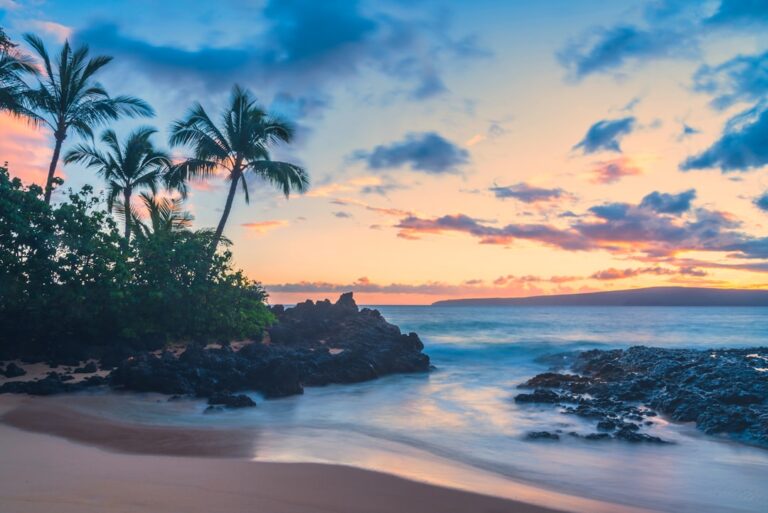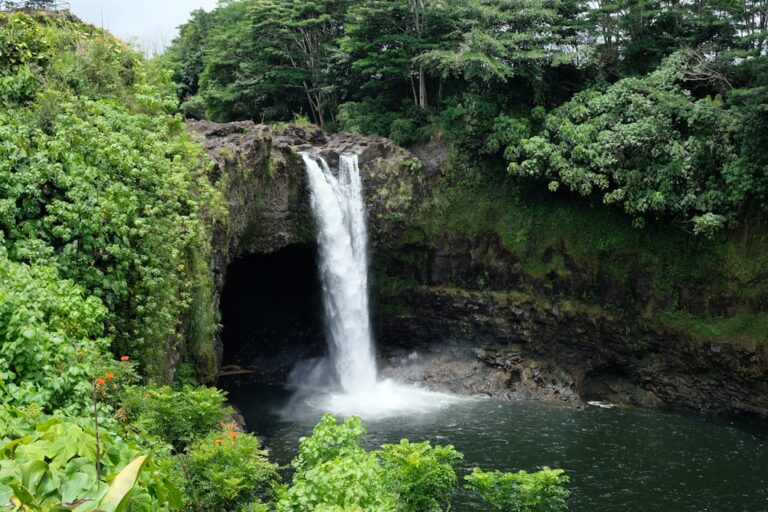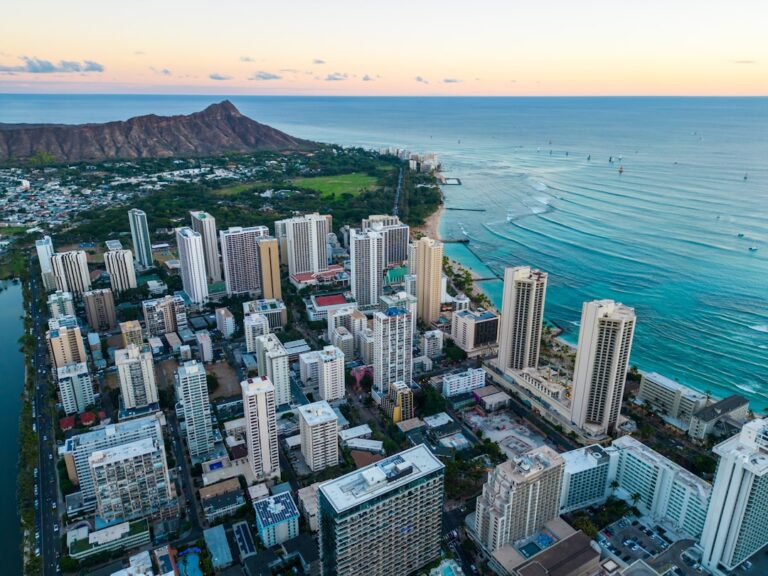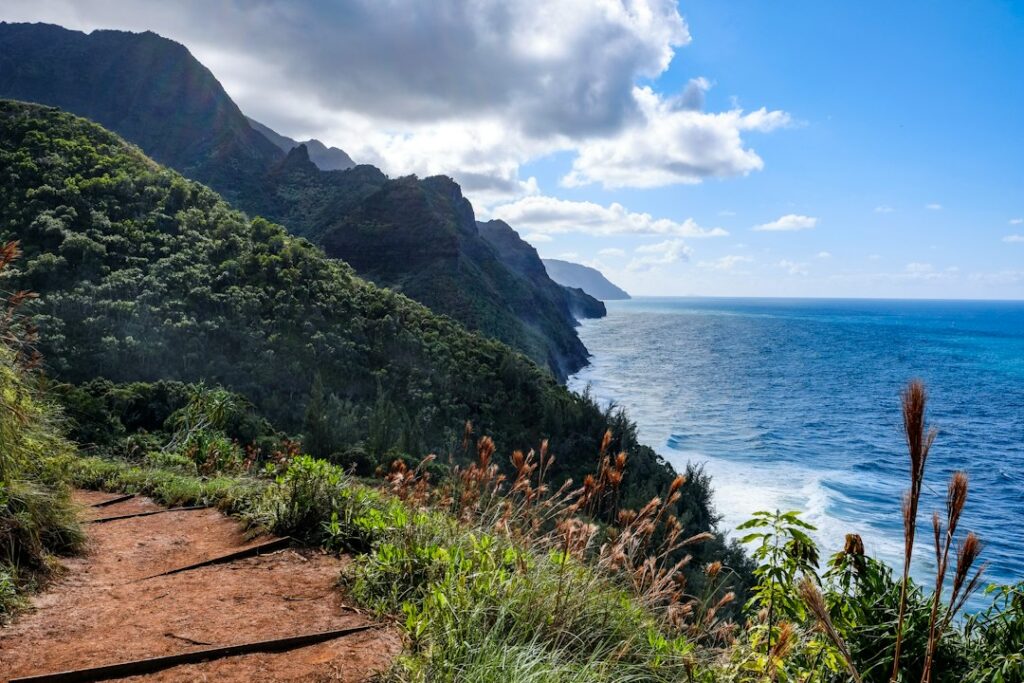
Kauai has roughly 50 miles of public coastline, and visitors consistently report being overwhelmed when choosing among them. The island’s beaches split sharply by season — North Shore beaches that are postcard-perfect in summer turn into closed-out shorebreak hazards in winter, while the South Shore is the inverse. The ranking below uses three factors: water safety across an average week, scenic upside, and access difficulty. Coordinates and parking notes are drawn from the Hawaii Division of State Parks Kauai directory and the Hawaii Tourism Authority regional guide.
For broader month-by-month timing context, see the companion guide on the best time to visit Kauai. For multi-island comparisons, the island-by-island timing breakdown covers when each shore is at its calmest.
How This List Was Ranked
Three criteria drove the ordering. First, water-safety reliability: how often the beach is swimmable across an average week, drawing on advisory frequency tracked by the National Weather Service Honolulu and the Hawaii Beach Safety system. Second, scenic upside — the unique landscape factor a beach delivers that another can’t substitute for. Third, access difficulty: parking, walk-in distance, and any permit requirement. Beaches that scored highly on all three rose to the top of the list.
One note on lifeguards. The Ocean Safety division staffs roughly nine guarded beaches on Kauai, and unguarded beaches account for the majority of the island’s drowning incidents per Department of Health data. Where a beach below is unguarded, the entry says so explicitly.
The 12 Best Beaches on Kauai, Ranked
1. Hanalei Bay (North Shore)
Hanalei Bay is a 2-mile crescent cradled by 4,000-foot ridgelines, and it is the beach most visitors picture when they imagine Kauai. From roughly May through September the bay turns into a long flat lagoon ideal for swimming, paddleboarding, and learn-to-surf lessons. From October through April the same bay becomes a serious surf venue — the famous Hanalei Pier break holds size, and the inside reform is often closed-out shorebreak. Lifeguards staff Hanalei Pavilion and Black Pot in summer.
Parking is the limiting factor. The Pavilion lot fills by 10 AM in summer, and the residential streets around the pier are time-limited per recent County of Kauai parking enforcement. The strategic move is arriving before 9 AM or after 3 PM. Bathrooms and showers exist at the Pavilion and at Wai’oli Beach Park toward the west end of the bay.
2. Poipu Beach Park (South Shore)
Poipu Beach Park is the most reliable swim beach on Kauai year-round. The dual-pocket layout — a protected keiki pool divided from an open swim cove by a sand bar — means a calm option exists even on bigger swell days. Lifeguards are present daily. Monk seals haul out on the sand often enough that the NOAA Marine Mammal Protection program posts standing signage requiring a 50-foot buffer.
The data supports the year-round claim. The bay sits on the leeward side of the island, sheltered from the dominant trade-wind swell direction, and the Beach Safety advisory log shows fewer high-surf closures here than at any other Kauai beach. Snorkeling on the east side of the rock divide is good for beginners, with green sea turtles routinely visible. Restrooms, showers, and a grassy picnic area sit directly behind the sand.
3. Tunnels Beach (Makua, North Shore)
Tunnels is the strongest snorkeling on the North Shore — and arguably on the island — when conditions allow. A horseshoe-shaped reef encloses a sheltered lagoon, and the outer wall holds dramatic caverns that give the beach its name. The catch: it is only swimmable in summer. Per Hawaii Beach Safety, Tunnels routinely closes under high-surf advisory between October and April, when waves wrap over the reef.
Access is also restrictive. The official lot at Ha’ena State Park, which adjoins Tunnels to the west, requires an advance reservation for non-residents. Roadside parking along Kuhio Highway near Tunnels itself is limited and gets ticketed. A no-reservation alternative is walking in from Ha’ena Beach Park, roughly 0.6 miles east. Unguarded.
4. Polihale State Park (West Side)
Polihale is a 7-mile stretch of undeveloped sand at the far western tip of Kauai, where the Na Pali cliffs begin their rise. It is the longest beach in the state. The scenic case is overwhelming: 1,500-foot pali walls to the north, the open Pacific to the west, and sunsets every evening because there’s nothing on the horizon to block them.
The trade-offs are real. Access is via 5 miles of unpaved sugarcane-road that the state has formally improved as of 2024 per DLNR park updates, but rental-car contracts may still prohibit it. There are no lifeguards, the shorebreak is dangerous, and swimming is generally not advisable. Treat Polihale as a sunset and camping beach, not a swim beach.
5. Ke’e Beach (North Shore)
Ke’e sits at the end of Kuhio Highway and marks the trailhead of the Kalalau Trail. It’s a small reef-protected lagoon framed by the cathedral walls of the Na Pali Coast — visually one of the most spectacular settings in Hawaii. Summer snorkeling is rewarding when surf is small. Winter brings closed-out shorebreak that the NWS Honolulu high-surf advisory regularly flags.
Ke’e is inside Ha’ena State Park, which means non-resident visitors must book the entry-and-parking reservation in advance. Walk-ins from outside the park are not permitted. The reservation system caps daily visitors to protect the area — a 2019 change that ended the previous parking crush at the end of the road.
6. Anini Beach (North Shore)
Anini has the longest fringing reef on Kauai, and the reef sits roughly 200 yards offshore. The result is the calmest North Shore water on the island — a wide flat lagoon protected from the open ocean. It is the standout beach on Kauai for families with young children, for stand-up paddleboarding, and for kitesurfing when trades are up.
Local advice is to enter the water away from reef channels, where small rip currents form when the tide drops. Anini Beach Park has restrooms, a grassy lawn, and camping by County of Kauai permit. Parking is free but limited to roughly 30 spaces; weekend mornings fill earliest. Unguarded, though water conditions are typically benign.
7. Lydgate Beach Park (East Side)
Lydgate is the family infrastructure beach. Engineered breakwater walls create two protected pools — a deeper one suitable for snorkeling and a smaller keiki pool ideal for toddlers. The adjacent Kamalani Playground is the largest free playground on Kauai, and the park includes restrooms, showers, a covered pavilion, and 2 miles of paved coastal path.
The County of Kauai keeps Lydgate lifeguarded year-round per the Kauai Parks & Recreation directory. The water inside the rock walls is essentially always swimmable. Visibility is moderate — not the clearest snorkel on the island — but the safety floor makes it the default first-day beach for visiting families.
8. Kalapaki Beach (Lihue / East Side)
Kalapaki sits inside Nawiliwili Bay next to the cruise pier. The protected bay produces small, consistent waves that are ideal for learn-to-surf, and the on-beach lessons through the Marriott resort and several independent operators run year-round. The water is generally calm enough for casual swimming.
Two practical advantages: Kalapaki is 5 minutes from Lihue Airport, making it the most convenient first-or-last beach of a Kauai trip; and parking through the public access by the Marriott is free. The scenic ceiling is lower than the postcard beaches further out — there’s a working harbor next door — but the access economics are unmatched.
9. Salt Pond Beach Park (South-West)
Salt Pond is the locals’ family beach on the dry South-West side. A natural rock barrier creates a protected swimming pond, and the surrounding park has restrooms, showers, picnic shelters, and camping by permit. Lifeguards are present. The adjacent salt-harvesting flats are a culturally significant site where Hanapepe families produce traditional Hawaiian sea salt, per National Park Service ethnographic records.
Salt Pond is the budget-friendly beach park on Kauai. Hanapepe town, 5 minutes inland, hosts a weekly art-walk on Friday evenings that adds an after-beach dinner option. The drive from Poipu is 25 minutes; from Lihue, 45 minutes. Sunsets here face directly into the open western horizon.
10. Mahaulepu Beach (South Shore)
Mahaulepu is a wild, undeveloped 2-mile coastline east of Poipu. Access is via a private cane-haul road open to the public during daylight hours, and there are no facilities — no bathrooms, no lifeguards, no shade. What it offers is solitude, lithified sand dunes, and the Makawehi sea cliffs that the United States Geological Survey has studied for their preservation of Polynesian-era footprints.
Swimming is generally not recommended; surf is consistent and rips form along the entire length. Hiking the Mahaulepu Heritage Trail along the cliffs above the beach is the typical activity. Bring water, sunscreen, and a hat. Sunday morning is the quietest window; the parking-lot gate closes by 6 PM daily.
11. Shipwrecks Beach (Poipu)
Shipwrecks fronts the Grand Hyatt Kauai at the eastern end of the Poipu resort strip. The headland at the east end, Makawehi Point, is the most photographed cliff jump on Kauai. The beach itself produces a hollow shorebreak that draws skilled bodyboarders — and that the Beach Safety advisory feed repeatedly flags as a fail point for inexperienced swimmers.
It is not a beginner swim beach. It is, however, an excellent sunrise walk: the Hyatt provides public-access stairs from the lobby down to the sand, and the Mahaulepu Heritage Trail begins from the east end of Shipwrecks and continues for 2 miles east. Restrooms are inside the Hyatt lobby.
12. Hanakapi’ai Beach (Na Pali Coast)
Hanakapi’ai requires a 2-mile hike along the Kalalau Trail to reach, and the trailhead itself requires the Ha’ena State Park reservation. In winter, the beach effectively disappears — high surf strips the sand down to boulder field. Per DLNR Kalalau Trail advisories, the stream crossing at the beach can become impassable after heavy rain and has historically been the site of fatal flash floods.
Swimming is not safe at any time of year — the beach has no offshore reef, currents are strong, and the bottom drops fast. The beach is best treated as a turnaround point on a half-day hike or as the gateway to the 2-mile inland trail extension to Hanakapi’ai Falls. Bring 3 liters of water per person and waterproof footwear for the stream crossings.
Quick-Reference Comparison Table
| Beach | Region | Best Season | Lifeguarded | Snorkel | Swim Safety |
|---|---|---|---|---|---|
| Hanalei Bay | North | May–Sept | Yes (summer) | Fair | High in summer |
| Poipu Beach | South | Year-round | Yes | Good | Highest |
| Tunnels | North | May–Sept | No | Excellent | Summer only |
| Polihale | West | Year-round views | No | Poor | Low |
| Ke’e | North | May–Sept | No | Good (summer) | Summer only |
| Anini | North | Year-round | No | Fair | Calmest North |
| Lydgate | East | Year-round | Yes | Fair | Highest (walled) |
| Kalapaki | East | Year-round | Seasonal | Fair | High |
| Salt Pond | South-West | Year-round | Yes | Fair | High |
| Mahaulepu | South | Hiking | No | No | Low |
| Shipwrecks | South | Watching, not swimming | No | No | Low |
| Hanakapi’ai | Na Pali | Hike-in only | No | No | Very low |
Beaches by Trip Style
For first-time families with kids, the strongest combinations are Poipu (south) or Lydgate (east) as the daily default plus Anini if the trip includes a North Shore day. All three keep water-safety risk low while still offering decent snorkel and turtle sightings.
- First-time family with kids: Lydgate, Poipu, Anini, Salt Pond
- Snorkeling priority: Tunnels (summer), Poipu, Ke’e (summer)
- Scenic photography: Polihale at sunset, Hanalei Bay at sunrise, Mahaulepu cliffs
- Surf lessons: Kalapaki, Poipu, Hanalei Bay (summer)
- Solitude: Polihale, Mahaulepu, Hanakapi’ai
- Walking distance from a hotel: Kalapaki, Poipu strip, Shipwrecks
Mixed-priority trips can mostly be handled by alternating a southern anchor beach with one northern day; the only itinerary that’s hard to satisfy in a single visit is “calm year-round + Na Pali backdrop,” which would need two trips in different seasons.
Seasonal Safety: What the Data Says
Kauai’s drowning rate has been the highest per visitor of any Hawaiian island for multiple years per Hawaii Department of Health injury surveillance data. Two patterns stand out. First, the majority of incidents occur at unguarded beaches, particularly during high-surf advisories. Second, the North Shore accounts for a disproportionate share of winter drownings — exactly the months when its beaches photograph best and look deceptively swimmable from the road.
The practical rule for visitors: check Hawaii Beach Safety the morning of every beach day. The site shows current advisories per beach. If an advisory is active on the shore you planned, switch shores — the leeward side is almost always swimmable when the windward side is not, and vice versa. Lifeguard presence is the single strongest predictor of survival in a water emergency per the same Department of Health analysis.
Getting Around to These Beaches
Kauai has no inter-island ferry, no cross-island highway, and no rideshare density outside the Lihue–Poipu corridor. The practical implication: a rental car is required for all but resort-strip itineraries. Driving time across the island is longer than it looks on a map — Lihue to Hanalei is roughly 75 minutes in normal traffic, and the Hanalei road across the one-lane bridges enforces a slow pace by design.
For a full breakdown of regional driving distances and which towns to base in, see the companion Kauai neighborhood guide. For longer-term planning, the retiring to Kauai guide covers cost-of-living tradeoffs by region.
What to Bring to Every Beach
The Kauai beach kit changes only slightly by region — the West Side asks for more water and the North Shore asks for reef shoes — but five items belong in the bag for every beach day on the island.
- Reef-safe sunscreen — Hawaii’s SB 2571 bans the sale of sunscreens containing oxybenzone and octinoxate
- Water shoes for reef entries at Tunnels, Anini, and Lydgate
- 3 liters of water per person for any hike-in beach
- A waterproof phone case — the Pacific has erased countless rental-car return keys
- A small dry bag for valuables; car break-ins at remote trailheads remain a recurring issue per Kauai Police Department bulletins
Towels, snacks, and a hat round out the bag. Most resort areas have convenience stores within 5 minutes, so a missing reef shoe is recoverable; a missing water bottle on the West Side is not.
Frequently Asked Questions
Which is the safest beach on Kauai for swimming?
Lydgate Beach Park is the safest swim beach on Kauai because engineered breakwater walls enclose two protected pools and lifeguards staff the park year-round. Poipu Beach Park is a close second and offers better snorkeling, with monk-seal and sea-turtle sightings most days of the year.
Where is the best snorkeling on Kauai?
Tunnels Beach on the North Shore has the strongest snorkeling on Kauai during summer because a horseshoe-shaped reef encloses a sheltered lagoon and the outer wall holds caverns and pelagic species. Poipu Beach is the best year-round alternative — calmer, lifeguarded, and easier to access without a state-park reservation.
Are North Shore beaches safe in winter?
North Shore beaches are generally not safe for swimming from October through April because Pacific winter swells produce high surf and closed-out shorebreak. Hanalei Bay, Tunnels, and Ke’e all photograph beautifully in winter but are repeatedly flagged by Hawaii Beach Safety during this window. The South Shore is the calmer alternative in winter.
Do I need a reservation for any Kauai beach?
Yes. Ha’ena State Park — which includes Ke’e Beach and the Kalalau Trail trailhead, and is the official lot for Tunnels — requires advance reservations for non-Hawaii-residents. Reservations are released 30 days out and the morning slots sell out quickly during summer and holiday weeks.
Can I camp at a Kauai beach?
Camping is permitted at Anini, Salt Pond, Lucy Wright, and several other County of Kauai beach parks with an advance permit. Polihale State Park also allows camping by DLNR permit. Permits cost $3 per night for residents and $20 per night for non-residents, payable through the county and state online portals.
Where can I see Hawaiian monk seals on Kauai?
Hawaiian monk seals haul out most consistently at Poipu Beach Park on the South Shore. NOAA marine-mammal volunteers post buffer cones when a seal is on the sand. Polihale and Larsen’s Beach are secondary haul-out spots. A 50-foot viewing buffer is federally required, and drone overflight is prohibited.
Final Word
Kauai’s best beach depends entirely on the trip’s purpose and the season of the visit. For a single family-friendly anchor across the year, Poipu Beach Park is the editorial standout. For peak scenic delivery, Polihale at sunset is unmatched. For snorkeling between May and September, Tunnels has no peer on the island. The smart approach is matching the day’s beach to the morning’s conditions — a check of Hawaii Beach Safety takes 30 seconds and consistently makes the difference between a flexible itinerary and a frustrating one.