Mililani sits right in the heart of central Oahu, sandwiched between the Waianae and Koolau mountain ranges. What started as pineapple plantation land in the late 1960s has become one of the most sought-after family communities on the island — and for good reason. If you’re thinking about making the move to Mililani in 2026, here’s what life actually looks like on the ground.
A Quick History of Mililani
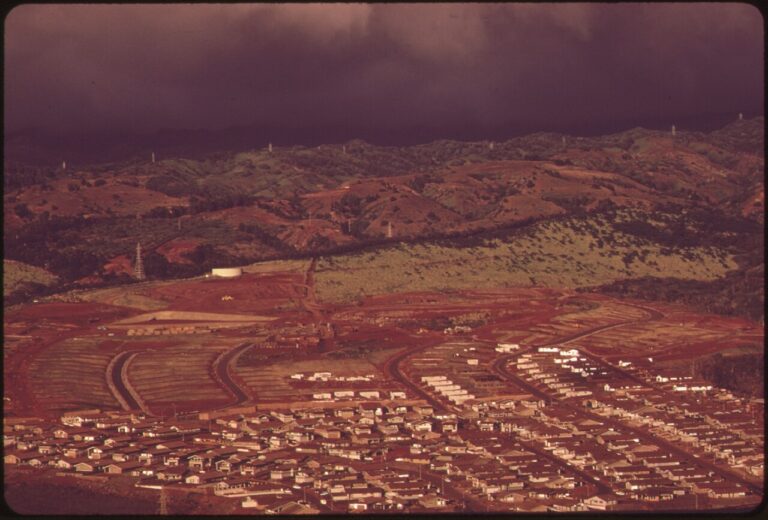
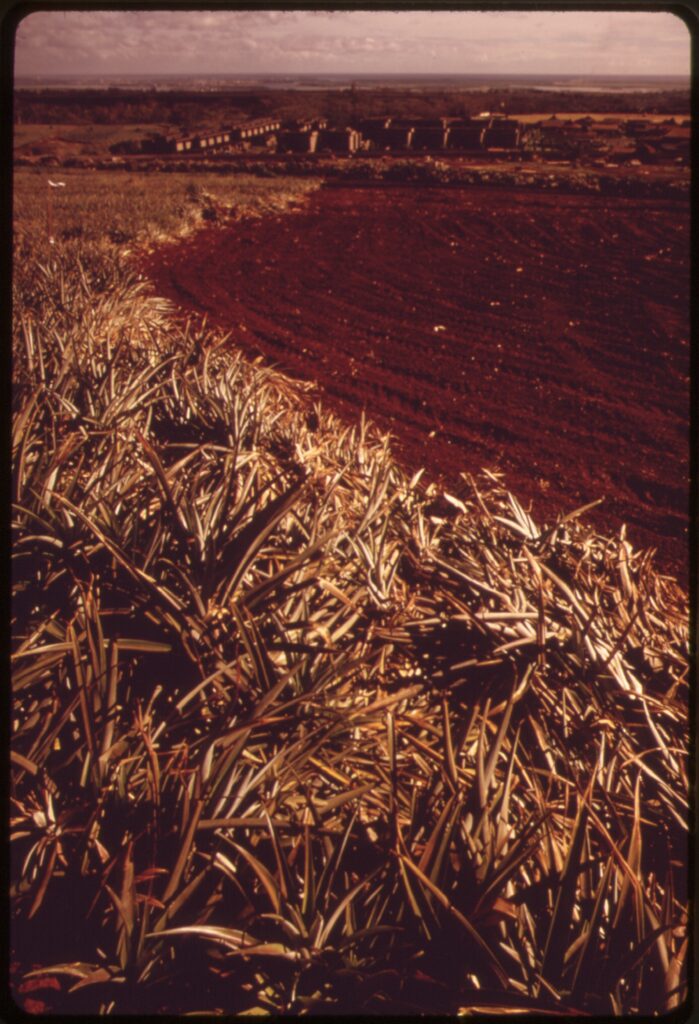
Castle & Cooke (the folks behind Dole) started developing Mililani Town in 1968, transforming thousands of acres of former pineapple fields into a master-planned community. The name “Mililani” means “to praise” or “to give thanks” in Hawaiian, and was originally the name of a high chiefess.
Today, the community is split into two main areas: Mililani Town (the original section, mostly south of Meheula Parkway) and Mililani Mauka (the newer development built in the 1990s, situated further upslope toward the Koolau Range). Together, they’re home to roughly 50,000 residents.
Cost of Living in Mililani (2026)
Let’s get the big number out of the way: the cost of living in Mililani is roughly 70-85% higher than the U.S. national average. That said, it’s actually slightly below the Honolulu metro average, which makes it one of the more affordable options on Oahu for families.
Housing Costs
The median home price in Mililani hovers around $1.0–$1.1 million for single-family homes as of late 2025. That’s not cheap by mainland standards, but compared to neighborhoods like Kailua ($1.4M+) or Hawaii Kai ($1.2M+), you’re getting more space for your dollar.
Here’s roughly what you’ll find:
- 3-bedroom single-family home: $850,000–$1,200,000
- Townhouse/condo: $450,000–$700,000
- Rental (3-bed house): $2,800–$3,800/month
- Rental (2-bed condo): $2,000–$2,600/month
If you’re looking at building instead, check out our guide on the cost to build a house in Hawaii in 2026 — though available lots in Mililani are pretty scarce at this point.
Groceries and Everyday Expenses
Groceries run about 30-50% more than the mainland average. A gallon of milk costs around $7-8, a dozen eggs run $5-6, and a loaf of bread is $5-7. Mililani has good shopping access though — there’s a Foodland, Times Supermarket, and a Costco membership will be your best friend for stocking up.
For tips on keeping costs manageable, our guide on how to save money living in Hawaii covers practical strategies that work particularly well in Mililani.
Property Taxes
Here’s the good news: Hawaii has some of the lowest property tax rates in the nation. Mililani falls under Honolulu County, where the residential rate for owner-occupants is approximately $3.50 per $1,000 of assessed value. On a $1M home, that works out to around $3,500/year — much lower than you’d pay in most mainland states. See our full breakdown of Hawaii property tax rates by county.
Neighborhoods: Mililani Town vs. Mililani Mauka
Mililani Town
The original development features a mix of single-family homes, townhouses, and condos built primarily between the late 1960s and 1990s. Streets are tree-lined, lots are a decent size (5,000–7,000 sq ft typical), and the community has a mature, established feel.
Key areas include:
- Launani Valley: Tucked into a valley on the east side, quieter and slightly cooler
- Mililani Town Center area: Close to shopping, restaurants, and the rec centers
- Waikalani Woodlands: Popular condo/townhouse complex with resort-style amenities
Mililani Mauka
Built in the 1990s and 2000s, Mauka (“upland” in Hawaiian) sits at a slightly higher elevation. Homes here are generally newer and a bit more expensive. You’ll find larger floor plans, more modern layouts, and slightly cooler temperatures thanks to the elevation gain.
The trade-off? Mauka has fewer commercial amenities within walking distance, though the Mililani Town Center is just a short drive away.
Schools in Mililani
This is one of Mililani’s biggest selling points. The community consistently ranks among the top public school districts on Oahu.
Elementary schools:
- Mililani Uka Elementary
- Mililani Waena Elementary
- Mililani Mauka Elementary
- Kipapa Elementary
Middle school: Mililani Middle School serves the entire community and is well-regarded for academics and extracurriculars.
High school: Mililani High School is one of the strongest public high schools in Hawaii. It consistently performs above state averages in test scores, has competitive sports programs (their football team is legendary on Oahu), and offers a wide range of AP courses.
For families with younger kids, there are also several well-rated preschools and daycare options in the area.
The Commute: Getting Around from Mililani
Central Oahu means you’re not on the coast — and that means commuting. Here’s the reality:
- Mililani to Downtown Honolulu: 25–45 minutes (heavily traffic-dependent)
- Mililani to Pearl Harbor/Joint Base Pearl Harbor-Hickam: 15–25 minutes
- Mililani to North Shore (Haleiwa): 20–30 minutes
- Mililani to Waikiki: 35–55 minutes
The H-2 freeway connects Mililani to the H-1, and morning southbound traffic (toward Honolulu) can be brutal — expect 45–60+ minutes during peak hours. The reverse commute heading north is much easier.
For a detailed look at traffic patterns across the islands, check out our Hawaii traffic and commute times guide.
One upside: if you work remotely (increasingly common in 2026), Mililani’s central location means you’re within easy reach of both the North Shore beaches and urban Honolulu when you want a change of scenery.
Recreation and Things to Do
The Rec Centers
Mililani Town Association (MTA) manages seven recreation centers throughout the community. Residents pay monthly association fees (around $60-80/month for homeowners) and get access to:
- Swimming pools
- Tennis and pickleball courts
- Basketball courts
- Community meeting spaces
- Fitness facilities
This is a huge perk — especially for families with kids. The rec centers host youth programs, swim lessons, and community events year-round.
Parks and Trails
Mililani has an extensive network of parks and walking paths. The Mililani Town Trail System connects many neighborhoods, and you can walk or bike along tree-lined paths without ever touching a main road.
For more serious hiking, you’re close to some great trails:
- Aiea Loop Trail: 4.8-mile loop through native forest (20 min drive)
- Wahiawa Botanical Garden: Free admission, peaceful strolls (10 min drive)
- Waimea Valley: Cultural preserve and waterfall hike on the North Shore (25 min)
Golf
Mililani Golf Club is an 18-hole course right in the community. Green fees for residents are reasonable, and it’s a solid mid-range course with great mountain views.
Dining and Shopping
Mililani Town Center and Mililani Shopping Center are the main commercial hubs. You’ll find:
- Restaurants: A mix of local favorites — plate lunch spots, poke bowls, ramen, Thai, and a few sit-down options. Sugoi Bento & Catering is a local institution for Japanese bento.
- Coffee: Starbucks and local shops. Morning Brew is a popular spot.
- Shopping: Foodland, Longs Drugs (CVS), banks, and various retail shops
- Farmers Market: The Mililani Farmers Market runs on Sundays and is a great place to grab fresh local produce, honey, and baked goods.
For bigger shopping runs, Pearl Highlands Center and Pearlridge Center are about 15 minutes south.
Military Families in Mililani
Mililani is extremely popular with military families, thanks to its proximity to Schofield Barracks and Wheeler Army Airfield — both just minutes away. The good schools, safe neighborhoods, and family-oriented vibe make it an obvious choice for PCS moves.
If you’re military and considering Mililani, our PCS to Hawaii military relocation guide covers BAH rates, housing tips, and what to expect.
Pros of Living in Mililani
- Top-tier public schools — consistently among Oahu’s best
- Safe, family-friendly community — low crime rates relative to urban Honolulu
- Excellent recreation facilities — 7 rec centers, pools, courts, trails
- Central location — access to both North Shore and Honolulu
- Well-maintained neighborhoods — HOA keeps things tidy
- Strong sense of community — events, sports leagues, neighborhood pride
- Slightly cooler temperatures — especially in Mauka, a few degrees cooler than the coast
Cons of Living in Mililani
- No beach access — you’re 20+ minutes from the nearest shoreline
- Traffic — the H-2/H-1 merge is one of Oahu’s worst bottlenecks during rush hour
- HOA fees and rules — MTA association fees are mandatory, and there are restrictions on home modifications
- Limited nightlife/dining — it’s a suburban community, not a nightlife destination
- High cost of living — while affordable by Oahu standards, still well above the national average
- Can feel \”cookie-cutter\” — master-planned communities aren’t for everyone aesthetically
Is Mililani Right for You?
Mililani is ideal if you’re a family with school-age kids looking for a safe, well-organized community with great schools and recreation. It’s especially good for military families stationed at Schofield or Wheeler, and for anyone who doesn’t mind trading beach proximity for a more affordable, community-oriented lifestyle.
It’s probably not the best fit if you want to walk to the beach every day, prefer urban energy, or can’t handle a commute. But for the right person — especially families — it’s genuinely one of the best places to live on Oahu.
Frequently Asked Questions
Is Mililani a good place to live in Hawaii?
Yes, Mililani is consistently rated as one of the best places to live on Oahu. It offers top-rated public schools, safe neighborhoods, extensive recreation facilities, and a strong family community. The main trade-offs are the lack of beach access and commute times to Honolulu during rush hour.
How much does it cost to live in Mililani, Hawaii?
The cost of living in Mililani is approximately 70-85% higher than the U.S. national average but slightly below the Honolulu metro average. Median home prices are around $1.0–$1.1 million for single-family homes, and rentals for a 3-bedroom house range from $2,800–$3,800 per month. The median household income in Mililani is approximately $104,000.
What is the difference between Mililani Town and Mililani Mauka?
Mililani Town is the original community developed starting in 1968, with a mix of older single-family homes, townhouses, and condos. Mililani Mauka is the newer section built in the 1990s and 2000s at a higher elevation, featuring newer, generally larger homes with more modern layouts. Mauka is slightly cooler in temperature but has fewer nearby commercial amenities.
How far is Mililani from the beach?
Mililani is located in central Oahu and is not directly on the coast. The nearest beaches on the North Shore (like Haleiwa Beach Park) are about 20-30 minutes away by car. South shore beaches near Ewa Beach are about 20-25 minutes away. Waikiki Beach is approximately 35-55 minutes depending on traffic.