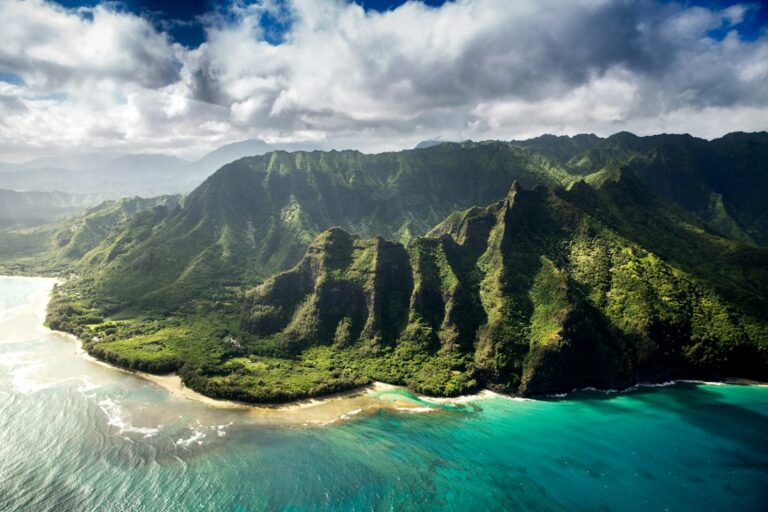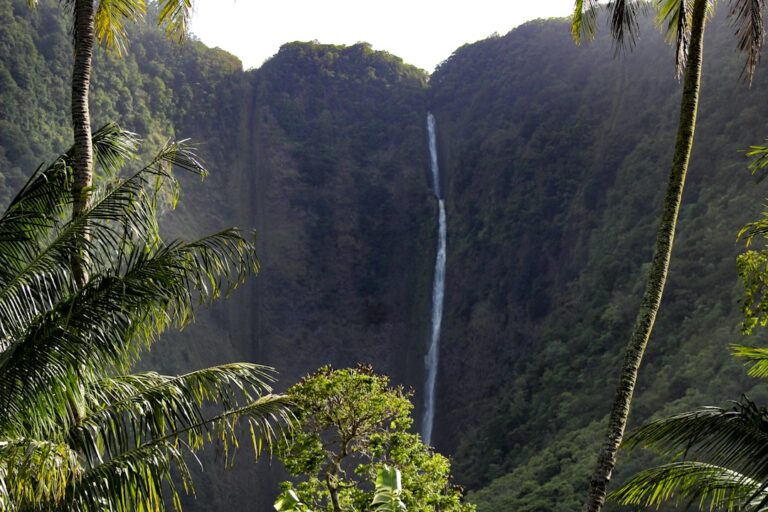
Kauai’s northern coast catches the wettest air of any main Hawaiian island. Hanalei averages close to 85 inches of annual rainfall, and the majority of that water arrives between November and March when kona lows and cold-front trailing bands stall against the Namolokama and Waialeale ridges. Packing choices need to reflect that hydrology rather than the postcard sun.
A rainy-season visit means treating the island as three or four microclimates rather than one destination. The lush north shore behaves differently from Poipu’s leeward south coast, and both differ from the Waimea Canyon rim, which sits above 3,600 feet and can dip into the 40s at dawn.
This gear guide translates that geography into a packing card: waterproof shells, quick-dry layers, dry bags, water shoes for muddy trailheads, and merino for elevation. It leans on rainfall data, county advisories, and marine forecasts to explain why each item earns space in a carry-on.
Kauai’s rain by the numbers, November through March
Rainfall on Kauai concentrates dramatically along the windward north and east flanks. The Hanalei belt receives roughly 85 inches annually, with December and January often delivering 12 to 15 inches per month, while Poipu on the leeward south coast averages closer to 30 inches for the entire year.
The wet-season pattern reflects two ingredients: persistent northeast trades that pile moisture against the mountains, and winter kona storms that reverse the wind direction and soak leeward areas normally spared from downpours. Both patterns peak between late October and early April.
Daily rainfall totals during a passing kona event can exceed 3 inches in six hours across the Wailua drainage, triggering the flash-flood advisories that local newsrooms broadcast alongside road closure updates for the Kuhio Highway near Hanalei’s one-lane bridges.
For a monthly primer specifically tuned to shoulder-season visits, the site’s breakdown of November Kauai trip rates and rainfall pairs well with this gear list.
Monthly rainfall inches by shore
| Month | Hanalei (north) | Wailua (east) | Poipu (south) | Kokee (canyon) |
|---|---|---|---|---|
| November | 10.5 | 5.2 | 3.1 | 7.8 |
| December | 13.4 | 6.8 | 3.6 | 9.4 |
| January | 12.8 | 7.1 | 3.9 | 10.1 |
| February | 10.2 | 5.9 | 3.4 | 8.6 |
| March | 9.7 | 5.4 | 2.8 | 7.9 |
The gap between the north shore and Poipu narrows to almost nothing on a clear trade-wind day and widens to a factor of four during kona events. A visitor basing lodging on the south shore may need only a light jacket on property, then full waterproof gear the moment they drive across the island.
Three microclimates on one island
Kauai’s ring road spans about 108 miles of usable coastal driving, and the interior mountains create sharp weather boundaries within a 45-minute drive. Understanding the split determines what to wear each morning and what to carry in a daypack for afternoon changes.
North shore: Hanalei, Princeville, and Haena
The north shore sits directly downwind of Mount Waialeale during winter kona reversals, which explains its saturated character. Roads narrow to one-lane bridges past Hanalei, and the county closes them during heavy runoff. The Hanalei township winter overnight choice guide details how those closures affect same-day itineraries.
Princeville sits on a bluff about 250 feet above Hanalei Bay and often catches the same rain plus stronger gusts. Visitors targeting the Princeville resort enclave should still pack a full shell rather than a windbreaker.
East shore: Wailua, Kapaa, and Lihue
The eastern corridor between Lihue Airport and Kapaa receives moderate but persistent rainfall, typically as brief morning showers followed by clearing. Wailua’s location at the mouth of a river drainage means fog can settle overnight and lift by 10 a.m., a pattern useful for scheduling sunrise hikes on the Sleeping Giant Nounou east ridge.
South shore: Poipu and Kalaheo
Poipu sits in the rain shadow of the interior mountains, which is why the Poipu-Princeville rainfall split reads like data from two different islands. Kalaheo, sitting about 800 feet upslope from Poipu, catches noticeably more rain and cooler evening temperatures, as covered in the Kalaheo upcountry relocation guide.
Canyon rim: Waimea and Kokee
Waimea Canyon and Kokee State Park sit between 3,000 and 4,000 feet. Rainfall totals rival the north shore, but the practical concern is temperature: predawn lows near 45°F occur regularly in January, and afternoon fog can drop visibility along the Waimea Canyon rim overlooks to under 100 feet.
The waterproof shell system
The core garment for a Kauai rainy-season trip is a proper hooded rain jacket, not a soft-shell or a wind-only layer. Tropical rain arrives hard and fast, sometimes dropping 0.5 inches in fifteen minutes, and the shell needs to survive that intensity without wetting through.
Fabric performance is measured by hydrostatic head in millimeters of water column. A shell rated 10,000mm handles most Hawaii showers, but a 15,000 to 20,000mm rating provides the margin needed for extended exposure on trails or on a boat deck. Seam tape is non-negotiable; untaped seams fail within an hour.
What to look for
- Hydrostatic head of 15,000mm or higher for the outer fabric
- Fully taped seams throughout the jacket body and hood
- An adjustable hood with a stiffened brim that resists collapse
- Pit zips or venting so the shell breathes on humid hikes
- Weight under 14 ounces to keep it packable in a daypack
- A cinch-cord waist that stops rain from riding up in wind
Rain pants are optional but useful for the Kokee area and for zodiac boat trips. A packable pair weighing under 8 ounces adds negligible bulk. Skip heavy Gore-Tex trousers designed for alpine use; they overheat on the coast and offer no benefit over lighter shells.
Umbrellas fail in trade winds that regularly gust past 25 mph along the north shore. A jacket hood combined with a brimmed hat is a more reliable system than any collapsible umbrella, especially near Hanalei Bay where funnel effects amplify wind speeds.
Quick-dry base layers and travel clothing
Cotton is the wrong choice for a rainy-season Kauai trip. Cotton holds moisture, chafes when saturated, and takes 12 to 24 hours to dry in the island’s humidity. Synthetic fabrics and merino wool dry in under three hours and stay comfortable even when damp.
A functional travel wardrobe for a seven-day trip fits inside a carry-on when built around fast-drying pieces. Two pairs of nylon or polyester shorts, three quick-dry T-shirts or sun shirts, one long-sleeve merino baselayer, and one pair of convertible hiking pants cover most days.
Layering table for daily use
| Item | Fabric | Purpose | Typical dry time |
|---|---|---|---|
| Sun hoodie | Polyester UPF 50+ | Sun and light rain | 90 minutes |
| Hiking shorts | Ripstop nylon | Trail and beach | 2 hours |
| Merino T-shirt | 150gsm wool | Base layer, low odor | 3 hours |
| Merino long sleeve | 200gsm wool | Canyon warmth | 4 hours |
| Convertible pants | Nylon blend | Bug and sun protection | 2.5 hours |
| Board shorts | Recycled polyester | Ocean and pool | 1 hour |
Underwear should also be synthetic or merino. Cotton briefs saturated by a rain shower stay uncomfortable through an entire day, while merino briefs dry overnight hung in an open bathroom. Bringing three pairs and washing them mid-trip works better than packing seven.
Swimwear plays double duty as a base layer during ocean-heavy days on the reef. Two suits allow one to dry while the other is worn. Skip white or pale-colored fabrics near red-mud areas; the iron in Kauai’s soil stains them permanently on first contact.
Dry bags, phone pouches, and electronics protection
A phone with water damage on day one converts the rest of a trip into an inconvenience. Rainy-season Kauai demands dedicated dry-bag protection for anything electronic, particularly for boat charters, waterfall hikes, and river paddling on the Wailua.
The two categories are IPX-rated pouches designed for phones and cameras, and roll-top dry bags sized 5 to 20 liters. Pouches let the touchscreen work through a clear front panel; roll-tops keep bulk items dry inside a daypack. Both belong on the packing card for winter visits.
Waterproofing ratings that actually matter
- IPX7 rating means submersion in one meter of water for 30 minutes
- IPX8 rating handles continuous submersion at manufacturer-specified depths
- Dry bags are usually measured by fabric hydrostatic head, target 10,000mm
- Roll-top dry bags require three folds minimum to seal properly
- Zip-lock bags are backup only and fail after repeated use
For zodiac charters leaving Port Allen for the Napali Coast, spray and swell will drench any exposed gear during the two-hour crossing. The Port Allen zodiac charter writeup notes that operators do not guarantee dry conditions on deck, so cameras belong inside 10-liter roll-tops.
A small silica gel pack tucked inside a phone pouch overnight helps draw residual humidity out of ports and cases, especially between multiple wet excursions. Batteries drain faster in warm, humid conditions, so pack a 10,000 mAh power bank inside its own dry pouch for backup.
Footwear for muddy trailheads and coral reef
Kauai’s winter trail conditions punish improvised footwear. Iron-rich red mud coats the Napali Coast trailheads, the Nualolo-Awaawapuhi loop, and the muddy ridge sections above Hanalei. Sneakers meant for pavement will slip, soak through, and stain within an hour.
Trail runners with aggressive lugs and drainage ports work better than waterproof hiking boots for this environment. Waterproof boots keep water out until it comes over the ankle, then trap it inside for the rest of the day. Trail runners let water pass through and dry within four hours.
Footwear matched to terrain
| Activity | Footwear | Priority |
|---|---|---|
| Kalalau trailhead mud | Trail runners with 4mm lugs | Grip and drainage |
| Reef walking Poipu | Neoprene water shoes | Puncture protection |
| Waimea Canyon rim trails | Low-cut hikers or trail runners | Ankle mobility |
| Wailua River kayak | Rubber-soled sandals | Wet foot comfort |
| Beach walking Hanalei | Flip-flops or barefoot | Sand exit ease |
| Town dining Poipu | Slip-on canvas | Casual, quick-dry |
Neoprene reef shoes matter for snorkeling. Kauai’s reef flats around Poipu and Anini often require walking across sharp coral rubble to reach deeper water. The site’s best snorkeling on Kauai guide points out several entry points where bare feet cause cuts within seconds.
Old trail runners work as sacrificial shoes for the reddest, muddiest hikes. Bringing a five-year-old pair specifically for those days protects newer footwear and keeps hotel-room carpets clean. Local laundromats stock stain treatments, but Kauai red mud rarely comes fully out of light fabrics.
Merino and layering for Waimea Canyon elevation
Waimea Canyon and Kokee State Park require warmer clothing than the coast. The rim sits between 3,400 and 4,200 feet, and inversion nights push temperatures into the mid-40s between December and February. Visitors underestimating the elevation return to their cars shivering.
Merino wool is the ideal fabric for canyon days because it insulates when damp, resists odor across multiple wears, and dries faster than cotton. A 200gsm merino long-sleeve base layer paired with a mid-weight fleece and a rain shell handles temperatures from 45°F to 65°F comfortably.
Fog and mist along the canyon rim reduce visibility at overlooks between mid-afternoon and morning. Visitors following the Puu Hinahina to Puu Ka Pele overlook order should target arrivals between 8 and 11 a.m. for the clearest views, then descend as clouds build.
Canyon layering system
- Merino base layer, 150 or 200gsm, worn against skin
- Fleece midlayer, 200-weight polyester or grid fleece
- Waterproof shell as outer layer for wind and rain
- Beanie or brimmed hat, plus lightweight gloves
- Insulated water bottle to keep drinks warm at rest stops
Cotton hoodies fail badly in canyon conditions. Once damp from fog or rain, they hold water against the skin for hours and drop core temperature. A fleece pullover weighing 12 ounces replaces the hoodie’s function without the moisture penalty.
Down jackets are unnecessary for typical Kauai winter conditions. A synthetic puffy weighing 8 to 10 ounces works if there is space, but the merino-plus-fleece-plus-shell combination handles most scenarios adequately without extra bulk.
Daypack, rain covers, and vehicle setup
A 20 to 25 liter daypack fits the daily loadout: shell, water, snacks, camera, dry bags, and a change of socks. Larger packs invite overpacking; smaller ones force awkward gear-shuffling at trailheads. Rain covers matter, but a pack made of coated fabric with taped seams outperforms an added cover in gusts.
Rental car choice affects packing needs. A standard sedan cannot access some pullouts on Waimea Canyon Drive if the shoulder is muddy, and a compact car struggles with the potholes on the road to Polihale. A small SUV handles both scenarios without incident.
Daypack contents by day type
| Day type | Base weight | Extras |
|---|---|---|
| North shore hike | 4 lbs | Trekking poles, extra socks |
| Snorkel day Poipu | 3 lbs | Mask, fins, reef-safe sunscreen |
| Canyon overlook drive | 3.5 lbs | Fleece, beanie, thermos |
| Zodiac Napali charter | 2 lbs | Dry bag, motion medication |
| Rainy town day | 2.5 lbs | Shell, umbrella, book |
Gallon ziplock bags serve as useful backups for muddy clothing and wet swimsuits, keeping them isolated from dry gear inside the pack. A small microfiber towel weighing 2 ounces speeds drying at trailheads and in the car after ocean stops.
Trunk organization matters when itineraries cross the island multiple times daily. A dedicated tote for wet gear prevents rental-car seats from soaking through and reduces the mildew smell that develops quickly in warm, humid trunks.
The complete packing card
The following consolidated list represents the core of a rainy-season Kauai packing plan for a seven-day trip. It fits inside a carry-on when compressed, weighing roughly 22 pounds in total for a single traveler.
Apparel
- Waterproof shell jacket, 15,000mm-plus, hooded and seam-taped
- Packable rain pants, under 8 ounces
- Two pairs quick-dry shorts, nylon ripstop
- Three sun shirts or T-shirts, polyester or merino
- One 200gsm merino long-sleeve base layer
- One fleece midlayer, 12 to 14 ounces
- Convertible hiking pants, one pair
- Two swimsuits, quick-dry synthetic
- Six pairs merino or synthetic socks, mid-weight
- Wide-brim hat and one beanie
Footwear
- Trail runners with drainage ports and 4mm lugs
- Neoprene water shoes for reef
- Flip-flops or slip-ons for town
- Old sacrificial sneakers for red-mud trails
Protection and gear
- 10-liter roll-top dry bag
- IPX7 phone pouch with lanyard
- 20-liter daypack with taped seams
- Microfiber towel, 2 ounces
- 10,000 mAh power bank in dry pouch
- Reef-safe sunscreen, SPF 30 or higher
- Insect repellent for east-side evenings
- Motion sickness medication for boat charters
Documents and miscellaneous
- Photo ID and rental car reservation
- Printed backup of lodging confirmations
- Small first-aid kit with blister care
- Two gallon-sized ziplock bags for wet gear
Vehicles rented from Lihue Airport can be reserved directly through the airport’s approved counter list, which is documented on the Hawaii Department of Transportation site for airport operations. Confirm the counter location before departure.
For a complete picture of Kauai’s ocean patterns during winter, the Hawaii surf season guide explains the north-shore winter swell that closes some beaches to swimming and complicates snorkeling entries at north and west shore locations.
Health and safety considerations for wet-season travel
Rainy-season Kauai brings hazards that dry-season visitors rarely consider. Leptospirosis risk rises in freshwater streams and mud after heavy rain, and the Hawaii Department of Health issues advisories against wading in flooded streams. Cover open cuts before hiking and avoid stream swimming for 48 hours after major rain.
Flash-flood risk is highest in narrow valleys such as Hanakapiai and Kalalau. Trailhead signage lists the seven signs of flood danger, including sudden water discoloration and rising sound. Turning around adds thirty minutes; not turning around has killed dozens of visitors over the past four decades.
Marine safety changes with winter swell. North-shore beaches from Kee to Hanalei become dangerous for swimming when surf exceeds 8 feet, which happens frequently between November and March. The Hawaii tourism authority promotes daily surf forecasts and beach status maps updated by county lifeguards.
Road closures on the Kuhio Highway past Hanalei recur every winter. Reports in the Honolulu Star-Advertiser and Civil Beat track multi-day closures caused by rockfall and stream overtopping, which occasionally strand visitors at Haena for 6 to 24 hours until crews clear debris.
Sunburn risk remains high even during overcast days because UV penetrates cloud cover at Hawaii’s latitude. Reef-safe SPF 30 or higher applied every two hours protects both skin and the coral ecosystems that receive federal and state protection statuses.
Frequently asked questions
Does Kauai actually shut down when it rains in winter?
The Kuhio Highway to Hanalei closes for hours after heavy runoff, and Kalalau Trail permits get canceled for safety. Poipu resorts stay dry most of the time thanks to the leeward shadow. Rain rarely halts a full itinerary, but it can shrink a single day’s plans and requires a flexible schedule.
Is a poncho enough or does a real rain jacket matter?
A packable rain jacket with a 15,000mm-plus hydrostatic head handles Hanalei’s tropical downpours far better than a thin poncho, which shreds in wind gusts common along the north shore. Ponchos work as backup while waiting for a shuttle, but the primary shell should be seam-taped and cinch at the hood.
Are umbrellas useful on the north shore?
Umbrellas fail in the trade winds that funnel through the Hanalei Valley, often flipping inverted within seconds. A wide-brim waxed-cotton or synthetic hat combined with a hooded shell keeps rain off faces during quick showers. Umbrellas can help at Waimea Canyon overlooks, where winds are usually calmer than at coastal viewpoints.
How much colder does Waimea Canyon actually get?
Kokee State Park sits near 3,600 feet and routinely drops into the mid-50s at sunrise between December and February, with occasional lows in the upper 40s during trade-inversion nights. Daytime temperatures at the rim run 10 to 15 degrees cooler than Poipu at sea level, which surprises visitors expecting uniform tropical warmth.
What footwear works best for muddy trailheads?
Trail runners with lugged soles handle the churned red mud at Nualolo, Awaawapuhi, and the Napali Coast trailheads better than hiking boots that soak through and dry slowly. Pair them with quick-dry socks and pack an old pair specifically for trailhead use, since iron-rich mud stains fabric permanently on contact.
Does a dry bag need to be waterproof or just water-resistant?
A true IPX7-rated phone pouch or a 10-liter roll-top dry bag protects electronics during boat charters and river paddles where full submersion is possible. Water-resistant labels only handle splash exposure. For Napali zodiac trips leaving Port Allen, roll-tops rated 10,000mm or higher keep camera bodies functional after two-hour swell rides.
Are the wet-season months worth visiting at all?
Wet-season Kauai delivers dramatic waterfalls, greener valleys, and lower crowds. Rainfall concentrates in short intense bursts rather than all-day gray, and the leeward south coast stays sunny most days. Travelers willing to pack for rain often report the November through March window as more scenic than the drier summer months, at 20 to 30 percent lower lodging cost.