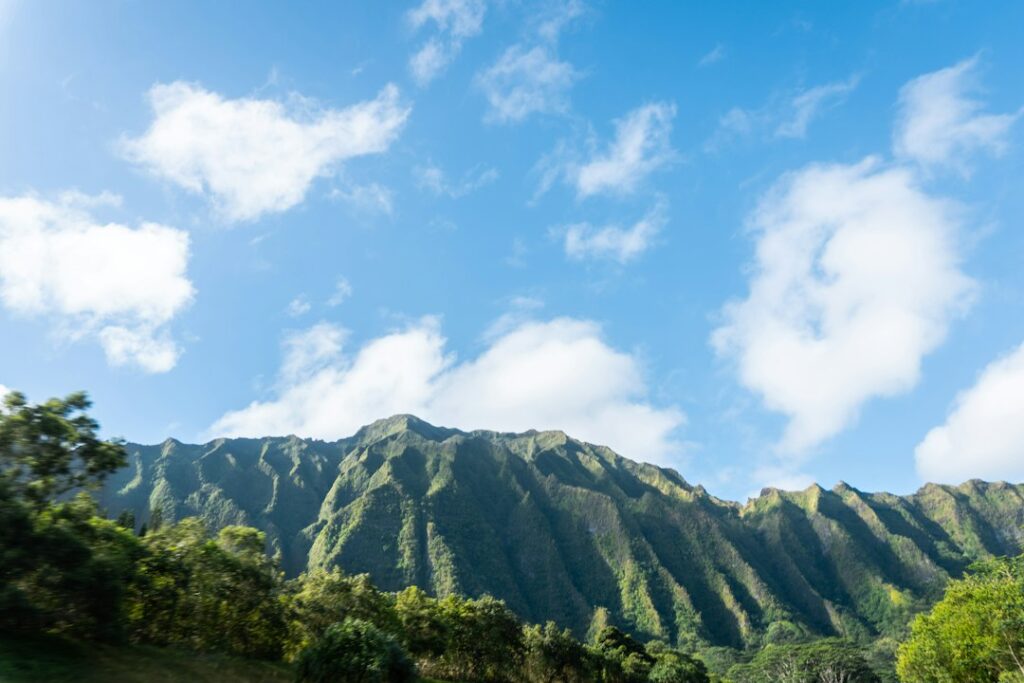
Hanalei sits at the base of Kauai’s north shore mountains, about 32 miles from Lihue Airport along Kuhio Highway. The one-lane bridge access, roughly 80 inches of annual coastal rainfall, and taro-field surroundings shape every overnight decision from November through March. This analysis covers what winter visitors and relocation researchers should weigh before committing to a wet-season stay in the township.
The town itself measures about half a square mile of flat land between the Hanalei River and the bay. Population sits near 450 permanent residents per state Census figures, though weekly visitor counts multiply that number several times over. Winter rain rearranges plans, closes roads, and separates good lodging picks from bad ones.
Choosing between a boutique inn and a vacation rental, timing a drive across the Hanalei Bridge, and knowing which restaurants stay busy during downpours all matter more here than in drier southshore locations. The sections below address each variable with specific numbers and side-by-side comparisons.
The One-Lane Bridge System and Access Bottleneck
Access to Hanalei from anywhere east of the Hanalei River funnels through a single 1912-vintage steel truss bridge. That bridge carries every resident, delivery truck, and rental car heading north of Princeville. Beyond Hanalei town, another six one-lane bridges continue westward toward Haena and the Kalalau Trail trailhead.
State transportation guidelines codify a courtesy pattern: five to seven cars cross together, then wait for the opposing side. Locals expect visitors to know this. The Hawaii Department of Transportation posts signage but does not enforce it, so bridge etiquette becomes a social contract that breaks down during holiday-week traffic spikes.
Weight limits sit at 15 tons, which means most rental vehicles pass without issue but larger moving trucks and construction equipment cannot. State DOT has flagged the Hanalei Bridge for eventual replacement, though its historic-status designation slows any major redesign to a multi-decade timeline. Winter overnight guests should treat the bridge as a fragile chokepoint, not a background detail.
Bridge Etiquette in Practice
Bridge protocol runs on unwritten rules. A short honk means the opposing driver forgot to wait. A hand wave through the windshield thanks the vehicle that yielded. Drivers who force their way across during heavy oncoming traffic create the kind of horn conversation that echoes across the taro fields for several minutes.
Flood Closures and River Level
The Hanalei River floods regularly during winter storms. When the USGS gauge at the bridge exceeds 9 feet, the state closes the crossing until levels recede. That closure has stranded overnight guests west of the river for six to eighteen hours during major December and February systems in recent years.
November Through March Rain Patterns
Winter rainfall on the Hanalei side of Kauai concentrates between late October and April. The wettest months average double-digit inches and produce extended stretches of afternoon showers separated by short clear windows. Coverage is spatial as much as temporal — driving five miles from the town toward Princeville often exits the active cell entirely.
National Weather Service climatology places the Hanalei coastal station at roughly 80 inches per year, with the Waioli valley behind it accumulating closer to 130 inches. The mountains that catch the trade-wind moisture — Namolokama, Hihimanu, and Mamalahoa — sit within three miles of the town center, so rainfall gradient across a short distance is dramatic.
| Month | Avg rainfall (in) | Rainy days | High / low (°F) |
|---|---|---|---|
| November | 9.1 | 18 | 79 / 66 |
| December | 11.4 | 20 | 78 / 65 |
| January | 10.7 | 19 | 77 / 64 |
| February | 7.9 | 16 | 77 / 64 |
| March | 7.4 | 17 | 77 / 65 |
| Annual | ~80 | ~180 | 78 / 65 avg |
These averages hide the shape of a Hanalei rainstorm. A December front can dump three inches in six hours, then leave the sky clear for the next two days. Planners who compare monthly totals against drier Kauai locations should also review the month-by-month Kauai weather breakdown for a broader picture.
Kona Storm vs Trade-Wind Shower
Trade-wind showers arrive from the northeast, pass over in ten to twenty minutes, and rarely disrupt full days. Kona storms rotate from the southwest, stall, and can drop five inches in a single 24-hour period. December through February hosts most of the season’s Kona events, and those events drive the road-closure statistics.
Comparing to Southshore Alternatives
Poipu on the south side averages closer to 30 inches of annual rain, most of it concentrated in the same winter months at much lower daily intensity. Winter travelers who need reliable outdoor plans sometimes base southshore and daytrip north — a two-hour drive each way. Others accept Hanalei rain as part of the character.
Taro-Field Ambient Acreage and the Waioli Valley Wetland
Taro cultivation defines the Hanalei viewshed. The Hanalei National Wildlife Refuge protects roughly 917 acres of former sugarcane land now farmed as loi kalo — flooded taro paddies. Those paddies stretch from the base of the mountains to within 300 yards of the town’s main intersection.
About 60 percent of Hawaii’s commercial poi comes from these fields. Farmers here descend from lineages that predate statehood, and land use decisions run through both federal refuge management and Native Hawaiian family trusts. Winter rain fills the paddies faster than farmers can drain them, so December often shows visitors more standing water than growing crop.
That standing water attracts endangered waterbirds. Koloa duck, Hawaiian coot, gallinule, and stilt all use the refuge. The state health department monitors water quality where the Hanalei River meets the bay, and readings during heavy rain events can shift ocean-use recommendations across a 48-hour window.
Boutique Inn Versus Vacation Rental Choice
Hanalei-area overnight lodging falls into three broad categories: small boutique inns (fewer than a dozen rooms), full vacation-rental homes, and Princeville condo towers that sit three miles east and share the same rain regime. Each has a different cost structure, cancellation profile, and rain-day livability.
Boutique inns cluster on the west side of the bridge in the Wainiha and Haena stretches, plus a couple of small properties within the town core. Vacation rentals dominate numerically, especially in the neighborhoods just above the beach park. Legal permitting shifted after 2018 storm damage, so verifying a rental’s TVR permit number matters more here than in most Kauai locations.
| Category | Winter nightly rate | Min stay | Best for |
|---|---|---|---|
| Boutique inn (Hanalei core) | $385–$650 | 2 nights | Couples, short stays |
| Vacation home (2 BR) | $425–$775 | 5–7 nights | Families, kitchens |
| Vacation home (4 BR) | $850–$1,650 | 7 nights | Groups, multi-gen |
| Princeville condo | $295–$525 | 3–5 nights | Rain-day flexibility |
| Haena cottage | $450–$800 | 3 nights | Trailhead access |
Why the Boutique Inn Wins for Two-Night Stays
Two nights of vacation-rental cleaning fees, resort fees, and platform commissions frequently exceed the equivalent boutique inn rate once tallied. Inn breakfasts also absorb one meal per day, which shrinks the wet-morning decision list. For couples on a short trip who care about proximity to the bay, an inn on Weke Road inside the town core outperforms a rental in most metrics.
When a Vacation Home Wins
Trips over five nights, groups of four or more, and any household with a serious cooking habit tilt toward vacation rentals. A rain-day dinner at Bar Acuda for four adults easily runs past $300, so a rental kitchen shifts the math. Roosters remain a factor, though — the north-shore rooster density profile tends higher than most Poipu properties.
The Princeville Fallback
For overnight guests who want Hanalei access but hedge against bridge closures and river flooding, Princeville sits east of the river on a bluff 200 feet above sea level. Rainfall runs slightly lower — closer to 65 inches per year — and the condo inventory absorbs last-minute bookings that the town core rarely can.
Where to Eat During Wet-Weather Layovers
Rain compresses dining choices because outdoor food-truck rows and beach-park picnics stop working. The town’s covered restaurants absorb the overflow, which produces two-hour waits at popular spots on rain-heavy afternoons. Reservations that ignore weather rarely survive a heavy December front.
Hanalei Bread Company
Hanalei Bread Company operates as a bakery-cafe in the town’s small commercial core. Morning pastries and pour-over coffee anchor the menu, and lunch sandwiches on house sourdough hold the crowd through the wet midday hours. Doors open at 6:30 a.m., and the pastry case usually empties by 10:30 during high-rain weeks.
Sandwich pricing sits around $14–$18, breakfast plates $12–$16, and drip coffee near $4.50. Rain doesn’t change the food, but it does compress the outdoor patio seats into unusable status, so covered tables fill quickly. Getting a table between 11 a.m. and 1 p.m. on a rainy day usually requires either an early arrival or a takeout order.
Bar Acuda
Chef Jim Moffat’s tapas restaurant occupies a covered wooden building at the west end of the Hanalei Center. Dinner service runs 5:30 to 9:00 p.m., and a covered lanai extends seating into the evening even during light rain. Plates run $14–$28, and a four-plate meal for two hits $110–$140 before drinks or tip.
Bar Acuda takes reservations 60 days out, and rainy nights compress the walk-in window. Winter Fridays and Saturdays typically book out by 4 p.m. on the day of service. Diners who arrive without a reservation during a Kona storm should expect to hold a bar seat for 45 minutes or leave.
Other Covered Options
Between the Ching Young Village and Hanalei Center complexes, wet-weather backup restaurants include Hanalei Dolphin, Hanalei Gourmet, Chicken in a Barrel BBQ, and Tahiti Nui. Each has covered seating. Tahiti Nui’s live music runs Wednesday through Saturday from 6 to 9 p.m. and holds crowds through downpours better than any other venue in town.
| Spot | Meal window | Two-person cost | Rain-day seating |
|---|---|---|---|
| Hanalei Bread Company | Breakfast / lunch | $28–$45 | ~14 covered tables |
| Bar Acuda | Dinner only | $110–$180 | Full covered lanai |
| Hanalei Dolphin | Lunch / dinner | $85–$140 | Riverside covered deck |
| Hanalei Gourmet | Lunch / dinner | $55–$95 | Indoor pub, 60 seats |
| Tahiti Nui | Dinner + music | $70–$120 | Indoor bar, live music |
| Chicken in a Barrel | Lunch / dinner | $32–$55 | Small covered patio |
Getting There and Getting Around
Kuhio Highway (Route 56 east, Route 560 past Princeville) is the only paved corridor into Hanalei. The drive from Lihue Airport covers about 32 miles and takes 60 to 75 minutes without traffic, longer during 3–5 p.m. congestion at the Kapaa stretch. Fuel prices along the north shore run 30 to 60 cents per gallon above the Lihue baseline.
Recent EIA petroleum data tracks Hawaii pump prices as consistently among the highest of any U.S. state, with Kauai north-shore stations near the top of the in-state distribution. Winter travelers who plan multiple daytrips west to Haena should factor an extra $80–$120 in fuel over a week compared with a Lihue-based itinerary.
Haena State Park Reservation System
Access to the road’s western end at Haena State Park now requires a parking or shuttle reservation, capped at 900 daily visitors. Reservations open 30 days in advance and sell out for peak dates within an hour. Winter closures during flash-flood warnings can invalidate reservations without refund, so weather-flexible travelers benefit from waiting until the day before to book.
The Winter Surf Cutoff at Tunnels
Winter waves close large stretches of shore. Reef and current dynamics at Tunnels change dramatically from summer to winter, and winter reef and current patterns can turn a summertime snorkel destination into a hazardous shore. Visitors coming for water plans should accept that November through March narrows the safe-entry list to a handful of protected pockets.
What to Do When the Rain Actually Falls
Rain days require indoor or covered plans, and Hanalei’s inventory of those is genuinely small. Successful wet-weather itineraries usually pair one indoor Kauai activity with one relaxed food stop and one short driving break. Long museum days do not exist here — the town has no theater, no shopping mall, and no indoor pool.
Covered activities that work include a farm tour at Steelgrass Chocolate Farm in Kapaa, the covered viewing area at the Kilauea Point Lighthouse Refuge, and the boardwalk sections of the Alakai Swamp boardwalk for guests willing to drive an hour. Weather at Kokee often differs from Hanalei in the same afternoon.
Boat tours to the Napali Coast operate from Port Allen on the south side, roughly 90 minutes from Hanalei. Winter swells cancel about 40 percent of December and January tours, so anyone comparing boat versus kayak Napali access should plan buffer days. Kayak Napali runs summer only, which removes a major option from the November-through-March calendar.
Costs, Timing, and Booking Windows
Winter Hanalei pricing runs a strange curve. Christmas and New Year’s weeks hit peak rates for the whole calendar. January and early February drop 25–35 percent below those holiday peaks. Late February through mid-March climbs again as spring-break travel and improved weather converge. President’s Day weekend spikes as a distinct three-day burst.
Booking windows for the most popular boutique inns extend 9–12 months in advance for December and Christmas week. Vacation rentals with strong reviews book 4–7 months out. Last-minute travelers between January 15 and February 12 often find 30 percent discounts on properties that would sell out three weeks later.
| Base decision | Nov nightly | Dec holiday | Jan lull | Mar shoulder |
|---|---|---|---|---|
| Hanalei boutique inn | $425 | $795 | $355 | $495 |
| Hanalei 2BR rental | $495 | $925 | $385 | $565 |
| Princeville condo | $325 | $625 | $275 | $395 |
| Poipu comparable | $465 | $885 | $375 | $545 |
The Honolulu CPI series tracks lodging and food inflation across the state, and Kauai north-shore markups typically run 15–25 percent above urban Honolulu comparables during the winter peak. For travelers with flexible calendars targeting the transition from rainy to shoulder season, the March 2026 island-wide weather and pricing analysis covers the timing question at a state level.
Rainy-Season Neighborhood Micro-Choices Within Hanalei
Within the town itself, the choice between Weke Road, Aku Road, Anae Road, and the small strip along Kuhio Highway shifts flooding risk, rooster exposure, and walking access. Weke Road runs parallel to the bay 50–150 yards inland. Aku and Anae push further back toward the taro fields.
Weke Road properties sit closer to sea level and take on standing water during heavy rain events, though the storm drainage system handles ordinary trade-wind showers without issue. Aku Road stays drier during major events but sits close enough to the loi that mosquito pressure runs higher between rain and evening.
For prospective long-term residents evaluating this side of Kauai for relocation, the town core sits within the county’s most flood-prone census tract on the north shore. Insurance rates run higher than for equivalent-value properties in Kalaheo or Poipu. The upcountry Kalaheo option often surfaces as the drier southshore alternative for households running that comparison.
Practical Rainy-Day Packing and Setup
Wet-weather Hanalei rewards packing decisions that seem excessive at booking time. Waterproof shells work better than umbrellas because trade winds turn umbrellas inside out within minutes of the first squall. Reef-safe sunscreen still matters — rain intervals rarely last a full day, and midday UV between showers can hit index 9.
Quick-dry synthetics, sandals with real grip, and a dry bag for phones and wallets earn their space. Ceiling fans in most rentals help dry sneakers overnight; boutique inns often provide clotheslines on lanais. Bringing a second pair of everything speeds up morning departures during multi-day rain.
- Waterproof shell jacket that folds into its own pocket
- Two pairs of quick-dry hiking sandals with real tread
- Dry bag rated 10 liters minimum for daytrip electronics
- Rash guard and swim shorts for post-rain beach breaks
- Light long sleeves for evening trade winds after storms
- Refillable water bottle for the winter humidity load
- Small headlamp for occasional rural power flickers
Cultural Context and Local Expectations
Hanalei’s Native Hawaiian community maintains active kuleana over the taro lands, the beach access easements, and the bridge itself. Overnight visitors who treat the town as a scenic backdrop rather than a working community draw quicker friction than in most Kauai destinations. Basic etiquette carries most of the way.
That etiquette includes staying on marked trails around loi kalo, not driving into private residential drives that appear public, respecting the bridge yielding pattern, and buying at least some meals at local-owned rather than chain restaurants. Local coverage in the Civil Beat archives regularly documents tensions when short-term rental density exceeds community tolerance.
The town also observes quiet hours informally. Rentals with hot tubs sometimes generate late-night noise that residents document and report to the county. County permits for TVRs now include noise conditions, and repeat violations can void certifications. Visitors staying inside town limits should treat 9 p.m. as the practical outdoor cutoff.
Frequently asked questions
How much rain should a first-time winter visitor really expect in Hanalei?
December and January averages sit near 10–11 inches per month spread over 18–20 rainy days. That translates to roughly one solid downpour per day, most lasting 20–60 minutes, plus one or two extended systems per week where rain persists 6–12 hours. Full days without any rain occur roughly 8–10 times per month.
Can visitors count on the Hanalei Bridge staying open all winter?
No. The bridge closes automatically when the Hanalei River gauge exceeds 9 feet, and heavy Kona storms in December through February can trigger closures lasting six to eighteen hours. On average, the crossing shuts down two to five times per winter for weather-related reasons, plus occasional short closures for maintenance or accident response.
Is a boutique inn or a vacation rental the better winter overnight choice?
For stays of two to three nights, boutique inns typically win on total cost, breakfast inclusion, and rain-day convenience. For stays of five or more nights, or groups of four-plus, vacation rentals win on nightly rate and kitchen access. Princeville condos serve as a hedge when Hanalei-town flooding risk feels excessive for a given itinerary.
Which restaurants stay open during heavy rain and closures?
Hanalei Bread Company, Bar Acuda, Hanalei Dolphin, Hanalei Gourmet, and Tahiti Nui all operate through ordinary rain events with full covered seating. Food trucks and outdoor markets typically shut. During bridge closures, restaurants often keep serving to whoever is already on the west side, which can produce unusually short waits at otherwise packed venues.
How far in advance should a winter trip be booked?
Christmas week and New Year’s week fill 9–12 months out at the top boutique inns and best-rated vacation homes. Mid-January through early February can often book 4–8 weeks ahead, sometimes at a 30 percent discount to holiday rates. President’s Day weekend books three months out. Spring-break windows in March require 3–6 months of lead time.
What are the top wet-weather activities within an hour’s drive?
Kilauea Point Lighthouse has covered viewing decks and stays open through most rain events. Steelgrass Chocolate Farm in Kapaa runs covered tours by reservation. The Kauai Museum in Lihue holds an easy two-hour visit. Farther out, Kokee’s Alakai Swamp boardwalk sits above the Kauai rain layer often enough to be worth the 90-minute drive.
Are vacation rentals actually legal in Hanalei town?
Only rentals with a valid Transient Vacation Rental (TVR) certificate or a legally grandfathered non-conforming use permit can operate short-term (under 180 days). Kauai County enforcement has tightened since 2018, and many pre-2018 listings no longer qualify. Verifying the TVR number on the county’s public registry before booking protects against last-minute cancellation.