If you’re thinking about moving to Hawaii — or you just got here — there’s something nobody puts in the welcome brochure: the bugs. Yeah, Hawaii has bugs. Big ones, fast ones, flying ones that will absolutely ruin your midnight snack run. But here’s the good news: once you know what you’re dealing with, it’s really not that bad. Long-term Hawaii residents report barely noticing them after settling in.
This guide covers every bug you’re likely to encounter in Hawaii, what’s actually dangerous versus just gross, and the real tips locals use to keep them out of the house. No sugar-coating — just honest, research-backed info on what Hawaii’s bug situation actually looks like.
Cockroaches: Hawaii’s Unofficial State Bug
Let’s start with the big one — literally. Hawaii has several cockroach species, but the two you’ll meet most often are the American cockroach and the German cockroach.
American Cockroaches (B-52s)
Locals call these “B-52s” because they’re massive — up to 2 inches long — and they fly. Yes, they fly. Right at your face sometimes. They’re the reddish-brown ones you’ll see scurrying across your lanai at night. The good news? They mostly live outdoors and aren’t a sign your house is dirty. They just love Hawaii’s warm, humid climate as much as you do.
You’ll find them near drains, in garages, around outdoor trash cans, and basically anywhere there’s moisture and darkness. They’re more common in lower-elevation areas and near the coast.
German Cockroaches
These are the smaller, lighter-brown ones — about half an inch long. Unlike B-52s, German cockroaches are an indoor problem. If you see these inside, you’ve got an infestation brewing. They reproduce fast and love kitchens. This is the species where you actually want to call a pest control service right away.
How to Deal With Cockroaches
- Keep food sealed in airtight containers — every single thing, including pet food
- Take trash out nightly, especially kitchen waste
- Seal gaps around doors, windows, and pipes with caulk or weatherstripping
- Use boric acid powder along baseboards and under appliances
- Get a regular pest control service (most locals do quarterly treatments, around $100-$150 per visit)
- Keep a slipper (flip-flop) by the bed — you’ll understand why soon enough
Centipedes: The One Bug That Actually Hurts
If there’s one bug that strikes genuine fear into Hawaii residents, it’s the centipede. There are three main types you’ll encounter:
Vietnamese Centipede (Scolopendra subspinipes)
This is the big, scary one. Dark reddish-brown, can grow up to 8 inches long (some people claim they’ve seen foot-long specimens, but 6-8 inches is typical). These centipedes are fast, aggressive when cornered, and their bite is extremely painful. It’s been compared to a wasp sting on steroids — intense burning pain that can last several hours, with swelling that may persist for days.
They’re nocturnal and love hiding in dark, damp places: under rocks, in piles of leaves, inside shoes left on the lanai, and sometimes — unfortunately — in your bed. This is why many locals skip bed skirts and keep their beds away from the wall.
Stone Centipedes (Lithobius)
Much smaller, usually around an inch long. They’re brown and move fast but their bite is far less painful than the Vietnamese variety. You’ll find them in gardens under stones and mulch.
Mecistocephalus
Long, thin, and yellowish — these are soil-dwellers you’ll mostly encounter while gardening. Their bite is mild, more like a pinch. Not a major concern.
Centipede Prevention Tips
- Seal every crack and gap in your home — under doors, around pipes, light fixtures, window frames
- Keep your yard clear of leaf piles, wood stacks, and debris near the house
- Always shake out shoes and towels before using them
- Check your bed before climbing in at night (especially ground-floor bedrooms)
- Use sticky traps along walls and in closets
- If bitten, apply hot water (as hot as you can tolerate) — it breaks down the venom proteins. Take antihistamines for swelling. Seek medical attention if you have an allergic reaction.
If you’re moving to Hawaii and you’re nervous about the creepy crawlies, you’ll want to read our guide on things I wish I knew before moving to Hawaii — it covers all the reality checks, including the bug situation.
Mosquitoes: The Constant Companion
Hawaii has mosquitoes. Not as bad as Florida or Southeast Asia, but they’re definitely here, especially in wetter areas and during rainy season (roughly November through March). The two main species are the Southern house mosquito and the Asian tiger mosquito.
The wetter side of each island — like Hilo on Big Island, the windward side of Oahu, or Hana on Maui — tends to have more mosquitoes. Dry areas like Kona, Waikiki, or Lahaina have far fewer.
Mosquito Tips for Hawaii
- Eliminate standing water around your property — plant saucers, old tires, gutters, anything that collects rain
- Use mosquito dunks (Bt tablets) in ponds, birdbaths, or rain barrels
- Wear long sleeves at dawn and dusk if you’re in a wet area
- DEET or picaridin-based repellents work best
- Consider mosquito netting for your lanai if you’re on the windward side
- Ceiling fans on your lanai help — mosquitoes are weak fliers
It’s worth noting that Hawaii has been dealing with avian malaria (spread by mosquitoes) that’s devastating native bird populations, especially on Kauai and Maui. The state has been working on mosquito control programs using sterile insect technology. For humans, dengue fever has had occasional outbreaks — the last significant one was on Big Island in 2015-2016.
Cane Spiders: Big but Harmless
These are the ones that really freak out newcomers. Cane spiders (Heteropoda venatoria) are large — their leg span can reach 4-5 inches across. They’re brown, flat, and incredibly fast. You might find one on your wall, ceiling, or hiding behind a picture frame.
Here’s the thing though: cane spiders are your friends. They eat cockroaches, mosquitoes, and other pests. They’re not aggressive toward humans, they don’t build webs in your living space, and their bite (which is rare) is less painful than a bee sting. Many locals intentionally leave them alone because they’re such effective pest control.
If you absolutely can’t share your space with them, catch and release works fine — slide a piece of cardboard under a container and move them outside. Just know another one will probably move in to replace it. That’s nature’s pest control at work.
Ants: The Kitchen Invaders
Hawaii has multiple ant species, but the ones you’ll battle most are:
- Little fire ants (LFA) — Mostly a Big Island problem, concentrated in Puna, Hilo, and parts of Kona. Their sting is painful and causes welts. They fall from trees onto your skin. If you’re looking at property on Big Island, ask about LFA presence in the neighborhood.
- Tropical fire ants — Found across all islands. Smaller than LFA, still sting.
- Ghost ants and white-footed ants — Tiny, harmless, but they invade kitchens in massive numbers. They love anything sweet.
Ant control basics: keep counters spotless, store sugar and honey in sealed containers, use ant bait stations (Terro liquid baits work well here), and seal entry points. For fire ants on your property, the Big Island has free testing programs through the Hawaii Ant Lab.
Termites: The Silent Threat
Hawaii has both drywood and subterranean (Formosan) termites, and they cause hundreds of millions of dollars in damage statewide every year. This is actually the bug that should concern you most if you’re buying property.
Signs of termites include:
- Small piles of what looks like sawdust (frass) near wood
- Hollow-sounding wood when tapped
- Mud tubes running up foundations or walls
- Swarmers (flying termites) around lights in spring, especially May and June
If you’re buying a home in Hawaii, always get a termite inspection — it’s standard practice here. Most homes need either a tent fumigation or bait station system at some point. Annual termite bonds (ongoing protection contracts) run about $300-$600 per year depending on home size.
Understanding Hawaii’s natural hazards is part of being a prepared resident — and termites are right up there with storms and vog when it comes to things that can damage your home.
Other Bugs You’ll Encounter
Geckos
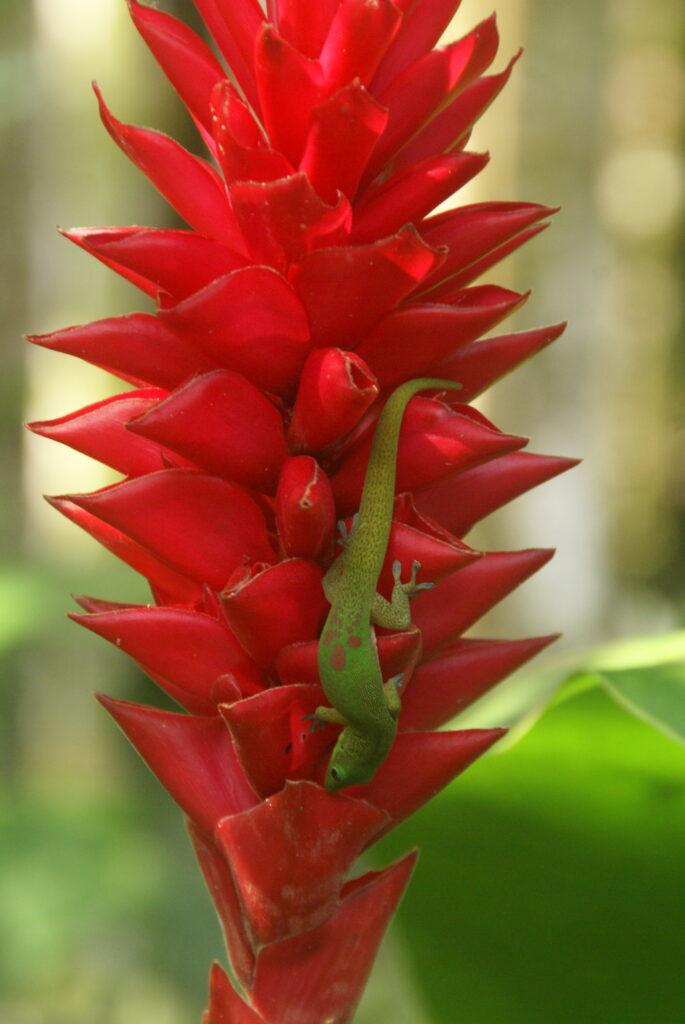
Technically not bugs (they’re lizards), but they deserve a mention because they’re everywhere and they’re wonderful. The common house gecko chirps at night — that “gecko gecko” sound becomes the soundtrack of your life here. They eat mosquitoes and other insects. Never harm them. Locals consider them good luck.
Scorpions
Hawaii has one scorpion species — the lesser brown scorpion (Isometrus maculatus). They’re small (about 2 inches), found mainly on Oahu, Big Island, and Maui. Their sting is similar to a bee sting — painful but not medically significant unless you’re allergic. Not super common, but check your shoes if you live in a ground-floor unit.
Yellow Jackets (Wasps)
Western yellow jackets are established in Hawaii, particularly at higher elevations and in drier areas. They nest in the ground and in wall voids. They’re aggressive when their nest is disturbed. If you find a nest near your home, call a pest control professional — don’t try to handle it yourself.
Bed Bugs
Like everywhere else, Hawaii has bed bugs. Hotels, vacation rentals, and even new apartments can have them. Always check mattress seams and headboards when you stay somewhere new. If you get them in your home, heat treatment is the most effective solution — it runs about $1,500-$3,000 depending on the size of the space.
Bug Situation by Island
Not all islands are created equal when it comes to bugs:
- Oahu: Cockroaches are prevalent, especially in urban Honolulu. Mosquitoes less of an issue in dry Waikiki/Ewa Beach, worse on windward side. Cane spiders common.
- Big Island: Little fire ants are the #1 concern, especially in East Hawaii. Centipedes are very common in Puna and rural areas. More variety of bugs overall due to diverse microclimates.
- Maui: Generally moderate bug presence. West Maui (Lahaina, Kaanapali) is drier with fewer mosquitoes. Upcountry has more centipedes.
- Kauai: Very green and wet = more mosquitoes and centipedes. The North Shore and east side are buggier.
When you’re choosing where to live, it’s smart to factor in the local environmental conditions like vog alongside bug prevalence — both can affect your daily comfort.
How Locals Actually Deal With Bugs
Long-time Hawaii residents develop a practical system. Here’s what most long-term residents do:
- Quarterly pest control: Most homeowners and many renters invest in regular pest spraying. It’s considered a basic household expense, like paying for internet.
- Seal the house: Weatherstripping, door sweeps, caulking around pipes — this is your first line of defense.
- Control moisture: Dehumidifiers in closets, fix leaky faucets, improve drainage around the house. Bugs love moisture.
- Keep it clean: This isn’t about being obsessive — just don’t leave food out, take trash out daily, and clean under appliances regularly.
- Accept the geckos: They’re on your team. Let them do their thing.
- Don’t panic: Seeing a cockroach doesn’t mean your house is infested. It means you live in the tropics.
If you’re still in the planning stage of your move, check out our guide on how much money you need to move to Hawaii — and make sure you budget for pest control as part of your monthly expenses.
Frequently Asked Questions
Are there dangerous bugs in Hawaii?
The most painful bug encounter in Hawaii is the Vietnamese centipede bite, which causes intense burning and swelling but is rarely medically dangerous. Yellow jacket stings can cause allergic reactions. There are no venomous spiders or deadly scorpions in Hawaii. Overall, Hawaii is much safer bug-wise than many mainland states — no ticks carrying Lyme disease, no brown recluse spiders, and no venomous snakes.
Why are cockroaches so big in Hawaii?
Hawaii’s warm, humid tropical climate allows cockroaches (especially American cockroaches or “B-52s”) to grow to their full size potential — up to 2 inches long. The consistent year-round warmth means they breed continuously without a winter die-off. They also fly more actively in Hawaii due to the warm temperatures. Every home in Hawaii deals with cockroaches to some degree — it’s not a cleanliness issue, it’s a climate issue.
What is the best way to prevent centipedes in your Hawaii home?
The most effective centipede prevention combines sealing all entry points (gaps under doors, cracks in walls, spaces around pipes and light fixtures), reducing moisture and clutter around your home’s perimeter, keeping the yard free of leaf litter and wood piles, and using sticky traps indoors along walls and in closets. Always shake out shoes, towels, and clothing that have been sitting on the floor. Many residents also keep their beds away from walls and avoid using bed skirts.
Do bugs in Hawaii get worse at certain times of year?
Yes, bug activity fluctuates seasonally. Mosquitoes increase during the rainy season (November through March). Termite swarmers appear in spring, primarily May and June. Cockroach and centipede activity peaks during warm, humid months (summer through early fall). However, because Hawaii doesn’t have a true winter, bugs are present year-round — there’s no hard freeze to knock populations back like on the mainland. The dry summer months (kau) typically bring slightly fewer mosquitoes but more active centipedes.