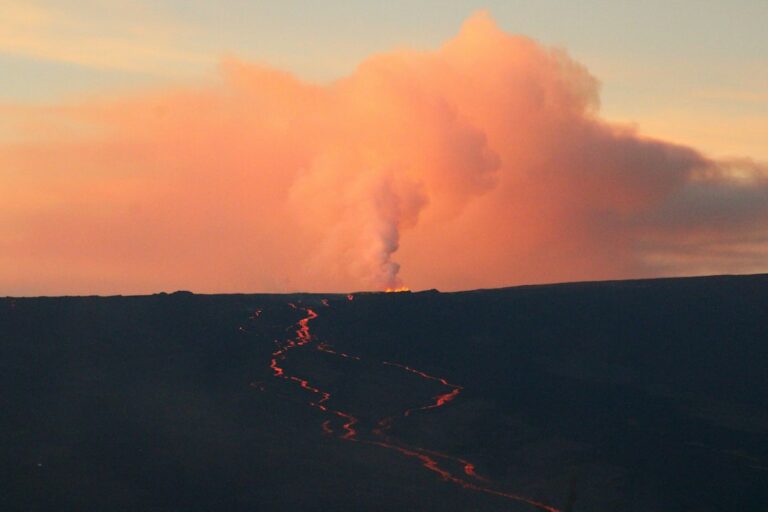
I still remember the first time I drove across the Pali Highway with all my worldly possessions crammed into a rental car, palm trees whipping past the windows, not entirely sure what I’d gotten myself into. That was four years ago. Since then, I’ve helped dozens of friends plan their own moves to Hawaii — and every time, the same ten things come up that nobody tells you before you go.
This isn’t a list of obvious warnings like “it’s expensive” or “it’s far from the mainland.” These are the real things: the surprises, the adjustments, the small emotional shifts that change how you understand Hawaii as a place to live rather than visit.
1. Everything Really Does Cost More — Including Things You’d Never Expect
You’ve probably heard that Hawaii is expensive. But it’s not just rent and groceries — it’s the cumulative weight of everything costing 30–50% more than the mainland. A basic car service. A bag of potting soil. A birthday cake from the grocery store. It adds up in ways that catch newcomers off guard. Before you move, read through our detailed cost of living in Hawaii guide to understand exactly what your budget will look like, month by month.
2. The Move Itself Is More Complicated Than You Think
Shipping a household across 2,500 miles of open ocean is its own full-time project. You’ll need to choose between a shared container, a full 20-foot container, or air freight for priority items. Then there’s the car — most people don’t realize they need to book auto transport separately, sometimes months in advance. Our complete moving to Hawaii guide walks through every step of the logistics so nothing blindsides you on moving day.
3. Bringing Pets to Hawaii Is a Whole Process
Hawaii is the only US state that is entirely rabies-free, and the state takes that seriously. There’s a specific sequence of steps — rabies vaccinations with precise timing, a FAVN blood titer test, microchipping, health certificates, and more — that must be completed in the right order or your pet could end up in quarantine for up to 120 days. Start planning at least six months before your move. The full process is covered in our guide to moving to Hawaii with pets.
Compare quotes for shipping to Hawaiʻi.
Ocean freight to the islands is priced by the cubic foot and varies wildly by route. Tell us about your move and we’ll come back with the shipping options and quotes that apply to yours. Free, and no obligation.
4. “Island Fever” Is Real, and It Hits Differently for Everyone
Some people feel it in month three. Others not until year two. Island fever is a genuine psychological response to living in a geographically confined space surrounded by ocean. The mainland isn’t a four-hour drive away — it’s a six-hour flight. When you need to see family, attend a funeral, or just want a weekend road trip through new scenery, you can’t just hop in the car. Building a rich local social life is essential before that restlessness sets in.
5. Schools and Childcare Are a Major Planning Point
If you’re moving with children, Hawaii’s school system deserves serious research before you commit to a neighborhood. Public schools are administered by a single statewide system, and quality varies significantly by area. Private school enrollment is competitive and expensive. Our resource on moving to Hawaii with kids covers school options, childcare availability, and how to choose a neighborhood with your family in mind.
6. You Will Need a Car (Almost Everywhere)
Hawaii’s public transit is improving but still limited outside of urban Honolulu. On every island except perhaps parts of Waikiki, you’ll need a car for daily life. Factor in the cost of shipping your mainland vehicle or buying a used car locally — local used car prices are notoriously high because inventory is limited and shipping costs get baked in.
7. The Culture Asks Something of You
Hawaii has a rich and living indigenous culture, and the concept of aloha is not a tourism slogan — it’s a genuine way of approaching relationships. There’s also an awareness among long-time residents (and Native Hawaiians especially) about how outsider migration affects housing, land, and culture. Coming with genuine curiosity and humility goes a long way. Learn a few words of Hawaiian. Ask questions. Don’t rush.
8. Weather Varies Dramatically by Microclimate
Hawaii isn’t one uniform climate — it’s dozens of microclimates stacked on volcanic mountains. The leeward side of an island (west, south) tends to be sunny and dry. The windward side (north, east) is green, lush, and frequently rainy. You can drive 20 minutes and go from sunshine to mist. Before you choose a neighborhood, spend time on both sides of whatever island you’re considering.
9. Local Food Culture Will Rewire Your Palate
Plate lunch. Spam musubi. Malasadas. Poke straight from the fish counter at a grocery store that doesn’t exist anywhere else. Hawaiian food culture is a genuine blend of Native Hawaiian, Japanese, Filipino, Portuguese, Chinese, and Korean influences — and it is extraordinary. The first time you eat a shave ice from a roadside stand on the North Shore, you’ll understand why people never want to leave.
10. The First Year Is Hard — and Worth It
Almost everyone who moves to Hawaii and stays long-term will tell you the first year was unexpectedly difficult. The logistics alone are exhausting. Add in culture shock, expensive groceries, missing family, and the challenge of building a new social network from scratch, and it can feel overwhelming. But for most people who get through that first year, something shifts. You start to understand the pace. You find your community. The mountains stop being scenery and start feeling like home.
Frequently Asked Questions
How long does it take to prepare for a move to Hawaii?
Most people need 3–6 months of active planning, especially if they have pets. The pet quarantine process alone requires at minimum 90 days of preparation with perfect timing to qualify for 5-day-or-less quarantine.
Is it hard to make friends in Hawaii as a newcomer?
It can take time, but Hawaii has a large transplant community. Joining clubs, sports leagues, or volunteer groups is one of the fastest ways to build a local network.
Can I move to Hawaii without a job lined up?
It’s risky. Housing costs are high and the job market is smaller than most mainland cities. Remote work has made it more feasible, but having at least 6 months of living expenses saved is strongly recommended before you arrive.
Do I need to ship all my furniture to Hawaii?
Not necessarily. Shipping costs can be significant, and local secondhand markets are active. Many people sell or donate most of their furniture on the mainland and buy used locally once they arrive.