Why Hawaii Is the Best Place to Learn to Surf
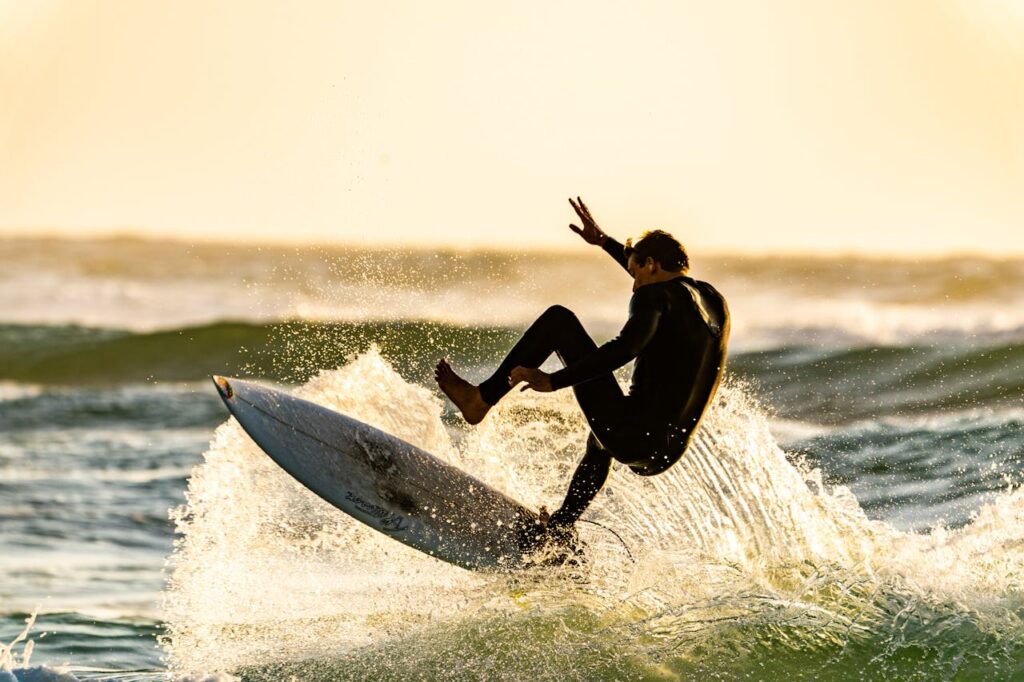
There’s a reason surfing was born in Hawaii. The warm water, consistent waves, and aloha spirit make these islands the ultimate classroom for beginner surfers. Whether you’re visiting for a week or just moved here, taking a surf lesson is one of those bucket-list experiences that actually lives up to the hype.
But here’s the thing — not all surf lessons are created equal, and not every beach is right for beginners. Here’s everything you need to know about taking surfing lessons in Hawaii in 2026.
What to Expect From a Beginner Surf Lesson
Most beginner surf lessons in Hawaii follow a similar structure. You’ll start with 15-20 minutes of land instruction on the beach, where your instructor teaches you how to pop up on the board, position your feet, and maintain balance. Then you head into the water for the remaining time.
A standard group lesson runs about 2 hours, and here’s the good news: most beginners stand up on their first try. Hawaii’s gentle, rolling waves at beginner spots are incredibly forgiving compared to mainland beach breaks. The water is warm (75-82°F year-round), so you won’t need a thick wetsuit — most schools provide rash guards and soft-top longboards.
Your instructor will push you into waves at first, which makes catching them way easier. By the end of the lesson, many students are paddling into small waves on their own. It’s one of the most satisfying feelings you’ll ever have in the ocean.
Group vs. Private Lessons
You’ll typically see three options at most surf schools:
- Group lessons (4-8 students): $95-$150 per person for a 2-hour session. Great value, social atmosphere, and you still get individual attention.
- Semi-private lessons (2-3 students): $120-$200 per person. More waves, more coaching, ideal for couples or small families.
- Private lessons (1-on-1): $150-$365 per person for 1-2 hours. Maximum attention, fastest progression, worth it if you’re serious about learning.
For most first-timers, a group lesson is perfectly fine. You’ll get enough waves and instruction to have an amazing time. If you have kids under 10 or want to progress faster, spring for a private lesson.
Best Beginner Surf Spots by Island
Choosing the right spot matters more than choosing the right school. Here’s where beginners should be surfing on each island.
O’ahu
Waikiki Beach (Canoes) — This is ground zero for beginner surfing in Hawaii, and for good reason. The waves at Canoes break gently over a sandy bottom, rolling in consistently at 1-3 feet. It’s where Duke Kahanamoku taught visitors to surf over a century ago, and the tradition continues today. Dozens of surf schools operate here, and the concentration of beginners means you won’t feel out of place.
Pua’ena Point (North Shore) — If you want a North Shore experience without the intimidation, Pua’ena Point in Haleiwa offers mellow, knee-to-waist-high waves that are perfect for beginners. It’s especially good in summer (May-September) when the North Shore goes flat for advanced surfers but stays perfectly sized for learners. Several North Shore surf schools run lessons here.
White Plains Beach (Ewa Beach) — A local favorite that most tourists never find. Located near the old military base, White Plains has a sandy bottom, consistent small waves, and way fewer crowds than Waikiki. If you’re moving to Hawaii and want a less touristy place to learn, this is it.
Maui
Lahaina Breakwall — The protected harbor area creates small, predictable waves that barely reach 2 feet on most days. The sandy bottom makes wipeouts painless, and there are several excellent surf schools right on Front Street in Lahaina town.
The Cove (Kihei) — Charley Young Beach, known locally as The Cove, has a small, protected area where waves break gently. It’s a popular spot for kids’ lessons and absolute beginners. The wave here is soft and slow, making it almost impossible not to stand up.
Thousand Peaks (Ukumehame) — About 15 minutes south of Lahaina, this spot earned its name because waves break in countless peaks along the beach. There’s always an uncrowded section to practice in, and the views of the West Maui Mountains are incredible. Living on Maui means having spots like this in your backyard.
Big Island (Hawai’i)
Kahalu’u Beach Park (Kona) — This small bay on the Kona Coast has a protected reef that keeps waves small and manageable. It’s also one of the best snorkeling spots on the island, so your non-surfing travel companions won’t be bored. Surf lesson prices here tend to be slightly lower than O’ahu, typically $100-$150 for a group session.
Pine Trees (Kohanaiki Beach Park) — Located just north of Kona, Pine Trees has multiple breaks suitable for different skill levels. The beginner section has mellow, rolling waves over a sandy bottom. It’s a beautiful, uncrowded beach that feels very local.
Kaua’i
Kalapaki Beach (Līhu’e) — Right near the airport, Kalapaki is partially protected by a breakwall, creating gentle waves perfect for first-timers. The Marriott hotel sits right on the beach, and several surf schools operate here. It’s convenient if you want to catch a lesson right when you arrive.
Hanalei Bay (North Shore) — One of the most beautiful bays in all of Hawaii, Hanalei has a sandy bottom and gentle waves near the pier that are ideal for beginners. Conditions are best in summer when the big winter swells calm down. Several small, local surf schools offer lessons here.
How to Choose a Surf School
There are literally hundreds of surf schools across Hawaii, and quality varies dramatically. Here’s what to look for:
- Instructor-to-student ratio: No more than 4 students per instructor. Anything more and you won’t get enough attention.
- Certified instructors: Look for CPR/First Aid certification and ocean safety training. Many schools employ former lifeguards.
- Soft-top boards: Beginners should always learn on foam boards, not fiberglass. If a school puts you on a hard board on day one, walk away.
- Ocean insurance: Reputable schools carry liability insurance. Don’t be afraid to ask.
- Reviews: Check Google and TripAdvisor for recent reviews. Look for mentions of specific instructors rather than generic praise.
Avoid the random guys on Waikiki Beach offering $40 lessons with no website or business license. You’ll get a better experience, better equipment, and actual safety oversight with established schools.
Best Time of Year for Beginner Surfing
Hawaii has waves year-round, but conditions for beginners vary by season:
- Summer (May-September): The best time for beginners on all islands. South shore swells bring small, consistent waves to spots facing south. North shores go nearly flat, making spots like Pua’ena Point and Hanalei Bay perfect for learning.
- Winter (October-April): North and west-facing shores get big, powerful swells — definitely not for beginners. Stick to south-facing beaches like Waikiki, which stays mellow year-round due to the offshore reef.
For a deeper breakdown of when the famous North Shore breaks fire up versus the south-shore summer swell window — and where to safely watch as a non-surfer — see our Hawaii surf season guide.
The water temperature stays between 75-82°F all year, so you’ll never be uncomfortably cold. Most schools provide rash guards, which offer sun protection and a thin layer of warmth.
What to Bring (and What Not to Bring)
Surf schools provide the board and usually a rash guard. Here’s what you should bring:
- Reef-safe sunscreen: Hawaii law requires reef-safe sunscreen (no oxybenzone or octinoxate). Apply 30 minutes before your lesson and reapply after.
- Swimsuit you can move in: Board shorts or a one-piece. Avoid anything too loose that might come off in the waves.
- Water: You’ll be more dehydrated than you think after two hours in the ocean.
- Towel and dry clothes: Obviously.
- Waterproof phone case: If you want photos, but honestly, leave the phone on shore and enjoy the moment.
Don’t bring: jewelry (it’ll end up at the bottom of the ocean), expensive sunglasses (same), or your own surfboard if you’ve never surfed before (the school’s soft-tops are specifically designed for learning).
Surfing Etiquette Every Beginner Should Know
Even as a beginner, understanding surf etiquette keeps everyone safe and earns you respect in the water:
- Right of way: The surfer closest to the breaking part of the wave has priority. Don’t drop in on someone already riding.
- Don’t paddle through the lineup: When paddling back out, go around other surfers, not through where they’re riding.
- Hold onto your board: A loose surfboard is dangerous. Always maintain control, especially in crowded areas.
- Respect locals: This is especially important in Hawaii. Don’t hog waves, be friendly, and give experienced surfers space. Understanding Hawaiian culture goes a long way.
- Start at beginner spots: Don’t paddle out at advanced breaks thinking you’ll figure it out. You’ll be a hazard to yourself and others.
Beyond Your First Lesson: Next Steps
Got the bug? Here’s how to keep progressing:
- Multi-day packages: Most schools offer 3-5 lesson packages at a discount. Three lessons over a week will have you catching waves on your own.
- Board rentals: Once you can pop up consistently, rent a soft-top ($20-$40/day) and practice at beginner spots. Waikiki board rental stands are everywhere.
- Buy a used board: Check Craigslist Honolulu or Facebook Marketplace for used foam boards. You can find them for $100-$200.
- Surf camps: Week-long immersive camps combine daily lessons with video analysis and ocean knowledge. Prices range from $500-$1,500 for the week.
If you’re planning your budget for Hawaii, building in a few surf lessons is money well spent. It’s the kind of experience that connects you to the islands in a way that snapping photos from the beach never will.
Frequently Asked Questions
How much do surfing lessons cost in Hawaii?
Group surf lessons in Hawaii typically cost $95-$150 per person for a 2-hour session. Semi-private lessons run $120-$200, and private one-on-one lessons range from $150-$365 depending on the location and duration. Prices tend to be highest in Waikiki and slightly lower on the neighbor islands.
Can anyone learn to surf in Hawaii?
Yes! Most surf schools accept students from ages 5 to 75+. You don’t need to be a strong swimmer, though basic swimming ability is recommended. Instructors work with all fitness levels and will adapt the lesson to your comfort in the ocean. The gentle waves at beginner spots make standing up achievable for almost everyone on their first lesson.
What is the best Hawaiian island for beginner surfers?
O’ahu is the best island for beginner surfers due to the sheer number of surf schools, the consistently gentle waves at Waikiki, and the variety of beginner-friendly breaks. Maui is a close second with spots like Lahaina Breakwall and The Cove in Kihei. All four major islands have excellent beginner spots, so you can learn wherever you’re staying.
Do I need to bring my own surfboard to a lesson?
No. All surf schools in Hawaii provide soft-top foam surfboards specifically designed for beginners. These boards are wider, more stable, and much safer than fiberglass boards. Even if you own a surfboard, your instructor will likely have you use their equipment for the lesson.