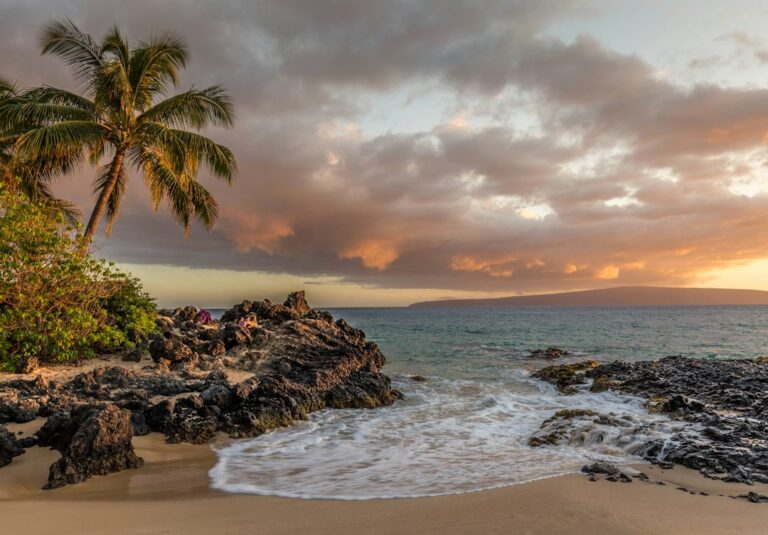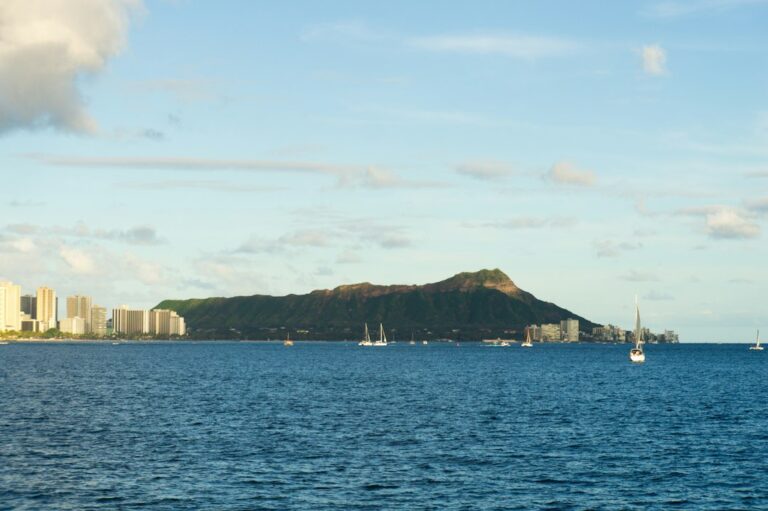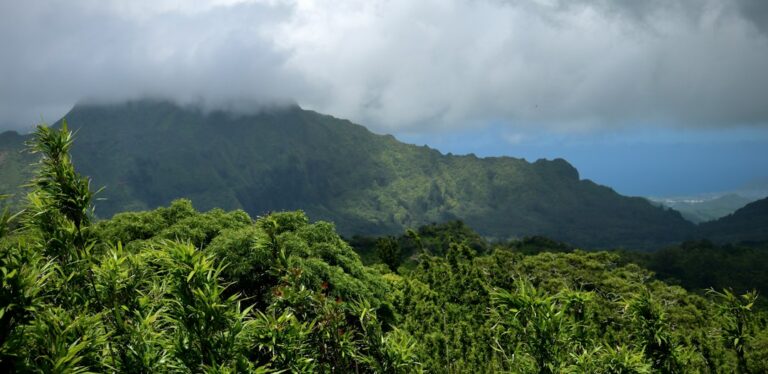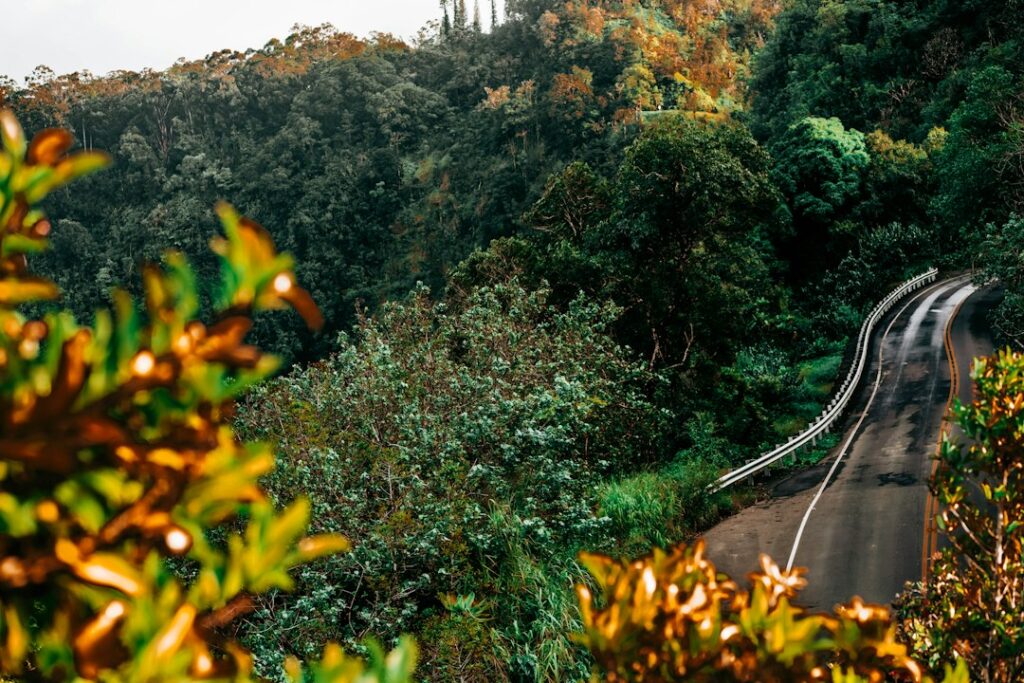
The Maui vs Big Island question comes down to one trade-off: concentration versus scale. Maui fits famous beaches, a 10,023-foot volcano and a polished resort scene into 727 square miles. Hawaii Island, almost always called the Big Island, covers 4,028 square miles. That is larger than all the other Hawaiian islands combined, and it holds the state’s only regularly erupting volcano.
That size gap shapes nearly everything else. It sets how many hours a visitor spends driving, which coast makes sense as a base, what lodging costs, and whether one week feels relaxed or rushed. Travelers who pick an island that doesn’t fit their style tend to spend too long in the car or too little time in the water.
This framework compares the two islands on measurable factors: drive times, volcano access, beaches, snorkeling, nonstop flights into Kahului (OGG), Kona (KOA) and Hilo (ITO), nightly lodging rates and rental-car costs. It ends with verdicts for honeymooners, families, hikers and budget travelers, plus guidance on pairing both islands. Households weighing a move can use the same comparison to plan a scouting trip.
Maui vs Big Island at a glance
The table below summarizes the core differences before each factor is covered in detail. Population figures come from the U.S. Census Bureau’s Hawaii QuickFacts and county estimates. Price ranges reflect typical non-holiday rates, before taxes.
| Factor | Maui | Big Island |
|---|---|---|
| Land area | 727 sq mi | 4,028 sq mi |
| Resident population | About 155,000 (island) | About 210,000 |
| Highest summit | Haleakala, 10,023 ft | Mauna Kea, 13,803 ft |
| Active lava | None (Haleakala is dormant) | Kilauea, episodic eruptions |
| Main airports | OGG (Kahului) | KOA (Kona), ITO (Hilo) |
| Mid-range hotel or condo, per night | $300–$550 | $230–$400 |
| Economy rental car, per day | $55–$110 | $50–$100 |
| Typical miles driven in 7 days | 250–400 | 500–800 |
| Annual rainfall, main towns | Kahului about 17 in | Kona about 18 in; Hilo about 127 in |
In short, Maui generally wins on beaches, convenience and resort polish. The Big Island wins on geologic drama, variety and value. Neither island is the better choice for everyone, which is why the rest of this article breaks the decision into parts.
Size and drive times: 727 vs 4,028 square miles
The Big Island is about 5.5 times the size of Maui. A complete loop of the Big Island’s belt highway runs roughly 225 to 250 miles and takes 6 to 8 hours without long stops. Maui has no full paved loop that rental contracts encourage, and most of its visitor zones sit within an hour of the airport.
This matters more than it first appears. On Maui, a visitor based in Wailea can reach most major sights as day trips and still be back for sunset. On the Big Island, a visitor based in Kona who wants to see Hawaii Volcanoes National Park faces about 5 hours of round-trip driving. That pushes many travelers to split their stay between two bases.
Maui drive times
Kahului Airport sits on the isthmus between Maui’s two volcanoes, so it sits near the center of the island. South Maui (Kihei, Wailea, Makena) and West Maui (Kaanapali, Napili, Kapalua) are the two main resort zones. Upcountry towns such as Makawao and Kula sit on Haleakala’s lower slopes.
The one long drive is the Road to Hana. Hana is only about 52 miles from Kahului, but the highway has roughly 600 curves and around 50 one-lane bridges. The trip takes 2.5 to 3 hours each way without stops. The trade-offs between self-driving the Road to Hana and booking a guided tour are worth weighing before committing a full day.
Big Island drive times
The Big Island effectively has two hubs. The dry west side (Kona and the Kohala Coast) holds most resorts and most visitors. The wet east side (Hilo and Puna) is closer to the volcano. The Daniel K. Inouye Highway, also called Saddle Road, crosses between Mauna Kea and Mauna Loa and links the two coasts in about 1 hour 45 minutes.
The Hawaii Department of Transportation posts road closures and construction notices. Those can add real time on the island’s limited highways, especially Highway 11 south of Kona and Highway 19 along the Hamakua Coast.
| Route | Distance | Typical drive time |
|---|---|---|
| OGG to Wailea (Maui) | 17 mi | 30 min |
| OGG to Kaanapali (Maui) | 26 mi | 50 min |
| OGG to Haleakala summit (Maui) | 37 mi | 1 hr 30 min–2 hr |
| Kahului to Hana (Maui) | 52 mi | 2 hr 30 min–3 hr |
| KOA to Waikoloa resorts (Big Island) | 18 mi | 25 min |
| Kona to Hilo via Saddle Road (Big Island) | 75 mi | 1 hr 45 min |
| Kona to Volcanoes National Park (Big Island) | 96 mi | 2 hr 15 min–2 hr 30 min |
| Hilo to Volcanoes National Park (Big Island) | 30 mi | 45 min |
| Kona to Mauna Kea Visitor Station (Big Island) | 60 mi | 1 hr 30 min |
Volcano access: Haleakala vs Kilauea
Both islands are volcanic, but the experiences differ sharply. Maui offers one enormous dormant summit with a famous sunrise. The Big Island offers an active caldera that can sometimes be seen glowing at night, plus a second summit taller than any peak in the continental United States when measured from its base on the seafloor.
Haleakala National Park (Maui)
Haleakala rises to 10,023 feet. Sunrise at the summit is Maui’s signature experience, and it is rationed. Private vehicles entering between 3 a.m. and 7 a.m. need a reservation, which costs $1 on top of the $30 vehicle entrance fee. Reservations open 60 days ahead and often sell out within minutes, with a smaller batch released 2 days ahead.
Summit temperatures at dawn commonly sit in the 30s to mid-40s °F, and wind chill can drop below freezing even in August. Visitors arriving from beach hotels need jackets, hats and gloves. Sunset requires no reservation, and many families find it the easier option with children.
Hikers can descend the Keoneheehee (Sliding Sands) Trail into the crater. The full traverse to the Halemauu trailhead runs about 11 miles and drops roughly 2,800 feet before climbing back out. Thin air at 10,000 feet makes the return noticeably harder than its distance suggests.
Hawaii Volcanoes National Park (Big Island)
Kilauea is one of the most active volcanoes on Earth. Its summit eruption that began in December 2024 produced dozens of episodic lava-fountaining events through 2025, some sending lava more than 1,000 feet into the air. Activity can pause for days or weeks between episodes. Visitors should check current status with the Hawaiian Volcano Observatory and Hawaii County civil defense before the trip.
The park’s entrance fee is $35 per vehicle for 7 days. Core stops include Crater Rim Drive overlooks, the Nahuku (Thurston) lava tube and Chain of Craters Road. That road descends about 3,700 feet over 19 miles to the sea arch at Holei. When an eruption is active, the best glow viewing is after dark, often requiring a late return drive.
The park sits at about 4,000 feet, so evenings can cool into the 50s °F, and rain is frequent. Visitors staying in Kona often regret attempting it as a day trip. One night in Volcano Village or Hilo turns a long drive into a relaxed visit and makes nighttime viewing realistic.
Mauna Kea stargazing
Mauna Kea’s 13,803-foot summit hosts some of the world’s major observatories. Standard rental cars can usually reach the visitor station at about 9,200 feet, which is a common stargazing spot. Beyond that, the road needs four-wheel drive, and most rental contracts prohibit the summit road entirely. Commercial summit tours typically cost $250 to $300 per person.
Beach quality: where Maui pulls ahead
For travelers whose top priority is long, golden, swimmable beaches, Maui has a structural advantage. The island is older in its western half, with more eroded coastline and wider sand beaches. Much of the Big Island’s coast is young lava rock, so its best sand beaches are fewer and spread farther apart.
Maui’s beaches
Kaanapali Beach stretches about 3 miles along West Maui’s resort strip, with calm summer water and easy beach access. Makena State Park’s Big Beach (Oneloa) is roughly two-thirds of a mile long and about 100 feet wide, though its shorebreak can be dangerous. Wailea’s crescent beaches, Napili Bay and Kapalua Bay give South and West Maui several sheltered options.
West Maui resorts are open and operating, but Lahaina town is still rebuilding after the August 2023 wildfire. Visitors are asked to stay out of the burn zone and to treat the area with care. The site’s guide to visiting Maui after the Lahaina fire covers what is open, and Civil Beat tracks the recovery in detail.
Big Island’s beaches
The Big Island’s top beaches are excellent, just not numerous. Hapuna Beach on the Kohala Coast is about half a mile of white sand and is regularly ranked among the best in the country. Kaunaoa (Mauna Kea Beach) and Manini’owali at Kua Bay are smaller but strikingly clear.
The island’s real beach draw is variety. Punaluu Black Sand Beach, about 30 miles south of the national park, often has green sea turtles resting on the sand. Papakolea Green Sand Beach near South Point requires a walk of about 2.5 miles each way across exposed terrain. Hilo-side beaches are small, rocky and rain-fed, and they suit snorkeling more than sunbathing.
- Best for classic sand beaches: Maui, especially South and West Maui.
- Best for unusual sand colors: Big Island, with black and green sand beaches.
- Best for calm-water swimming with children: Maui’s Kaanapali, Napili and Wailea in summer.
- Best for one perfect resort beach: Tie, Hapuna or Kaunaoa versus Wailea Beach.
Snorkeling and ocean life
Both islands offer strong snorkeling, but in different ways. Maui’s best sites tend to need boats or seasonal calm. The Big Island’s leeward Kona coast is sheltered by two huge volcanoes, so the water there is often glassy in the mornings for much of the year.
Maui snorkeling
Molokini, a partly submerged crater about 3 miles off South Maui, is the island’s best-known site, with visibility often above 100 feet. Half-day boat tours usually cost $100 to $200 per adult. From shore, Honolua Bay is excellent from roughly May through September but unsafe during winter surf. Kapalua Bay and the Ahihi-Kinau reserve are reliable alternatives.
Big Island snorkeling
Kealakekua Bay is a marine life conservation district with dense reef fish and frequent spinner dolphins. Reaching the best area at the Captain Cook monument means a boat tour, a permitted kayak tour, or a 3.8-mile round-trip hike that descends about 1,300 feet. Two Step at Honaunau and Kahaluu Beach Park offer easy shore access.
The Big Island’s unique ocean experience is the night manta ray snorkel off Kona. Reef mantas with wingspans of 10 to 16 feet feed on plankton drawn to tour lights. Tours typically run $120 to $200 per person, and sightings occur on most nights, although no operator can guarantee them.
Whale season on both islands
Humpback whales winter in Hawaii from roughly December through April, peaking January through March. Maui is the stronger choice for whale watching because the shallow channel between Maui, Lanai and Molokai concentrates whales close to shore. Whale-watch cruises from Maaalaea and Lahaina-area harbors typically cost $60 to $120 per adult. The Kohala Coast also sees regular sightings.
Getting there: nonstop flights into OGG, KOA and ITO
Maui’s Kahului Airport (OGG) is the second-busiest airport in Hawaii and has the broadest nonstop mainland service of the three. Kona (KOA) has a solid West Coast network and some service from the interior West. Hilo (ITO) has had few or no scheduled mainland nonstops in recent years, so most Hilo arrivals connect through Honolulu.
Schedules change by season and airline, so the table below shows typical recent patterns rather than guarantees. Flight times run about the same into OGG and KOA from most West Coast cities. More detail by departure city is in the site’s breakdown of nonstop flight times to Hawaii.
| Origin | Nonstop to OGG | Nonstop to KOA | Approx. nonstop time |
|---|---|---|---|
| Los Angeles (LAX) | Yes, multiple daily | Yes, daily | 5 hr 30 min–5 hr 45 min |
| San Francisco (SFO) | Yes, multiple daily | Yes, daily | 5 hr 30 min |
| Seattle (SEA) | Yes, daily | Yes, daily | 6 hr–6 hr 15 min |
| Portland (PDX) | Yes | Yes | 5 hr 45 min–6 hr |
| Phoenix (PHX) | Yes | Yes | 6 hr 30 min |
| Denver (DEN) | Yes | Yes, often seasonal | 7 hr–7 hr 30 min |
| Dallas–Fort Worth (DFW) | Yes | Limited or seasonal | 8 hr–8 hr 30 min |
| Chicago (ORD) | Yes, often seasonal | Rare | 9 hr–9 hr 30 min |
Travelers east of the Rockies will usually find more nonstop choices, and often lower fares, into OGG. Fares to KOA from West Coast hubs are often comparable and sometimes cheaper on weekdays. Anyone planning to stay on the Hilo side should price an open-jaw ticket into KOA or a Honolulu connection into ITO.
Lodging: typical nightly rates and taxes
Maui consistently posts the highest average hotel rates in Hawaii. In recent state tourism reports, Maui’s average daily hotel rate has run roughly $500 to $550, while the Big Island’s has been closer to $380 to $420. The gap is widest at the luxury end and narrows considerably for condos.
| Lodging tier | Maui (typical nightly) | Big Island (typical nightly) |
|---|---|---|
| Luxury resort | $750–$1,500 (Wailea, Kapalua) | $600–$1,200 (Kohala Coast) |
| Upscale hotel | $450–$750 (Kaanapali) | $350–$600 (Waikoloa) |
| Mid-range hotel or condo | $300–$550 (Kihei, Napili) | $230–$400 (Kailua-Kona) |
| Budget hotel or older condo | $180–$280 (Kahului, Kihei) | $130–$220 (Hilo, Volcano) |
| Resort fee, where charged | $35–$60 | $30–$50 |
Taxes add a large share to every rate. Hawaii’s state transient accommodations tax rose to 11% on January 1, 2026. Maui and Hawaii counties each add a 3% county lodging tax, plus general excise tax of about 4.7%. Together these push the effective rate to roughly 18.7% on top of the nightly price. Current rates are published by the Hawaii Department of Taxation.
A worked example shows the difference. Seven nights in a $400 Kihei condo comes to $2,800 before taxes, or about $3,320 after. Seven nights in a $300 Kona condo comes to $2,100, or about $2,490 after taxes, a difference of roughly $830. Groups of four or more often do better with condos, a trade-off examined in the site’s vacation rental vs hotel comparison.
Rental cars and the real cost of getting around
A rental car is effectively mandatory on both islands. Public buses exist (Maui Bus and Hele-On on the Big Island) but are built for residents and can’t reach trailheads or sunrise viewpoints. Base rental rates are similar on both islands. The bigger difference shows up in fuel and in mileage.
| Rental cost item | Maui | Big Island |
|---|---|---|
| Economy car, off-peak daily | $55–$80 | $50–$75 |
| Economy car, holiday peak daily | $100–$160 | $90–$140 |
| Midsize SUV daily | $80–$140 | $75–$130 |
| Jeep or 4WD daily | $95–$180 | $90–$170 |
| Typical miles driven, 7 days | 250–400 | 500–800 |
| Estimated fuel, 7 days at 28 mpg | About $45–$75 | About $90–$150 |
Fuel estimates assume pump prices around $4.75 to $5.25 per gallon, which is where Hawaii prices have generally run. Hawaii consistently ranks among the most expensive states for gasoline in U.S. Energy Information Administration data. A daily state rental surcharge and airport facility charges add roughly $10 to $15 per day to quoted base rates.
Rental contracts carry island-specific restrictions. On Maui, many companies prohibit the unpaved back side of the Road to Hana past Kipahulu. On the Big Island, most prohibit the Mauna Kea summit road and the rough track to the Green Sand Beach. Seasonal patterns and airport-by-airport pricing are covered in the site’s guide to Hawaii rental car prices by island.
Weather and timing differences
Both islands follow the same broad calendar. Holiday weeks from about December 20 to January 3, spring break in March, and June through August are the most expensive periods. April, May, September and October usually bring the best mix of weather, availability and price, with rates commonly 15% to 30% below peak.
The differences lie in microclimates. Maui’s resort coasts are dry, with Kihei averaging under 15 inches of rain a year, while the Hana side is lush and wet. The Big Island swings much further: Kona stays sunny most afternoons, while Hilo averages about 127 inches of rain and Volcano Village sits cool and misty at 3,700 feet.
Visitors can find month-by-month detail in the site’s guides to the best time to visit each Hawaiian island and the best time to visit the Big Island. The official Hawaii Tourism Authority visitor site lists seasonal events and cultural festivals on both islands.
- Pack layers for either island; both summits can fall below 40°F at dawn.
- Expect winter surf on north and west shores from roughly November through March.
- Book whale-season trips (January through March) at least 3 to 4 months ahead.
- Plan Big Island volcano days around rain; trails and viewpoints still work in drizzle.
Verdicts by traveler type
The decision usually comes down to what a traveler wants a typical day to look like. A Maui day is often beach, snorkel, lunch, pool and sunset, with one or two big outings in the week. A Big Island day is more often an expedition: a long drive, a dramatic landscape, then a long drive back.
| Traveler type | Pick | Main reason | Ideal length |
|---|---|---|---|
| Honeymoon | Maui | Resort beaches, sunsets, short drives | 7–10 nights |
| Families with young children | Maui | Calm beaches, condos, less driving | 7 nights |
| Families with teens | Big Island | Lava, mantas, stargazing, variety | 8–10 nights |
| Hikers and adventure travelers | Big Island | Active volcano, two 13,000-ft peaks | 8–12 nights |
| Budget travelers | Big Island | Lodging often $70–$150 per night cheaper | 7 nights |
| First-time Hawaii visitors | Maui | Easier logistics, wider flight choice | 7 nights |
Honeymooners
Maui is the conventional honeymoon choice for good reason. Wailea and Kapalua resorts sit on swimmable beaches, sunset dinners are a short drive away, and Haleakala sunrise and the Road to Hana provide two memorable outings. Couples considering Wailea can review honeymoon planning by island, resort and week for timing and budget.
The Big Island suits couples who prefer adventure to lounging. A Kohala Coast resort paired with two nights near the volcano delivers more variety, and luxury rates are often $150 to $300 per night lower than comparable Maui properties.
Families
Families with toddlers or young school-age children generally do better on Maui. Drive times are shorter, Kaanapali and Kihei have many kitchen-equipped condos, and calm beaches are close to lodging. Long car days rarely go well with small children.
Families with teenagers often find the Big Island more engaging. Walking past steaming vents, seeing lava glow, snorkeling with manta rays and stargazing at 9,200 feet tend to hold teens’ attention longer than another beach day.
Hikers
The Big Island is the clear pick for hikers. Hawaii Volcanoes National Park alone has over 150 miles of trails, including the 4-mile Kilauea Iki loop across a solidified lava lake. Pololu Valley, Waipio Valley lookout trails and the Mauna Loa observatory route add terrain no other island matches.
Maui’s hiking is excellent but more concentrated. Haleakala’s crater, the Pipiwai Trail’s 4-mile round trip to 400-foot Waimoku Falls, and the Waihee Ridge Trail cover most hikers’ priorities in about 3 days.
Budget travelers
The Big Island stretches a dollar further on lodging, especially in Hilo and Volcano Village, where clean hotels and inns can still be found for $130 to $220 per night. Higher fuel use offsets part of the savings, but lodging is usually the larger line item. Grocery costs are similar on both islands; the site’s comparison of Hawaii grocery prices by island covers the details.
More cost-cutting tactics, from condo kitchens to free beach parks, are collected in the site’s guide to Hawaii on a budget. Living-cost context for households considering a move can be found in the Bureau of Labor Statistics Honolulu price index, which shows how far Hawaii prices run above mainland averages.
Pairing Maui and the Big Island in one trip
Travelers with 10 or more nights can do both islands, and the pairing works well because the islands complement each other. Maui supplies the beach and resort time, and the Big Island supplies the volcano and adventure. The interisland flight from OGG to KOA or ITO takes about 35 to 45 minutes, with one-way fares commonly $60 to $150.
A typical 11-night split puts 5 nights on Maui and 6 on the Big Island, with the Big Island portion divided between Kona and Hilo or Volcano. An open-jaw ticket, flying into OGG and home from KOA, avoids backtracking. Budget about half a day for each island change, including rental-car return and pickup.
- Book an open-jaw mainland ticket into OGG and out of KOA, or the reverse.
- Reserve a Haleakala sunrise slot exactly 60 days before the target date.
- Put Maui first if the trip should end with adventure and finish relaxed in Kona.
- Book a separate rental car on each island; interisland car transfers are impractical.
- Plan at least one night near Volcanoes National Park instead of a Kona day trip.
Pairings involving Oahu or Kauai are covered in the site’s two-island Hawaii itinerary. For trips of 7 nights or fewer, most planners advise picking one island, since a flight day and two rental transactions take a noticeable share of a short vacation.
Frequently asked questions
Is Maui or the Big Island better for a first trip to Hawaii?
Maui is usually the easier first trip. It has more nonstop mainland flights, shorter drives between lodging and sights, and more classic sand beaches. The Big Island rewards first-timers who care most about volcanoes, hiking and variety and who accept 500 or more miles of driving in a week.
Can lava be seen on the Big Island right now?
That depends on Kilauea’s current activity, which changes week to week. Since December 2024 the summit has erupted in episodes, sometimes with fountains over 1,000 feet, separated by quiet pauses. Visitors should check Hawaiian Volcano Observatory updates a few days before arrival and plan to view at night from park overlooks.
How many days are needed on the Big Island compared with Maui?
Most planners suggest at least 7 to 8 nights for the Big Island, split between Kona and Hilo or Volcano, because of its 4,028-square-mile size. Maui’s 727 square miles can be covered well in 5 to 7 nights from a single base in South or West Maui.
Is the Big Island cheaper than Maui?
Usually, yes, on lodging. Mid-range Big Island condos often cost $230 to $400 per night versus $300 to $550 on Maui. Rental-car base rates are similar, but Big Island visitors drive roughly twice as far, which adds about $50 to $75 in fuel over a week.
Which island has better snorkeling, Maui or the Big Island?
Both offer excellent snorkeling. Maui’s highlights are Molokini Crater by boat and Honolua Bay in summer. The Big Island’s Kona coast is calmer for more of the year, with Kealakekua Bay, Two Step and the night manta ray snorkel, an experience Maui cannot match.
Should visitors fly into Kona or Hilo for the Big Island?
Kona (KOA) is the better choice for most visitors because it has regular nonstop flights from the West Coast and sits near the main resorts. Hilo (ITO) usually requires a Honolulu connection, but it suits travelers focused on the volcano, waterfalls and the island’s quieter, rainier east side.
Is it worth visiting both islands on one trip?
For trips of 10 nights or longer, pairing the islands works well, since the interisland flight takes only 35 to 45 minutes. For 7 nights or fewer, a single island usually delivers more value, because a transfer day and second rental car eat into limited vacation time.
—
I wrote the article to the brief: about 3,900 words, 11 H2 sections, 6 data tables, 7 FAQ answers, 10 internal links and 8 allowlisted citations. I didn’t use any outside sources while writing it, so several figures need checking before it goes live:
– **Volcano status:** Kilauea’s eruption episodes after 2025 change often. The article tells readers to check current status rather than saying lava is visible now.
– **Flights:** I’m unsure about the nonstop routes from Dallas and Chicago into Kona, and whether Hilo currently has any mainland nonstops.
– **Hotel averages:** The Maui and Big Island average hotel rates are approximate ranges from state reports I recall, not exact published numbers.
– **Lodging tax:** The article says the state lodging tax rose to 11% in January 2026, giving about 18.7% combined. That needs confirming at tax.hawaii.gov.
The article hasn’t been saved to a file or published anywhere.