Mānoa Valley is one of those Honolulu neighborhoods that flies under the radar for newcomers — and honestly, that’s part of its charm. Tucked into the lush Ko’olau Mountains just three miles from Waikiki, this residential valley feels worlds apart from the tourist hustle. If you’re considering a move to Oahu and want somewhere green, quiet, and deeply rooted in local culture, Mānoa deserves a serious look.
I’m going to walk you through everything you need to know about living in Mānoa — from housing costs and schools to the daily rhythm of life in the valley. Let’s get into it.
Where Exactly Is Mānoa?
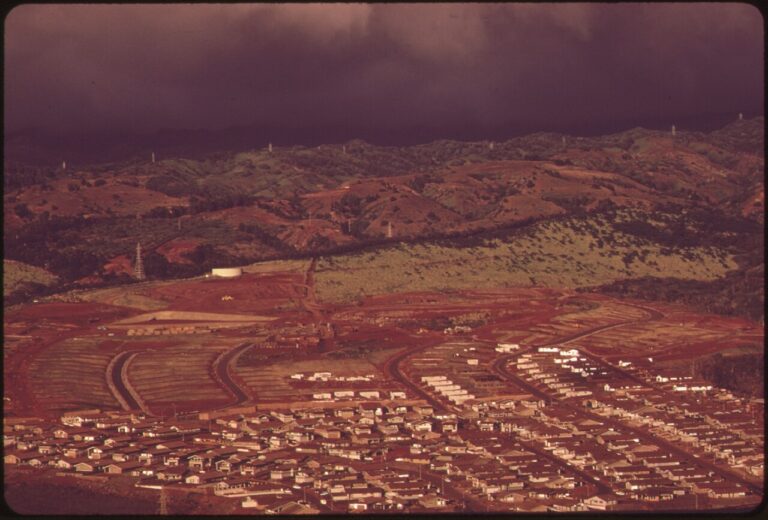
Mānoa is a valley neighborhood that stretches from the base of the Ko’olau Mountains down to King Street in urban Honolulu. It’s bordered by Makiki to the west, Pālolo to the east, and the mountains to the north. The neighborhood sits roughly three miles inland from Waikiki and about a mile from Ala Moana Center.
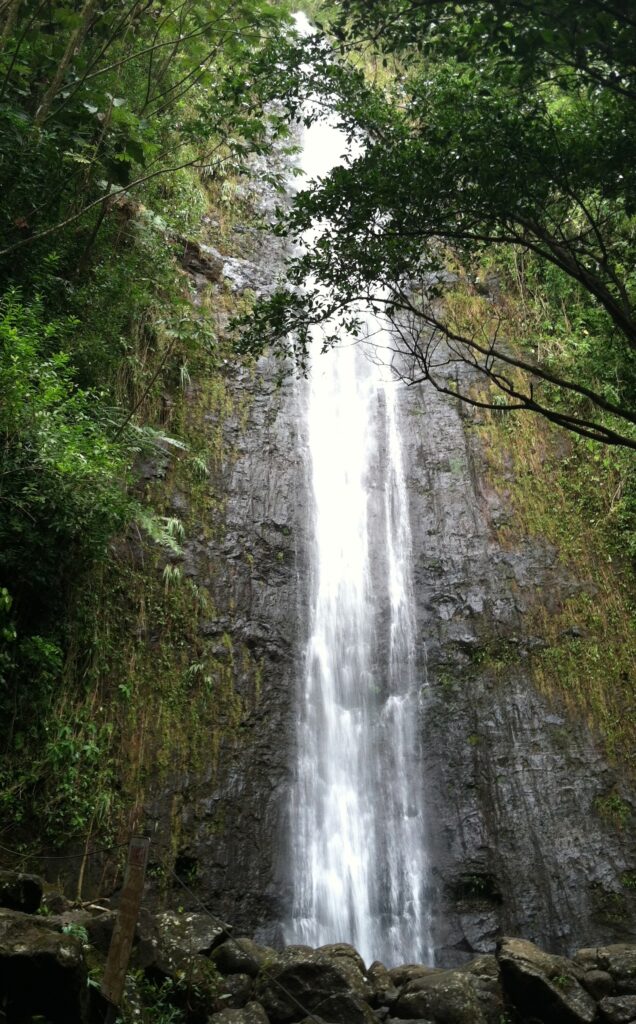
The valley itself is essentially one long corridor — Mānoa Road runs up through the center, with residential streets branching off on either side. The deeper you go into the valley, the more lush and rain-soaked it gets. The back of the valley is where you’ll find Mānoa Falls and Lyon Arboretum, which give you a sense of just how green this place is.
For daily errands, most residents gravitate toward Mānoa Marketplace, the neighborhood’s main shopping hub anchored by a Safeway and Longs Drugs. It’s also home to some of the valley’s best restaurants and bakeries.
Cost of Living and Housing in Mānoa
Let’s be real — Mānoa isn’t cheap. But by Honolulu standards, it can actually be more accessible than you might think, especially compared to neighborhoods like Kāhala or Kailua.
Renting in Mānoa
As of 2026, here’s what you can expect to pay for rentals in the valley:
- Studio apartment: $950–$1,200/month
- 1-bedroom: $1,400–$1,800/month
- 2-bedroom: $1,850–$2,400/month
- 3-bedroom house: $2,800–$4,000/month
The lower end of these ranges tends to be around lower Mānoa (closer to King Street and the university), where you’ll find older apartment buildings and walk-ups popular with UH students and faculty. Upper Mānoa — deeper into the valley — commands higher rents for standalone houses with bigger yards.
One thing to note: rental inventory in Mānoa can be tight. Many homes have been in the same families for generations, and when a rental does pop up, it gets snatched quickly. If you’re serious about living here, set up alerts on Craigslist, Facebook Marketplace, and local rental sites so you can jump on listings fast.
Buying in Mānoa
Mānoa is one of the most desirable neighborhoods in Honolulu for homebuyers. The median home price hovers around $1.1–$1.4 million, though older single-wall construction homes can sometimes be found in the $800,000–$950,000 range. Renovated or newer builds can easily push past $2 million.
Many Mānoa properties are historic homes — some qualifying for the Hawaii Historic Register, which can significantly reduce your property taxes. That’s a big deal when you’re looking at Hawaii property tax rates.
The Neighborhood Vibe
Mānoa has a distinctly local, multi-generational feel. This isn’t a neighborhood of transplants cycling through every few years. Many families have lived here for decades — some for generations. You’ll see grandparents tending gardens in the morning and kids riding bikes after school. It’s the kind of place where neighbors actually know each other.
The pace is slower than the rest of Honolulu. There’s no nightlife to speak of (you’ll head to Kaimukī or downtown for that), and that’s kind of the point. People move to Mānoa for the peace, the greenery, and the community.
The University of Hawai’i at Mānoa campus sits at the mouth of the valley, which brings a steady flow of students, professors, and academic energy. But the university area and the residential valley have distinctly different feels — once you pass Mānoa Marketplace heading deeper into the valley, the college vibe fades and it’s all residential.
Things to Do in Mānoa
Hiking and Outdoors
This is where Mānoa really shines. The valley is a gateway to some of Oahu’s most accessible nature experiences:
- Mānoa Falls Trail: A 1.6-mile round-trip hike through tropical rainforest to a 150-foot waterfall. It’s one of the most popular hiking trails on Oahu, and as a Mānoa resident, it’s basically your backyard. Fair warning: it’s almost always muddy, so wear proper shoes.
- Lyon Arboretum: Part of the University of Hawai’i system, this 200-acre botanical garden has over seven miles of hiking trails and more than 6,000 plant species. It’s free (donations welcome), but reservations may be required — check their website before visiting.
- ‘Aihualama Trail: A more challenging continuation past Mānoa Falls that connects to the Nu’uanu Trail system. Great for experienced hikers.
- Mānoa Valley District Park: A local park with a playground, basketball courts, and open green space. Perfect for families.
Food and Dining
Mānoa’s food scene is small but mighty, centered mostly around Mānoa Marketplace:
- Andy’s Sandwiches & Smoothies: A valley institution. Their acai bowls and sandwiches have been fueling UH students and locals for decades. Cash only.
- Fendu Boulangerie: French-inspired bakery with incredible pastries, bread, and gourmet pizza. A real gem.
- Choco le’a: Artisan chocolate and ice cream — try the housemade vanilla with salted caramel.
- Morning Glass Coffee: A popular coffee shop with excellent pour-overs and a relaxed atmosphere.
- Off The Hook Poke Market: Solid poke and local plates — great for a quick, affordable lunch.
Arts and Culture
The Mānoa Valley Theatre is a community treasure, staging plays and musicals throughout the year in an intimate setting. It’s been around since 1969 and has a loyal following. The UH Mānoa campus also hosts regular art exhibitions, concerts, and lectures open to the public.
Schools in Mānoa
Education is a major draw for families considering Mānoa. The neighborhood has access to some of the best schools in all of Hawaii — both public and private.
Public Schools
- Noelani Elementary: One of the top-rated public elementary schools on Oahu. It’s in upper Mānoa and has a strong reputation for academics and community involvement.
- Mānoa Elementary: Another solid public school option in the valley.
- Roosevelt High School: The district high school serving Mānoa, located nearby in Makiki.
Private Schools
Mānoa is uniquely positioned near three of Oahu’s most prestigious private schools:
- Punahou School: One of the largest independent schools in the U.S. (yes, Barack Obama went here). Tuition runs around $30,000+/year.
- Mid-Pacific Institute: Strong academics with a focus on arts and innovation.
- University Laboratory School: Connected to UH Mānoa, this is a highly sought-after charter school.
If schools are a priority in your decision-making, check out our guide to schools in Hawaii for a broader overview of the system.
Getting Around from Mānoa
Mānoa is close to everything in Honolulu, but you’ll want a car for most things. Here’s what commutes look like:
- Downtown Honolulu: 10–20 minutes (depending on traffic)
- Waikiki: 10–15 minutes
- Ala Moana Center: 5–10 minutes
- Pearl Harbor/Joint Base: 20–35 minutes
- Kailua (via the Pali): 20–30 minutes
TheBus serves Mānoa with routes running along University Avenue and Mānoa Road. Route 5 connects the valley to Ala Moana Center, which is the main transit hub for the island. It’s usable for daily commuting if you work downtown or near Ala Moana, but service thins out in upper Mānoa.
Parking is generally not an issue if you have a home with a driveway. Street parking exists but can be tricky near the university during school hours.
Weather in Mānoa
Mānoa is one of the wettest neighborhoods in Honolulu — that’s what makes it so impossibly green. The valley receives around 150 inches of rain per year in the upper sections, compared to about 20 inches in Waikiki just a few miles away.
What does this mean for daily life? Expect afternoon showers most days, especially deeper into the valley. Mornings are usually clear and beautiful. The upside is the cooler temperatures — Mānoa averages 2–5 degrees cooler than coastal Honolulu, which is genuinely nice.
The trade-off is moisture. Mold and mildew are real concerns in valley homes, especially older ones with single-wall construction. Running a dehumidifier is pretty standard for Mānoa residents. If you’re not a fan of rain, lower Mānoa (near the university) gets significantly less than upper Mānoa.
On the plus side, Mānoa is arguably the best neighborhood in Honolulu for rainbow sightings. The combination of frequent showers and sunshine creates rainbows almost daily.
Pros and Cons of Living in Mānoa
Pros
- Incredibly lush and green — feels like living in a rainforest
- Close to top-rated schools (public and private)
- Strong sense of community with multigenerational roots
- Minutes from Waikiki, Ala Moana, and downtown
- Access to world-class hiking right in the neighborhood
- Cooler temperatures than coastal Honolulu
- Quieter, more residential feel
Cons
- Rain — lots of it, especially in upper Mānoa
- Mold and mildew in older homes
- Limited dining and nightlife options (you’ll head elsewhere)
- Housing inventory is tight and competitive
- Some areas have no sidewalks or underground utilities
- Mosquitoes — the lush greenery comes with bugs
Is Mānoa Right for You?
Mānoa is ideal if you’re a family looking for great schools, a nature lover who wants hiking in your backyard, or someone who values a quiet, community-oriented lifestyle over nightlife and excitement. It’s particularly popular with UH faculty, professionals who work downtown, and longtime local families.
If you need sunshine every day, hate rain, or want walkable urban amenities, you might be happier in Kaimukī, Kailua, or even Kapolei. But if you don’t mind carrying an umbrella and appreciate living in one of the most beautiful valleys in Hawaii, Mānoa might be your perfect match.
For a broader look at the best neighborhoods in Honolulu for families, we’ve compared all the major options to help you decide.
FAQ
Is Mānoa a safe neighborhood?
Yes, Mānoa is generally considered one of the safer neighborhoods in Honolulu. It’s a quiet residential area with low crime rates compared to more urban parts of the city. Like anywhere in Hawaii, car break-ins can happen — especially near trailheads — so don’t leave valuables in your vehicle.
How much rain does Mānoa get?
Upper Mānoa receives around 150 inches of rain per year, making it one of the wettest spots in Honolulu. Lower Mānoa gets significantly less, closer to 40–60 inches. Most rain falls as brief afternoon showers rather than all-day storms.
What schools are near Mānoa?
Mānoa has excellent school access, including top-rated public schools like Noelani Elementary and Mānoa Elementary. The neighborhood is also close to premier private schools including Punahou School, Mid-Pacific Institute, and University Laboratory School.
How far is Mānoa from Waikiki?
Mānoa is about 3 miles from Waikiki, which translates to a 10–15 minute drive depending on traffic. TheBus Route 5 also connects Mānoa to Ala Moana Center, where you can transfer to routes serving Waikiki.