Choosing where to live in Honolulu with kids isn’t just about finding a nice house — it’s about finding the right feel. The right walk to school, the right park for Saturday mornings, the right neighbors who wave when you drive by. Honolulu has dozens of neighborhoods, but only a handful truly shine for families.
After talking with local families and digging into school ratings, safety data, and housing costs, here are the best neighborhoods in Honolulu for families in 2026 — with real details to help you decide.
1. Mānoa — The Classic Family Pick
Tucked into a lush valley at the base of the Ko’olau Mountains, Mānoa is the neighborhood that keeps showing up on every “best of” list — and for good reason. It’s quiet, green, and has some of the best public schools on O’ahu.
Why families love it:
- Schools: Noelani Elementary and Mānoa Elementary both score well above state averages. Punahou School, one of Hawai’i’s top private schools, is right next door in adjacent Mōʻiliʻili.
- Vibe: Residential streets lined with mature trees, kids biking to school, and the famous Mānoa Falls trail a short drive away.
- Housing: Expect to pay $1.1M–$1.8M for a single-family home. Rentals for 3-bedroom houses run $2,800–$4,200/month.
- Downside: It rains. A lot. Mānoa gets about 160 inches of rain annually — pack an umbrella.
The Hawaii school system can be confusing for newcomers, but Mānoa’s school options make it one of the easier neighborhoods to navigate.
2. Hawai’i Kai — Suburban Paradise by the Ocean
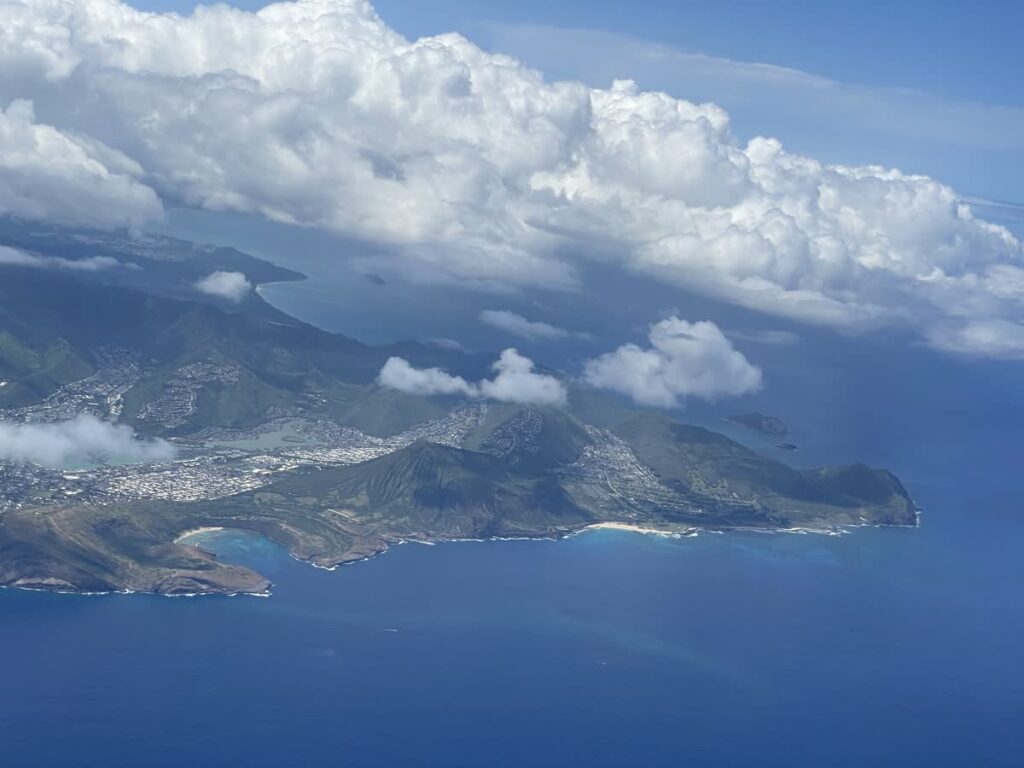
If you want the suburban feel with ocean access, Hawai’i Kai is your spot. Built around a marina in East Honolulu, this master-planned community feels more like a small town than part of a major city.
Why families love it:
- Schools: Haha’ione Elementary and Koko Head Elementary are solid choices. Kaiser High School is well-regarded for its college prep programs.
- Outdoor life: Hanauma Bay is minutes away. Koko Crater Trail is a killer workout (literally — 1,048 stairs). The marina has paddleboarding, kayaking, and boat access.
- Housing: Homes range from $850K for townhomes to $2M+ for waterfront properties. Rentals average $2,500–$3,800/month for a family-sized place.
- Shopping: Koko Marina Center has a Foodland, movie theater, and restaurants — you don’t need to drive into town for basics.
The commute to downtown Honolulu takes 25–40 minutes depending on traffic, which is the main trade-off. But most families say the space and lifestyle are worth it.
3. Kailua — The Windward Side Favorite
Technically its own town (not a Honolulu neighborhood), Kailua sits just over the Pali Highway on the windward coast. But it’s close enough that many families commute into Honolulu daily, and it deserves a spot on this list.
Why families love it:
- The beach: Kailua Beach is consistently ranked one of the best beaches in America. White sand, turquoise water, and calm enough for kids.
- Schools: Kailua Elementary and Enchanted Lake Elementary are popular. Le Jardin Academy (private, PreK–12) is excellent.
- Town center: Walkable downtown with local shops, cafés, Target, Whole Foods, and Kalapawai Market.
- Housing: Single-family homes average $1.2M–$1.8M. Rentals for a 3-bed run $2,600–$4,000/month.
The Pali Highway commute is about 20 minutes without traffic, but morning rush can push it to 40+. Many remote workers have moved here post-pandemic and love it.
4. ‘Āina Haina — The Hidden Gem
Sandwiched between Kāhala and Hawai’i Kai, ‘Āina Haina flies under the radar — which is exactly why families who discover it tend to stay. It’s quiet, residential, and has that old-school Hawai’i neighborhood feel.
Why families love it:
- Space: Larger lots than most Honolulu neighborhoods. Actual yards where kids can play.
- Schools: ‘Āina Haina Elementary is a strong neighborhood school. Nearby private options include Star of the Sea and Holy Nativity.
- Safety: One of the lower crime rates in urban Honolulu.
- Housing: Homes range from $1M–$1.6M — more affordable than neighboring Kāhala ($2M+) with a similar feel.
The main shopping area is the ‘Āina Haina Shopping Center with a Foodland and local restaurants. It’s not flashy, but that’s the point.
5. Kaimukī — Affordable and Full of Character
Kaimukī is where you go when you want neighborhood charm without the million-dollar price tag (well, barely). Sitting on the slopes above Kāhala, this walkable neighborhood has become a foodie destination while keeping its local roots.
Why families love it:
- Affordability: By Honolulu standards, Kaimukī is relatively affordable. Homes start around $800K–$1.2M. Rentals average $1,800–$2,800/month.
- Walkability: Wai’alae Avenue is lined with restaurants, coffee shops, and small businesses. Kids can walk to the library or grab shave ice.
- Schools: Ali’iōlani Elementary and Kaimukī Middle School are within walking distance.
- Food scene: Mud Hen Water, Koko Head Café, and a dozen other standout restaurants are right in the neighborhood.
If you’re renting in Hawaii, Kaimukī offers some of the best value in the urban core.
6. Mililani — Best Value for Families
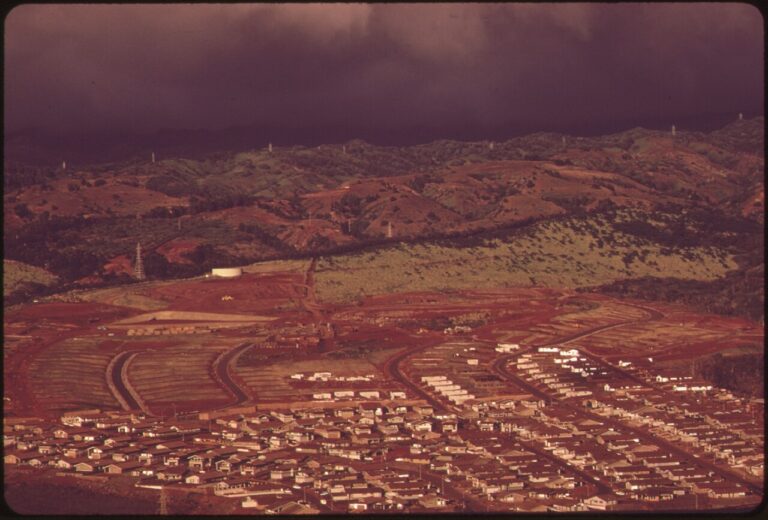
Located in central O’ahu, Mililani is a master-planned community that was literally designed for families. Two town centers, excellent schools, and prices that won’t require selling a kidney.
Why families love it:
- Schools: Mililani schools consistently rank among the top public schools in Hawai’i. Mililani High School and Mililani Middle are both highly rated.
- Price: Single-family homes range from $750K–$1.1M — significantly less than East Honolulu. Rentals average $2,000–$3,000/month.
- Community: Recreation centers, pools, parks, sports leagues — it’s all built in. The Mililani Town Association organizes events year-round.
- Safety: Consistently ranks as one of the safest communities on O’ahu.
The trade-off is distance. Mililani to downtown Honolulu is 30–50 minutes depending on H-2 traffic. But with remote work and good local amenities, many families never need to make that drive.
7. Kapolei — The “Second City” That’s Growing Fast
Kapolei has transformed from empty fields into O’ahu’s booming west side hub. New schools, shopping centers, and housing developments are popping up constantly, making it increasingly attractive for young families.
Why families love it:
- New construction: If you want a newer home that doesn’t need work, Kapolei and neighboring ‘Ewa Beach have the most options.
- Price: Homes start from $650K for townhomes to $1.1M for single-family. The most affordable option on this list.
- Amenities: Ka Makana Ali’i mall, Costco, movie theaters, and a growing restaurant scene.
- Schools: Kapolei High School is one of the newer public high schools. Several new elementary schools have opened recently.
Traffic heading east on H-1 during rush hour is brutal — plan for 45–60+ minutes to Honolulu. But if you work on the west side or remotely, Kapolei offers serious bang for your buck.
How to Choose the Right Neighborhood
Here’s a quick framework for narrowing down your options:
| Priority | Best Neighborhoods |
|---|---|
| Best schools | Mānoa, Mililani, Kailua |
| Most affordable | Kapolei, Mililani, Kaimukī |
| Beach access | Kailua, Hawai’i Kai |
| Shortest commute downtown | Kaimukī, Mānoa, ‘Āina Haina |
| Best for young kids | Mānoa, ‘Āina Haina, Mililani |
| Best for teens | Kailua, Hawai’i Kai, Kaimukī |
Before you commit, spend at least a week in the neighborhood you’re considering. Drive the commute during rush hour. Walk to the nearest school. Eat at the local spots. Honolulu neighborhoods each have a distinct personality, and the best way to find your fit is to experience it firsthand.
If you’re just starting to plan your move, check out how much money you actually need to move to Hawaii — it’s probably more than you think, but less than you fear.
Frequently Asked Questions
What is the safest neighborhood in Honolulu for families?
Mililani and ‘Āina Haina consistently rank among the safest areas. Hawai’i Kai and Mānoa also have low crime rates compared to the Honolulu average. Generally, East Honolulu and central O’ahu neighborhoods are safer than areas closer to downtown.
How much does it cost to live in a family-friendly Honolulu neighborhood?
Expect to spend $2,000–$4,000/month on rent for a family-sized home, or $750K–$1.8M to buy. Kapolei and Mililani are the most affordable options, while Mānoa and Kailua are pricier. Budget an additional $1,500–$2,500/month for groceries and daily expenses for a family of four.
Are Honolulu public schools good enough, or should I go private?
It depends heavily on the neighborhood. Schools in Mānoa, Mililani, and Kailua perform well above the state average and rival many private options. In other areas, public school quality varies. Private school tuition in Honolulu ranges from $8,000–$28,000/year depending on the school.
Is it better to live in Honolulu proper or the suburbs with kids?
Honolulu proper (Kaimukī, Mānoa) offers walkability and shorter commutes but smaller lots and higher density. Suburbs (Mililani, Kapolei, Hawai’i Kai) give you more space, newer homes, and stronger community programs but longer commutes. Most families with young kids prefer the suburban feel; families with teens often prefer the energy of urban neighborhoods.