Makiki is one of those Honolulu neighborhoods that flies completely under the radar — and honestly, the people who live here like it that way. Tucked between downtown Honolulu and the lush ridgelines of Tantalus, this residential pocket delivers the rare combination of urban convenience and mountain-town calm that most Hawaii newcomers don’t even know exists.
If you’re considering a move to Oahu and want somewhere that actually feels like a neighborhood (not a tourist zone), Makiki deserves a serious look. Here’s what it’s really like to live here in 2026.
Where Exactly Is Makiki?
Makiki sits northeast of downtown Honolulu, roughly bounded by Punahou Street to the east, Pensacola Street to the west, the H-1 freeway to the south, and Round Top Drive/Makiki Heights Drive climbing into the hills to the north. The iconic Punchbowl Crater and Tantalus overlook the neighborhood from above.
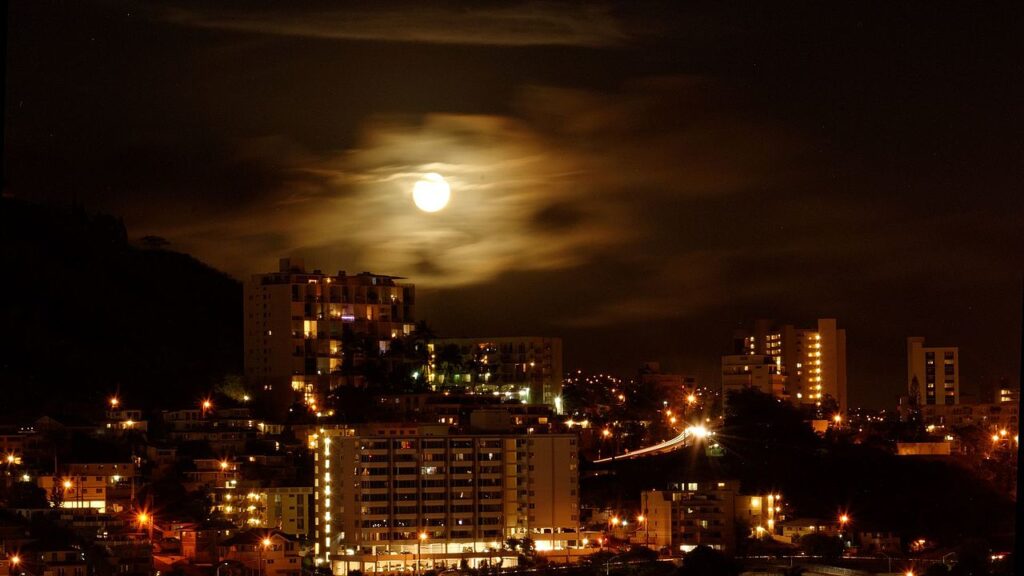
The area breaks down into two distinct zones. The Makiki flats are the lower, denser section filled with condos, apartment buildings, small shops, and restaurants. Makiki Heights climbs into the hillside with single-family homes, bigger lots, and views that will genuinely make you stop walking to stare.
You’re about 10 minutes from Waikiki, 5 minutes from Ala Moana Center, and right next to some of Oahu’s best hiking. It’s central without feeling hectic.
Cost of Living in Makiki (2026 Numbers)
Makiki is one of the more affordable neighborhoods in urban Honolulu — which in Hawaii terms still means “not cheap,” but significantly below places like Waikiki or Kakaako.
Rent Prices
- Studio: $1,200–$1,500/month
- 1-bedroom: $1,500–$2,100/month
- 2-bedroom: $1,900–$2,950/month
The average rent in Makiki hovers around $1,510/month according to RentCafe data, which is well below the Honolulu citywide average of $2,100+. That’s a meaningful difference when you’re budgeting for island life.
Buying a Home
Condos in the Makiki flats range from $300,000 to $600,000 depending on size, building age, and floor level. You’ll find older walkup buildings with lower maintenance fees alongside newer high-rises with amenities. Single-family homes in Makiki Heights start around $1 million and climb steeply from there — those hillside views come at a premium.
For a deeper look at overall expenses, check out our guide to saving money in Hawaii.
The Neighborhood Vibe
Makiki feels like a real community in a way that many Honolulu neighborhoods don’t. There’s roughly 24,000 residents packed into a relatively compact area, but it doesn’t feel overcrowded. People walk their dogs along Makiki Street, regulars chat at the local coffee shops, and there’s a strong sense of “everyone knows your name” energy.
The demographic skew is diverse — you’ll find longtime local families, young professionals, retirees, and UH students all mixed together. It’s not trendy or flashy. It’s just… livable. The kind of place where you notice the same people at the farmers market every week.
Compared to the tourist-heavy atmosphere of Waikiki or the construction-zone energy of Kakaako, Makiki is refreshingly settled. If you’re coming from the mainland expecting “beach town vibes,” Makiki will surprise you — it’s more tree-lined streets, mid-century apartment buildings, and neighborhood parks than anything resembling a resort.
Getting Around from Makiki
Location is probably Makiki’s biggest practical advantage. You’re close to everything without being in the middle of the chaos.
Driving
The H-1 freeway is right at Makiki’s southern edge, giving you quick access to both directions — Pearl City and the west side, or through downtown toward Hawaii Kai. During rush hour (roughly 6:30–8:30 AM and 3:30–6:00 PM), expect the usual Honolulu crawl, but you’re at least positioned to avoid the worst bottlenecks.
Bus Transit
TheBus serves Makiki well with multiple routes running along major corridors like Wilder Avenue and Pensacola Street. Routes 4, 13, and 18 connect you to Ala Moana Center (Oahu’s main transit hub) in under 15 minutes. A monthly bus pass runs $80.
Walkability
The flats are genuinely walkable. You can hit a grocery store (Safeway on Beretania, Foodland on South King), grab coffee, pick up plate lunch, and walk to Makiki District Park without ever touching a car. That’s rare in Honolulu.
Best Things to Do in Makiki
Hiking the Makiki Valley Loop Trail
This is the crown jewel. The Makiki Valley Loop Trail is a 2.5-mile moderate loop that connects three trails — Kanealole, Makiki Valley, and Maunalaha — through lush tropical forest. The trailhead starts right at the Hawaii Nature Center on Makiki Heights Drive. You’ll walk through bamboo groves, cross small streams, and get canopy views without ever leaving the city. It’s the kind of hike you can do on a Tuesday morning before work.
For more adventurous hikers, the nearby Tantalus trails and Pu’u ‘Ualaka’a State Wayside offer longer routes with panoramic views over all of Honolulu. The Tantalus lookout at night — with the city lights spread out below — is legitimately one of the most beautiful things on Oahu.
Makiki District Park
The neighborhood’s main gathering spot includes a pool, tennis courts, basketball courts, and a playground. It’s not fancy, but it’s well-maintained and always active. Weekend mornings you’ll see tai chi groups, families with keiki, and pickup basketball games running simultaneously.
Food and Dining
Makiki isn’t a dining destination like Kaimuki or Chinatown, but it has solid everyday spots. The McCully Shopping Center area (at Makiki’s eastern edge) has a concentration of Asian restaurants — Korean BBQ joints, Japanese izakayas, Vietnamese pho spots. For groceries, the Makiki Farmers Market runs seasonally and is worth checking out for local produce. And Ala Moana Center, with its massive food court and restaurants, is a quick 5-minute drive.
If you’re a food lover exploring the island, our guide to the best restaurants in Honolulu covers the wider dining scene.
Schools in Makiki
Families should know that Makiki has solid school access. Central Middle School and McKinley High School serve the area for public education. The neighborhood is also close to several well-regarded private schools — Punahou School (one of the top private schools in the state) sits right on Makiki’s eastern border, and Mid-Pacific Institute is nearby in Manoa.
For younger kids, there are several preschools and daycares in the area. Check our guide to daycares in Honolulu for detailed options and pricing.
Safety and Crime
Makiki is generally considered one of the safer neighborhoods in urban Honolulu. AreaVibes ranks it in the top 15 neighborhoods in the city and better than 98% of areas nationwide for livability. That said, it’s still an urban area — car break-ins happen (especially near trailhead parking areas), and package theft is a thing, just like anywhere else in Honolulu.
The residential streets in Makiki Heights feel noticeably quieter and safer than the flats, though both areas are fine for walking at night. Standard urban awareness applies — lock your car, don’t leave valuables visible, and you’ll be fine.
Pros and Cons of Living in Makiki
Pros
- Below-average rent for urban Honolulu — real savings vs. Waikiki or Kakaako
- Incredible hiking access — Tantalus/Makiki Valley trails are literally in the neighborhood
- Central location — 10 min to Waikiki, 5 min to Ala Moana, quick freeway access
- Strong community feel — not a transient tourist area
- Walkable flats — groceries, restaurants, parks within walking distance
- Good school access — near Punahou, multiple public options
Cons
- No beach — you’ll need to drive or bus to the nearest beach (Ala Moana Beach Park, ~10 min)
- Older building stock — many condos are from the 1960s-70s with dated interiors
- Street parking can be tough — especially in the flats during evenings
- Limited nightlife — this is a residential neighborhood, not an entertainment district
- Humidity — the valley location means slightly more moisture than beachside areas
Who Should Live in Makiki?
Makiki is ideal for:
- Young professionals who want affordable rent near the city center without the Waikiki chaos
- Hikers and outdoor enthusiasts who want trailheads minutes from their front door
- Families looking for a residential neighborhood with good school proximity
- Anyone who values community over nightlife and trendy restaurants
It’s probably not the best fit if you need to be steps from the beach, want brand-new luxury condo amenities, or prioritize nightlife access. For beach proximity with a similar community feel, consider Kaimuki or Kailua instead.
FAQ
Is Makiki a good neighborhood in Honolulu?
Yes. Makiki consistently ranks as one of the top 15 neighborhoods in Honolulu for livability. It’s safe, walkable, affordable by Honolulu standards, and has a strong community feel. It’s particularly good for people who want urban convenience without the tourist-area drawbacks.
How much does it cost to rent in Makiki?
As of 2026, average rent in Makiki is around $1,510/month, which is below the Honolulu citywide average. Studios start around $1,200, one-bedrooms run $1,500–$2,100, and two-bedrooms range from $1,900–$2,950 depending on the building and amenities.
Is Makiki walkable?
The lower flats area of Makiki is quite walkable — you can reach grocery stores, restaurants, parks, and bus stops on foot. Makiki Heights (the hillside area) requires a car for most errands. Overall, it’s more walkable than most Honolulu neighborhoods outside of Waikiki and downtown.
What is the Makiki Valley Loop Trail?
The Makiki Valley Loop Trail is a popular 2.5-mile moderate hiking loop in the hills above Makiki. It connects three trails (Kanealole, Makiki Valley, and Maunalaha) through tropical forest with bamboo groves and stream crossings. The trailhead is at the Hawaii Nature Center on Makiki Heights Drive. It’s family-friendly and one of the best urban hikes in Honolulu.