Kailua is one of those places on Oahu that feels like it shouldn’t exist. A small beach town with world-class sand, a walkable downtown with actual good food, and a community vibe that’s hard to find anywhere else on the island. If you’re thinking about moving here, you’re not alone — Kailua consistently ranks as one of Hawaii’s most desirable neighborhoods.
But living in Kailua comes with trade-offs. Premium prices, limited nightlife, and the daily reality of island logistics. Here’s what it’s actually like to call this windward town home in 2026.
Where Exactly Is Kailua?
Kailua sits on Oahu’s windward (east) coast, tucked between the Ko’olau Mountains and the ocean. It’s about a 25-minute drive from downtown Honolulu through the Pali Highway tunnels — one of the most dramatic commutes you’ll ever have.
The town stretches from Enchanted Lake in the south up to Kaneohe Bay in the north, with Kailua Beach Park anchoring the coastal strip. Most people know it for two things: the beach and the town center. Both live up to the hype.
Cost of Living in Kailua
Let’s get the big one out of the way first. Kailua is expensive, even by Hawaii standards.
Housing Costs
The median home price in Kailua hovers around $1.1 to $1.5 million for a single-family home as of early 2026. Condos and townhomes are more accessible, with median prices around $809,500. Beachside properties? Those can easily clear $3 million and up.
If you’re renting, expect to pay approximately:
- 1-bedroom apartment: $2,200–$2,800/month
- 2-bedroom apartment: $2,800–$3,500/month
- 3-bedroom house: $3,500–$5,000/month
The median rent for houses in Kailua sits around $3,950/month according to current Zillow data. That’s a significant jump from areas like Ewa Beach or Mililani, but you’re paying for the location and lifestyle.
Groceries and Daily Expenses
Kailua has a Whole Foods, a Target, Safeway, and Foodland — more options than most neighborhoods on the windward side. A typical monthly grocery bill for a couple runs $800–$1,200, depending on how much local produce you buy at the Thursday farmers’ market at Kailua Town Center.
Utilities average $250–$450/month for a standard home. Hawaii’s electricity rates remain among the highest in the nation, though solar panels are increasingly common on Kailua rooftops.
How Much Do You Need to Earn?
To live comfortably in Kailua as a couple (renting a 2-bedroom), you’re looking at a combined household income of at least $120,000–$160,000. For homeowners with a mortgage, bump that to $180,000–$225,000+. These numbers aren’t meant to scare you — they’re meant to prepare you.
Best Neighborhoods in Kailua
Kailua isn’t one uniform area. Each pocket has its own character. For a detailed breakdown, check out our Best Neighborhoods in Kailua guide, but here’s the quick version:
Kailua Beachside
The premium address. Walking distance to Kailua Beach, upscale homes, quiet streets with mature trees. You’ll pay top dollar here, but the lifestyle is unbeatable. Many homes are older plantation-style with modern renovations.
Enchanted Lake
A residential neighborhood built around a small lake in the southern part of Kailua. More affordable than beachside, family-oriented, with good access to H-1 via the Pali Highway. Popular with young families and military members stationed at MCBH (Marine Corps Base Hawaii).
Lanikai
Technically its own neighborhood, but often grouped with Kailua. Lanikai has some of the most photographed beaches in the world — the Mokulua Islands offshore are iconic. Homes here rarely go below $2 million, and parking is a nightmare for visitors. Residents love the exclusivity and quiet.
Aikahi Park
Close to MCBH and the Aikahi Shopping Center (with Tamura’s, Safeway, and Starbucks). Slightly more affordable, with wider streets and a suburban feel. Great for military families who want proximity to the base without living on it.
Maunawili
Up against the Ko’olau Mountains, Maunawili offers larger lots, more greenery, and cooler temperatures. It’s quieter and more rural-feeling, with trail access right from the neighborhood. Trade-off: it’s further from the beach and town center.
What’s It Like Day-to-Day?
The Beach Life
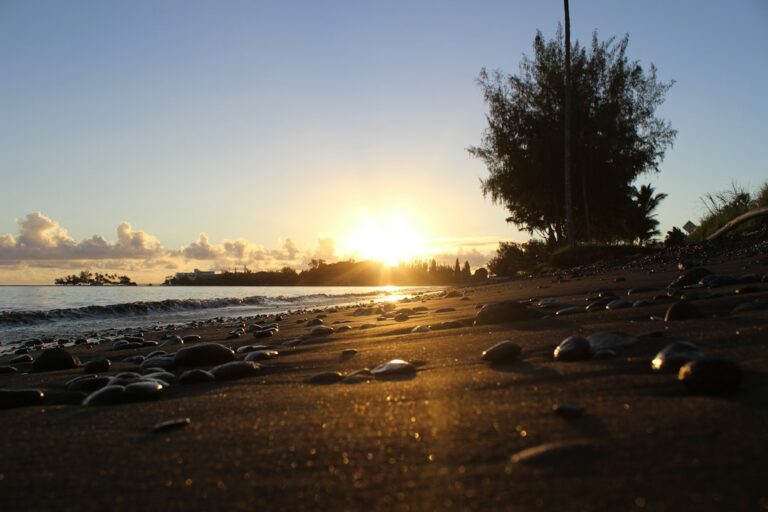
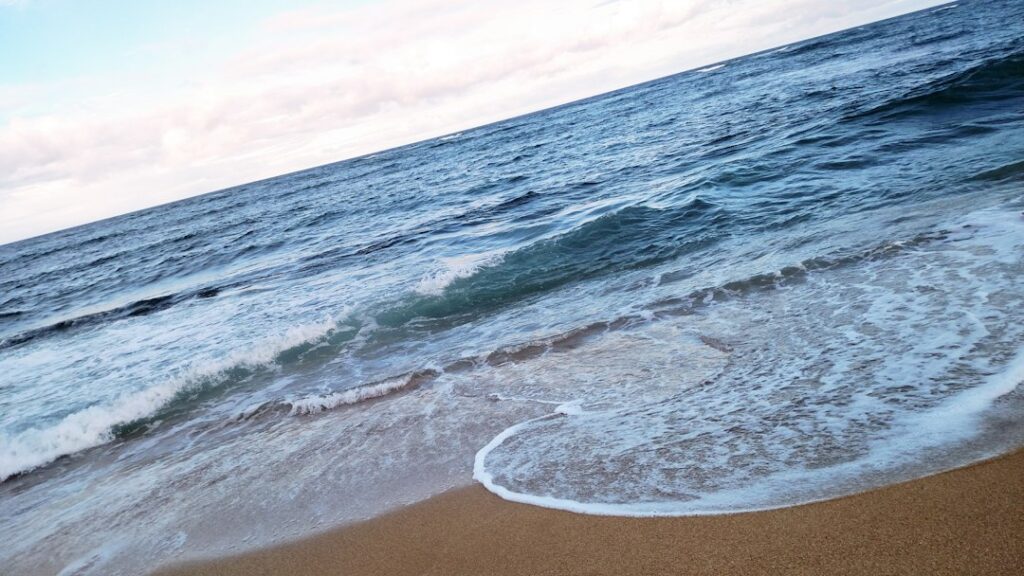
Kailua Beach Park is consistently ranked among the best beaches in America — and it genuinely deserves it. Two and a half miles of white sand, turquoise water, and steady trade winds that make it a kayaking and kiteboarding paradise. The beach has lifeguards, restrooms, showers, and picnic areas.
On weekdays, it’s calm enough that you can find your own stretch of sand. Weekends get busy, especially the section near the boat ramp and Buzz’s Steakhouse. Pro tip: walk further toward Lanikai for more space.
Food and Dining
Kailua’s food scene punches well above its weight. For a full rundown, see our Best Restaurants in Kailua guide. Highlights include:
- Moke’s Bread & Breakfast — Famous for their lilikoi pancakes. Weekend lines are long, but worth it.
- Buzz’s Lanikai — Old-school steak and seafood, right across from the beach.
- Cinnamon’s Restaurant — Another brunch institution with oversized portions.
- Kalapawai Market — Perfect for quick deli sandwiches and beach picnic supplies.
- Boot’s & Kimo’s — Macadamia nut pancake sauce that’ll ruin all other pancakes for you.
The Thursday evening Kailua Town Farmers’ Market at Kailua Town Center is a weekly highlight. Local produce, prepared foods, live music, and a genuine community gathering.
Shopping and Errands
Kailua Town Center and surrounding areas have most of what you need: Target, Whole Foods, Longs Drugs, banks, and various specialty shops. For bigger shopping trips, Windward Mall in Kaneohe is 10 minutes away, and Ala Moana Center in Honolulu is about 25 minutes.
The Commute
If you work in Honolulu, the commute through the Pali Highway takes 25–45 minutes depending on traffic. Morning traffic heading into town can be heavy between 6:30 and 8:30 AM. The alternative route through the Likelike Highway adds a few minutes but can be less congested.
Some employers now offer remote or hybrid work, which has made Kailua even more attractive since 2020. If you can avoid the daily commute, living here becomes a much easier choice.
Schools in Kailua
Families move to Kailua partly for the schools. The area is served by several well-regarded public schools:
- Kailua Elementary — Established school with strong community involvement
- Aikahi Elementary — Consistently rated among Oahu’s better public elementary schools
- Kailua Intermediate — Feeds into Kailua High School
- Kailua High School — Offers IB (International Baccalaureate) program
- Le Jardin Academy — Private school (PreK-12) with a strong reputation
For more on Hawaii’s education system, see our Hawaii School System guide.
Outdoor Activities and Recreation
This is where Kailua really shines. Beyond the beach, you’ve got:
- Kawainui Marsh — The largest remaining wetland in Hawaii. Great for walking, birdwatching, and a peaceful escape without leaving town.
- Maunawili Falls Trail — A popular 3-mile roundtrip hike ending at a waterfall pool. Muddy but rewarding.
- Lanikai Pillbox Hike — Short, steep climb with panoramic views of the Mokulua Islands. Best at sunrise.
- Kayaking to the Mokes — Rent a kayak and paddle to Mokulua Islands for secluded beaches and snorkeling.
- Flat Island (Popoia) — A bird sanctuary you can walk to at low tide from Kailua Beach.
Kailua also has excellent parks, a public pool, tennis courts, and a skate park. The bike path along the canal from Kailua Beach Park to the marsh is perfect for morning rides.
Pros and Cons of Living in Kailua
Pros
- World-class beach within walking or biking distance
- Walkable town center with restaurants, shops, and farmers’ market
- Strong community feel — you’ll recognize your neighbors
- Good schools including public and private options
- Outdoor recreation at your doorstep (hikes, kayaking, surfing)
- Safer and quieter than most urban Honolulu neighborhoods
- Mountain backdrop — the Ko’olau views never get old
Cons
- High cost of living — among the priciest areas on Oahu
- Limited nightlife — if you want bars and clubs, Honolulu is 30 minutes away
- Windward weather — more rain than the south shore, especially in winter
- Commute to Honolulu can be tedious during rush hours
- Tourist traffic — weekends bring crowds from other parts of Oahu
- Limited job market — most professional jobs require commuting to Honolulu
Is Kailua Right for You?
Kailua tends to attract a certain type of resident: people who value outdoor lifestyle over urban convenience, families who want good schools and safe streets, and remote workers who can skip the commute. Military families stationed at MCBH make up a significant portion of the community, adding to the town’s diversity.
If you’re coming from the mainland and want an introduction to Hawaii living that doesn’t feel overwhelming, Kailua is an excellent starting point. It has enough amenities to feel comfortable, enough natural beauty to remind you why you moved, and a community that’s welcoming without being artificial.
For tips on making the move, read our guide on 10 Things I Wish I Knew Before Moving to Hawaii.
Frequently Asked Questions
Is Kailua, Hawaii a good place to live?
Yes, Kailua is widely considered one of the best places to live on Oahu. It offers world-class beaches, a walkable town center, good schools, and a strong community atmosphere. The main drawback is the high cost of living — housing costs are above the Oahu average. If you can afford it and prefer a beach-town lifestyle over urban living, Kailua is hard to beat.
How much does it cost to rent in Kailua, Oahu?
As of 2026, the median rent for a house in Kailua is approximately $3,950 per month. One-bedroom apartments typically range from $2,200 to $2,800, while two-bedroom units run $2,800 to $3,500. Prices vary significantly depending on proximity to the beach — beachside rentals command a premium.
What is the commute from Kailua to Honolulu like?
The drive from Kailua to downtown Honolulu takes about 25 to 45 minutes via the Pali Highway, depending on traffic. Morning rush hour (6:30–8:30 AM) heading toward Honolulu can be congested. The scenic drive through the Ko’olau Mountains is beautiful, though it can be rainy. Many Kailua residents work remotely or have flexible schedules to avoid peak traffic.
Is Kailua safe?
Kailua is generally considered one of the safer communities on Oahu. Property crime (especially car break-ins at beach parking lots) does occur, as it does island-wide. Violent crime is low compared to urban Honolulu. Most residents feel comfortable walking and biking around town at any time of day.