Aiea sits on the hillside above Pearl Harbor, about 10 miles west of downtown Honolulu. It’s one of those neighborhoods that doesn’t make the tourist brochures but quietly delivers one of the best living experiences on Oahu — affordable (by Hawaii standards), convenient, and genuinely local.
If you’re thinking about relocating to Oahu and want somewhere that feels like a real community rather than a resort town, Aiea deserves a serious look. Here’s everything you need to know about living here in 2026.
Where Exactly Is Aiea?
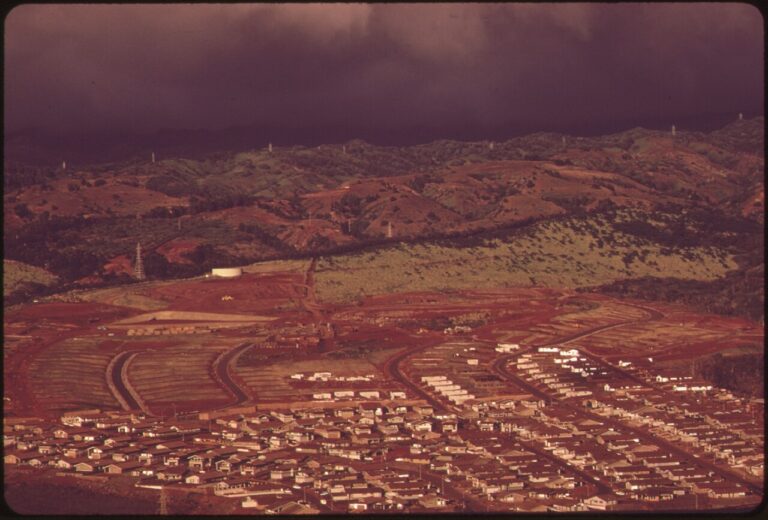
Aiea (pronounced “ah-EE-ah”) is a census-designated place in Honolulu County on Oahu’s south shore. It sits between Pearl City to the west and Halawa to the east, hugging the hillside above Pearl Harbor and stretching up into the Ko’olau mountain foothills.
The area covers about 1.8 square miles with a population of roughly 10,400 people. It’s part of the broader “Pearl City–Aiea” corridor that many locals treat as one connected area, though each neighborhood has its own distinct personality.
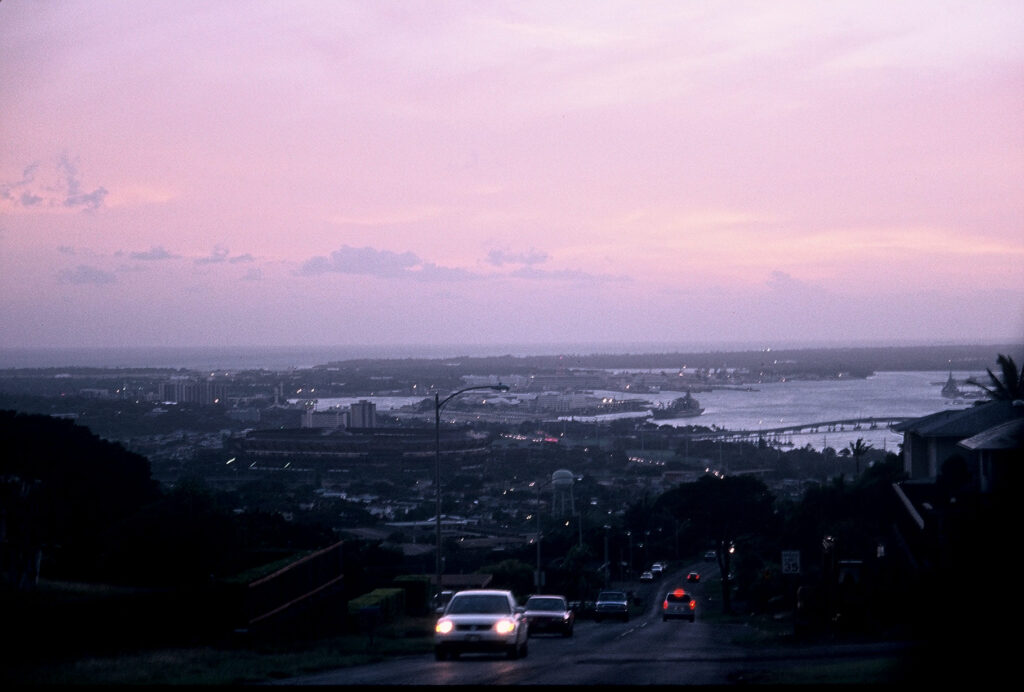
Geographically, you get the best of both worlds: low-elevation areas near the harbor with easy freeway access, and higher-elevation neighborhoods like Aiea Heights with stunning panoramic views of Pearl Harbor, Diamond Head, and the Waianae Mountains.
Cost of Living in Aiea
Let’s talk money — because that’s what keeps most people up at night when they’re considering a move to Hawaii. Aiea is actually one of the more affordable areas in the Honolulu metro, though “affordable” is always relative in the islands.
Housing Costs
The median home value in Aiea hovers around $870,000 to $900,000 as of 2026. That’s significantly less than Kailua ($1.2M+) or Honolulu proper ($950K+), making it attractive for families who want to actually own property.
For renters, expect to pay approximately:
- 1-bedroom apartment: $1,500–$1,700/month
- 2-bedroom apartment: $2,200–$2,500/month
- 3-bedroom house: $2,800–$3,200/month
These numbers are roughly 5–10% below what you’d find in central Honolulu for comparable units. The trade-off? You’re a bit farther from Waikiki, but honestly, most locals avoid Waikiki anyway.
Overall Living Expenses
Aiea’s cost of living index sits around 170–190 compared to the national average of 100. That’s high, but it’s actually about 3–5% lower than the Honolulu average. Monthly living costs run approximately $3,800 for a single person and $8,300 for a family of four.
Groceries, gas, and utilities track with the rest of Oahu — meaning expensive. Budget about 30–40% more than mainland prices for everyday items. The good news? Aiea has excellent access to budget-friendly shopping at places like Don Quijote (yes, the Japanese discount store) and Costco in nearby Iwilei.
For a deeper dive into what you’ll spend across the islands, check out our complete cost of living breakdown for Hawaii.
Neighborhoods and Areas in Aiea
Aiea isn’t huge, but it has distinct micro-neighborhoods worth understanding:
Aiea Heights
The residential area climbing up the hillside toward Keaiwa Heiau State Recreation Area. Homes here are older (many from the 1960s–70s) but the views are absolutely spectacular. You’ll see Pearl Harbor, the entire south shore, and on clear days, Diamond Head. It’s quieter, more residential, and feels genuinely tucked away from the bustle below.
Lower Aiea (Near Pearlridge)
The flatland area centered around Pearlridge Center and Moanalua Road. This is where the action is — shopping, restaurants, bus routes, and freeway access. It’s more urban and convenient, but naturally louder and more congested. Great for people who prioritize walkability to amenities.
Newtown
A pocket neighborhood between Aiea and Pearl City with a strong local identity. It’s got Newtown Recreation Center, several parks, and a mix of single-family homes and low-rise apartments. Very family-oriented and relatively quiet.
What Makes Aiea Special
Pearlridge Center
Aiea’s crown jewel for daily life is Pearlridge Center, one of the largest shopping malls in Hawaii. It’s split into two sections — Uptown and Downtown — connected by Hawaii’s only monorail (which is honestly kind of charming). You’ll find Macy’s, Target, Foodland, dozens of restaurants, a movie theater, and everything else you’d need for daily errands.
Pearlridge also hosts over 300 events per year, including night markets, cultural festivals, and seasonal activities. It’s a genuine community hub, not just a shopping mall.
Aiea Loop Trail
One of Oahu’s best moderate hikes starts right in Aiea Heights. The Aiea Loop Trail is a 4.8-mile loop through native forest in Keaiwa Heiau State Recreation Area. The elevation gain is about 900 feet, making it manageable for most fitness levels (expect 2–3 hours).
The trail offers views of Halawa Valley, Pearl Harbor, and the southern coastline of Oahu. It’s shaded by ironwood, Norfolk pine, and eucalyptus trees — perfect for a weekend morning hike. Parking, restrooms, and picnic areas are available at the trailhead.
If you enjoy getting outdoors, explore our full guide to the best hiking trails on Oahu.
Keaiwa Heiau State Recreation Area
Located at the top of Aiea Heights Drive, this state park is home to an ancient Hawaiian healing temple (heiau) that dates back centuries. It was renamed in the 1800s by Kamehameha the Great. Beyond the historical significance, the park has camping areas, picnic facilities, and serves as the starting point for the Aiea Loop Trail.
Pearl Harbor Access
Living in Aiea puts you minutes from the Pearl Harbor National Memorial and the USS Arizona Memorial. While that’s more of a tourist attraction, it also means you’re close to Joint Base Pearl Harbor-Hickam — a major plus for military families. The base commissary and PX are easily accessible.
Getting Around from Aiea
Aiea’s location is one of its strongest selling points for commuters:
- Downtown Honolulu: 15–20 minutes via H-1 (without traffic); 30–45 minutes during rush hour
- Waikiki: 20–25 minutes off-peak
- Daniel K. Inouye International Airport: 10–15 minutes
- North Shore: 35–45 minutes via H-2
- Pearl City/Mililani: 5–10 minutes
The H-1 freeway runs right through lower Aiea, giving you direct access to both Honolulu (east) and the Leeward Coast (west). The Moanalua Freeway (H-201) also provides an alternate route downtown.
TheBus serves Aiea well, with multiple routes connecting to Ala Moana Center and downtown Honolulu. Routes 40, 42, and the “A” CityExpress are the main lines. The Skyline rail extension is also expanding westward, which will improve transit options in the coming years.
One thing to know: H-1 traffic between Aiea and Honolulu during morning rush (6:30–8:30 AM) is brutal. If your job is downtown, seriously consider flexible hours or remote work. For more on island commuting, see our guide to Hawaii traffic and commute times.
Schools in Aiea
Families will want to know about the school situation. Aiea falls under the Hawaii Department of Education (it’s a single statewide district), and the local options include:
Public Schools
- Aiea Elementary School — Serves grades K–6, located on Ulune Street. Known for a strong community feel and active PTA.
- Aiea Intermediate School — Grades 7–8, on 99-600 Kulawea Street. Offers STEM programs and extracurricular activities.
- Aiea High School — Grades 9–12, home of the Aiea Na Alii. The school has solid athletics programs and offers AP courses. Enrollment is around 1,200 students.
Private School Options
Several private schools are within easy driving distance:
- Damien Memorial School (Kalihi) — Catholic college-prep, about 10 minutes away
- Island Pacific Academy (Kapolei) — About 20 minutes west
- Punahou School and Iolani School (Honolulu) — Hawaii’s top private schools, 15–20 minutes east
For a comprehensive overview of education options, read our guide to schools in Hawaii.
Food and Dining in Aiea
Aiea’s food scene is local and unpretentious — exactly what you want. Some standouts:
- Shiro’s Saimin Haven — A legendary saimin spot that’s been serving noodle soup for decades. Cash only, no frills, and absolutely worth it.
- Aiea Bowl Restaurant — Yes, it’s in a bowling alley, and yes, the food is surprisingly good. Local-style plate lunches that hit the spot.
- Pearlridge food options — The mall has everything from Raising Cane’s to local favorites like L&L Hawaiian Barbecue and Panda Express, plus sit-down restaurants.
- Anna Miller’s — The iconic 24-hour diner at Pearlridge. Famous for their pies and perfect for late-night cravings.
- Times Supermarket and Foodland — Both have excellent poke counters and prepared food sections for quick, affordable meals.
Pros and Cons of Living in Aiea
Pros
- Relative affordability — Lower housing costs than Honolulu, Kailua, or Hawaii Kai
- Central location — Easy access to H-1, H-2, and the airport
- Strong local community — Aiea feels like a neighborhood, not a transient area
- Outdoor access — Aiea Loop Trail and Keaiwa Heiau right in your backyard
- Shopping and amenities — Pearlridge covers almost everything you need
- Good schools — Solid public school options from elementary through high school
- Mountain and harbor views — Especially in Aiea Heights, the views are world-class
Cons
- H-1 traffic — Morning commutes toward Honolulu are rough
- Older housing stock — Many homes date from the 1960s–70s and may need updates
- No beach access — Aiea is inland; the nearest beaches (Ewa Beach, Ala Moana) are a 15–20 minute drive
- Industrial feel in lower areas — Parts near the harbor have an industrial/commercial vibe
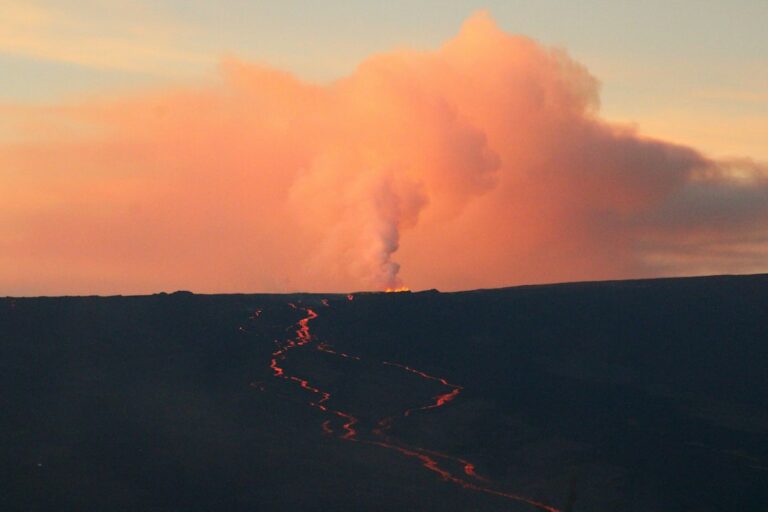
- Vog exposure — Like all of leeward Oahu, Aiea can get vog (volcanic haze) during certain wind conditions
Who Should Consider Living in Aiea?
Aiea is an excellent fit for:
- Military families stationed at Pearl Harbor–Hickam or Schofield Barracks
- Young professionals who want affordable rent with reasonable commute times
- Families with school-age kids who want a safe, community-oriented neighborhood
- Remote workers who don’t need to be downtown daily but want urban conveniences nearby
- First-time homebuyers looking for entry-level pricing on Oahu
If you’re comparing different neighborhoods, our guide to the cheapest places to live in Hawaii can help you weigh your options.
Frequently Asked Questions
Is Aiea a safe place to live?
Yes, Aiea is generally considered a safe, family-friendly community. Crime rates are below the Honolulu average, particularly in the residential areas of Aiea Heights and Newtown. Like anywhere, use common sense — lock your car, don’t leave valuables visible — but overall, residents report feeling safe.
How far is Aiea from the beach?
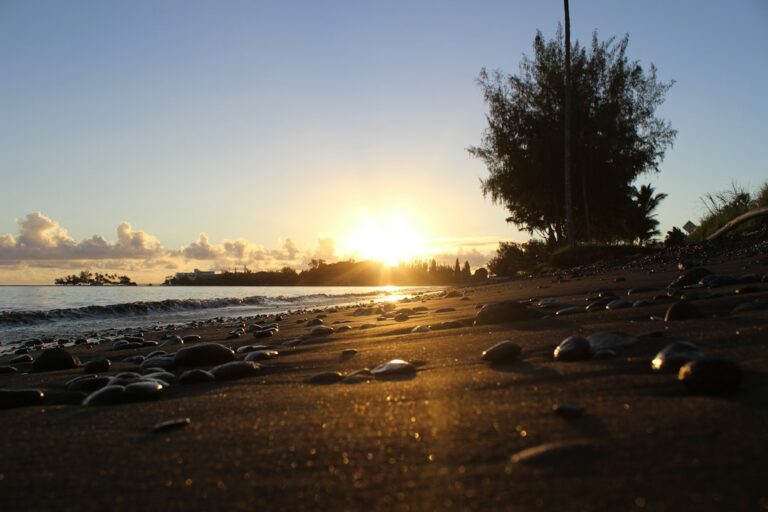
Aiea is an inland community, so there’s no beach within walking distance. The closest beaches are Ala Moana Beach Park (about 15 minutes east) and Ewa Beach (about 15 minutes west). Pearl Harbor shoreline is nearby but not a swimming beach.
Is Aiea good for families?
Absolutely. Aiea has good public schools, multiple parks and recreation centers, a low crime rate, and family-friendly amenities at Pearlridge Center. The community is diverse and welcoming, with a strong local identity. Many families have lived here for generations.
What is the weather like in Aiea?
Aiea enjoys typical leeward Oahu weather — warm and relatively dry. Average temperatures range from 75°F to 85°F year-round. Aiea Heights gets slightly more rainfall than lower areas due to elevation, but overall, the area is sunnier and drier than windward Oahu. Trade winds keep things comfortable most of the year.