Kapolei sits on Oahu’s sunny west side, about 20 miles from downtown Honolulu. Locals call it the “Second City,” and over the past decade it’s grown from a quiet suburban outpost into a legit community with its own shopping, dining, schools, and identity. If you’re thinking about making the move, here’s everything you actually need to know about living in Kapolei in 2026.
Where Exactly Is Kapolei?
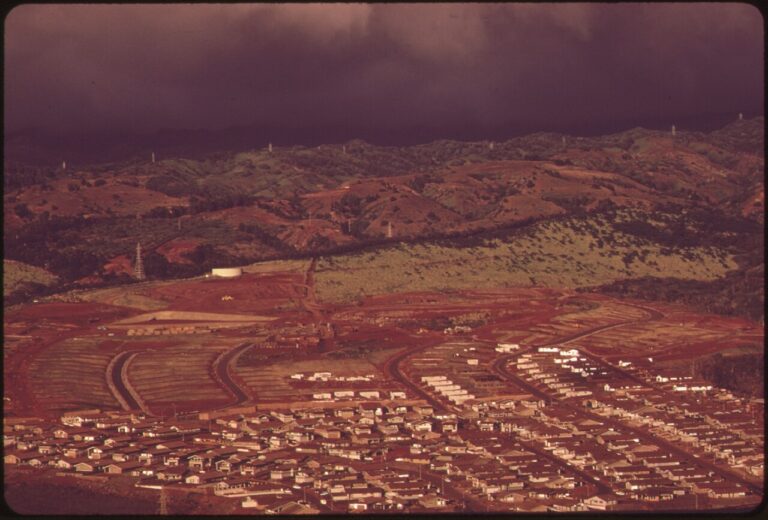
Kapolei is a master-planned community in the Ewa District on Oahu’s leeward (west) coast. It sits between Ewa Beach to the east and Ko Olina to the west, with the Waianae Range rising behind it. The area was originally sugar cane fields — the old Ewa Plantation — before development started in earnest in the 1990s.
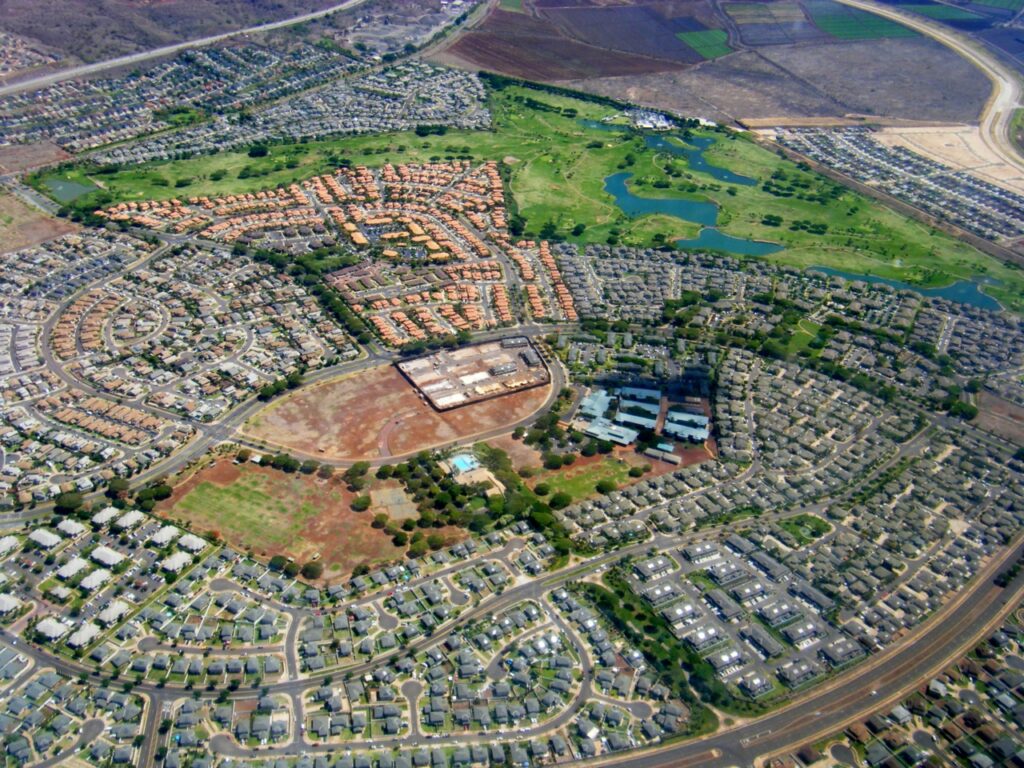
Today, Kapolei spans roughly 3,500 acres and is home to over 21,000 residents. The town center includes government buildings (the state’s Second Circuit Court moved here), big-box retail, restaurants, and a growing number of medical facilities. It’s one of the few places on Oahu where you’ll find newer construction, wider roads, and actual parking.
Cost of Living in Kapolei
Let’s be real — nowhere in Hawaii is cheap. But Kapolei offers slightly more value than Honolulu proper, especially for families who need space.
Housing Costs
In 2026, the median home price in Kapolei runs around $850,000–$950,000 for a single-family home. That’s below the Honolulu metro average of roughly $1.28 million. Townhomes and condos are more accessible, typically ranging from $500,000 to $700,000.
Renting is also a bit more manageable. Expect to pay roughly:
- 1-bedroom apartment: $2,200–$2,800/month
- 2-bedroom apartment: $2,600–$3,200/month
- 3-bedroom house: $3,200–$4,000/month
These are still high numbers by mainland standards, but you’re getting newer builds and more square footage than you would in Honolulu or Kailua for similar money. If you’re comparing neighborhoods, check out our guide to living in Ewa Beach — it’s right next door and offers similar value.
Monthly Expenses
Beyond housing, here’s what a typical month looks like in Kapolei:
- Groceries: $600–$900 for a couple (Costco in Kapolei is a lifesaver)
- Utilities: $250–$400 (electricity is the killer — HECO rates hover around $0.35–$0.40/kWh)
- Gas: $4.80–$5.30/gallon
- Internet: $60–$80/month (Spectrum or Hawaiian Telcom)
- Car insurance: $150–$250/month
For a deeper breakdown, our cost of living in Hawaii comparison covers how Kapolei stacks up against the mainland.
The Commute: Kapolei to Honolulu
This is the elephant in the room. If you work in downtown Honolulu, the commute from Kapolei is brutal. During rush hour (6:30–8:30 AM heading east, 3:30–6:00 PM heading west), you’re looking at 45 minutes to well over an hour on the H-1 freeway.
The good news? The Skyline rail extension is slowly making its way toward Kapolei. As of 2026, the Aloha Stadium station is operational, and the westward expansion is under construction. When the full line opens, it’ll connect Kapolei to Ala Moana Center in about 40 minutes — a game-changer for commuters.
Meanwhile, more companies are setting up offices in Kapolei itself. The area has become a secondary employment hub with jobs in healthcare (Kapiolani Medical Center West), retail, government, and education. If you can work locally or remotely, the commute problem disappears entirely. Our guide to remote work from Hawaii has tips on making that work.
Neighborhoods in Kapolei
Kapolei isn’t one homogenous subdivision — there are distinct neighborhoods, each with their own character:
Kapolei Knolls
One of the original developments, Kapolei Knolls features single-family homes on larger lots. It’s quieter, more established, and slightly more affordable than the newer builds. Great for families who want yard space.
Mehana
A newer mixed-use community by Castle & Cooke with townhomes and single-family homes. Modern finishes, community pool, and walking distance to shops. Popular with young families and first-time buyers.
Ho’opili
The newest large development, built by D.R. Horton. Ho’opili is expanding rapidly with homes, townhomes, parks, and a future rail station. Prices are competitive, but lots are smaller. The community has its own elementary school and is very walkable.
Makaiwa Hills
Higher-end homes on the hillside with views of the ocean and mountains. If you’ve got the budget ($1M+), this is the premium spot in Kapolei.
Ko Olina (Adjacent)
Technically its own resort area to the west, but many people who work in Ko Olina’s hotels and resorts live in Kapolei proper. The lagoons at Ko Olina are also where Kapolei residents go to swim and relax on weekends.
Schools in Kapolei
Families are a big part of why Kapolei has grown so fast, and the schools reflect that investment:
- Kapolei Elementary: Solid public school with good community involvement
- Kapolei Middle School: Feeds into Kapolei High
- Kapolei High School: One of the newer high schools on Oahu (opened 2000), known for strong athletics and STEM programs
- Ho’opili Elementary: Brand new school serving the Ho’opili development
- Island Pacific Academy: Private K-12 option right in Kapolei — strong academics, small class sizes
- University of Hawaii – West Oahu: A full UH campus in Kapolei offering bachelor’s degrees
Having UH West Oahu nearby is a real advantage. It means local kids don’t have to commute to Manoa for a four-year degree, and it brings college-town energy to the area.
Things to Do in Kapolei
One knock on Kapolei used to be “there’s nothing to do.” That’s not true anymore.
Shopping and Dining
Ka Makana Ali’i is the big regional mall with Target, Macy’s, and a decent food court. Kapolei Commons has Costco, Safeway, and a bunch of restaurants. For local food, hit up places like Monkee Pod Kitchen, Gyotaku, or the rotating food trucks near Kapolei Park.
Beaches
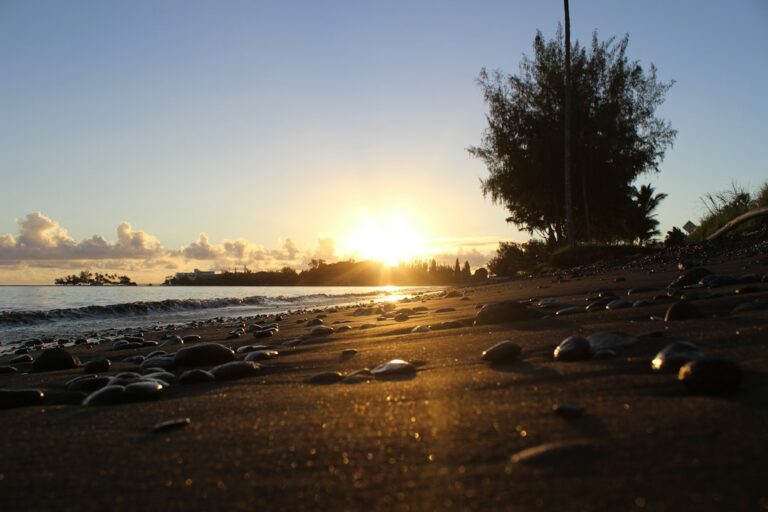
Ko Olina’s four man-made lagoons are perfect for families — calm water, clean sand, and free parking (if you get there early). White Plains Beach on the old military land is another favorite for bodyboarding and surfing. Tracks Beach (also called Kahe Point) is more rugged but great for snorkeling.
Outdoor Activities
Kapolei Golf Course and Ko Olina Golf Club serve golfers. The Ewa Villages trail system is good for biking and running. For hiking, you’re a short drive from the Waianae Range trails — Makua Cave, Ka’ena Point, and more.
Entertainment
Wet ‘n’ Wild Hawaii water park is right in Kapolei — great for kids. Paradise Cove luau is nearby at Ko Olina. And the growing dining scene means you don’t always need to drive into town for a good night out.
Pros of Living in Kapolei
- Newer housing stock: Modern homes with AC, garages, and actual storage — rare on Oahu
- More space: Bigger homes and lots than you’ll find in Honolulu
- Sunny weather: Kapolei sits on the dry leeward side, averaging 17 inches of rain per year vs. 60+ in Manoa
- Growing amenities: Shopping, dining, medical — most daily needs covered locally
- Family-friendly: Good schools, parks, and a community feel
- Rail coming: The Skyline extension will eventually make commuting painless
- Relatively affordable: By Hawaii standards, you get more for your money
Cons of Living in Kapolei
- The commute: H-1 traffic to Honolulu is no joke — plan your life around it or work locally
- Heat: Leeward side means less trade wind relief. Summers hit 90°F+ and AC is a necessity, not a luxury
- Suburban sprawl feel: If you want walkable urban living, Kapolei isn’t it (yet)
- Limited nightlife: The dining scene has grown, but don’t expect Honolulu-level nightlife
- Still expensive: “Affordable for Hawaii” is still pricey compared to anywhere on the mainland
- Construction everywhere: Ho’opili and other developments mean constant building noise and dust
Who Should Move to Kapolei?
Kapolei is ideal for:
- Families who want newer homes, good schools, and a suburban feel
- Remote workers who don’t need to commute daily
- Military families — it’s close to several bases and has a strong military community
- First-time buyers looking for the most accessible entry point into Oahu homeownership
- People who prefer sunshine over the rainy windward side
It’s probably not the best fit if you want walkable urban living, nightlife, or a short commute to downtown Honolulu. For that, check out our guide to living in Kaimukī instead.
Tips for Moving to Kapolei
- Get a Costco membership immediately. The Kapolei Costco will save you hundreds monthly on groceries and gas.
- Install solar panels. Kapolei gets tons of sun, and HECO electricity rates will eat your budget otherwise.
- Learn the back roads. Fort Weaver Road and Farrington Highway can save you time when the H-1 is jammed.
- Join community Facebook groups. Kapolei Residents and Ho’opili Community groups are active and helpful for recommendations.
- Time your commute. If you must drive to Honolulu, leaving before 6 AM or after 9 AM makes a massive difference.
- Explore Ko Olina early. The lagoon parking fills up by 9 AM on weekends. Go early or on weekdays.
Frequently Asked Questions
Is Kapolei a good place to live in Hawaii?
Yes, Kapolei is one of the best communities for families on Oahu. It offers newer homes, good schools, a sunny climate, and growing amenities at prices that are more accessible than Honolulu. The main trade-off is the commute to town, which can take 45–60+ minutes during rush hour.
How far is Kapolei from Honolulu?
Kapolei is about 20 miles west of downtown Honolulu. Without traffic, the drive takes around 25–30 minutes via the H-1 freeway. During rush hour, expect 45 minutes to over an hour. The Skyline rail extension will eventually connect the two in about 40 minutes.
Is Kapolei safe?
Kapolei is generally considered one of the safer communities on Oahu. As a newer, master-planned development, it has well-lit streets, active neighborhood associations, and lower crime rates compared to some urban Honolulu neighborhoods. Like anywhere in Hawaii, basic precautions (locking cars, not leaving valuables visible) are wise.
What is the average rent in Kapolei?
In 2026, average rent in Kapolei ranges from about $2,200–$2,800 for a one-bedroom apartment to $2,600–$3,200 for a two-bedroom. Three-bedroom houses typically rent for $3,200–$4,000 per month. These prices are slightly lower than central Honolulu but still well above mainland averages.