Thinking about making a big move and torn between Hawaii and Arizona? You’re not alone. Both states attract newcomers with warm weather, stunning natural beauty, and a laid-back vibe. But that’s where the similarities end. Hawaii offers tropical island life surrounded by ocean, while Arizona delivers desert landscapes with wide-open spaces and big-city conveniences.
As someone living in Hawaii, I get asked this question a lot — especially from mainlanders who want sunshine year-round without the brutal winters. So let’s break down how these two states actually compare across everything that matters: cost of living, climate, jobs, lifestyle, and more.
Cost of Living: Hawaii vs Arizona
This is the biggest differentiator, and it’s not even close. Hawaii is the most expensive state in the U.S. with a cost-of-living index around 165 — roughly 65% above the national average. Arizona sits just slightly below the national average, making it one of the more affordable Sun Belt states.
Here’s how specific costs compare between Honolulu and Phoenix (based on 2026 data from Numbeo):
Housing
Housing is where you’ll feel the difference most. The median home price in Honolulu hovers around $750,000 to $800,000, while Phoenix median home prices sit closer to $400,000–$430,000. Rent follows a similar pattern — a one-bedroom apartment in Honolulu runs about $1,800–$2,200 per month, compared to $1,100–$1,400 in Phoenix. That’s roughly 36% cheaper rent in Arizona.
If you’re looking for affordable options in Hawaii, check out our guide to the cheapest places to live in Hawaii — areas like Waianae on Oahu or Hilo on the Big Island can stretch your dollar further.
Groceries and Everyday Expenses
Groceries in Hawaii cost about 34% more than in Phoenix. A gallon of milk in Honolulu runs over $7, while you’ll pay around $3.50 in Phoenix. Bananas — which you’d think would be cheap in tropical Hawaii — cost roughly $2.20/lb compared to under $1/lb in Arizona. Everything on the islands needs to be shipped in, and that markup hits your wallet every single grocery run.
Dining out is also pricier in Hawaii. A casual lunch runs $20–$25 in Honolulu versus $15–$20 in Phoenix. A nice dinner for two? Expect $120+ in Honolulu compared to about $90 in Phoenix.
Utilities and Transportation
Hawaii has the highest electricity rates in the nation — around $0.35–$0.43 per kWh compared to Arizona’s $0.12–$0.14 per kWh. That said, you’ll rarely need heating in Hawaii, and many homes skip air conditioning entirely thanks to trade winds. In Arizona, running your AC from May through October is basically non-negotiable, which drives up summer electric bills significantly.
Gas prices in Hawaii typically run $1–$1.50 more per gallon than Arizona. On the flip side, distances in Hawaii are much shorter — you can drive across most islands in under two hours.
Climate and Weather Comparison
Both states deliver plenty of sunshine, but the feel is completely different.
Hawaii’s Climate
Hawaii has a remarkably consistent tropical climate. Average temperatures range from about 75°F in winter to 85°F in summer. The trade winds keep things comfortable most of the year, and humidity is moderate compared to places like Florida. There are really only two seasons: a dry season (May–October) and a wet season (November–April), though “wet” usually just means brief afternoon showers on the windward side.
The biggest weather perk? No extremes. No blizzards, no ice, no 115°F scorchers. The temperature rarely drops below 65°F or climbs above 90°F at sea level.
Arizona’s Climate
Arizona is a different beast entirely. Phoenix averages 299 sunny days per year and is one of the sunniest cities on Earth. Winters are gorgeous — 60s to 70s from November through March, which is exactly why snowbirds flock there.
But summer in Phoenix is brutal. We’re talking 100–115°F from June through September, with overnight lows barely dipping below 85°F. The famous “but it’s a dry heat” defense has its limits when your car steering wheel can literally burn your hands. Northern Arizona (Flagstaff, Sedona) offers cooler temperatures but gets real winter weather including snow.
Natural Disaster Risk
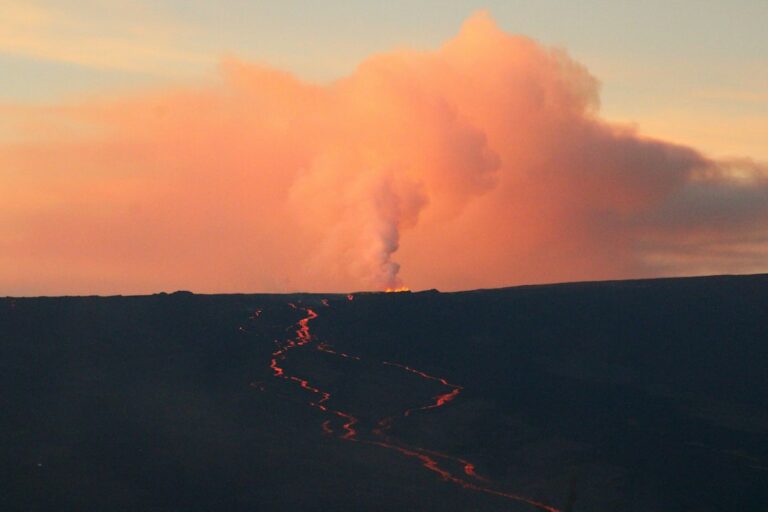
Hawaii faces hurricane season (June–November), though direct hits are rare. Volcanic activity on the Big Island is an ongoing reality — the 2018 Kilauea eruption displaced entire communities. Earthquakes happen occasionally, and flooding can be a concern in certain areas.
Arizona deals with extreme heat (the #1 weather-related killer), dust storms (haboobs), flash flooding during monsoon season (July–September), and wildfires. Both states have risks, but they’re very different in nature.
Taxes: A Split Decision
Here’s where things get interesting:
- Income Tax: Hawaii has one of the highest state income tax rates in the country, with a top marginal rate of 11% on income over $200,000. Arizona has a flat income tax rate of 2.5% — one of the lowest in the nation.
- Property Tax: Hawaii actually wins here with the lowest effective property tax rate in the U.S. at just 0.29%. Arizona’s rate is higher at around 0.62%, though still below the national average.
- Sales Tax: Hawaii charges a General Excise Tax (GET) of 4%–4.5% (applied to businesses, but usually passed on to consumers). Arizona’s combined sales tax can range from 5.6% to over 10% depending on the city.
- No surprise taxes: Neither state has an estate or inheritance tax.
Bottom line: If you earn a high income, Arizona is significantly friendlier on your tax bill. If you own expensive property, Hawaii’s low property tax rate helps offset the higher home prices somewhat.
Jobs and Economy
Hawaii’s Job Market
Hawaii’s economy is heavily dependent on tourism, military, and government. These three sectors account for a massive chunk of employment. The unemployment rate tends to hover around 3–4%, and while jobs are available, salaries often don’t keep pace with the cost of living.
Major employers include the U.S. military (Joint Base Pearl Harbor-Hickam is huge), the State of Hawaii, Hawaiian Airlines, and the healthcare sector. Remote work has been a game-changer — if you can bring a mainland salary to Hawaii, the math works much better. For more details, read our complete guide to moving to Hawaii.
Arizona’s Job Market
Arizona, particularly the Phoenix metro area, has a much more diversified economy. Tech companies like Intel, Apple, and Taiwan Semiconductor (TSMC) have major operations there. Healthcare (Banner Health, Mayo Clinic), finance (American Express, Charles Schwab), and aerospace (Raytheon, Boeing) all have a significant presence.
Phoenix has been one of the fastest-growing metros in the U.S. for the past decade, and job growth continues to outpace the national average. Average salaries are lower than coastal cities but go much further given the lower cost of living.
Lifestyle and Culture
Living the Hawaii Life
Hawaii offers something you genuinely can’t get anywhere else on U.S. soil — an island lifestyle rooted in Polynesian culture. The aloha spirit is real (most of the time). Life moves slower. People are friendlier. You’ll learn to take your shoes off before entering someone’s home, appreciate a good plate lunch, and understand that “island time” isn’t just a cliché.
Outdoor activities are unmatched: surfing, snorkeling, hiking volcanic ridges, paddleboarding at sunrise. The natural beauty is staggering and never gets old. The food scene is incredible too — poke, loco moco, fresh fish, and a fusion of Asian, Polynesian, and American cuisines you won’t find anywhere else.
The downsides? Island fever is real. The isolation can wear on you. Finding your community takes time, especially if you’re not from there. And the “mainland vs. local” dynamic is something you’ll need to navigate with respect and patience. Our guide to choosing the best Hawaiian island can help you find the right fit.
Living the Arizona Life
Arizona offers a classic American Southwest lifestyle. Phoenix is a sprawling modern city with major sports teams (Cardinals, Suns, Diamondbacks), excellent restaurants, breweries, and a growing arts scene. Scottsdale has upscale dining and shopping. Tempe brings college-town energy (Arizona State University).
Outdoor recreation is different but equally impressive: hiking Camelback Mountain, exploring Sedona’s red rocks, mountain biking in the Superstitions, or road-tripping to the Grand Canyon. The desert landscape has a raw, dramatic beauty — especially at sunrise and sunset.
Culturally, Arizona is more typically “American West” with strong Hispanic/Mexican influences, especially in food. The state is politically more conservative than Hawaii and has a very different demographic makeup. One advantage: you’re driving distance from Las Vegas, Los Angeles, San Diego, and Mexico.
Healthcare and Education
Healthcare
Hawaii consistently ranks as one of the healthiest states in the nation, partly because of the Hawaii Prepaid Health Care Act — the only state that requires employers to provide health insurance to employees working 20+ hours per week. Life expectancy in Hawaii is the highest in the U.S.
Arizona has solid healthcare infrastructure, especially in Phoenix (Mayo Clinic, Banner Health, HonorHealth), but the state ranks lower overall in health outcomes and insurance coverage rates.
Education
Arizona’s education system has struggled with funding and consistently ranks in the bottom tier nationally. Hawaii has a unique statewide school district (the only state to do so), which has its own challenges but provides more uniform funding. Neither state is an education powerhouse, but Hawaii’s outcomes are generally better, particularly for public schools.
For higher education, Arizona has Arizona State University (one of the largest and most innovative in the U.S.) and the University of Arizona in Tucson. Hawaii has the University of Hawaii system, which is strong in marine science, astronomy, and Pacific studies.
Who Should Choose Hawaii?
Hawaii is the better fit if you:
- Work remotely and earn a mainland-level salary
- Prioritize natural beauty, ocean access, and outdoor lifestyle
- Value cultural diversity and a tight-knit community
- Don’t mind paying a premium for a unique quality of life
- Want consistent, mild weather year-round with no extremes
- Are okay with being 2,500 miles from the nearest continent
If you’re seriously considering the move, start with our complete cost of living breakdown to make sure the numbers work for your situation.
Who Should Choose Arizona?
Arizona is the better fit if you:
- Want an affordable lifestyle in a growing metro area
- Need access to a diverse job market with strong tech/healthcare sectors
- Prefer a lower tax burden, especially on income
- Want the ability to drive to other major cities and states
- Love desert landscapes and don’t mind intense summer heat
- Want more space — bigger homes, bigger lots, bigger everything
Frequently Asked Questions
Is it cheaper to live in Arizona or Hawaii?
Arizona is significantly cheaper. The overall cost of living in Phoenix is about 30% lower than Honolulu when you include rent. Housing alone is roughly 50-60% cheaper in Arizona. Groceries, dining, and utilities are all substantially less expensive in Arizona as well.
Which state has better weather — Hawaii or Arizona?
It depends on your definition of “better.” Hawaii offers the most consistent, comfortable weather in the U.S. with year-round temperatures between 75–85°F and no extreme heat or cold. Arizona has more sunny days but summers are brutally hot (100–115°F in Phoenix). If you hate extreme heat, Hawaii wins. If you love warm, dry winters and don’t mind scorching summers, Arizona is great.
Can I afford to move from Arizona to Hawaii?
You’ll need to earn roughly 40–60% more in Hawaii to maintain the same standard of living you have in Arizona. A household earning $80,000 in Phoenix would need approximately $115,000–$130,000 in Honolulu to live comparably. Remote workers bringing Arizona or mainland salaries to Hawaii have a significant advantage.
Is Hawaii or Arizona better for retirees?
Both are popular retirement destinations. Arizona wins on affordability and has established retirement communities (Sun City, Green Valley). Hawaii wins on health outcomes, weather consistency, and lifestyle — and its low property tax rate (0.29%) benefits retirees who own their homes. The right choice depends largely on your retirement budget and lifestyle priorities.