Haiku sits on Maui’s rain-soaked north shore, roughly 12 miles east of Kahului Airport and about 4 miles inland from the Hana Highway’s zero-mile marker in Paia. Households researching where to base themselves before a Road to Hana push often gravitate here because the town’s upcountry position shaves nearly an hour off the pre-dawn drive to Twin Falls, the first waterfall stop east of mile marker 2.
The tradeoff is climate. Haiku catches trade-wind orographic rainfall between 60 and 100 inches per year depending on elevation, while Paia, four miles down slope, stays drier and closer to sea-level humidity. That gap shapes wardrobe choices, mold sensitivity, and whether an evening lanai feels muggy or crisp.
This article compares Haiku to alternative Maui bases, maps drive times to major Hana Highway landmarks, breaks down Maui County’s short-term rental permit categories, and lays out what a research-oriented traveler should verify before booking. Every figure below reflects publicly available data from Hawaii state agencies and Maui County records rather than personal visits.
Why Haiku Works as a Hana Highway Pre-Launch Base
The Road to Hana officially begins where Hana Highway (Route 36) transitions into Route 360 at mile marker 0, just past the Paia sugar mill. From there, drivers cover 52 winding miles, 59 bridges, and roughly 620 curves to reach Hana town. Starting from Haiku, rather than Wailea or Kaanapali, removes 30 to 55 minutes of pre-route driving.
That head start matters because popular waterfall stops thin out by 10:00 a.m. Guides and rental-car tour vans arriving from West or South Maui typically clear Kahului by 8:30, meaning a Haiku-based traveler pulling into the Twin Falls lot at 8:00 encounters half the crowd. The Paia-to-Hana fuel cadence article tracks gas-station spacing along the route for anyone worried about the 44-mile stretch with no pumps east of Paia.
Kahului Airport (OGG) sits 12 miles west of Haiku via Hana Highway. Late-arriving guests can pick up a rental car, stop at Costco or Target for provisions, and reach a Haiku vacation rental within 30 to 40 minutes off-peak. Peak-hour traffic between the airport and Paia adds 10 to 15 minutes on weekday afternoons.
Twin Falls trailhead: the four-mile advantage
The Twin Falls parking area sits at mile marker 2 of Hana Highway 360, roughly 4.2 miles east of central Haiku via Kaupakalua Road and Ulumalu Road, or 6 miles via Hana Highway through Paia. Drive time from a Haiku rental to the trailhead runs 8 to 12 minutes depending on route choice and morning traffic through Haiku town.
The trail itself is short. Lower Twin Falls sits about a quarter mile from the lot; upper Twin Falls adds another half mile of muddy switchbacks. Closed-toe shoes with tread perform far better than flip-flops. Trail conditions after overnight rain resemble the same slick red clay described in the Manoa Falls footwear guide from Oahu.
A $10 cash donation at the entry booth supports the private landowner. Bring small bills; there is no card reader. Restrooms are portable and limited, so most travelers use their rental’s plumbing before leaving Haiku.
Drive Times From Haiku to Hana Highway Landmarks
The following figures reflect off-peak morning conditions (6:30 to 8:00 a.m.) with no active construction stops. Weekend traffic through Paia can add 5 to 10 minutes at either end.
| Landmark | Mile Marker | Miles from Haiku | Drive Time |
|---|---|---|---|
| Twin Falls trailhead | MM 2 | 4-6 | 8-12 min |
| Waikamoi Ridge Trail | MM 9 | 13 | 25-30 min |
| Garden of Eden Arboretum | MM 10 | 14 | 28-33 min |
| Ke’anae Peninsula | MM 16 | 20 | 45-55 min |
| Wailua Falls | MM 45 | 49 | 2 hr 15 min |
| Hana town | MM 51 | 55 | 2 hr 30 min |
| Pipiwai / Oheo Gulch | MM 42 past Hana | 65 | 3 hr 15 min |
Households planning to hike the full Pipiwai bamboo forest trail should recognize that a Haiku start still means 6 to 7 hours of round-trip driving to Kipahulu before any hiking. Some travelers split the drive with an overnight in Hana, an option explored in the Hana overnight lodging analysis.
The Haiku Microclimate: Rain, Mist, and Elevation Bands
Haiku spans an elevation ladder from roughly 250 feet at Kaupakalua to 1,400 feet where the town blends into Makawao and Kokomo. Rainfall increases with elevation. Lower Haiku averages 55 to 70 inches annually; upper Haiku near Kokomo Road climbs to 90 to 100 inches. Paia records 25 to 35 inches at sea level, and Kihei sits below 12 inches.
Temperatures stay mild year-round. Overnight lows dip to 62-65°F between December and March; summer highs reach 82-84°F in August. The upcountry position keeps daytime readings 3 to 6°F cooler than Paia and 7 to 10°F cooler than Kihei. Relative humidity often stays between 78% and 88% at night, which affects sleep comfort and mold risk.
Morning mist and afternoon clearing
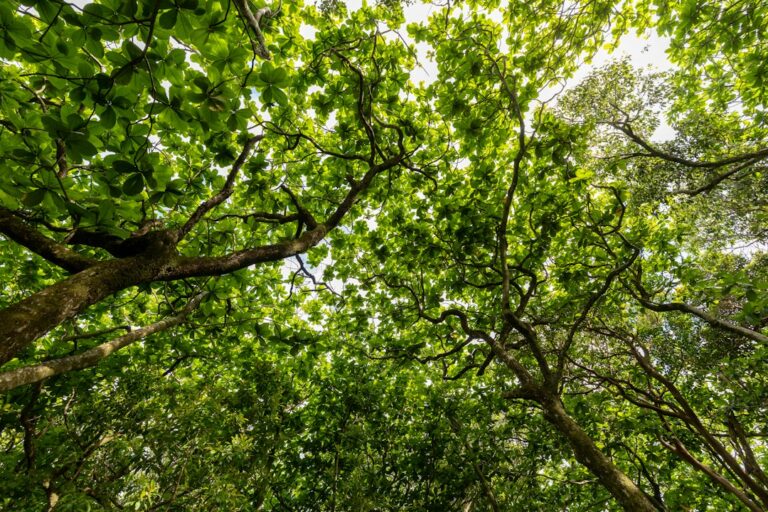
The classic Haiku weather pattern involves overnight showers, a mist-shrouded 6:30 a.m. wake-up, and clearing skies by 10 a.m. Trade winds push moisture-laden air uphill from the north shore; when it meets Haleakala’s slopes, condensation forms. Mornings feel cool and green. Afternoons often break sunny, though brief passing squalls remain common between November and March.
Air-quality tracking from the Hawaii Department of Health shows the north shore consistently among the state’s cleanest zones because trade winds displace pollutants offshore before they accumulate. Vog drift from Kilauea on the Big Island rarely reaches Maui’s windward flank.
Mold, moisture, and rental durability
Sustained humidity above 70% encourages mold growth on soft goods left in unventilated rooms. Well-maintained Haiku rentals run dehumidifiers or ceiling fans continuously; older properties without those measures develop musty smells. Travelers with mold or dust-mite sensitivities should ask hosts whether HVAC includes dehumidification and whether bedding is stored in sealed containers between bookings.
The same climate that produces lush rain-forest scenery also degrades leather, electronics, and paper. Locals store shoes in ventilated closets and avoid leaving suitcases open on carpet. A weekend stay carries minimal risk; a two-week research trip may warrant packing shoes in breathable bags.
Haiku vs Paia: Rain Forest or Beach
Paia sits on the coast, 4 miles down slope from Haiku. The town’s advantages include walking access to Baldwin Beach, the surf shops on Baldwin Avenue, and the food-truck cluster near Baldwin Park. Drawbacks include tighter parking, higher nightly rates in walkable rentals, and stronger salt-air corrosion on vehicles left uncovered.
Haiku offers quieter nights, cooler temperatures, and more square footage per dollar. The tradeoff is the drive: any beach outing requires 12 to 20 minutes down Kaupakalua Road and back up. Sunset drivers heading home to Haiku often hit heavy mist by the time they climb past 500 feet elevation, which can spook first-time visitors driving rentals with unfamiliar high beams.
| Attribute | Haiku | Paia |
|---|---|---|
| Elevation range | 250-1,400 ft | 0-40 ft |
| Annual rainfall | 55-100 in | 25-35 in |
| Overnight low (January) | 62°F | 66°F |
| Daytime high (August) | 82°F | 87°F |
| Miles to Twin Falls | 4-6 | 8-9 |
| Miles to Kahului Airport | 12 | 8 |
| Walkable to beach | No | Yes |
| Median 2-BR nightly rate | $285 | $395 |
Households with children who want daily beach access often prefer Paia or one of the resort corridors. Households prioritizing an early Hana launch, cooler evenings, and more privacy per dollar select Haiku. The rain-forest ambiance also suits travelers who plan to spend most daylight hours away from the rental anyway.
Vacation Rental Permit Compliance Under Maui County Ordinance
Maui County regulates short-term rentals (STRs) through a permit system that distinguishes between properties inside designated visitor zones and those outside them. Rentals under 30 nights in non-visitor zones require either a Short-Term Rental Home (STRH) permit or a Bed and Breakfast Home (BBH) permit. Both carry annual caps by district.
Haiku falls almost entirely outside designated visitor zones. Legal short-term rentals here operate under STRH or BBH permits issued through the Maui County Department of Planning. Unpermitted listings for stays under 30 days violate ordinance and expose owners to fines of $20,000 or more per violation, sometimes assessed per day.
How to verify a listing is compliant
Maui County publishes a searchable database of active STRH and BBH permits. Prospective guests can enter the property’s tax map key (TMK) or street address to confirm the permit number matches. Listings on Airbnb and VRBO are required to display the permit number in the description. A missing number often signals an unpermitted rental.
The distinction matters legally and financially. If the county shuts down an unpermitted rental during a guest’s stay, the guest has limited recourse and may face last-minute displacement. Similar dynamics play out on a neighboring island, as detailed in the Kauai TVR use permits analysis, though Kauai’s zoning categories differ.
Taxes collected at booking
Legal Maui STRs collect Hawaii’s Transient Accommodations Tax (TAT) at 10.25%, the Maui County TAT at 3%, and the General Excise Tax (GET) at 4.712%. Combined, taxes add 17.962% to the base rate. State tax rules are published on the Hawaii Department of Taxation website. A $300 nightly rate becomes roughly $354 before cleaning fees.
Stays of 30 nights or more are exempt from TAT because they no longer meet the transient definition. Some Haiku hosts offer month-plus rates that drop 15 to 25 percent because the tax burden shifts. Research-oriented travelers weighing relocation should compare monthly rentals against nightly totals when planning stays over three weeks.
Lodging Selection: What to Look For in a Haiku Rental
Haiku rentals cluster into three broad categories: cottage-on-property units behind a main house, standalone farm cottages on 1-to-5-acre parcels, and larger houses closer to Makawao. Cottages behind main houses often carry BBH permits; standalone farm cottages more commonly hold STRH permits. Multi-unit compounds sometimes hold neither and operate in a gray zone.
The property featured on our lodging affiliate card matches the profile most research-oriented travelers seek: a permitted cottage within 10 minutes of Twin Falls, with dehumidified interior, off-street parking, and screened windows for cross-ventilation. Households can compare that listing against the broader Haiku inventory to gauge value and permit status before booking.
Amenities that matter in a rain-forest microclimate
- Covered lanai or breezeway for wet-gear drying after Twin Falls hikes.
- Whole-house dehumidifier or robust HVAC with dry-mode cycling.
- Screened windows plus ceiling fans to reduce mold risk overnight.
- Blackout curtains for sunrise sleep-ins after long Hana drives.
- Off-street parking on paved or gravel surface, not muddy grass.
- Outdoor rinse-off shower for muddy trail shoes and salt feet.
- Reliable cellular signal on Verizon or T-Mobile (AT&T is weaker).
- Coffee grinder and French press for pre-dawn Hana launches.
Amenities that matter less than listings suggest
- Air conditioning: rarely needed above 500 feet elevation.
- Hot tubs: expensive to heat given cool nights and moisture.
- Ocean view: dense Haiku foliage blocks most sightlines.
- Pool: cold water year-round without heater; often decorative.
Costs: Nightly Rates, Groceries, and Fuel
Haiku rental rates track 20 to 35 percent below Paia and 40 to 55 percent below Wailea for comparable bedroom counts. A 2-bedroom Haiku cottage in June typically ranges from $220 to $340 per night before taxes and cleaning fees. Cleaning fees run $150 to $275 per stay, which favors longer bookings over one-night flashes.
Grocery prices sit close to Maui averages. Foodland Farms in Pukalani (10 minutes uphill) and the Haiku Marketplace Foodland (5 minutes) supply most needs; Costco Kahului requires a 25-minute drive. The Maui cost of living breakdown lays out typical weekly grocery budgets by household size and the BLS Honolulu-area CPI series tracks price trends statewide.
Fuel and driving distance
Haiku has no gas station within the town itself. Nearest pumps sit at the Chevron and Minit Stop in Paia (5 miles), the Aloha Gas on Baldwin Avenue in Makawao (6 miles), and the 76 station in Pukalani (8 miles). EIA weekly fuel data shows Hawaii regular gasoline averaging $4.85 to $5.20 per gallon during recent months.
A Hana Highway round trip from Haiku burns roughly 6 to 8 gallons in a compact SUV, or $30 to $42 at current rates. Filling up in Paia before the drive matters because pumps thin out east of Haiku; the next reliable stations sit in Hana town itself, 52 miles into the route.
| Base Location | 2-BR Nightly (median) | Miles to Twin Falls | Miles to OGG | Walkable Beach |
|---|---|---|---|---|
| Haiku | $285 | 4-6 | 12 | No |
| Paia | $395 | 8-9 | 8 | Yes |
| Kihei | $310 | 34 | 10 | Yes |
| Kaanapali | $475 | 44 | 28 | Yes |
| Wailea | $650 | 38 | 16 | Yes |
| Hana town | $325 | 50 east | 62 | Partial |
A Sample Three-Night Haiku Itinerary Built Around Hana
Three nights allows one full Hana drive, one recovery day for Twin Falls and beach time, and one flex day for upcountry exploration or weather delays. Two nights works if travelers accept skipping recovery.
Day 1: Arrival and Twin Falls warm-up
Arrive OGG by mid-afternoon, pick up the rental car, stop at Costco Kahului for groceries, and reach the Haiku rental by 5 p.m. Walk the lower Twin Falls trail before sunset (30 minutes round trip) to test trail conditions and shake off travel fatigue. Dinner at Colleen’s at the Cannery in Haiku or one of the food trucks in Paia.
Day 2: Full Hana Highway push
Depart Haiku by 6:30 a.m. Reach Twin Falls upper section by 7:15 for solo photography. Continue east, stopping at Waikamoi Ridge, Ke’anae Peninsula banana bread, Wai’anapanapa State Park (advance reservation required), and Hana town by early afternoon. Some travelers loop back via the Piilani Highway back road; others retrace Route 360 in the softening light.
Day 3: Recovery, beach, upcountry
Sleep in until 8 a.m. Morning: coffee in Makawao, then the Iao Valley Needle stop if weather cooperates. Afternoon: Baldwin Beach in Paia, sunset from the Ho’okipa lookout to watch surfers and green sea turtles rest on the sand. Return to Haiku for a quiet last evening on the lanai.
Relocation Research: Using a Vacation Stay to Test-Drive Haiku
Households considering permanent moves to Maui increasingly book Haiku vacation rentals as low-commitment reconnaissance. A week in a rental reveals microclimate tolerance, drive-time reality, and daily-life friction points that a single day trip cannot surface.
The Haiku relocation deep-dive covers water-well disclosure, catchment tanks, and the private-road maintenance covenants that shape ownership costs. Households comparing upcountry options should also read the Kula relocation analysis for the 2,500-4,000 ft elevation band where evenings drop below 55°F.
What a research stay should test
- Cellular and internet reliability during business hours.
- Overnight noise from roosters, coqui frogs, and rain on metal roofs.
- Drive time to Kahului medical facilities during rush hour.
- Grocery cadence and preferred store rotation across a week.
- Humidity tolerance across dry and wet week variations.
- Mold response on shoes, luggage, and portable electronics.
- Neighborhood safety after dark for evening walks or runs.
Practical Logistics: Getting to Haiku and Getting Around
Airport arrival and rental cars
Kahului Airport handles all major inbound flights to Maui. The rental car facility sits 1.5 miles from the terminal, connected by a shuttle running every 5 minutes. Book 4WD or AWD if planning any Piilani Highway or upcountry dirt-road exploration; a standard compact car handles Hana Highway 360 itself without issue in fair weather.
Weekend afternoon returns can back up rental-return lanes for 45 to 90 minutes. Departing travelers should return vehicles 2.5 hours before flight time on Saturdays and Sundays. Hawaii DOT publishes traffic advisories that flag Hana Highway construction and temporary road closures for washouts.
Groceries and provisions
Haiku’s main grocery hub sits at Haiku Marketplace on Haiku Road, anchored by a small Foodland. Fresher produce and specialty items require driving to Foodland Farms Pukalani or Down to Earth in Kahului. Farmers markets rotate through Upcountry on Wednesday afternoons in Kula and Saturday mornings in Makawao.
Wine, beer, and cocktail supplies come from the Haiku Marketplace liquor store or Foodland Pukalani. Costco Kahului is worth one stop on arrival for bulk snacks, sunscreen, and case water. Tap water in Haiku is potable but often heavily filtered or delivered via catchment; travelers should ask the host before drinking from the tap.
Weather, Seasonality, and When to Book
Peak season pressure
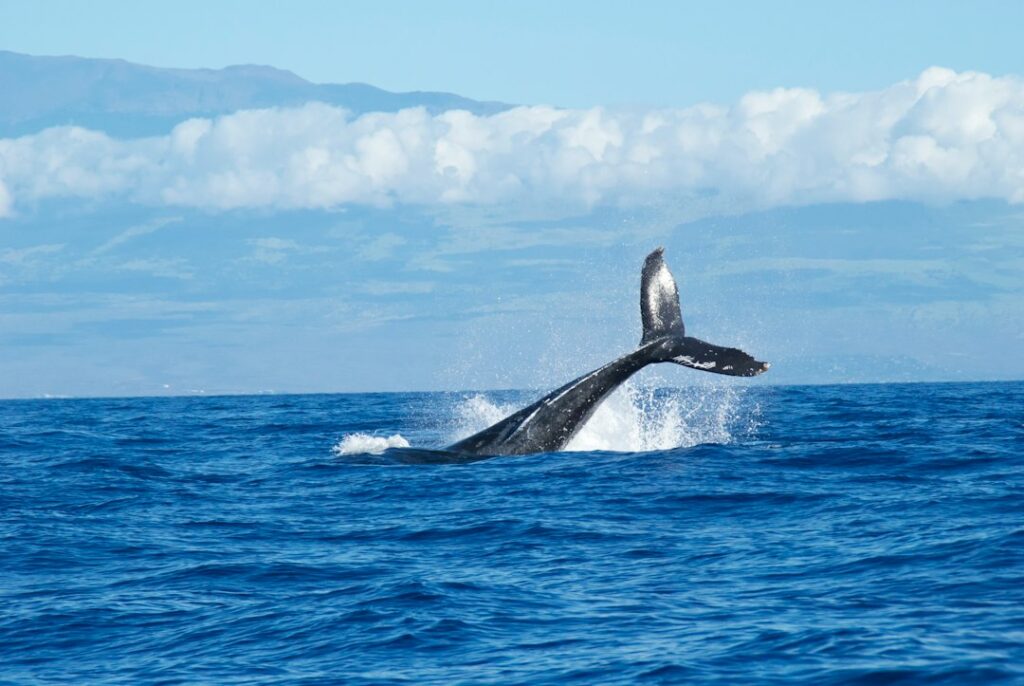
Maui’s high season runs December through mid-April, driven by mainland winter escape demand. Haiku nightly rates rise 20 to 40 percent during this window, and 2-bedroom cottages book 6 to 10 months ahead. Whale-watching season (December through April) and mainland spring break (mid-March to mid-April) create the tightest inventory.
Shoulder season (late April to early June, and September to mid-November) offers the best rate-to-weather ratio. Rainfall in Haiku averages 4 to 6 inches per month in May and October, compared to 10 to 14 inches in December and January. Trade winds remain steady across all months, keeping evenings pleasant.
Wet-season considerations
Heavy rain events can close Hana Highway for hours or days at a time. State transportation crews clear rockslides and downed trees, but the two-lane road offers no meaningful detour east of Ke’anae. Travelers booking Haiku in January or February should carry travel insurance covering trip interruption and keep activities east of Twin Falls flexible.
Flash-flood advisories are issued through the National Weather Service and forwarded via county emergency alerts. Cellular carriers on Maui participate in wireless emergency alerts, so a visitor’s phone typically pings automatically. Twin Falls itself closes during active flood advisories, sometimes for 24 to 48 hours after storms.
Frequently asked questions
How far is Haiku from the Twin Falls trailhead?
Twin Falls sits 4 to 6 miles east of central Haiku, depending on route choice. Via Kaupakalua Road and Ulumalu Road, the drive covers 4.2 miles and takes 8 to 10 minutes off-peak. Via Hana Highway through Paia, the distance stretches to 6 miles and 12 to 15 minutes. Both routes remain accessible in a compact rental car under normal weather conditions.
Is Haiku better than Paia for a Hana Highway launch?
Haiku shaves 8 to 15 minutes off pre-route driving and offers cooler, quieter evenings. Paia offers walkable beach access, restaurants, and shops. Households prioritizing an early Hana start and rain-forest ambiance choose Haiku; those prioritizing beach time and pedestrian dining choose Paia. Nightly rates favor Haiku by roughly $80 to $110 for comparable 2-bedroom units.
Do vacation rentals in Haiku require permits?
Yes. Because Haiku sits outside Maui County’s designated visitor zones, legal short-term rentals under 30 nights must hold either a Short-Term Rental Home (STRH) or Bed and Breakfast Home (BBH) permit. Prospective guests can verify permit numbers through the Maui County Department of Planning database. Unpermitted listings expose owners to fines exceeding $20,000 per violation and put guests at risk of last-minute displacement.
What is the drive time from Kahului Airport to Haiku?
Off-peak drive time from OGG to central Haiku runs 25 to 30 minutes covering 12 miles via Hana Highway and Haiku Road. Weekday afternoon rush hour between 3:30 and 5:30 p.m. can extend the drive to 40 to 50 minutes because of Paia’s tight two-lane corridor. Sunday evening returns to the airport also build heavy traffic between 4 and 7 p.m.
How much rain does Haiku actually get?
Annual rainfall in Haiku ranges from 55 to 100 inches depending on elevation. Lower Haiku near Kaupakalua averages 55 to 70 inches; upper Haiku near Kokomo climbs to 90 to 100. The wettest months are December, January, and February at 10 to 14 inches each. The driest months are June through September at 2 to 4 inches. Morning mist is a near-daily feature year-round.
Do Haiku rentals need air conditioning?
Rarely. Overnight lows in Haiku sit between 62 and 68°F across all months, and elevation plus trade winds keep afternoon interiors comfortable without AC. Ceiling fans and cross-ventilation are the norm. Households sensitive to humidity should confirm the rental has a dehumidifier and screened windows. AC becomes more useful only in lower Haiku parcels under 400 feet elevation during August and September afternoons.
What taxes apply to a Haiku vacation rental booking?
Legal short-term rentals collect Hawaii’s Transient Accommodations Tax at 10.25%, Maui County TAT at 3%, and General Excise Tax at 4.712%. Combined, taxes add 17.962% to the base nightly rate. A $300 nightly rate becomes roughly $354 before cleaning fees. Stays of 30 consecutive nights or longer are exempt from TAT because they no longer meet the transient definition under state code.