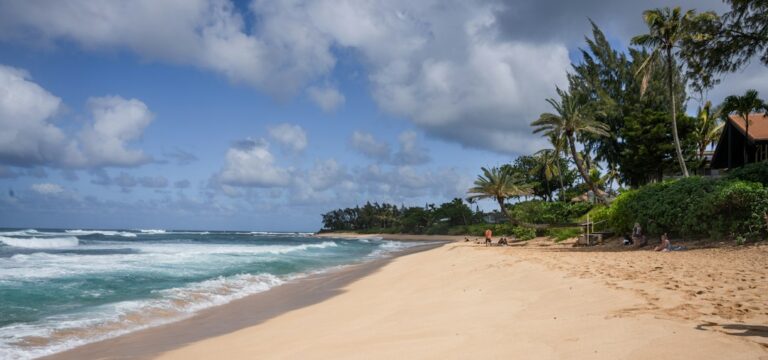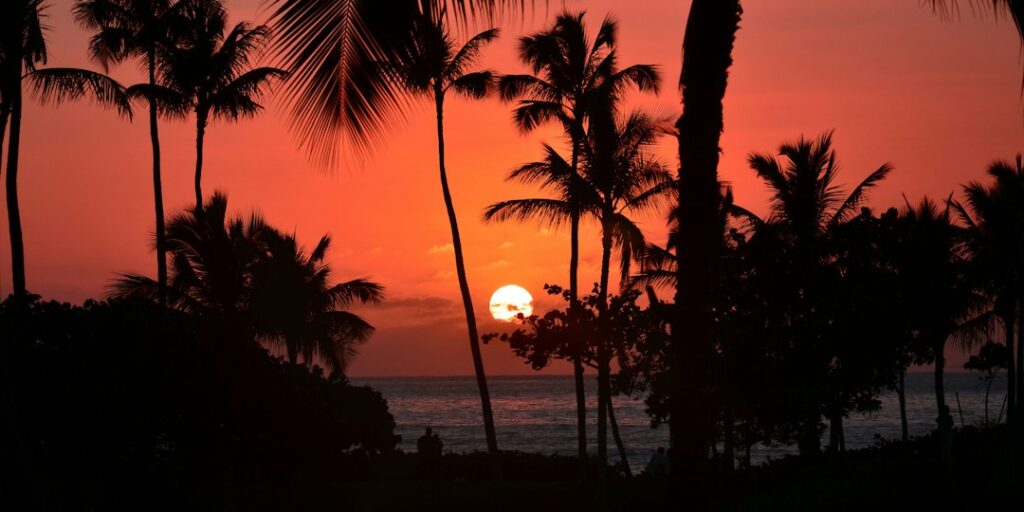
September ranks as the statistical bottom of Hawaii’s pricing calendar for airfare and hotel rates, and it arrives with ocean water still holding above 80F on every island. The month sits inside the Central Pacific hurricane season, which frightens away enough demand to move real dollars off the top of a trip budget. For research-minded travelers weighing shoulder-season windows, September is the aggressive value pick.
Two forces drive the September dip. Mainland public schools reopen in mid-August, pulling families off the roster after Labor Day. Aviation and hospitality analysts also mark September as one of the softest bookings months of the year across leisure destinations. Hawaii amplifies the pattern because hurricane headlines dominate August and September, even though a direct hit on the islands remains statistically rare.
This article covers what mainland households actually pay to visit Hawaii in September, how the weather and ocean conditions read across the four main islands, how to size the hurricane-season risk against the savings, and how September stacks against October for shoulder-season decision-making.
Why September ranks as Hawaii’s cheapest month
Three signals converge in September and rarely align this cleanly. Airfare from West Coast gateways drops sharply after Labor Day. Hotel average daily rates fall 30 to 40 percent off summer peaks. Vacation rentals lose bidding pressure. The last domestic school-vacation windows close by the second week of the month, and holiday-season demand does not begin filling calendars until early November.
None of that means Hawaii is empty. Local demand from residents, retirees, and international travelers keeps beaches populated on weekends. What thins out is the family-with-school-age-kids segment that pushes summer pricing to painful levels. That single demand curve explains why September pricing looks so different from July pricing on the same room.
What the pricing shift really means
The savings are largest on the high end. A four-night stay at a $700 summer resort might quote at $420 in September. A $250 mid-tier room might drop to $195. Percentage discounts compress at the budget end because operators need minimum ADR to cover payroll and utilities. The upgrade math changes: a family that budgeted a mid-tier room in July can often land a resort room for September at the same nightly cost.
The airfare drop in real numbers
Airfare from the U.S. mainland to Hawaii follows a predictable curve. Peak fares hit mid-June through mid-August. The first meaningful softening arrives in the last week of August, with the largest drop landing between September 8 and September 25. Departure day matters — Tuesday and Wednesday flights out of Los Angeles and Seattle in mid-September consistently price below Saturday departures on the same routes.
| Route | August roundtrip | September roundtrip | Savings |
|---|---|---|---|
| LAX to HNL | $625 | $425 | $200 |
| SEA to HNL | $710 | $465 | $245 |
| SFO to OGG (Maui) | $685 | $445 | $240 |
| DEN to KOA (Big Island) | $795 | $525 | $270 |
| ORD to HNL | $865 | $595 | $270 |
| JFK to HNL | $925 | $685 | $240 |
Those figures track publicly reported carrier fare snapshots and align with the seasonal patterns visible in Bureau of Labor Statistics Honolulu-area transportation indices. West Coast direct routes drop the most in absolute dollars because they carry the highest summer premium. East Coast routes drop meaningfully but often require Phoenix or Dallas connections that cost time.
When to book September flights
The pricing window opens sooner than most travelers expect. Fares for September start showing softness in April. The lowest fares typically appear 60 to 90 days out, so mid-June through late July is the buying window. Waiting until August rarely rewards the delay — the drop happens on inventory that gets booked quickly by travelers already watching.
Hotel ADR decline and the resort-upgrade window
Statewide hotel ADR peaks around $485 in July on the branded resort side. By mid-September, the same rooms quote in the $310 to $335 range, a drop of roughly 32 to 35 percent. The steepest markdowns hit Ka’anapali, Wailea, and Ko Olina resorts that lean heavily on family bookings. Waikiki drops less on percentage terms because business and international demand supports it year-round.
| Area | July ADR | September ADR | % off peak |
|---|---|---|---|
| Waikiki (Oahu) | $385 | $285 | 26% |
| Ko Olina (Oahu) | $625 | $425 | 32% |
| Ka’anapali (Maui) | $685 | $445 | 35% |
| Wailea (Maui) | $895 | $595 | 34% |
| Poipu (Kauai) | $525 | $355 | 32% |
| Kohala Coast (Big Island) | $725 | $485 | 33% |
Beyond posted rates, September opens loyalty-tier and package deals that summer never sees. Fifth-night-free promotions, resort-credit stacking, and free-parking waivers appear because occupancy targets slip below 70 percent at many properties. Travelers comparing Hawaii vacation rentals against hotels should note that rentals lose less pricing power in September, so hotels close the gap.
Hawaii’s combined transient accommodations tax and general excise tax run around 18 percent on hotel stays. The Hawaii Department of Taxation publishes current rates. A $285 September room quote in Waikiki lands at approximately $336 with taxes and typical resort fees folded in, so the sticker still deserves the calculator treatment.
September weather across the islands
Air temperatures in September run 82 to 88F at coastal elevations across all four main islands. Overnight lows sit at 72 to 74F. Trade winds hold at 12 to 18 mph through most of the month, with two to four days of weaker or reversed flow that produces vog on the leeward Big Island and Maui coasts. Rainfall is regional, not general.
| Location | Avg high (F) | Avg low (F) | Rainfall | Water temp |
|---|---|---|---|---|
| Honolulu (Oahu) | 88 | 74 | 0.6″ | 81F |
| Kahului (Maui) | 88 | 72 | 0.5″ | 81F |
| Lihue (Kauai) | 85 | 72 | 1.5″ | 80F |
| Princeville (Kauai) | 82 | 72 | 2.5″ | 80F |
| Kona (Big Island) | 87 | 71 | 0.8″ | 82F |
| Hilo (Big Island) | 84 | 70 | 7.8″ | 81F |
Ocean temperatures peak in September and early October — around 81 to 82F on most leeward coasts, warmer than any other month. Water clarity peaks on the Big Island’s Kona coast and on Kauai’s south-shore reefs, where Poipu and Lawai Beach often deliver 60-foot visibility on calm mornings before afternoon trade-wind ripple sets in.
Surf and ocean patterns
September flips Hawaii’s surf calendar. North shores across all islands stay flat, safe for family swimming, with sets rarely topping three feet at Ke’e, Ha’ena, or Waimea Bay. South shores catch the tail of Southern Hemisphere swells that peak in July and August but still deliver clean six-to-eight-foot sets on Oahu’s south shore and Maui’s Kihei-Wailea coast. The Kauai shoulder-season swell pattern analysis matches this reversal.
Daylight and sunset
Sunrise on Oahu falls at approximately 6:20 AM at the start of the month and 6:26 AM by September 30. Sunset moves from 6:52 PM on September 1 to 6:24 PM on September 30. Daylight length runs 12 hours 32 minutes at the start of the month and 12 hours 5 minutes at the end — enough for two beach sessions and an evening restaurant slot on the same day.
Hurricane season framed with real risk numbers
Central Pacific hurricane season officially runs June 1 through November 30, with peak activity mid-August through mid-September. Hawaii averages four to five named storms passing through the Central Pacific basin per year, but direct hits on inhabited islands remain rare — Hurricane Iniki in 1992 was the last hurricane to cause major landfall damage anywhere in the state.
That statistical framing matters. A September trip to Hawaii is not a September trip to the Caribbean or Gulf of Mexico. Storms most often track south of the island chain or dissipate as they cross cooler waters approaching the state. The Hawaii hurricane season preparation guide covers named-storm tracking, evacuation logistics, and how travel insurance underwriters treat named-storm cancellations.
What actually happens when a storm approaches
Even a near-miss creates operational disruption. Flights get rerouted, resort pools close, snorkel tours cancel one to three days ahead of any tropical warning. That risk — not landfall risk — is the practical September concern. Travelers who book September trips almost always want a refundable hotel rate and travel insurance with named-storm coverage that binds before the storm gets named.
Booking-window insurance rules
Named-storm coverage on standard travel insurance requires the policy to be in force before the storm receives a name from the National Hurricane Center. Buying insurance the morning a storm gets named does not cover that storm. The practical rule: purchase coverage within 14 days of the initial trip deposit, and add cancel-for-any-reason if the trip cost exceeds $5,000.
Crowd relief once school reopens
Hawaii Department of Education schools start in early August, and mainland schools follow within two to three weeks. By September 8, families with school-age children have essentially vacated the vacation-rental and mid-tier resort pools. Retirees, remote workers, and international travelers remain, but the demographic that drives peak-season chaos is gone.
Practical crowd markers change fast. Waikiki Beach at 10 AM in July requires arriving before 8 AM to claim beach space. In September, the same square of sand is available at 10:30 AM. Hanauma Bay reservation slots that book two weeks out in summer open two to three days out. Road to Hana traffic drops noticeably — the Road to Hana self-drive versus guided tour decision tilts toward self-drive when parking pressure eases.
Restaurant reservation windows
High-demand restaurants (Mama’s Fish House on Maui, Merriman’s on the Big Island, Beach House on Kauai) require reservations 60 to 90 days out during summer. In September, those same restaurants often accept walk-ins for early seatings, and OpenTable slots appear four to seven days out. That single change alters trip planning: less pre-booking pressure, more day-of flexibility around weather.
Island-by-island decision for September
September rewards different islands differently. Rainfall shifts, swell patterns, hurricane risk profiles, and infrastructure resilience are not identical across the four main islands. The month favors leeward coasts on every island — Kona side on the Big Island, west and south Maui, west and south Oahu, and south Kauai — because trade-blocked windward valleys catch the passing showers.
Oahu in September
Oahu delivers the flattest September pricing and the highest infrastructure resilience if a storm approaches. Waikiki hotels drop 25 to 30 percent from July rates. Hanauma Bay water clarity peaks. South-shore surf is still active but manageable for confident swimmers. Family-friendly Oahu beaches like the Ko Olina lagoons stay calm all month, with lifeguard coverage the whole day.
Maui in September
Maui posts the largest hotel discounts because it leans hardest on family vacation demand. Wailea and Ka’anapali resorts drop 34 to 35 percent. The Road to Hana is drivable with less traffic. Snorkel conditions at Molokini remain excellent. Vog is the most common September nuisance on Maui — a two-to-four day event that hazes visibility. See the Maui month-by-month analysis for county-fair scheduling.
Kauai in September
Kauai offers the widest swing between north-shore quiet and south-shore activity. Poipu delivers 80F water and 60-foot snorkel visibility. Hanalei stays calm — a rare window when north-shore swimming is generally safe. Rainfall in Princeville still averages 2.5 inches for the month. The best snorkeling on Kauai ranking flags September as the water-clarity peak for south-shore reefs.
Big Island in September
The Big Island offers the widest microclimate spread and the smallest airfare discounts because summer never hits Big Island pricing as hard. Kona-side rainfall drops to 0.8 inches for the month. Hilo still averages 7.8 inches of rainfall — bring rain shells if basing east. Volcano-viewing tours run reliably. The Big Island timing guide flags eruption-window unpredictability.
Interisland flights
Interisland flights (Hawaiian, Southwest, Mokulele) run at typical fares in September — around $65 to $95 one-way between Honolulu and Kahului or Kona. The upside for multi-island travelers is availability. Flights sell through less aggressively than in summer, so day-before rebookings during weather events become plausible. Book the Hawaiian Airlines outer-island loop before final resort bookings to secure ground time.
Rental car and hotel booking cards
Two booking decisions carry disproportionate weight in September planning: the rental car and the hotel. Both markets soften enough to reward waiting past the summer scramble but not so much that day-of walk-up pricing beats a good three-month advance booking.
Rental car card
Rental car rates in Hawaii follow airfare more than hotel ADR. September economy-car rates at HNL, OGG, and KOA quote at $52 to $58 per day compared to $88 to $95 per day in mid-July. Full-size SUV rates run $85 to $95 per day, down from $145 in summer. Book 45 to 60 days out through a broker (Costco Travel, AutoSlash) rather than the airport counter.
- Economy: $52 to $58 per day in September versus $88 to $95 in July
- Mid-size SUV: $75 per day versus $115 in July
- Full-size SUV: $85 to $95 per day versus $145 in July
- Jeep Wrangler: $105 per day versus $165 in July
- Convertible: $95 per day versus $155 in July
September gas prices at Kona and Kahului airport-adjacent stations run around $4.85 to $5.15 per gallon of regular unleaded, tracked by the EIA weekly retail gasoline survey. The Hawaii Department of Transportation lists consolidated rental-facility operators at each airport.
Hotel booking card
September hotel bookings reward advance commitment on the resort side and last-minute flexibility on the mid-tier side. Resort inventory (Grand Wailea, Four Seasons, Aulani) sells through faster than posted ADR suggests because loyalty-tier travelers know the discount window. Mid-tier and boutique properties in Waikiki and Kihei often drop rates further two weeks out.
- Book premium resorts by June 15 for best September ADR
- Book mid-tier Waikiki 45 days out
- Book vacation rentals 60 days out on VRBO or Airbnb
- Watch for fifth-night-free promotions after Labor Day
- Require refundable rates during peak hurricane weeks
September versus October for shoulder-season decision
October is the other serious shoulder-season contender. On several metrics, October slightly outperforms September — hurricane probability drops, rainfall on windward coasts drops, water clarity holds. On pricing, September wins narrowly on airfare and hotels. The two-month decision comes down to which risk profile fits the traveler better.
| Metric | September | October |
|---|---|---|
| Average airfare LAX-HNL | $425 | $465 |
| Waikiki ADR | $285 | $295 |
| Hurricane basin activity | Peak | Declining |
| Water temp (Kona) | 82F | 81F |
| Waikiki rainfall | 0.6″ | 1.0″ |
| Big Island vog days | 3-5 | 2-3 |
| Trade wind consistency | Moderate | Stronger |
The Hawaii in October analysis makes the counter case. Travelers who care about aggregate savings pick September. Travelers who want the shoulder-season feel without hurricane monitoring pick October. The two months bracket the shoulder-season decision cleanly, and both beat late-June-through-early-August by a wide margin on both cost and crowd metrics.
What to book and what to skip in September
Book confidently
- Direct flights on Tuesday, Wednesday, or Saturday departures
- Refundable resort stays in Wailea, Ka’anapali, or the Kohala Coast
- Snorkel charters on the Kona coast and to Molokini
- Sunset dinner reservations at previously impossible restaurants
- South-shore surf lessons on Oahu and Maui
Skip or defer
- North Shore Oahu surf-watching trips (waves start in October)
- Hana rainforest hikes during three-day rain events
- Freshwater waterfall pool swimming with cuts or abrasions
- Non-refundable resort stays during named-storm windows
- Whale-watching charters (whales arrive in November)
The freshwater warning is not seasonal — the leptospirosis risk on Hawaii waterfall trails is heightened after any heavy rain, which September brings to windward coasts. Avoid entering freshwater pools if any cuts or abrasions are present. The Hawaii Department of Health tracks reported case counts and posts trailhead advisories after major rain events.
September events worth planning around
September is quieter for large festivals than July or October, but three annual events shape hotel booking pressure in specific windows. The Aloha Festivals run mid-September on Oahu and generate weekend room demand in Waikiki. The Maui County Fair typically falls the last weekend of September and fills Wailuku-area hotels. The Kauai Marathon fills Poipu-area rooms the first weekend of the month.
- Aloha Festivals: mid-September, Waikiki
- Maui County Fair: last weekend, Wailuku
- Kauai Marathon: first weekend, Poipu
- Sam Choy Poke Contest: late September, Kona
- Waikiki Ho’olaule’a block party: mid-September
Local reporting from the Honolulu Star-Advertiser and Hawaii News Now tracks event schedules and any short-notice cancellations tied to weather. Their September archives are the fastest way to check whether an event moved dates or venues in a given year.
Budget scenario for a September Hawaii trip
A concrete example clarifies the savings. A family of four flying LAX to Maui for seven nights at a mid-tier Ka’anapali resort with a compact SUV rental and $150 per day of food, activities, and gas — the standard mainland family trip — quotes at meaningful discounts in September compared to July for identical inventory.
| Line item | July cost | September cost | Savings |
|---|---|---|---|
| 4 airline tickets LAX-OGG | $2,740 | $1,780 | $960 |
| 7 nights Ka’anapali resort | $4,795 | $3,115 | $1,680 |
| 7-day mid-size SUV rental | $805 | $525 | $280 |
| Resort fees and parking | $385 | $385 | $0 |
| Food and activities (7 days) | $1,050 | $1,050 | $0 |
| Total | $9,775 | $6,855 | $2,920 |
The $2,920 gap covers a two-night pre-trip add-on to San Diego, or a full second Hawaii trip later in the year, or the difference between a mid-tier resort and a premium resort within the same trip. That is the practical September value proposition.
Frequently asked questions
Is September a safe month to visit Hawaii?
Yes for statistical purposes and no for absolute certainty. Hurricane basin activity peaks in mid-September, but direct island hits remain rare — the last major landfall was Iniki in 1992. The practical risk is trip disruption from storms passing offshore, not physical danger. Travelers who purchase named-storm insurance and refundable rates carry that risk comfortably.
How much does airfare actually drop in September?
Direct roundtrip fares from West Coast gateways to Honolulu, Kahului, and Kona drop $200 to $270 versus mid-July on the same routes. East Coast fares drop similar dollar amounts but on higher base fares, so the percentage discount is smaller. Tuesday and Wednesday September departures consistently price 15 to 20 percent below the same week’s Saturday flights.
Is the ocean still warm enough to swim?
Yes — September delivers the warmest ocean water of the year in Hawaii. Kona coast readings hit 82F. Waikiki, Poipu, Ka’anapali, and Wailea all sit at 80 to 81F through the entire month. Water temperatures do not begin dropping meaningfully until late October. September and early October are the practical peak for both snorkel comfort and reef visibility.
Will there be flight delays or cancellations from hurricane activity?
Occasional yes, common no. In an average September, one or two tropical systems pass close enough to Hawaii to force flight rerouting, but full cancellations affect fewer than 3 percent of scheduled arrivals. Airline change fees to Hawaii have been waived proactively during named-storm watches since 2018. Refundable fares and travel insurance close the residual risk cheaply.
What islands work best for a first-time September trip?
Oahu and Maui together handle first-time September travelers well because both islands offer high infrastructure resilience if a storm approaches, high-quality leeward beaches, and short interisland flights for backup. Kauai suits travelers seeking quieter beaches and lush north-shore hikes. The Big Island rewards travelers who want microclimate variety and Volcano National Park access.
Should families with school-age kids visit Hawaii in September?
Only families who homeschool, use flexible calendars, or accept short absences during the school year. September savings are real — often $2,000 to $3,500 on a family-of-four Maui trip versus July — but require pulling kids from school. Most families cannot make that trade. Retirees and DINK households are the natural September audience.
How far in advance should September flights be booked?
Book September flights 60 to 90 days out for the lowest fares — that means mid-June through late July for the September sweet spot. Fares typically drop again during the two weeks after Labor Day, but the lowest posted airfare of the fall sits in the third and fourth weeks of September, when both business and leisure demand thin.