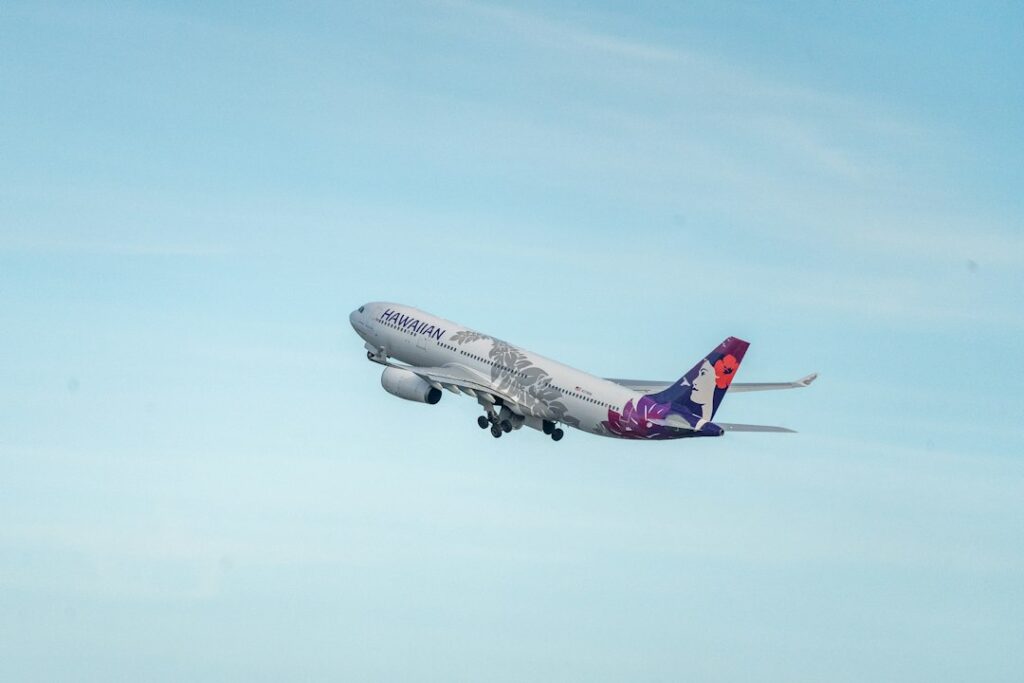
Moving between Hawaiian islands is its own kind of adventure. It’s not quite like a mainland move, and it’s not the same as shipping your stuff over from California. The ocean is in the middle, Young Brothers runs the only regular freight barge, and your couch has to survive a ride across the Kaiwi or Alenuihaha Channel. Here’s the honest, locally-informed guide to inter-island moving in Hawaii in 2026 — what it costs, how it actually works, and the mistakes that burn newcomers every single time.
How Inter-Island Moving Actually Works in Hawaii
There are no bridges between the Hawaiian islands and no car ferries connecting Oahu to Maui, the Big Island, or Kauai (the only passenger ferry is the tiny Maui–Lanai Expeditions boat, which doesn’t take vehicles or freight). So when you move household goods between islands, everything — your boxes, your bed, your truck — goes by barge.
For freight, that barge is almost always operated by Young Brothers (website: htbyb.com), the state-regulated inter-island shipping company based at Honolulu’s Pier 39. They sail out of Honolulu to Nawiliwili (Kauai), Kahului (Maui), Kaunakakai (Molokai), Kaumalapau (Lanai), and both Kawaihae and Hilo on the Big Island. Most inter-island routes transit through Oahu, which means a Maui–Kauai shipment usually rides two barges, with a stopover at Honolulu Harbor.
That matters for planning: inter-island shipments typically take 3–10 days door-to-door, and sailings can be delayed by weather, rough channel swells, or the notorious Young Brothers cancellations that locals joke about every winter.
Your Three Realistic Options
- DIY via Young Brothers: You pack, you drop off at the port, you pick up on the other side. Cheapest.
- Full-service mover (Royal Hawaiian Movers, Island Movers, HMS Hawaii, Aloha International): Door-to-door pack, load, ship, unload. Easiest, most expensive.
- Hybrid (container or pallet): You load a 20’ container or pallets at your home, the mover handles the barge logistics. Middle ground on cost and sanity.
How Much Does Inter-Island Moving Cost in 2026?
The rates below reflect the 25.75% increase the Hawaii PUC approved effective January 1, 2026 — a permanent replacement for an earlier 18.1% temporary surcharge. The PUC simultaneously barred Young Brothers from raising rates again for at least two years, so these figures are locked in through at least January 2028. Worth noting: routes involving Hilo (East Big Island) carry a roughly 35% premium over the equivalent Maui, Kauai, or West Hawaii (Kawaihae) route — that differential is written into the PUC-approved tariff.
Young Brothers DIY Rates
- A few boxes / small furniture (under 500 lbs): Roughly $75–$200. They measure by dimension (CBM) and weight and charge whichever is higher.
- Pallet (48” x 48”, 4’ tall, up to 1,000 lbs): Around $250–$450 inter-island.
- Personal vehicle (standard sedan): Roughly $450–$700 one way between Oahu and Maui, Kauai, or the Big Island, plus fuel surcharges.
- Pickup truck / SUV: $600–$900.
- 20-foot container (full household, self-loaded): $1,800–$2,800 barge-only (add ~35% for Hilo routes).
- 40-foot container: $3,000–$4,500 barge-only (add ~35% for Hilo routes).
Full-Service Mover Rates
Expect to pay a lot more for full service. Realistic 2026 pricing:
- 1-bedroom apartment: $2,500–$4,500 door-to-door.
- 2–3 bedroom home: $5,000–$9,000.
- 4-bedroom+ home with vehicles: $10,000–$18,000.
These numbers include packing materials, labor at both ends, barge fees, insurance, and taxes. Getting at least three quotes is smart — rates vary wildly, especially between Oahu and the neighbor islands where labor pools are smaller.
Compare quotes for shipping to Hawaiʻi.
Ocean freight to the islands is priced by the cubic foot and varies wildly by route. Tell us about your move and we’ll come back with the shipping options and quotes that apply to yours. Free, and no obligation.
Flat-rate mail, consolidators or a shared container: what each costs and how long it takes.
Read the shipping guide →Port-to-port prices, sailing schedules and what to do before drop-off.
Compare car shipping →Most people book a few weeks of furnished stay before signing a lease. Compare apartments and longer-stay hotels.
Compare longer stays →Shipping Your Car Between Hawaiian Islands
If you’re moving long-term to another island, your car comes with you — shipping it is almost always cheaper than buying a replacement in Hawaii. Young Brothers is the primary option and the process is straightforward:
- Book a reservation 2–3 weeks ahead (longer in summer and around the holidays).
- Empty the vehicle completely. They won’t ship it with personal items inside — this rule is strictly enforced.
- Drive it to the drop-off pier (Honolulu’s Pier 39, Kahului Harbor, Nawiliwili, Hilo, or Kawaihae).
- Hand over keys, registration, and proof of insurance.
- Pick up on the destination side 3–7 days later with a valid ID.
Budget about $500–$800 for a standard car between Oahu and the main neighbor islands in 2026, and add roughly 20–30% for a truck, SUV, or anything oversized. Electric vehicles are shipped, but you’ll want to confirm the battery’s state of charge requirements when you book.
What You Can’t (or Shouldn’t) Ship Inter-Island
Hawaii has an aggressive agricultural inspection regime, even between islands. The Hawaii Department of Agriculture screens inter-island cargo to stop pests like the coqui frog, little fire ant, and coconut rhinoceros beetle from spreading.
Things that will get flagged, delayed, or outright seized:
- Potted plants, cuttings, and soil (need a permit or inspection; some species are banned on certain islands).
- Firewood — no exceptions. Don’t pack any.
- Live animals (separate process through the Animal Quarantine division, though inter-island is far simpler than moving pets from the mainland).
- Propane tanks, gasoline, paint, and other hazardous materials.
- Open food, opened bags of rice or grain, and fresh produce.
Locals’ rule of thumb: if it has soil, sap, seeds, or sloshes around, leave it behind.
Timing Your Inter-Island Move
Mid-October 2026 update: You’re reading this during one of the best windows to book an inter-island move. Mid-September through early November is the lowest-demand period — Young Brothers sailings tend to run on schedule, full-service movers are not competing with the military PCS summer surge, and transit times lean toward the shorter end of the 3–10-day range. If your move date has any flexibility, aim to complete your barge drop-off by November 14 to stay clear of the Thanksgiving freight surge. Thanksgiving 2026 falls on November 26 (4th Thursday of November), and Honolulu-bound barge capacity typically starts filling from around November 17 as businesses and households ship holiday goods ahead of the peak.
The cheapest and smoothest windows are late January through April and mid-September through early November. Avoid peak summer (June–August) when military PCS moves hit the islands and Young Brothers capacity tightens. The holiday window from late November through early January is also brutal — freight backs up, prices climb, and cancelled sailings become common.
Winter surf on the north-facing channels (Kaiwi and Alenuihaha, in particular) can cause weather delays from December through February. If your move has to happen in winter, build at least 5 extra buffer days into your housing plan so you aren’t paying overlap rent or sleeping on an air mattress waiting for a delayed barge.
Hidden Costs Nobody Warns You About
- Port pickup fees: If you don’t pick up your freight within the free time window (usually 3–5 days), demurrage charges start stacking fast.
- Neighbor-island labor premiums: Hiring movers on Maui, Kauai, or the Big Island costs 10–25% more per hour than Oahu because of smaller labor pools.
- Fuel and bunker surcharges: Often quoted separately and added at invoice time — expect 8–15% on top of the base rate.
- Insurance: Default carrier coverage from Young Brothers is minimal (cents per pound). For a real household, add full-value replacement coverage through your mover — plan on 2–4% of declared value.
- Rental truck asymmetry: U-Haul and Penske don’t let you take trucks between islands. You’ll need to rent one on each side of the move, which sneaks another $150–$400 in.
The Local’s Playbook: How to Save Money
- Purge aggressively before you ship. The cheapest box is the one you don’t pay to send across a channel. Hawaii humidity also wrecks cheap pressboard furniture — much of it isn’t worth the freight cost.
- Use pallets, not individual boxes, if you have more than 15–20 cartons. The per-pound rate drops sharply once you’re on a pallet.
- Book directly with Young Brothers for the barge leg if you’re comfortable handling drop-off and pickup yourself. You’ll skip the mover’s 30–60% markup on freight.
- Ship your car empty. People try to stuff items in the trunk "to save space" and end up paying re-inspection fees and delays.
- Look for mid-month, mid-week sailings. Month-end and Monday barges fill up first.
If you’re still deciding which island is right for you or doing research before committing, our guides on moving to Maui and the cost of living across Hawaii are solid places to start. And if you haven’t moved to Hawaii yet and are shipping from the mainland first, check our guide to shipping household goods to Hawaii, which covers Matson and Pasha.
Finally, don’t confuse an inter-island move with inter-island travel. If you’re just hopping over for a week, our inter-island travel guide covers Hawaiian Airlines, Southwest, and Mokulele.
Which Mover Should You Actually Use?
Reputations matter here because the Hawaii moving world is small and word travels fast. A few names locals tend to trust for inter-island moves:
- Royal Hawaiian Movers — Oahu-based DeWitt Companies affiliate with warehouses on every major island. Reliable for full-service packing and insured household moves.
- Island Movers — Longtime local company with good neighbor-island coverage and competitive pricing on 2–3 bedroom moves.
- HMS Hawaii — Strong option for smaller moves and pallet-based shipments if you want help with the paperwork but plan to pack yourself.
- Aloha International Moving Services — Handles inter-island and off-island moves, often quoted cheaper on Big Island–Oahu routes.
Always ask for a written binding quote (not a non-binding estimate), confirm whether barge fuel surcharges are included, and read the Google reviews filtered to the last 12 months — ownership and quality at these companies can change fast.
Frequently Asked Questions
How long does inter-island moving take in Hawaii?
Most shipments arrive 3–10 days after drop-off. Direct Oahu–to–neighbor-island sailings are usually 3–5 days. Neighbor-island to neighbor-island moves (for example, Maui to Kauai) route through Honolulu and typically take 7–10 days.
Can I ship my car between Hawaiian islands?
Yes. Young Brothers is the main inter-island auto carrier. Expect $500–$800 for a standard sedan and 3–7 days transit. Your car must be emptied of personal belongings, and you’ll need registration, insurance, and photo ID at drop-off and pickup.
Is Young Brothers the only inter-island shipping option?
For commercial barge freight between the main islands, yes — Young Brothers is the regulated common carrier. However, full-service moving companies like Royal Hawaiian Movers, Island Movers, and HMS Hawaii will handle packing, loading, and paperwork and then put your goods on the Young Brothers barge as part of their service.
Do I need an agricultural inspection to move between Hawaiian islands?
Household furniture and boxes are not routinely inspected, but anything with plants, soil, firewood, or outdoor equipment can be flagged. All plant material requires a Hawaii Department of Agriculture inspection, and some species are banned on specific islands. When in doubt, declare it — fines are steep and seizure is immediate.