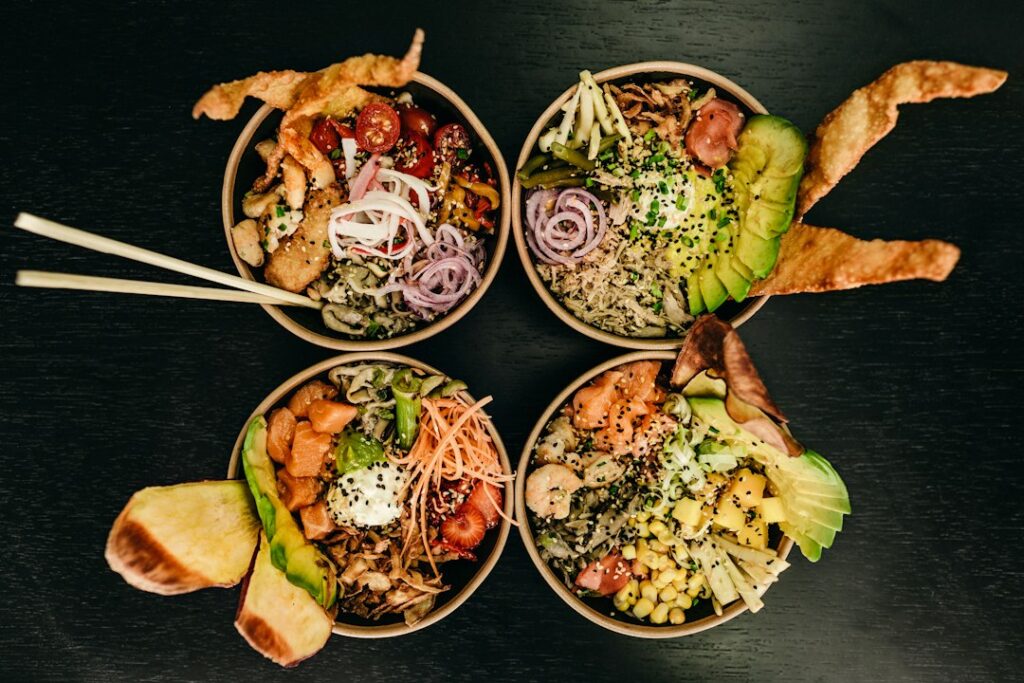
Restaurant prices in Hawaii are higher than mainland prices at almost every tier. A plate lunch that would cost about $10 in Texas typically costs $14 to $20 in Honolulu in 2026. A resort dinner for two with drinks often passes $250 before the tip. Shipping, commercial rent, labor and electricity all cost more in the islands, and restaurants pass those costs through to the menu.
This article gives typical 2026 prices for each tier, from shave ice and poke to oceanfront fine dining. It explains why the same mai tai can cost $12 in Kaimuki and $24 at a Kaanapali resort bar. It also covers the general excise tax added to every bill, Hawaii tipping norms, and realistic daily food budgets for visitors and residents.
The figures come from published menus, local news coverage and price reporting across Oahu, Maui, Kauai and Hawaii Island. They are ranges, not quotes. Restaurants change their menus often. The gap between a neighborhood counter and a resort dining room is also wider in Hawaii than in most mainland cities.
Why eating out in Hawaii costs more
Almost everything on a Hawaii restaurant plate arrives by ship or plane. State agencies commonly estimate that 85 to 90 percent of the food eaten in the islands is imported. Carriers such as Matson and Pasha Hawaii carry most of it from West Coast ports. The trip to Honolulu takes roughly 5 to 6 days. Food bound for Maui, Kauai and Hawaii Island then needs another interisland leg.
Energy is the second big cost. The U.S. Energy Information Administration reports that Hawaii has the highest electricity prices in the country, often above 40 cents per kWh for households. That is more than double the national average. Walk-in coolers, fryers, dishwashers and air conditioning run all day, and that power bill shows up in menu prices.
Rent and labor are the other two costs. Commercial rents in Waikiki and resort districts are among the highest in the United States. Hawaii’s minimum wage rose to $16 per hour on January 1, 2026, and is scheduled to reach $18 in 2028. The Honolulu Consumer Price Index shows steady increases in the cost of food away from home since 2021.
- Imported ingredients: ocean freight plus interisland shipping on most proteins, produce and dry goods
- Electricity: commercial kitchens are among the heaviest power users on any island grid
- Labor: a $16 minimum wage in 2026, with tight hiring in resort areas
- Rent: oceanfront and Waikiki leases set the price ceiling for each island
Restaurant prices in Hawaii by tier in 2026
The table below shows typical 2026 prices for the most common restaurant purchases. The neighborhood column covers areas such as Kaimuki, Kalihi, Wailuku or Hilo. The resort-area column covers Waikiki, Kaanapali, Wailea, Poipu and the Kohala Coast. Prices exclude tax and tip.
| Item | Neighborhood price | Waikiki or resort price |
|---|---|---|
| Plate lunch (2 scoop rice, mac salad, entree) | $14–$17 | $17–$22 |
| Mini plate lunch | $10–$13 | $13–$16 |
| Poke bowl, regular | $15–$20 | $20–$28 |
| Poke by the pound | $20–$32 | $28–$38 |
| Spam musubi | $2.50–$4 | $4–$6 |
| Shave ice, regular | $6–$9 | $9–$14 |
| Malasada, each | $2–$3.50 | $3.50–$5 |
| Food truck plate | $15–$20 | $18–$24 |
| Casual sit-down dinner entree | $22–$32 | $30–$45 |
| Resort dinner for two with drinks | $110–$160 | $150–$300+ |
| Cocktail (mai tai, lava flow) | $12–$16 | $18–$26 |
| Local draft beer | $8–$10 | $10–$14 |
Plate lunch: $14 to $20
The plate lunch is the main price benchmark for local food. A standard plate comes with two scoops of white rice, a scoop of macaroni salad and one protein, such as chicken katsu, teriyaki beef, kalua pig or loco moco. A guide to what to eat in Hawaii covers the dishes themselves. This section covers what they cost.
Long-running neighborhood drive-ins stay at the low end. Rainbow Drive-In in Kapahulu is a common example, where most combos still cost less than a Waikiki sandwich. Mixed plates with two or three proteins usually cost $18 to $24. Sit-down local food restaurants such as Highway Inn in Kakaako charge mid-to-upper teens for a kalua pig plate.
Portions are large. Many diners split one regular plate, or order a mini plate for about $10 to $13. One $16 plate often covers two light meals, which is part of why residents still treat plate lunch as everyday food rather than a splurge.
Poke bowls: $15 to $28
Poke prices depend on the fish market. Ahi prices rise in winter and around New Year’s, when demand peaks. In 2026, a regular bowl with one or two scoops of poke over rice typically costs $15 to $20 at neighborhood shops and supermarket counters. Waikiki and resort shops often charge $20 to $28 for a similar portion.
Buying poke by the pound is usually cheaper per serving. Shoyu ahi and spicy ahi typically cost $20 to $32 per pound at grocery delis. Island delis such as Ishihara Market in Waimea, Kauai sell poke by weight, often for less than tourist-area bowl shops. A half pound plus a $3 container of rice makes a full meal.
Shave ice and malasadas: $2 to $14
A regular shave ice with two or three syrups typically costs $6 to $9. Adding ice cream underneath, a snow cap of condensed milk, mochi or azuki beans raises the price to $10 to $14. Popular stands such as Ululani’s on Maui post their prices by size, and a family of four should expect to spend about $35 to $50.
Malasadas, the Portuguese fried doughnuts sold at bakeries, cost about $2 to $3.50 each at neighborhood shops. Filled versions with haupia, custard or dobash cost more. A dozen generally costs $22 to $36. That makes malasadas one of the cheapest treats in Hawaii.
Food trucks: $15 to $24
Food trucks are no longer much cheaper than restaurants. A garlic shrimp plate on Oahu’s North Shore typically costs $18 to $22 in 2026. Most plates at truck clusters in Kakaako, Kailua or Kihei cost $15 to $20. Trucks save diners the tip and the drink markup more than they save on the food itself.
Truck clusters near beaches suit lunch, and most close by midafternoon. The Paia food truck cluster near Baldwin Beach is a typical Maui example. Plates there are priced like a mid-range counter meal, and seating is outdoor picnic tables.
Casual sit-down restaurants: $22 to $45 per entree
At a casual sit-down restaurant, breakfast plates such as eggs with Portuguese sausage, loco moco or banana macadamia pancakes typically cost $15 to $22. Lunch burgers and sandwiches cost $18 to $26. Dinner entrees at neighborhood restaurants mostly cost $22 to $32. At comparable places in Waikiki or a resort, entrees cost $30 to $45.
A realistic per-person check at a casual dinner, with one drink, falls between $40 and $65 before tax and tip. Fresh fish entrees such as mahi mahi, ono or opah usually cost $5 to $12 more than chicken or pork dishes on the same menu.
Resort dinner for two: $150 to $300+
Oceanfront resort restaurants are the top tier. For two people with an appetizer, two entrees, one dessert and two cocktails each, the bill typically comes to $150 to $300 before tax and tip. Steakhouse cuts often cost $65 to $95 each. Tasting menus at chef-driven restaurants run about $150 to $250 per person before wine pairings.
Many visitors combine the splurge dinner with an evening on the water. Hawaii sunset dinner cruises are priced per person and include the meal. That can make a dinner sail cost about the same as a resort dinner, with the boat ride included.
Cocktails, beer, wine and coffee
Drinks are where the gap between resort and neighborhood prices is widest. Here are typical 2026 drink prices:
- Mai tai at a resort or Waikiki beach bar: $18 to $26
- Mai tai at a neighborhood bar: $12 to $16
- Happy hour cocktails: $8 to $12, typically 3 to 6 pm
- Local craft draft beer: $8 to $14 a pint
- Glass of wine: $14 to $22 at resorts, $11 to $15 elsewhere
- Kona coffee latte: $5.50 to $8
- Soft drink with refills: $4 to $6
Two rounds of resort cocktails for two people can add $80 to $100 to a dinner bill. That one choice explains much of the difference between a $160 resort dinner and a $300 one.
Waikiki and resort pricing vs. local neighborhoods
The same dish can cost 25 to 50 percent more depending on where it is sold. Resort and Waikiki restaurants pay premium rent, serve mostly one-time customers, and stay busy at almost any price. Neighborhood restaurants depend on regulars who know what a plate lunch should cost, which keeps their prices lower.
| Item | Waikiki | Kaanapali or Wailea | Honolulu neighborhood | Hilo |
|---|---|---|---|---|
| Plate lunch | $17–$22 | $19–$25 | $14–$17 | $12–$16 |
| Poke bowl | $20–$26 | $22–$28 | $15–$19 | $14–$18 |
| Breakfast plate | $20–$28 | $24–$32 | $14–$19 | $12–$17 |
| Mai tai | $16–$22 | $20–$26 | $11–$15 | $10–$14 |
| Dinner entree | $35–$55 | $42–$70 | $22–$32 | $20–$30 |
| Resort breakfast buffet | $40–$55 | $48–$65 | n/a | n/a |
The resort breakfast buffet is the clearest example of the markup. For a family of four, a $55 buffet costs $220 plus about $10 in tax and $44 in tip. A diner breakfast of loco moco and pancakes 10 minutes inland often costs $70 to $90 for the same family.
Distance matters, but short distances still change prices. Along the Kaanapali shoreline path, prices at the resort lobby counters are much the same. A resort-to-resort food stop map for the Kaanapali Beachwalk shows how little prices vary there. Prices drop noticeably once diners drive into Lahaina’s commercial areas or down to Kahului.
Where the local-priced restaurants are
Every island has districts where most customers are residents rather than visitors. Prices there usually match the neighborhood column in the tables above.
- Oahu: Kaimuki, Kalihi, Moiliili, Kapahulu, Kaneohe, Waipahu and Pearl City
- Maui: Wailuku, Kahului and upcountry Pukalani and Makawao
- Kauai: Lihue, Kapaa and Waimea on the west side
- Hawaii Island: Hilo, and Kailua-Kona shopping centers away from Alii Drive
How a rental car opens up cheaper meals
Visitors without a car usually eat close to their hotel. In Waikiki that still leaves many choices. In Wailea, Kaanapali, Poipu or the Kohala Coast, it often means only resort restaurants and a few overpriced convenience stores. A car opens up the neighborhood districts listed above, most of them 15 to 30 minutes away.
The savings add up quickly. A family of four spending $250 a day on resort meals can often get the same amount of food for $150 to $190 by eating lunch and one other meal in local districts. Over a 7-day trip, that is roughly $420 to $700, enough to cover much of a rental.
Hawaii rental car prices by island and season typically range from $60 to $120 per day, depending on the month and the airport. Gas costs well above the national average. The EIA’s weekly fuel price data often shows West Coast prices above $4.50 a gallon, and Hawaii pumps usually cost even more.
Oahu is the exception. TheBus, run by the City and County of Honolulu, charges a $3 adult fare and reaches Kapahulu, Kaimuki and Ala Moana from Waikiki in 10 to 25 minutes. On Maui, Kauai and Hawaii Island, bus service is too limited for most meal trips, so a car is the practical option.
The full trip budget changes the math. In the breakdown of what a Hawaii trip costs, food is usually the second- or third-largest line after lodging and flights. A car can lower the food line while raising the transport line. Overnight resort parking of $35 to $60 per night can cancel out the savings.
The 4.712% GET on every restaurant bill
Hawaii has no sales tax in the mainland sense. It has a general excise tax, or GET, charged on businesses’ gross receipts. Most restaurants pass it on to diners as a separate line on the receipt. The Hawaii Department of Taxation sets the state rate at 4 percent, and counties add a surcharge.
Honolulu, Maui and Kauai counties each add a 0.5 percent surcharge, for a combined rate of 4.5 percent. A business may legally pass on up to 4.712 percent because the tax it collects is itself counted as taxable income. Hawaii County has set its surcharge separately, so Big Island receipts can show a slightly different rate.
| Bill scenario | Pre-tax subtotal | GET at 4.712% | 20% tip on subtotal | Total paid |
|---|---|---|---|---|
| Plate lunch, counter service | $16.00 | $0.75 | $0 (optional) | $16.75 |
| Casual dinner for two | $85.00 | $4.01 | $17.00 | $106.01 |
| Family dinner for four | $160.00 | $7.54 | $32.00 | $199.54 |
| Resort dinner for two | $250.00 | $11.78 | $50.00 | $311.78 |
| Resort dinner, 20% service charge | $250.00 | $14.14 | $50.00 (included) | $314.14 |
The last row shows a detail many diners miss. When a restaurant adds an automatic service charge, GET usually applies to the service charge as well. A $250 dinner with a 20 percent service charge has a $300 taxable total, so the tax rises from $11.78 to $14.14.
Some counter restaurants and food trucks include GET in their posted prices, while others add it at the register. Neither is wrong, but posted prices are not always final. A $15.99 menu price usually comes to about $16.74 at checkout.
Tipping norms in Hawaii restaurants
Tipping in Hawaii follows mainland norms, with slightly higher expectations in resort areas. At full-service restaurants, 18 to 22 percent of the pre-tax subtotal is standard in 2026. Card terminals commonly suggest 18, 20 and 25 percent. Twenty percent is the most common default.
Typical tips by type of service
- Full-service restaurant: 18 to 22 percent of the pre-tax subtotal
- Bartender: $1 to $2 per drink, or 20 percent on a tab
- Counter service and plate lunch windows: optional, often 10 percent or spare change
- Food trucks: optional; $1 to $3 a plate is common when a jar is out
- Takeout from sit-down restaurants: 10 percent is common but not expected
- Room service: check the bill first, since delivery and service charges are usually already added
Automatic service charges
Resort restaurants, luaus and parties of six or more often add an automatic service charge, usually 18 to 22 percent. Under Hawaii law, hotels and restaurants must clearly tell customers when any part of that charge is not paid to the service staff. Diners should read the bill closely before tipping again.
When the full service charge goes to staff, an extra tip is optional. When the menu or receipt says part of it covers administrative costs, many diners add a few dollars in cash for the server. Tipping twice by mistake is common. On a $300 resort check it can cost an extra $60.
Tip on the subtotal, not the tax
Tips are normally figured on the pre-tax subtotal. Some terminals base the suggested tip on the total including GET. The difference is small at casual price levels, but on a $400 group dinner it adds about $3.80. That is minor, but it shows that suggested tip amounts are not always based on the subtotal.
Daily food budget for visitors
A visitor’s food budget depends mostly on lodging. Travelers with a kitchen can make breakfast and pack beach lunches, while hotel guests buy every meal. The table below shows per-adult daily budgets for 2026, including GET and tips. Children usually cost about 50 to 70 percent of the adult figure.
| Budget level | Breakfast | Lunch | Dinner | Snacks and drinks | Daily total per adult |
|---|---|---|---|---|---|
| Budget (condo kitchen, trucks) | $6 | $17 | $22 | $10 | $55 |
| Moderate (casual mix) | $18 | $22 | $60 | $20 | $120 |
| Comfortable (sit-down most meals) | $30 | $32 | $100 | $35 | $197 |
| Resort-based (on property) | $55 | $42 | $170 | $55 | $322 |
For a couple on a moderate budget, 7 days of food comes to about $1,680. For a family of four with two children on the same plan, a week typically costs $2,700 to $3,000. A resort-based family of four can spend $6,000 or more on food in 7 days. That is often more than the airfare.
Kitchen access also depends on the rules for short-term rentals. On Maui, which vacation rentals remain bookable after Bill 9 affects how many condos with full kitchens will be available over the next few years. Fewer kitchens means more meals bought at restaurant prices.
Where visitor budgets usually go over
- Resort breakfast buffets at $40 to $65 per adult
- Poolside cocktails at $18 to $26 each, two or three times a day
- Luaus priced at $150 to $250+ per adult, often counted as entertainment
- Airport meals on departure day, typically $20 to $30 per person
- Bottled water and snacks bought at resort shops instead of a supermarket
Daily food budget for residents
Residents eat out very differently from visitors. Most households cook at home on weekdays, buy a plate lunch or poke once or twice a week, and save sit-down dinners for birthdays and weekends. Household budgets also face high housing costs. Median household income, according to the U.S. Census Bureau’s Hawaii QuickFacts, is close to $100,000.
| Resident eating-out pattern | Typical monthly meals out | Monthly cost, one adult | Monthly cost, household of four |
|---|---|---|---|
| Light: mostly home cooking | 4–6 | $80–$130 | $250–$400 |
| Moderate: weekly plate lunch, two dinners out | 8–12 | $220–$350 | $600–$900 |
| Frequent: workday lunches out, weekly dinners | 20–25 | $500–$750 | $1,300–$1,900 |
A packed workday lunch costs about $4 to $6 in groceries, compared with $15 to $18 for a plate lunch. Over 20 workdays a month, that is roughly $200 to $250 in savings per person. Many new arrivals adjust their routines quickly once they see this.
Kamaaina discounts
Many restaurants, especially in resort areas, offer kamaaina discounts to customers with a Hawaii driver’s license or state ID. These usually take 10 to 20 percent off the bill and sometimes exclude alcohol. Resort restaurants on Maui and the Kohala Coast use them to fill tables during slower months such as September and early December.
New residents become eligible once they hold a Hawaii ID. Households that plan their move around job and housing markets will find these discounts a small but real benefit. Over a year of occasional dinners out, they can add up to several hundred dollars.
Island-by-island price differences
Restaurant prices in Hawaii also vary by island. Oahu has the most restaurants and the most competition, which keeps its neighborhood prices the lowest in the state. Maui’s west and south shores have the highest prices. Kauai and Hawaii Island fall in between and depend more on the resort economy than Honolulu does.
| Island | Plate lunch | Casual dinner entree | Resort dinner for two | Mai tai, resort bar |
|---|---|---|---|---|
| Oahu | $14–$20 | $22–$40 | $150–$280 | $16–$24 |
| Maui | $15–$22 | $28–$50 | $180–$320+ | $20–$26 |
| Kauai | $15–$21 | $26–$45 | $170–$300 | $18–$25 |
| Hawaii Island | $13–$20 | $22–$42 | $160–$300 | $17–$24 |
Visitor volume affects prices too. The state’s official tourism site, GoHawaii, lists dining areas on each island. Peak months such as July, August and the late-December holidays bring longer waits and fewer weeknight specials. In April, May, September and October, more restaurants advertise happy hours and kamaaina deals.
Ways to eat well for less in Hawaii
Paying less does not have to mean eating worse. Many of the cheapest meals in the islands, including poke, plate lunch, musubi and malasadas, are also the ones visitors come for. These approaches work on every island:
- Eat the main meal at lunch, when entrees often cost $8 to $15 less than at dinner.
- Use happy hour, usually 3 to 6 pm, for $8 to $12 cocktails and discounted pupus.
- Buy poke by the pound at supermarket counters instead of bowl shops.
- Skip the resort buffet and drive 10 to 20 minutes to a local diner for breakfast.
- Split one plate lunch between two lighter eaters.
- Look for BYOB restaurants, where corkage typically costs $10 to $25 per bottle.
- Buy fruit at farmers markets, held weekly in most towns.
- Stock up on water and snacks at a supermarket on arrival day, not at hotel shops.
Choosing just two or three of these usually cuts a moderate budget from about $120 to $90 per adult per day. Over a week, a couple saves about $420 without giving up a single sit-down dinner.
Frequently asked questions
How much is a plate lunch in Hawaii in 2026?
A standard plate lunch with two scoops of rice, macaroni salad and one entree typically costs $14 to $17 at neighborhood drive-ins and $17 to $22 in Waikiki or resort areas. Mini plates run about $10 to $13. Mixed plates with two or three proteins can reach $20 to $24.
Do you tip on the GET in Hawaii?
Most diners tip on the pre-tax subtotal, not the total that includes the 4.712 percent general excise tax. On a $100 food and drink subtotal, a 20 percent tip is $20, not $20.94. Some card terminals calculate suggested tips on the full total, so it is worth checking the math.
How much should a visitor budget for food per day in Hawaii?
A moderate 2026 budget is roughly $110 to $130 per adult per day. That covers a casual breakfast, a plate lunch, a sit-down dinner with one drink, and a snack. Budget travelers who cook breakfast and eat at food trucks can manage $55 to $65. Resort-based travelers often spend $300 or more.
Is food cheaper on Oahu than on Maui?
Generally, yes. Oahu has far more restaurants competing for roughly 1 million residents, and its neighborhood districts keep plate lunch and poke prices lower. Maui’s resort areas in Kaanapali and Wailea have some of the highest menu prices in the state. Wailuku and Kahului remain closer to Oahu neighborhood prices.
What is a service charge on a Hawaii restaurant bill?
A service charge is a fixed percentage, often 18 to 22 percent, added to the bill automatically. It is most common at resorts and for parties of six or more. Hawaii law requires businesses to disclose when the charge is not paid in full to service staff. When a full service charge appears, an extra tip is optional.
How much does a mai tai cost in Hawaii?
A mai tai at a Waikiki or Kaanapali resort bar typically costs $18 to $26 in 2026, and premium-rum versions cost more. Neighborhood bars and restaurants usually charge $11 to $16. Happy hour specials, roughly 3 to 6 pm, can bring the price down to $8 to $12.
Are kamaaina discounts available to visitors?
No. Kamaaina discounts are only for Hawaii residents and usually require a Hawaii driver’s license or state ID at checkout. Where offered, they typically take 10 to 20 percent off the bill. New residents qualify once they hold a Hawaii ID, which is one reason many get one soon after moving.
Is it worth renting a car just to eat at cheaper restaurants?
Rarely on its own, but it changes the math. A rental at $60 to $110 per day is partly offset by meals that cost 25 to 40 percent less away from resorts. For a family of four spending $250 a day on food, daily savings can reach $60 to $100.