Hawaii culture shock catches many mainland transplants off guard precisely because the islands are part of the United States. The currency, cell carriers and chain stores look familiar, so newcomers often arrive expecting a sunnier version of home. Resident forums, local news coverage and state surveys describe something different: a place with its own etiquette, its own vocabulary and a dense set of unwritten rules.
Those rules show up quickly. Shoes come off at the door. Drivers wave instead of honking. Social plans start when people arrive, not when the invitation says. A two-day online order can take nine days, or never ship at all. A flight home to Chicago eats most of a day each way and, in December, can top $1,000 per seat.
This research synthesis covers the norms newcomers most often report running into, drawn from U.S. Census data, state agency figures, Hawaii Tourism Authority resident surveys and reporting from local outlets. It explains what each norm means, why it exists and which adjustments relocating households tend to make first.
Why Hawaii feels foreign despite being a state
The simplest explanation is demographic. According to Census QuickFacts, Hawaii has roughly 1.44 million residents and no single racial majority. Asian residents make up the largest group, about one in four people identify with two or more races, and Native Hawaiians and other Pacific Islanders are about 10% of the population.
Compare that with the country as a whole, where white residents remain a large majority. A newcomer from Ohio, Texas or Colorado is often, for the first time, a member of a demographic minority in daily life. That shift alone accounts for a large share of what transplants describe as culture shock.
| Group (alone, unless noted) | Hawaii share | U.S. share |
|---|---|---|
| Asian | about 37% | about 6% |
| White | about 25% | about 75% |
| Two or more races | about 25% | about 3% |
| Native Hawaiian and Other Pacific Islander | about 10% | about 0.2% |
| Hispanic or Latino (any race) | about 11% | about 19% |
Shares are rounded from recent Census QuickFacts estimates; categories overlap because Hispanic origin is counted separately from race.
History that still shapes daily life
The mix traces back to the sugar and pineapple plantation era. Contract laborers arrived from China starting in 1852, Portugal from 1878, Japan from 1885 and the Philippines from 1906. Those groups shared camps, food and a working language, which is where Hawaii’s local culture and Pidgin largely come from.
Political history matters too. Hawaii was an internationally recognized kingdom until its overthrow in 1893, annexation followed in 1898 and statehood came in 1959. Many Native Hawaiians view that history as recent and unresolved, which shapes attitudes toward land, development and newcomers in ways mainland arrivals rarely anticipate.
Shoes off indoors and other household norms
The most universal rule is also the first one newcomers encounter. Shoes come off before entering a home, almost without exception. A pile of slippers (called “slippahs” locally) by the front door is the signal, and stepping past it in sneakers reads as careless at best.
The custom is often credited to Japanese influence, but it is also practical. Red dirt, beach sand and frequent rain showers would otherwise end up on every floor. Some small offices, preschools, clinics and even a few shops follow the same rule, so transplants learn to scan doorways before walking in.
Never arrive empty-handed
Resident accounts consistently stress that guests bring food. A dozen malasadas, a box of musubi or a tray from the grocery deli is standard for a backyard party. Gatherings tend to be potluck-style, and hosts often send guests home with a covered “take-home plate” of leftovers.
Travelers returning from another island or the mainland are often expected to bring omiyage, a small gift of local treats for coworkers or family. The practice is common enough that airport shops stock boxed snacks specifically for it.
Aunty, uncle and how to address people
Older adults are commonly addressed as “aunty” or “uncle,” whether or not they are related. Using those terms with a neighbor or a store clerk is a sign of respect rather than overfamiliarity. Newcomers who default to “sir” or “ma’am” are not wrong, but they can sound stiff.
Hawaii time: a slower clock
“Hawaii time” describes a looser relationship with schedules, especially socially. A 6 p.m. party may not get going until 7 p.m., and nobody apologizes. Conversations run long because people “talk story,” the local term for unhurried chatting, before getting to business.
Professional settings are generally more punctual, and transplants who assume a meeting will start late can embarrass themselves. Where the slower pace does show up is in relationship-building: deals, referrals and job offers often depend on who knows whom, and that takes time to develop.
Slower services and permits
Government and trade services can also move slowly. Civil Beat has reported repeatedly on Honolulu building permit backlogs measured in months, and a limited pool of contractors means home repairs often wait weeks. Households moving from fast-growth mainland metros tend to find this harder than the social version of Hawaii time.
The literal time difference
The clock itself is also different. Hawaii stays on Hawaii-Aleutian Standard Time year-round and does not observe daylight saving time, so the gap with the mainland changes twice a year. The site’s guide to the Hawaii time zone and its mainland gaps covers the details.
For remote workers this is a genuine adjustment. An East Coast team’s 9 a.m. stand-up lands at 3 a.m. or 4 a.m. in Honolulu, and live sports broadcasts on the mainland’s prime time often air mid-afternoon in Hawaii.
| Mainland city | Hours ahead of Hawaii (Nov–Mar) | Hours ahead (Mar–Nov) | 9 a.m. there, in Hawaii time |
|---|---|---|---|
| Los Angeles | 2 | 3 | 7 a.m. / 6 a.m. |
| Denver | 3 | 4 | 6 a.m. / 5 a.m. |
| Chicago | 4 | 5 | 5 a.m. / 4 a.m. |
| New York | 5 | 6 | 4 a.m. / 3 a.m. |
Driving etiquette: shaka, no honking, letting people in
Local driving culture is one of the most commented-on surprises in relocation forums. Horns are reserved for genuine emergencies or a quick friendly tap. Leaning on the horn at a slow driver reads as aggressive, and it marks the driver as a newcomer immediately.
Letting other cars merge is expected, and the standard thank-you is the shaka: thumb and pinky extended, middle three fingers curled, given with a small shake. Drivers who cut in without acknowledgment, or refuse to let someone in, tend to get noticed.
Speed and patience
Hawaii’s highest posted speed limit is 60 mph, and many highway stretches are posted at 45 to 55 mph. Rural two-lane roads often move slower still. On winding routes, slower drivers are expected to pull over and let faster local traffic pass, rather than holding up a line of cars.
Maui’s Hana Highway is the classic example. The route has dozens of one-lane bridges, and drivers yield in small groups at each crossing. Stopping in the road to photograph a waterfall is a frequent source of resident frustration, and roadside parking at popular stops is increasingly restricted.
Traffic and car costs
Oahu’s commute is congested, with the H-1 freeway among the slowest corridors in the country during rush hour. HDOT publishes road closures and projects that regularly affect commutes. Gas also costs more: EIA price data typically shows Hawaii running well above the national average, often by $1 to $1.50 per gallon.
The site’s full breakdown of road rules and driving etiquette in Hawaii covers registration, safety checks and pedestrian laws in more depth.
Local, haole and kamaaina: how identity works
Identity labels in Hawaii do not map neatly onto mainland categories, and misusing them is one of the fastest ways for a newcomer to stand out. Four terms come up constantly in resident discussions and local reporting.
- Native Hawaiian: a person descended from the islands’ Indigenous people, also called Kanaka Maoli or Kānaka ʻŌiwi.
- Local: someone raised in Hawaii, of any ethnicity, who shares the islands’ culture and habits.
- Kamaʻāina: literally “child of the land,” now used for long-term residents generally.
- Haole: originally “foreigner,” now usually a white person or mainlander.
The most common mistake is calling oneself “Hawaiian” after moving. In Hawaii, Hawaiian describes an ethnicity, not a residency, so a transplant is a “Hawaii resident” rather than a Hawaiian. Many locals will gently correct this; some will not be gentle.
What “haole” signals
“Haole” can be a neutral descriptor, a teasing nickname or an insult, depending entirely on tone and context. Accounts from white transplants commonly describe being labeled before being known. Resident commentary in outlets such as Civil Beat often frames the best response as patience rather than offense.
Behavior tends to determine whether the label sticks with an edge. Complaining about the pace, insisting on “how we did it back home” or treating neighborhoods as investment opportunities draws the sharpest reactions. Showing up consistently, listening first and learning place names tends to soften it over time.
Kamaaina discounts
Residency also has a practical side. Many attractions, restaurants, hotels and tour operators offer kamaaina rates, commonly 10% to 25% off, with a Hawaii driver’s license or state ID. Newcomers usually qualify once they hold Hawaii identification, which is one reason transplants convert licenses quickly.
Pidgin and the Hawaiian language
Language is the other identity marker. Hawaii Creole English, known simply as Pidgin, grew out of the plantation camps and is spoken by an estimated 600,000 people. The Census Bureau began recognizing it as a language in its 2015 survey data on languages spoken at home.
Newcomers generally hear Pidgin long before they understand it, and resident advice is consistent: learn to listen, but do not imitate it. The site’s guide to Hawaii Pidgin slang and common phrases explains the words transplants hear most, from “howzit” to “da kine.”
Hawaiian itself has been an official state language alongside English since 1978. Correct pronunciation, including the ʻokina (glottal stop) and kahakō (long-vowel mark), is widely read as a sign of respect, and street names are the easiest place to start.
Kuleana and respect at sacred sites
Kuleana translates roughly as responsibility, with a sense that the responsibility is also a privilege. In practice, it means residents and visitors alike are expected to care for the land, the ocean and cultural sites they use. A related phrase, mālama ʻāina, means “care for the land.”
Many places that appear as scenic stops in guidebooks are sacred. Heiau (temple platforms), burial grounds and summits such as Mauna Kea at 13,803 feet and Haleakalā at 10,023 feet carry deep cultural and religious significance. Sites like Poliahu Heiau on Kauai’s Wailua sacred circuit are open to respectful visitors but are not playgrounds.
Common missteps
- Climbing on heiau walls or moving stones for photos.
- Stacking rock cairns, which can disturb cultural sites and confuse hikers.
- Leaving offerings at heiau without cultural grounding or permission.
- Taking lava rocks or sand home; national parks receive mailed returns regularly.
- Hiking closed trails, such as the long-closed Haʻikū Stairs on Oahu.
- Entering private land marked kapu (forbidden) to reach a beach or waterfall.
Wildlife and ocean rules
Marine wildlife protections are strict and actively enforced. Federal and state law protect Hawaiian green sea turtles and the endangered Hawaiian monk seal, and penalties for harassment can reach thousands of dollars. Federal viewing guidelines set the following minimum distances.
| Animal | Recommended minimum distance | Peak season or note |
|---|---|---|
| Green sea turtle (honu) | 10 feet | Year-round; often basking on beaches |
| Hawaiian monk seal | 50 feet | Year-round; roughly 1,600 remain |
| Monk seal mother with pup | 150 feet | Pupping peaks roughly March to August |
| Spinner dolphins | 50 yards | Resting bays in daytime hours |
| Humpback whales | 100 yards | December to April, peaking February |
Sunscreen is regulated too. Since January 1, 2021, Hawaii has banned the sale of sunscreens containing oxybenzone and octinoxate to protect coral reefs, and Maui County added stricter mineral-only rules in 2022. Ocean conditions are another adjustment; the Hawaii Department of Health tracks drownings, which disproportionately involve non-residents.
Island fever and the cost of flying home
Island fever is the restless, boxed-in feeling some residents develop after months on a single island. Oahu covers about 597 square miles, and a full loop of the coastline can be driven in an afternoon. Kauai’s main highway does not even form a full loop because of the Nā Pali cliffs.
The site’s in-depth look at whether island fever is real and how residents manage it covers the psychology. The practical issue is that the nearest major mainland airport is roughly 2,500 miles away, so every escape requires a long flight and real money.
What a trip home actually costs
Fares vary heavily by season. Summer and the weeks around Thanksgiving and Christmas cost the most, while late January to early March and September to mid-November tend to be cheapest. The ranges below reflect typical economy round-trip pricing from Honolulu.
| Destination from Honolulu | Distance | Nonstop flight time | Off-peak round trip | Peak holiday round trip |
|---|---|---|---|---|
| Los Angeles / San Francisco | about 2,400–2,550 miles | 5 to 5.5 hours | $300–$550 | $600–$900 |
| Seattle | about 2,680 miles | about 6 hours | $350–$600 | $650–$950 |
| Denver | about 3,350 miles | about 7 hours | $450–$750 | $800–$1,200 |
| Dallas | about 3,780 miles | about 7.5 hours | $550–$850 | $900–$1,300 |
| Chicago | about 4,240 miles | 8 to 8.5 hours | $600–$950 | $1,000–$1,500 |
| New York | about 4,980 miles | 10 to 11 hours | $700–$1,200 | $1,100–$1,800 |
For a household of four, a single holiday trip to the East Coast can exceed $5,000 in airfare alone. The site’s analysis of the cost of flying a family of four to Hawaii breaks those numbers down by route and season.
Transplants with aging parents, grandchildren or frequent work travel often underestimate this line item most. Resident accounts commonly describe budgeting for one or two mainland trips per year and treating weddings and funerals as major financial events rather than routine travel.
Interisland trips as a pressure valve
Hopping to another island is the cheaper relief. Interisland flights run about 30 to 50 minutes, and one-way fares commonly fall between $60 and $180. The site’s guide to the cost of island hopping in Hawaii covers fares, ferries and rental cars.
Shipping delays, Amazon limits and the Hawaii price
Nearly everything in Hawaii arrives by ship, and most estimates put imported food at roughly 85% to 90% of what residents eat. The Jones Act of 1920 requires cargo moving between U.S. ports to travel on U.S.-built, U.S.-crewed vessels, which limits competition on mainland routes.
Two carriers dominate the container and vehicle trade: Matson and Pasha Hawaii. Their sailings from West Coast ports take about five to six days to Honolulu, with neighbor island cargo transferring onward by barge or interisland vessel.
| What is being shipped | Typical time to Oahu | Typical time to neighbor islands | Typical cost |
|---|---|---|---|
| USPS Priority Mail flat-rate box | 3–5 days | 4–7 days | Same rate as mainland, about $10–$25 |
| Amazon Prime-eligible small item | 3–7 days | 5–10 days | Free if eligible; many items excluded |
| Car, West Coast port to port | 7–14 days | 14–21 days | $1,500–$2,500 |
| Household goods container, door to door | 4–8 weeks | 5–10 weeks | $5,000–$15,000+ |
Amazon and online shopping limits
Online shopping is where newcomers notice isolation most often. Many listings display “This item cannot be shipped to your selected delivery location,” and Prime’s two-day promise usually stretches to five days or more. Heavy furniture can carry surcharges of $100 or more, or simply be unavailable.
Hazardous materials are the biggest exclusion. Lithium batteries, aerosols, paint, pool chemicals and some cleaning products cannot fly as normal cargo, and many retailers will not ship them by sea. Residents often rely on USPS flat-rate boxes, local big-box stores and Costco, and they order holiday gifts by mid-November.
For vehicles, the comparison of Matson vs Pasha for shipping a car to Hawaii covers ports, pricing and timing in detail.
Sticker shock at the register
The shipping math shows up in prices. The BLS Honolulu consumer price index tracks the gap over time, and residential electricity, per EIA state data, typically runs above 40 cents per kWh, more than double the national average.
Groceries tell the same story. A gallon of milk commonly costs $7 or more, and staples can run 30% to 60% above mainland prices. The site’s comparisons of Hawaii grocery costs versus the mainland and grocery prices by island show where the premium is largest.
Taxes add another layer. Hawaii charges a general excise tax of 4%, or 4.5% where county surcharges apply, on most goods and services, and the top state income tax rate is 11%. Details are posted by the Hawaii Department of Taxation.
An economy built on visitors
Few newcomers grasp how heavily the islands depend on tourism until they live alongside it. Hawaii hosts roughly 9.5 to 10 million visitors a year, about seven for every resident, and visitor spending has run above $20 billion annually in recent years. On an average day, well over 200,000 visitors are on the islands.
Tourism is the largest private-sector employer, supporting hotels, restaurants, tours, retail and much of the construction and transportation work around them. That dependence means a downturn hits fast: the 2020 shutdown pushed Hawaii’s unemployment rate above 20% within weeks.
| Island | Approximate residents | Approximate annual visitors | Visitors per resident |
|---|---|---|---|
| Oahu | 1,000,000 | 5,800,000 | about 6 |
| Maui County | 165,000 | 2,400,000 | about 15 |
| Hawaii Island | 210,000 | 1,700,000 | about 8 |
| Kauai | 74,000 | 1,400,000 | about 19 |
Figures are rounded approximations based on recent state visitor statistics and Census population estimates.
How residents feel about it
The Hawaii Tourism Authority’s resident sentiment surveys show a split picture. Most residents acknowledge that tourism supports their jobs and the economy, yet roughly two-thirds in recent survey waves have agreed that the islands are run for tourists at the expense of local people.
That tension sharpened after the August 8, 2023 wildfire that destroyed much of Lahaina on Maui and killed more than 100 people. Coverage in the Star-Advertiser and other local outlets has tracked debates over rebuilding, short-term rentals and visitor numbers ever since.
The state has also started charging visitors more directly. Legislation signed in 2025 raised the transient accommodations tax by 0.75 percentage points starting January 2026, with proceeds aimed at climate resilience and environmental protection.
What it means for transplants
For relocating households, tourism dependence shapes the job market, traffic and housing. Many local jobs are in hospitality, where wages lag the cost of living, and short-term rentals compete with residents for housing stock. The site’s data on Hawaii home prices by island shows the result, with Oahu’s median single-family price above $1 million.
Other everyday surprises
Beyond the big cultural norms, newcomers report a long list of smaller adjustments. None is dramatic alone, but together they explain why the first year often feels more foreign than expected.
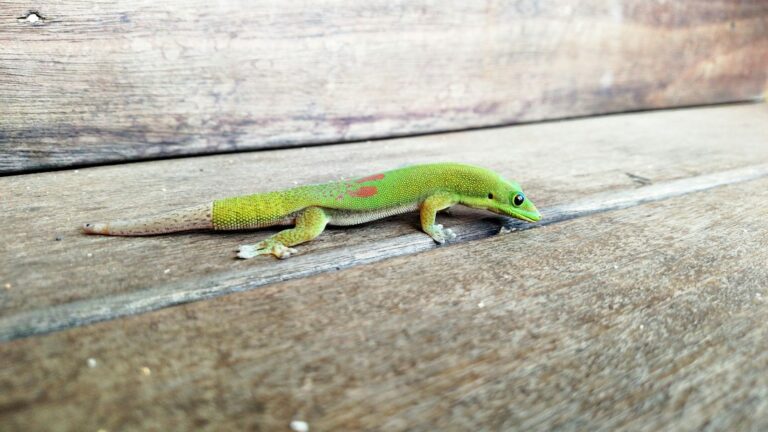
- Bugs: large centipedes and flying cockroaches are routine; geckos are welcome house guests.
- Coqui frogs: on Hawaii Island, invasive coqui choruses can reach 90 to 100 decibels at night.
- Humidity: mold forms quickly in closets, shoes and leather goods without airflow.
- Vog: volcanic haze affects air quality on Hawaii Island and sometimes other islands.
- Seasons: Honolulu highs run from about 80°F in winter to about 89°F in August.
- Hurricane season: June 1 to November 30 calls for a 14-day emergency supply kit.
- Food: plate lunch, poke and Spam musubi are everyday staples, not novelty items.
- Schools: private school enrollment is far higher than in most states.
Agriculture and pet rules
Arrival itself includes a step mainland travelers rarely see. Every inbound passenger completes an agricultural declaration, and the Hawaii Department of Agriculture’s Animal Quarantine Station enforces rabies-free rules for pets. Owners who complete the paperwork and blood tests early can qualify for the 5-day-or-less program instead of quarantine lasting up to 120 days.
How transplants who stay tend to adjust
Resident accounts and local commentary point to a sorting period of roughly two to five years. Some newcomers leave once the novelty fades, the costs pile up or family pressures pull them back. Census estimates show Hawaii has experienced net domestic out-migration in most recent years, so departures are common.
Those who stay tend to describe a similar set of habits that made the islands feel like home rather than a long vacation.
- Learn and correctly pronounce local place names within the first few months.
- Volunteer with beach cleanups, loʻi (taro patch) restoration or other mālama ʻāina groups.
- Join something recurring: a canoe club, church, sports league or community garden.
- Budget explicitly for one or two mainland trips each year.
- Shop and eat locally, and learn which businesses are family-owned.
- Listen more than advise, especially in neighborhood and community meetings.
- Visit sacred and natural sites with a guide or interpretive program first.
Timing a first exploratory visit helps too. Spending a few weeks in an off-peak month, when crowds are thinner and fares lower, gives a more realistic picture of daily life. The site’s guide to the best time to visit each Hawaiian island covers weather and pricing patterns by island.
Frequently asked questions
What is the biggest culture shock moving to Hawaii from the mainland?
Resident accounts most often cite isolation and cost together: long, expensive flights home, slow shipping and grocery prices 30% or more above mainland levels. Socially, the biggest adjustment is being part of a demographic minority and learning unwritten norms such as removing shoes, not honking and bringing food to gatherings.
Is it rude to wear shoes inside a house in Hawaii?
Yes, in almost every household. Shoes come off at the front door, and a pile of slippers outside is the cue. The custom reflects Japanese influence and practical concerns about red dirt, sand and rain. Some small offices, clinics and preschools follow the same rule, so newcomers learn to check doorways.
Is the word haole offensive?
It depends on tone and context. Haole originally meant foreigner and now usually refers to white people or mainlanders. It can be a neutral descriptor, friendly teasing or an insult. Resident commentary suggests newcomers respond with patience rather than offense, since behavior over time largely determines how the label is used.
Can someone who moves to Hawaii call themselves Hawaiian?
Not accurately. In Hawaii, Hawaiian refers to Native Hawaiian ethnicity, not residency. Transplants are Hawaii residents, and “local” generally means someone raised in the islands. Long-term residents of any background may be called kamaaina, which is also the term used for resident discounts that commonly run 10% to 25%.
Why do Hawaii drivers not honk?
Honking is widely viewed as rude and confrontational in Hawaii’s driving culture. Horns are reserved for emergencies or a quick friendly tap. Drivers are expected to let others merge and acknowledge courtesy with a shaka. Speed limits top out at 60 mph statewide, and the overall pace is noticeably slower.
Why does Amazon not ship some items to Hawaii?
Many items are hazardous or oversized. Lithium batteries, aerosols, paint and certain chemicals cannot travel as regular air cargo, and some sellers will not arrange ocean freight. Prime delivery usually takes three to seven days on Oahu and longer on neighbor islands. USPS flat-rate boxes cost the same as on the mainland.
How often do Hawaii transplants fly back to the mainland?
Resident accounts commonly describe one or two trips per year. Off-peak round trips run about $300 to $550 to the West Coast and $700 to $1,200 to New York, with holiday fares much higher. For a family of four, a single East Coast holiday trip can exceed $5,000 in airfare.
How long does it take to adjust to living in Hawaii?
Resident commentary often points to a two- to five-year sorting period. The first year brings the sharpest culture shock, and many departures happen within the first few years. Transplants who stay tend to credit community involvement, volunteering, learning place names and budgeting realistically for travel and higher everyday costs.